
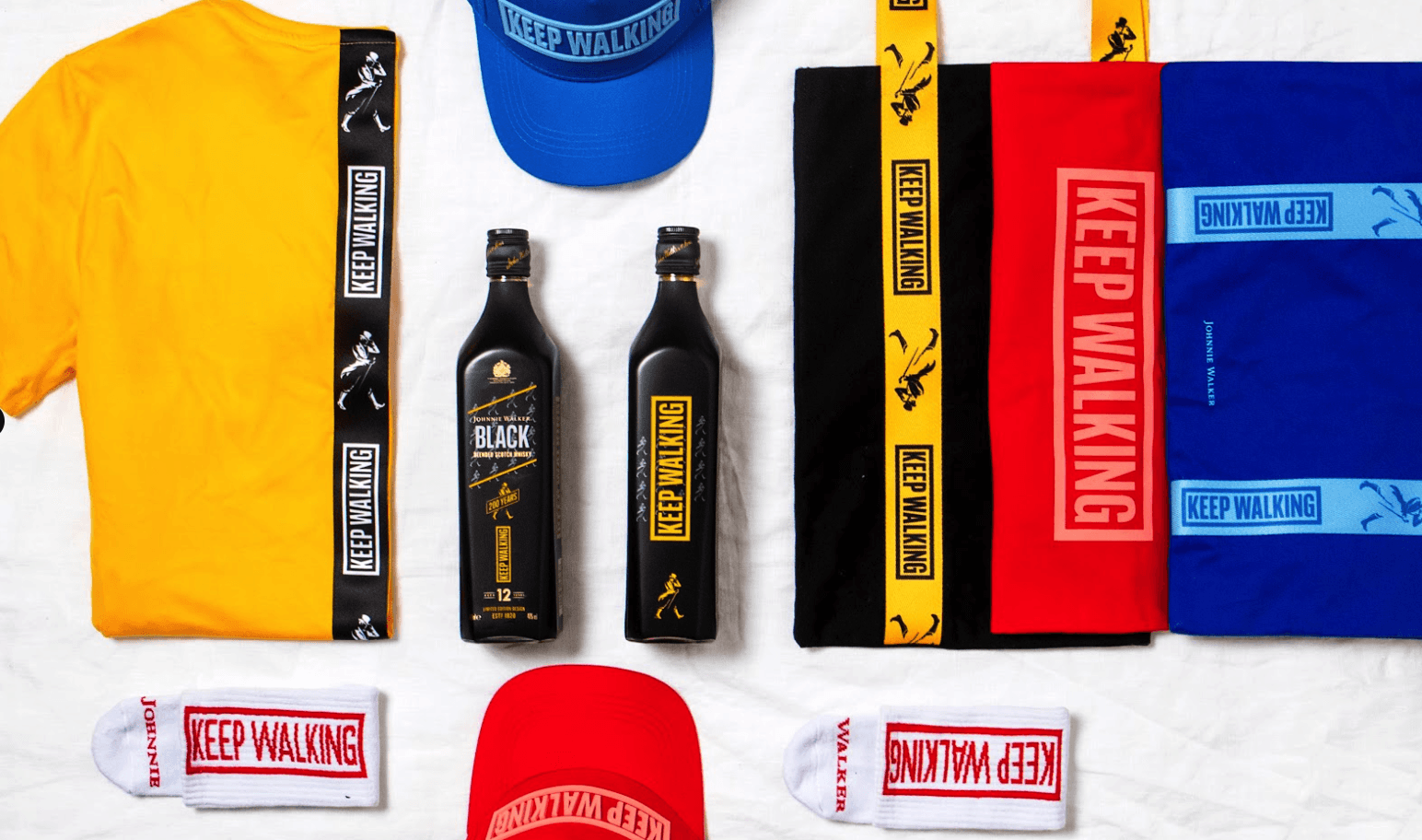


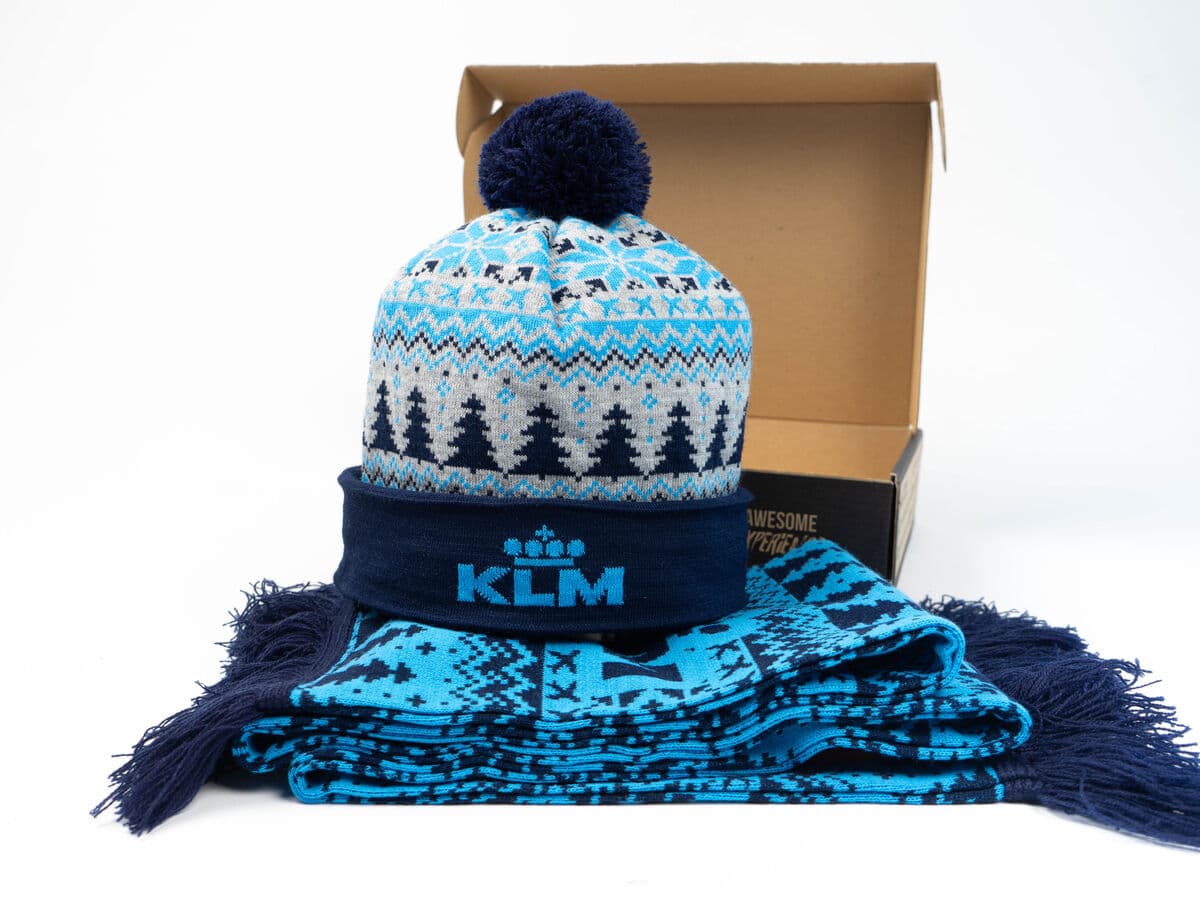
Referral gifts and review rewards recognise genuine advocacy: they work when they feel like recognition, not payment. Reward as close to the action as possible, use tiers for referrals but never quid-pro-quo for public reviews, and match the reward to the customer's value. Keep low-volume programs manual and personal, automate high-volume ones with CRM triggers, redeem pages and fulfilment. Branded merch turns advocates into ambassadors in a way cash and gift cards cannot.
A referral and review program is one of the highest-return advocacy plays a company can run, but it is easy to get the details wrong. The answers below cover what teams ask most often before launching. For the full framework, the complete guide goes deeper.
What is the difference between a referral gift and a review reward?
A referral gift thanks a customer who introduces a prospect. The trigger can be the referral submitted, a qualified meeting, a converted opportunity or a completed purchase. A review reward thanks a customer for a voluntary review or testimonial, and because public platforms restrict incentivised reviews, it must be sent afterwards as a thank-you, never promised in exchange. Both are parts of one advocacy program.
How much should I spend on a referral reward?
Match the reward to the value of the action and the customer. A standard consumer referral gets a small, thoughtful gesture. A converted enterprise referral that influences a large contract justifies a substantial reward. Weigh purchase value, margin, customer acquisition cost, conversion likelihood and relationship value. The reward should feel proportionate, not random.
When should I send the reward?
As close to the action as possible. The tighter the link, the stronger the association. A review submitted gets a thank-you the next day, a referral made gets a call or thank-you the same day, a converted referral triggers the larger reward immediately, and a published testimonial gets its package as soon as it goes live. Delays weaken the emotional impact.
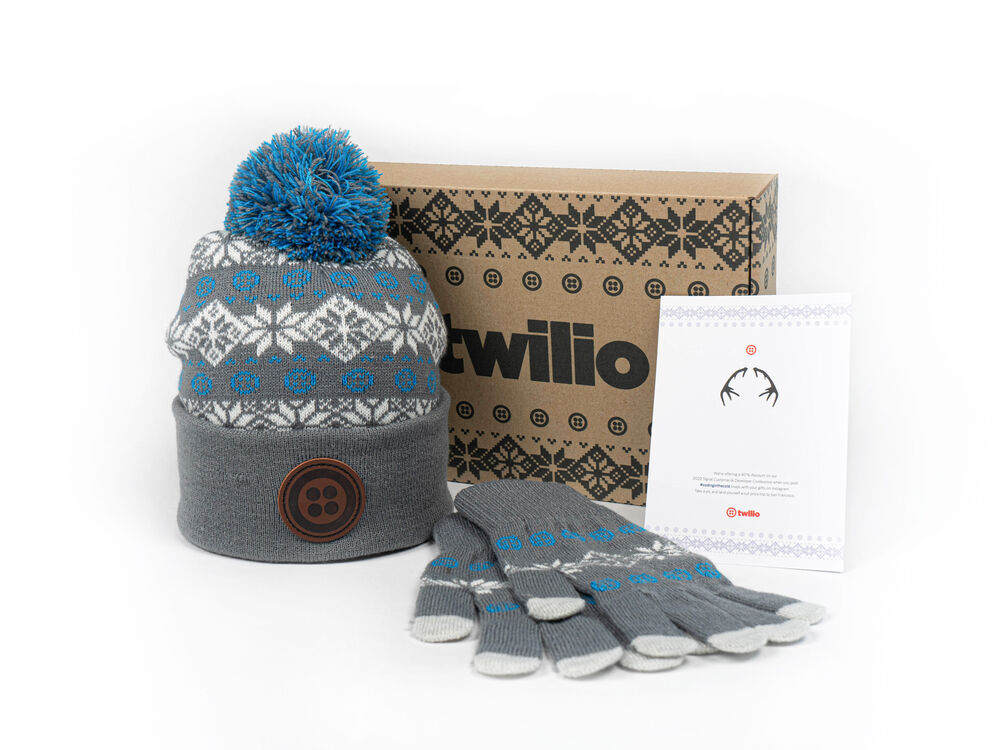
A well-made package sent quickly after the action lands far harder than a bigger gift sent late. Timing is the cheapest lever you have.
Cash, gift card, credit or merch?
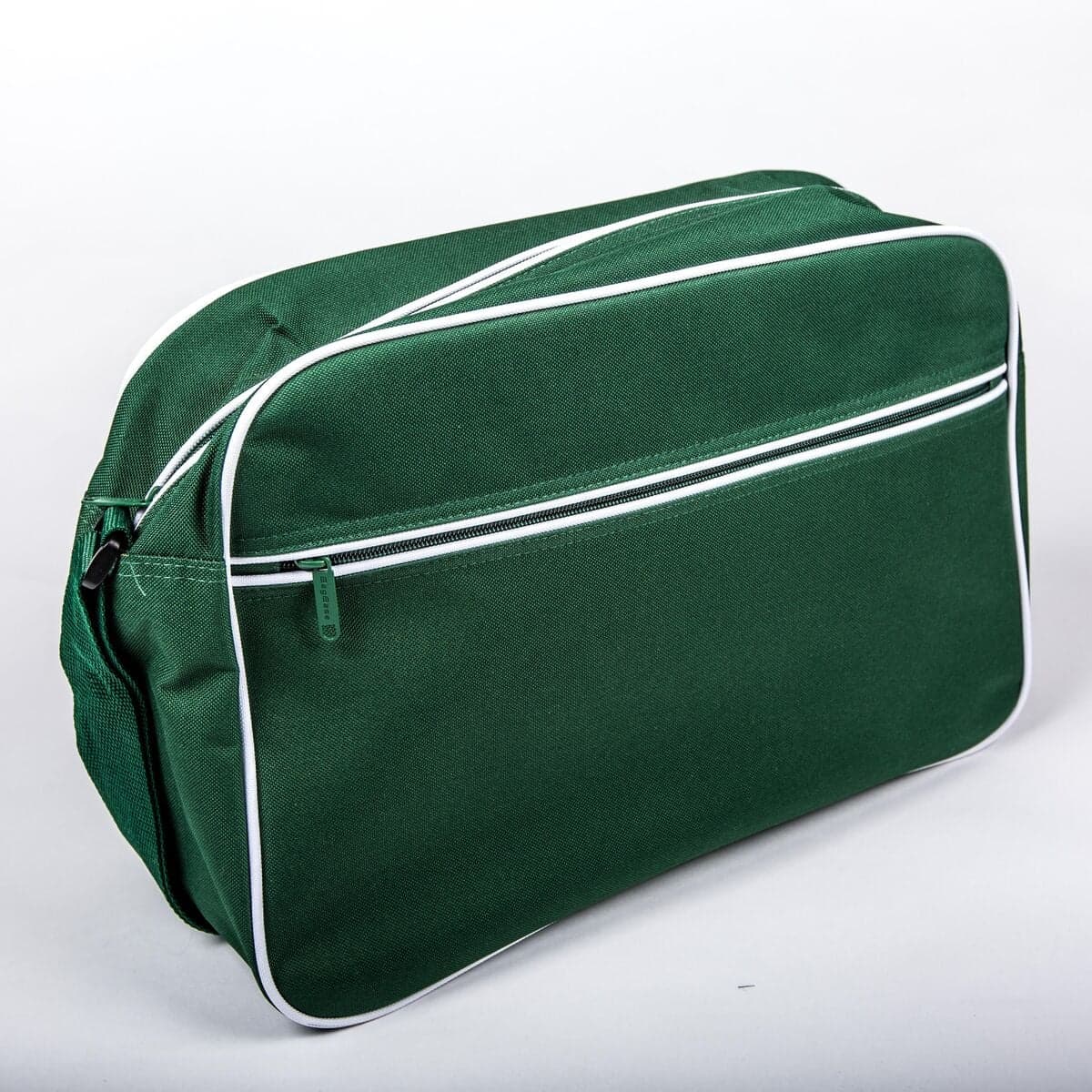
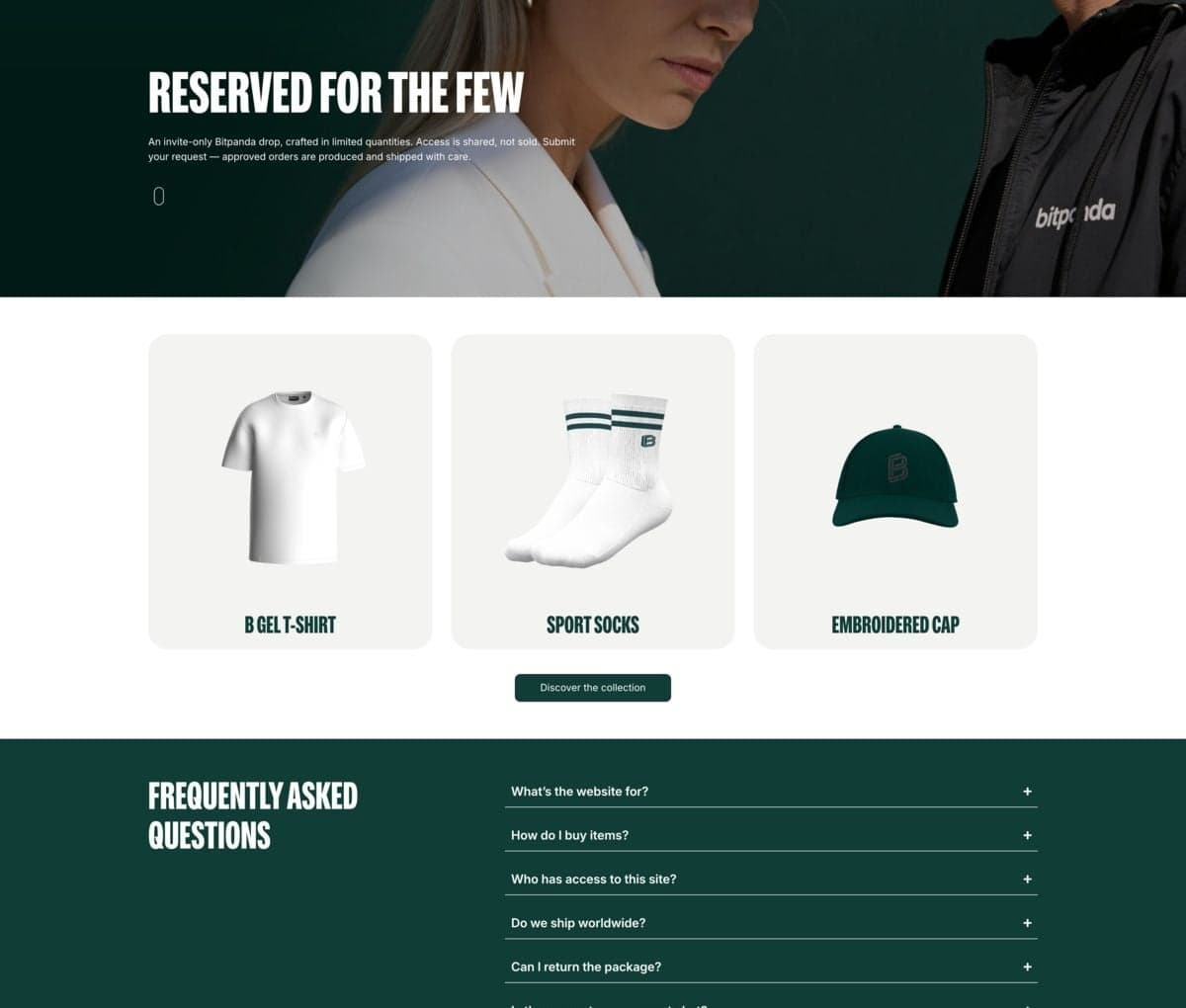
Cash feels transactional and creates tax and compliance headaches, so it is rarely the best choice. Gift cards and in-app credits work well, especially product credits for SaaS, but get repetitive. Branded merch adds what money cannot: wearing or using the brand makes an advocate see themselves as an ambassador, so the reward becomes part of their identity rather than just reducing an invoice. A strong combination mixes them across tiers.
Can I reward customers for leaving a review?
Not directly. Google Reviews, Trustpilot and similar platforms restrict paid or incentivised reviews, so never say "leave a positive review and get a gift." The compliant model is to deliver a strong experience, let the customer review independently, then thank them afterwards. On your own channels you have more flexibility for testimonials, product photos and interviews, still with transparent rules.
Do tiered rewards work?
Yes, for referrals. Tiers reward by number, quality, qualified meetings, conversions or revenue: small recognition first, stronger merch after repeats, a premium ambassador pack at a milestone, an experience for top advocates. A common structure is one referral earns a tee, two a hoodie, three an ambassador pack and five a premium experience. For reviews, be more cautious and stick to thank-yous after the fact.
Does B2B differ from B2C?
The main difference is the economic value of the customer and the referral. A B2B referral can influence a software contract, a major installation or enterprise services worth thousands to millions, so it justifies a larger gesture. B2C can also be high-value, think cars, solar, financial products or premium subscriptions. Scale the reward to the value either way.
Should I automate the program?
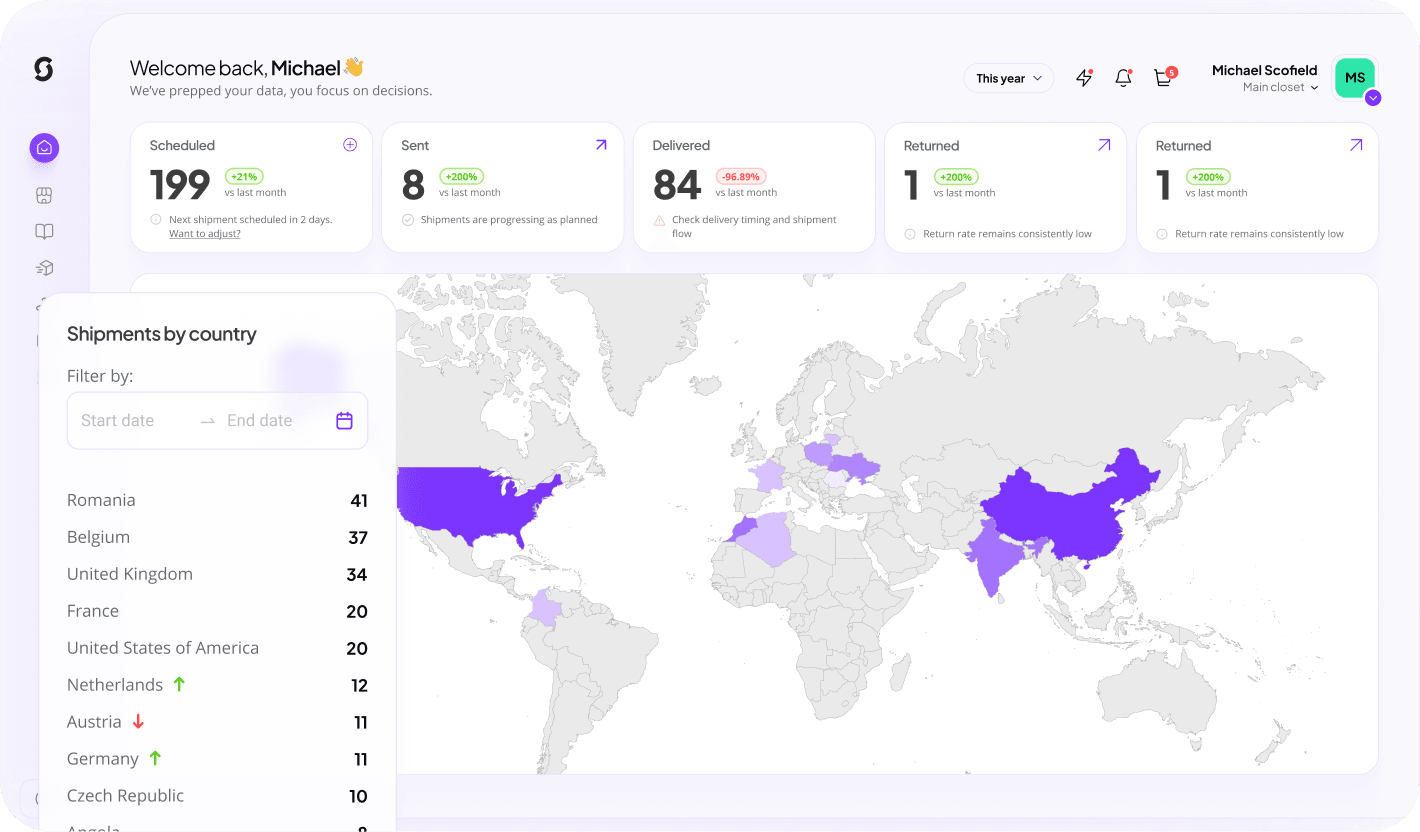
It depends on volume. Keep low-volume B2B manual and personal: a salesperson or CSM calls the advocate, writes a personal note, selects a gift and launches the shipment. Automate high-volume programs, hundreds a month, with CRM triggers that fire the thank-you, a redeem page, reward selection, address collection, fulfilment and tracking. Automation should remove logistics, not recognition.
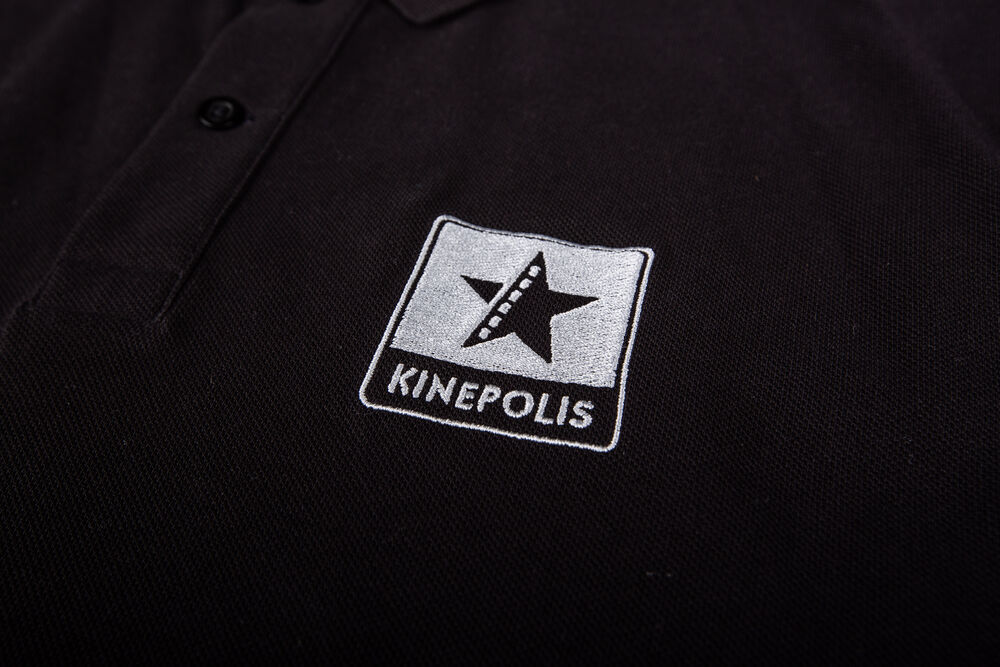
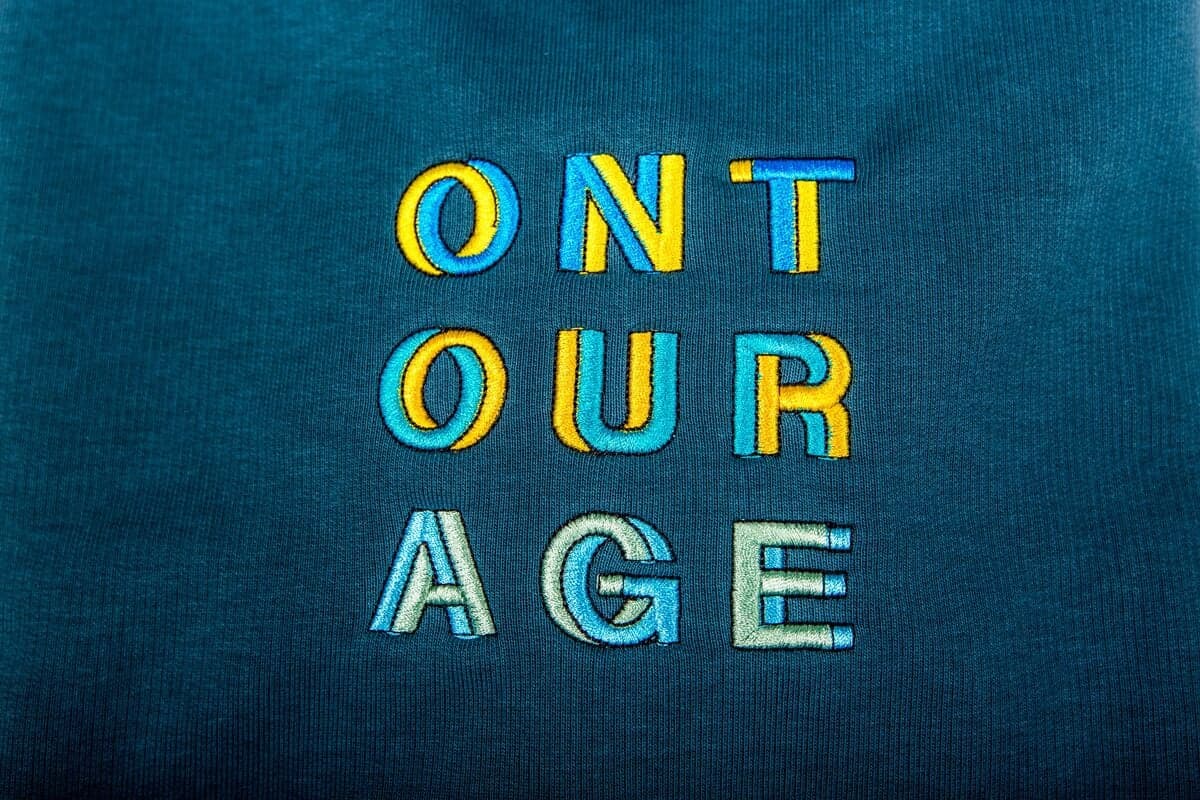
Unique or limited ambassador apparel works especially well. Custom sportswear and other exclusive, catalogue-unavailable pieces add the status and identity that cash cannot.
What should I avoid?
Cheap products that make the thank-you feel insincere. Inconsistent execution that rewards some advocates and forgets others, which destroys trust. Quid-pro-quo public reviews, a compliance risk. Overly commercial follow-up that turns a thank-you into a sales push. Complicated rules that drop participation. And rewarding an unhappy customer too early. Every program starts with a genuinely good experience first.
How does Sunday help run a referral and review program?
Sunday provides curated reward packages, exclusive ambassador merch such as custom sportswear, tiered collections, redeem pages, address collection, CRM triggers, automated fulfilment, global distribution and tracking. Small programs keep a manual personal touch while Sunday handles delivery; large programs automate the whole flow. Design a reward piece in the free sportswear mockup generator, and see the flow on the platform.
Frequently asked questions
Can I promise a reward for a positive review?
No. Review platforms restrict incentivised reviews. Deliver a strong experience, let the customer review independently, then send a thank-you afterwards. Never say "leave a positive review and get a gift."
When should I send a referral reward?
As close to the action as possible. Thank a review the next day, a referral the same day, and trigger the larger reward immediately when a referral converts. Tight timing makes the strongest association.
Is merch better than cash or gift cards?
For advocacy, usually yes. Cash feels transactional and creates tax issues. Merch makes advocates see themselves as ambassadors, so the reward becomes part of their identity. A tiered mix of credit and merch often works best.
Do I need to automate?
Only at volume. Keep low-volume B2B manual and personal. Automate hundreds-a-month programs with CRM triggers, redeem pages, address collection and fulfilment. Automate the logistics, keep the recognition human.
How much should the reward cost?
Scale it to the value of the referral and customer. A standard consumer referral gets a small gesture; a converted enterprise referral justifies a substantial reward, since referral leads close stronger and at a lower acquisition cost.
Keep reading: referral gifts and review rewards
Launch a referral program that lands
Create a free account, build reward packages and redeem pages, and let Sunday handle fulfilment and tracking end to end.
Build this campaign with Sunday