
Recycled custom sportswear uses certified recycled technical fabrics that deliver the same Dry Fit and Cooltech performance as standard material: the same breathability, moisture-wicking and quick-drying behaviour. The key rule is that recycled must meet the same durability and technical standards, so function is never compromised. Both standard and certified recycled options are available; choose based on your sustainability priorities, certification requirements and budget. Do not overclaim: describe what the fabric is certified to be, and let the product speak for itself.
Sustainability is a genuine and growing request in branded sportswear. Companies want kit that reflects their values without asking their team to accept worse gear. That is a fair ask, and it is one technical fabric can now meet. Sunday offers both standard and certified recycled technical fabrics, and both hit the same performance bar. This page explains what that means in practice, and how to communicate it without slipping into greenwashing.
Same performance, recycled input
The most important point is also the most reassuring. Certified recycled technical fabrics deliver the same Dry Fit and Cooltech performance as their standard counterparts. That means the same breathability, the same moisture-wicking that moves sweat away from the skin, the same quick-drying behaviour and the same comfort in movement. Choosing recycled does not mean choosing a heavier, hotter or slower-drying jersey.
This matters because the fastest way to kill a sustainability initiative is to hand people gear that underperforms. If the recycled option felt worse, nobody would wear it, and the environmental gesture would be lost.
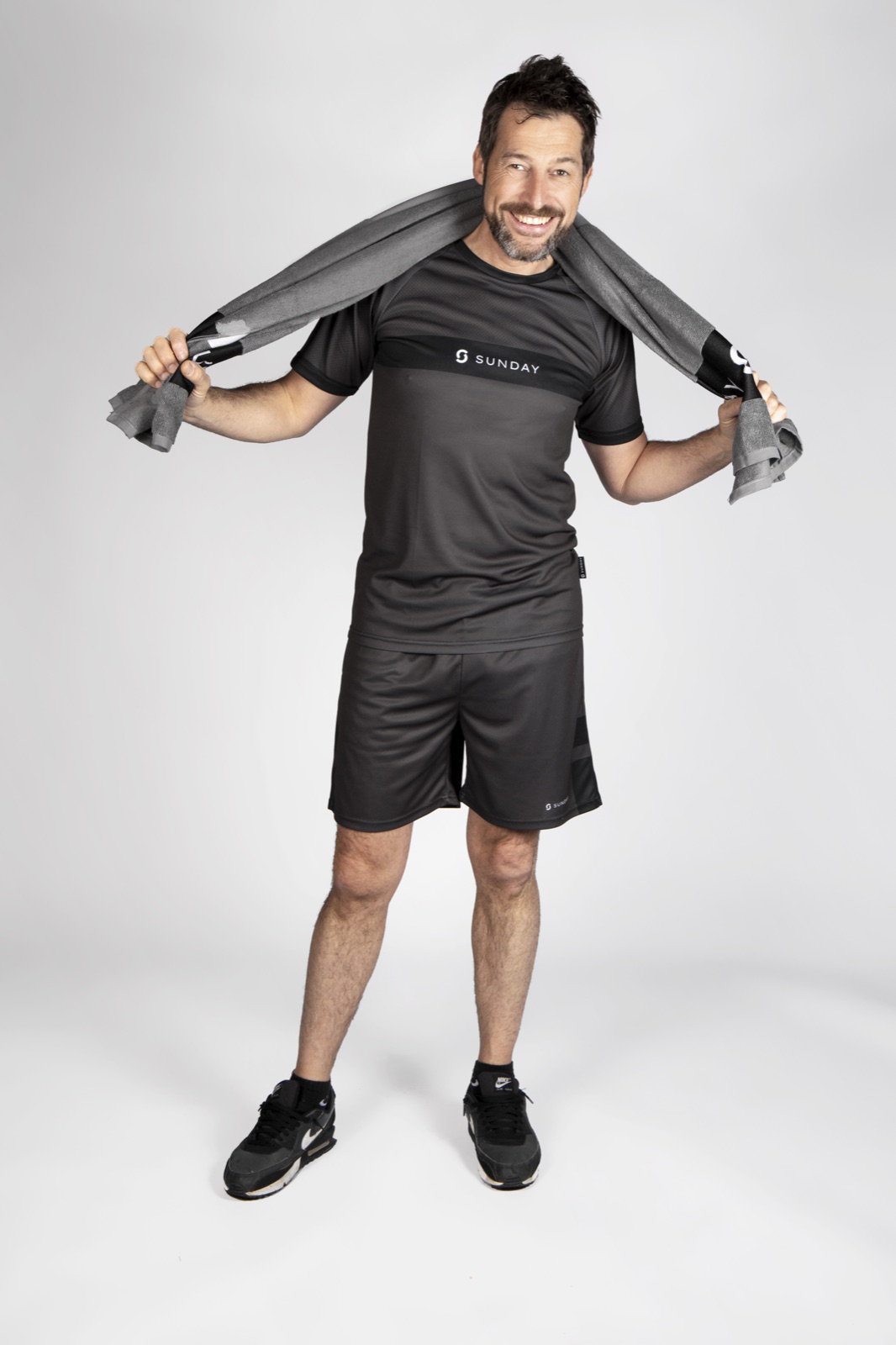
A Sunday-branded custom sports jersey. The recycled technical fabric is engineered to the same performance spec, so breathability and moisture management are unchanged.
Durability comes first
Recycled fabric only earns a place in the range if it meets the same durability and technical standards as standard material. This is non-negotiable. A jersey that pills, loses its shape or wears out faster is not a sustainable choice, it is a false economy that ends up in landfill sooner. The most sustainable garment is the one that lasts and keeps getting worn.
Standard vs certified recycled
Because both options deliver the same performance, the choice is about priorities rather than trade-offs. Here is how they compare.
| Consideration | Standard technical fabric | Certified recycled technical fabric |
|---|---|---|
| Dry Fit / Cooltech performance | ✓ Full | ✓ Full, identical |
| Breathability and moisture-wicking | ✓ Yes | ✓ Yes |
| Durability and shape retention | ✓ Yes | ✓ Must match to qualify |
| Recycled material input | ✗ No | ✓ Yes, certified |
| Certification for reporting | Standard | Supports sustainability claims |
| Cost | Baseline | Small premium possible |
Pick certified recycled when sustainability is a stated company value, when you need certification to support ESG or procurement reporting, or when your audience genuinely cares. Pick standard when budget is the deciding factor and no certification is required. Either way the wearer gets the same jersey.
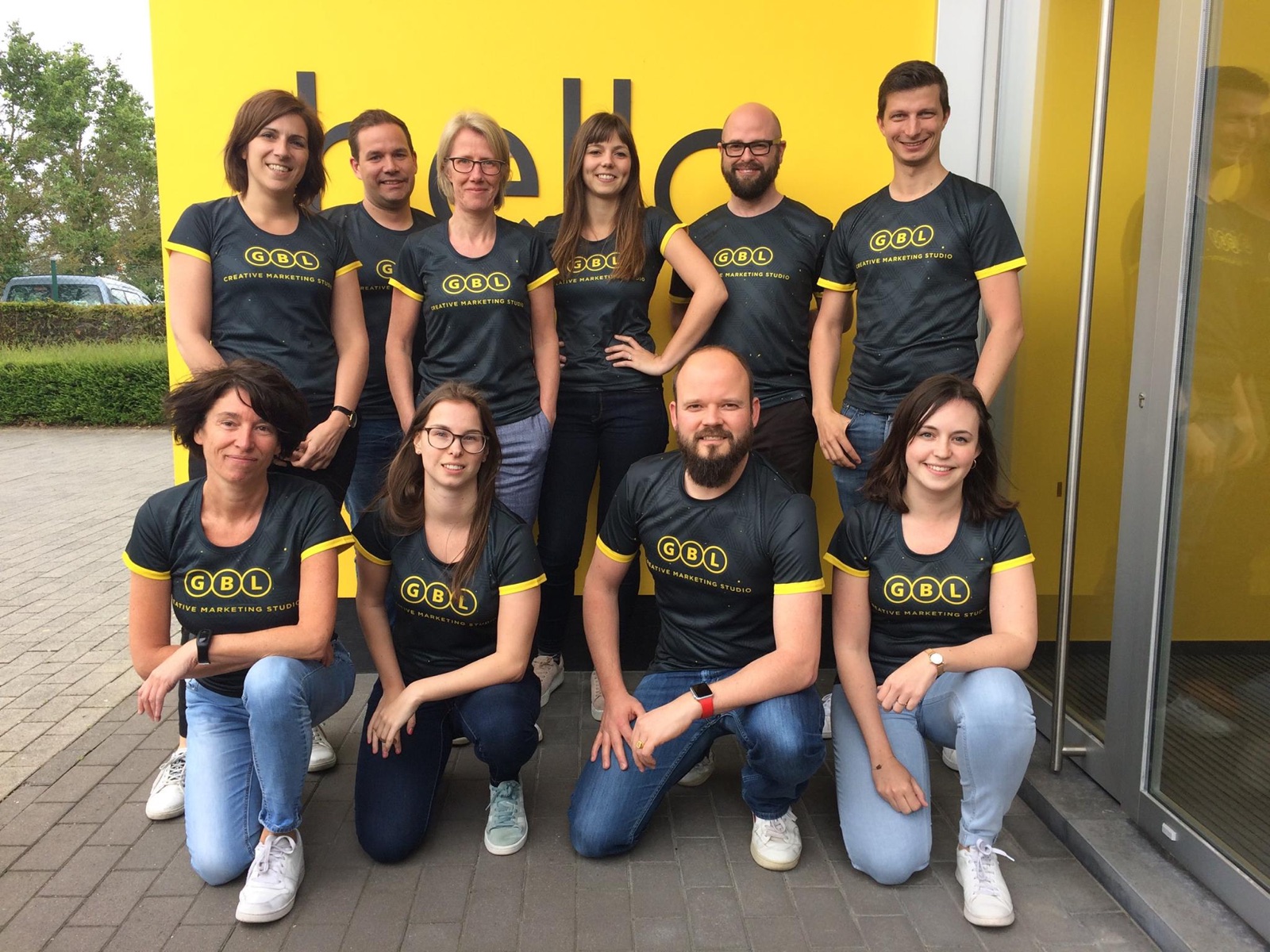
A GBL-branded custom sports jersey. Certified recycled kit looks and performs like any other technical jersey; the difference is the material input and the certification behind it.
How to talk about it honestly
Sustainability language is where good intentions go wrong. The safe and credible approach is simple: describe what the fabric is certified to be, and nothing more. Say "made with certified recycled technical fabric" rather than vague, unbacked claims like "eco-friendly" or "planet-positive". Point to the certification. Let the product carry the message.
- State the certification, not a mood. Certified recycled is a fact you can stand behind.
- Do not imply the whole programme is carbon-neutral because one fabric is recycled. Scope your claim to the fabric.
- Lead with longevity. A durable kit that stays in use is a real sustainability story.
- Offer the choice. Present both options and let the customer decide on priorities, certification and budget.
Recycled custom sportswear: questions answered
Does recycled sportswear perform as well as standard?
Yes. Certified recycled technical fabrics deliver the same Dry Fit and Cooltech performance as standard material: the same breathability, moisture-wicking and quick-drying behaviour. Choosing recycled does not mean accepting a heavier, hotter or slower-drying jersey. The wearer gets the same experience on the day.
Is recycled fabric less durable?
No. Recycled fabric only enters the range if it meets the same durability and technical standards as standard material, including strength, shape retention and finish. A garment that wears out faster is not sustainable, so durability is a hard requirement before any recycled fabric is used in a kit.
Should I choose standard or recycled?
Because both perform identically, the choice is about priorities, not trade-offs. Choose certified recycled when sustainability is a stated value or you need certification for ESG or procurement reporting. Choose standard when budget is the deciding factor and certification is not required.
Does recycled sportswear cost more?
Certified recycled technical fabric can carry a small premium over standard material at the same performance level. The gap is modest, and the total run cost is driven far more by garment type, fit, quantity and personalisation than by the recycled input.
How do I make a sustainability claim without greenwashing?
Describe what the fabric is certified to be, and nothing more. Say "made with certified recycled technical fabric" and point to the certification. Avoid vague terms like eco-friendly, and do not imply the whole programme is carbon-neutral because one fabric is recycled. Scope the claim to the fact you can prove.
Is a longer-lasting kit more sustainable than a recycled one?
Longevity is a real and often overlooked part of sustainability. A durable kit that stays in use avoids replacement waste. The strongest position combines both: certified recycled fabric that also meets the durability standard, so the material input is responsible and the garment lasts.
Keep reading: custom sportswear
Design your kit in recycled fabric
Create a free account, choose a certified recycled technical fabric and preview your team kit in your colours with live pricing.
Get free designs