A sales team outfit makes a team look coordinated, confident and recognisable without feeling like a costume. There is no single universal uniform: the right outfit depends on your brand, sector and event. The branded polo is the strong middle ground for most teams, with business shirts and merino for formal B2B, and tees and hoodies for casual tech. Build it as a kit, size it per person, and make it easy to reorder for new hires.
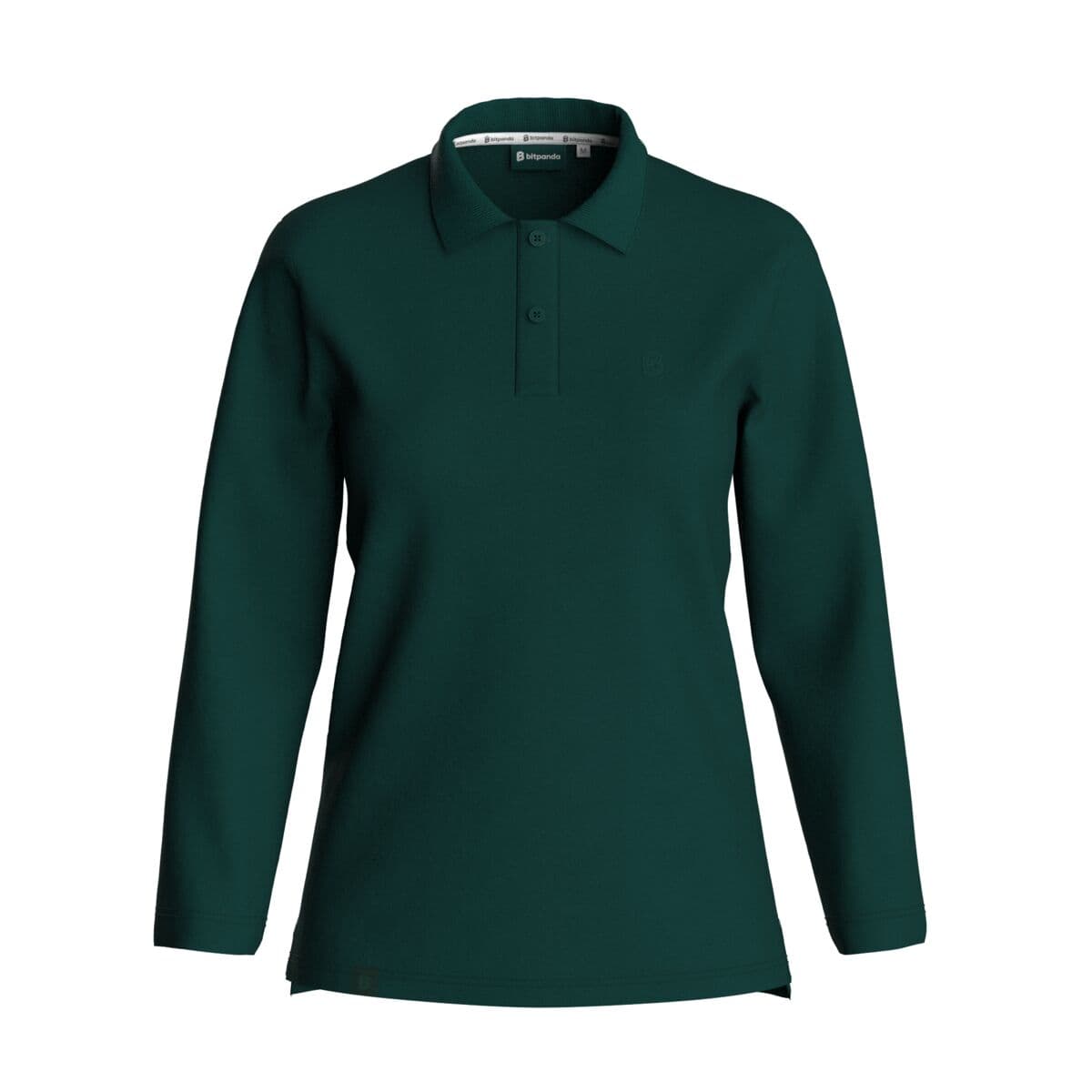
This page answers the questions companies ask most about sales team outfits, with short answers you can act on. For the full reasoning, the complete sales team outfits guide goes deeper. The polo is the backbone of most of these looks, so it is worth seeing how a coordinated team reads up close.
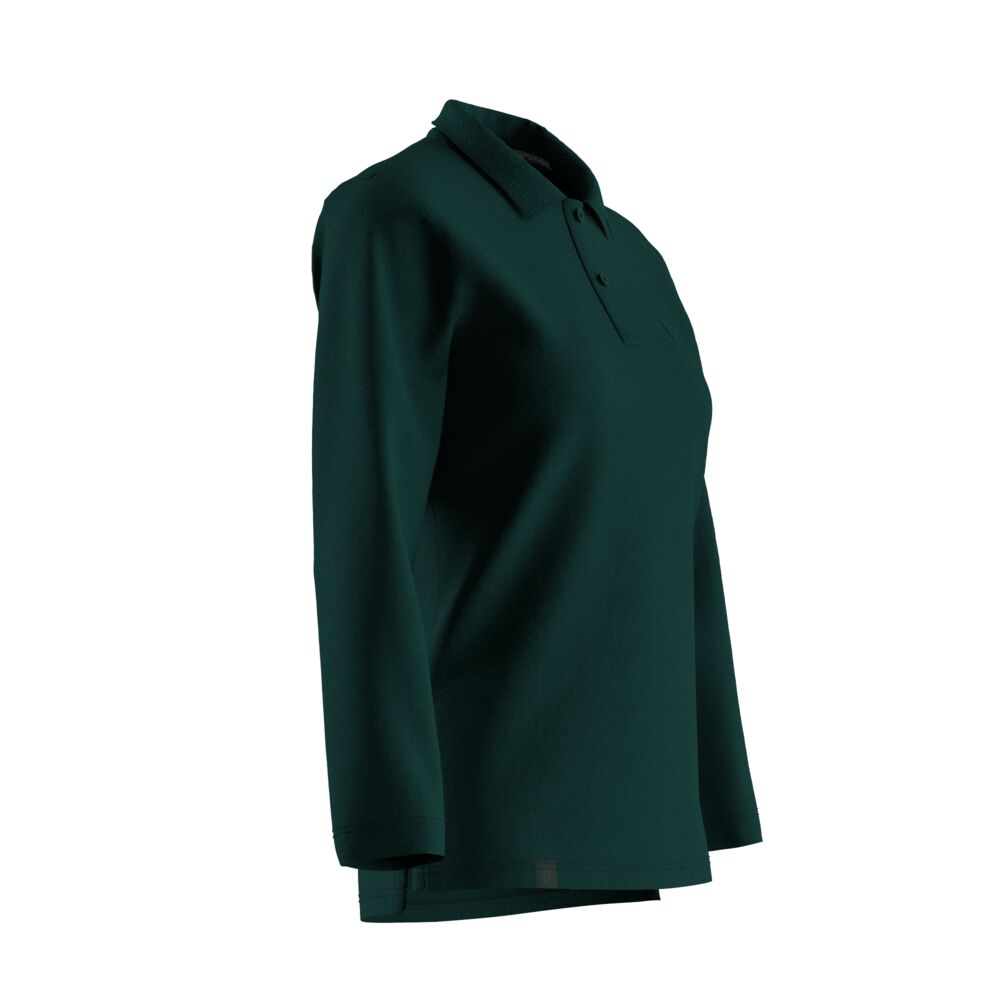
The branded polo is the backbone of most sales team outfits: professional, approachable and instantly recognisable. Build the rest of the kit around it.
Sales team outfits FAQ
Read straight through or jump to the question you need. Each answer is short on purpose. Where you want more, follow the link to the relevant guide.
What should a sales team wear at a trade show booth?
Something coordinated, comfortable enough to stand all day, and recognisable from across the hall. The default booth look is a branded polo with trousers, in a consistent colour with an embroidered logo. Be more expressive than normal field wear: bold-but-intentional brand colour helps people find your stand. Match the formality to your industry.
What instantly looks amateur on a booth team?
Visibly cheap or poorly fitting garments, a big logo plastered everywhere, mismatched items that were not planned together, and decoration that peels or cracks. The team should look intentional, not like promotional props. Coordinated, well-fitting, properly branded apparel reads as a serious company; a thrown-together look does the opposite.
Is a polo the right base for a sales outfit?
For most teams, yes. The polo is the strong middle ground: more professional than a tee, less formal than a business shirt, and especially effective in retail, service and customer-facing settings. It is not automatic, though. Traditional B2B may suit a business shirt and merino, and casual tech may suit a premium tee. Decide on brand and customer context.
Polo, business shirt or hoodie for a sales team?
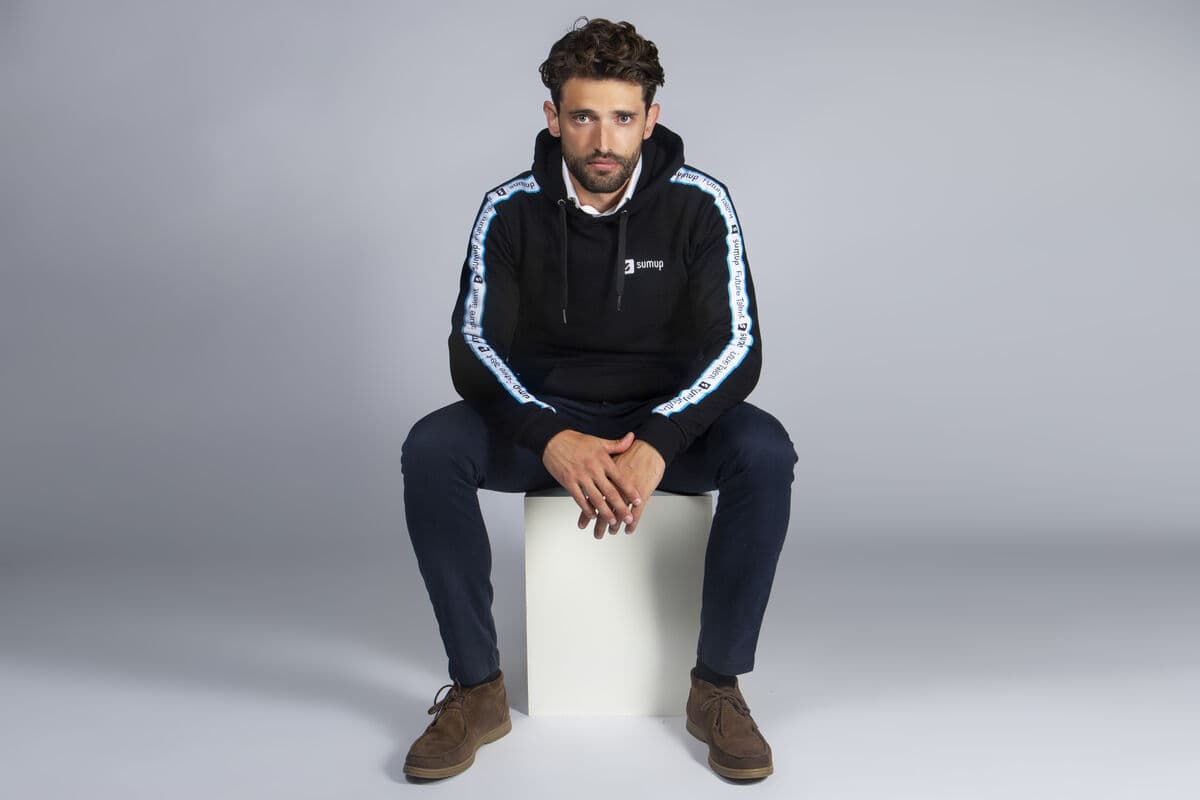
It depends on your brand and environment. Formal, industrial or enterprise sales make the strongest impression in a business shirt with a merino sweater or bodywarmer. Retail and service teams suit polos. Younger, casual tech teams can wear tees, sweatshirts and college jackets. A hoodie fits casual tech but not enterprise sales.
How do you coordinate a team without it feeling like a uniform?
Keep it good-looking, well-fitting and comfortable, and let people feel confident in it. Uniforms work when the clothing builds confidence rather than embarrassment. Use one consistent base layer and brand colour, allow a sensible women's and men's fit, and avoid anything gimmicky. Coordinated should mean intentional, not over-uniformed.
How do you handle sizing across a whole sales org?
Collect sizes per person and offer distinct men's and women's fits so nobody feels bad in the photos. The painful part is usually the logistics, not the decision. Sunday collects sizes, names and roles and handles reorders, so you avoid the spreadsheet scramble before every event. The automation guide covers this.
What does a full road rep's wardrobe include?
A road-based salesperson needs a complete wardrobe, not one garment: a jacket, a softshell, a bodywarmer, several sweaters, several business shirts, suitable trousers and an optional cap. The layers let them adapt to different visits and weather while staying on-brand.
How do you dress a team for a multi-day event?
Layer it. A good outfit goes from a polo or business shirt base, to a merino sweater, a zipped sweatshirt, a bodywarmer, a softshell and a jacket. Booths, the show floor and the evening reception vary in temperature, so a layered kit keeps the team comfortable and on-brand from morning setup to the after-event drinks.
Does the outfit strategy change for a sales kickoff?
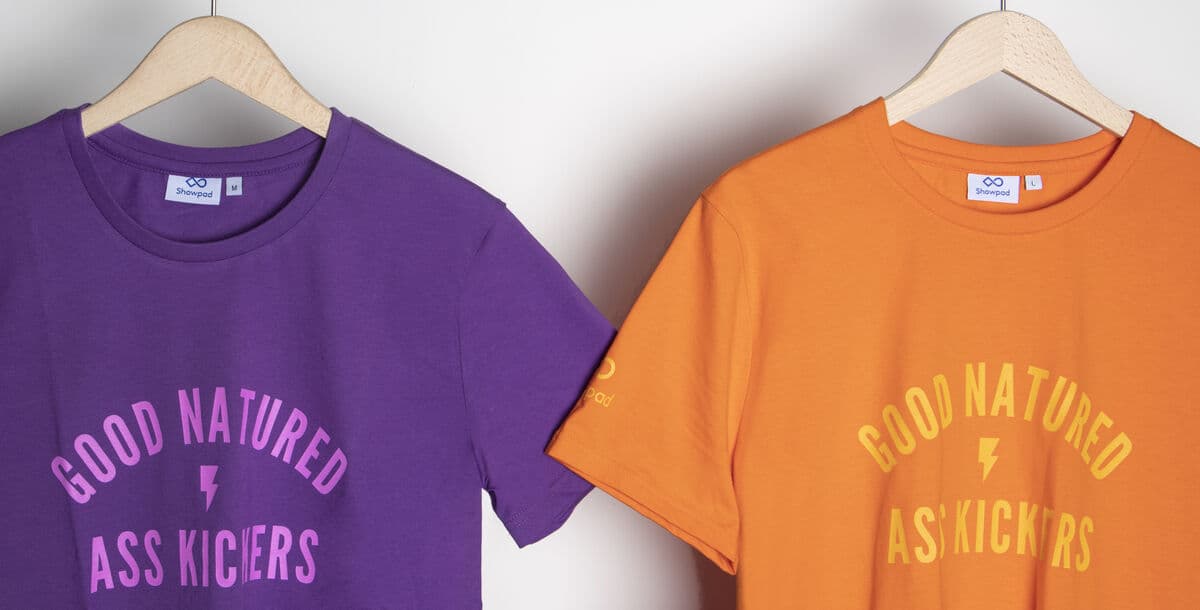
Yes. Treat a sales kickoff as merch, not a uniform programme. The goal is team spirit, not a customer-facing look, so go for fun, wearable-outside-work items: tees, hoodies, sweatshirts, casual jackets and fun accessories. A trade show or field outfit is about recognition; an SKO outfit is about belonging.
What should a sales team never wear or brand?
Avoid large back prints, slogans, over-accessorising and anything visibly cheap or poorly fitting. The best outfit is not the one with the biggest logo. Keep branding restrained and the fit flattering. If a garment is embarrassing, overly playful or looks promotional, it undermines the team rather than helping them.
How bold should the brand colour be?
Bolder at a trade show, more understated in a meeting. A booth team should be identifiable from across the hall, so strong company colours and coordinated layers help. In a finance or healthcare context, lean more formal and restrained. Match the boldness to the venue and the customer's expectations.
How do you reorder outfits for new hires mid-quarter?
Make it a standing program rather than a one-off order. With sizes, names and the kit definition already stored, a new hire's outfit is a quick reorder instead of a fresh project. Sunday keeps the kit on-brand and reorderable, so a rep who joins in week six gets the same outfit as everyone else without the scramble.
Keep reading: sales team outfits
Build your sales team kit in 30 seconds
Create a free account and design an on-brand team outfit with live pricing, sized and reorderable.
Build this campaign