The most sustainable custom mug is the one people use for years instead of a stack of disposable cups. A durable ceramic mug or a branded reusable coffee cup, made in Europe and kept on the desk, beats any single-use alternative on impact. Eco materials matter, but durability and a short supply chain come first. With around 26% of corporate gift orders now including sustainable products, drinkware is where the demand is.
Sustainability on a mug works best when it is real and specific, not a sticker added for marketing. Sunday makes custom mugs with reusable and eco-minded options, but the most important sustainability decision is the simplest one: make a mug good enough that people reach for it every day. This guide covers what eco actually means for a mug, why made-in-Europe matters, and when a reusable cup is the right call.
The most sustainable mug is the one people keep
Start with the unglamorous truth. The biggest environmental cost in branded drinkware is waste: cheap mugs made fast, used once, left in a drawer, and a parallel stream of single-use cups going in the bin every day. A mug that replaces hundreds of disposable cups over its life is doing real work. A thin promo mug with a print that fades after twenty washes is not sustainable at any material spec. Quality is the sustainability strategy that comes before any eco label.
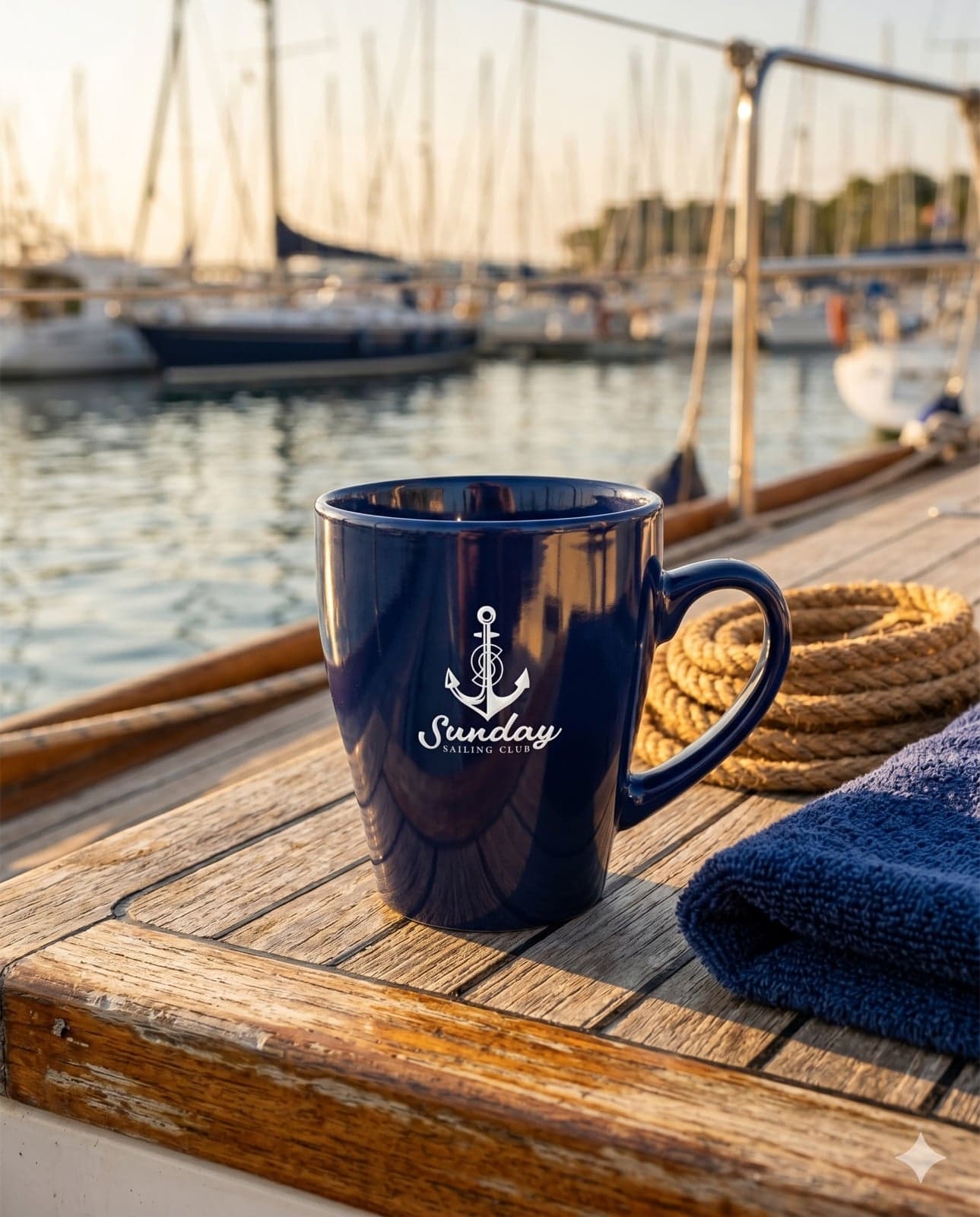
Sunday's mugs are produced in Europe, so they already carry a sustainability baseline: a shorter supply chain than freighting drinkware from Asia, fewer breakages in transit, and a longer wear life. That is the honest quality-and-origin point, not greenwashed eco language. You can go further on materials when it fits, but you are building on a solid floor.
Reusable coffee cups: the everyday eco option
If the goal is genuine daily-use sustainability, a branded reusable coffee cup is often the smarter mug. It suits hybrid offices and people on the move, replaces single-use cups directly, and gets used in public, which doubles it as quiet brand exposure. It is the drinkware that earns its eco story through behaviour rather than just material. Brands like Cyncly run reusable cups for exactly this reason.

Durable, made in Europe, used daily. The most sustainable drinkware is the kind that quietly replaces a stack of disposables, not the kind that sits in a cupboard.
Pick the format by use case. A ceramic mug fills the office kitchen and shows up warm on video calls; a reusable coffee cup travels with hybrid and remote staff; an enamel cup suits outdoor and offsite culture. The complete custom mugs guide matches each format to where it lands best.
When an eco mug is real, and when it is greenwashing
The eco mugs that land are the ones where the choice says something true about the company, and where the claim holds up. A reusable cup for a hybrid-first company is honest. A "sustainable" mug freighted across the world in single plastic wraps is not. Keep the wording specific and verifiable, and let durability and origin carry most of the weight.
- There is a real link. The reusable format or material reflects how your company actually works or what it stands for.
- You can back the claim. Made-in-Europe production and a reusable design are concrete. Vague "eco" stickers are not.
- The mug still feels good. An eco mug nobody enjoys drinking from defeats the point. It has to be used to count.
How to spec a sustainable mug
Decide the story first: durable ceramic for the office kitchen, a reusable cup for hybrid teams, or enamel for an outdoor brand. Then design for it. Drop your logo into the free mug mockup generator to preview your design in your colours, and flag the format when you set up the order. Sunday handles the rest: made in Europe, from 25 mugs, in two to four or five weeks. Browse the catalog or see how it works to start. For costs by method, see the bulk pricing guide.
Sustainable custom mugs: questions answered
What makes a custom mug sustainable?
Mostly durability and a short supply chain. A mug that gets used for years, made in Europe rather than freighted across the world, and that replaces single-use cups, is the genuinely sustainable choice. Eco materials add to that, but they come after quality and origin, not before.
Are reusable coffee cups better than ceramic mugs for sustainability?
It depends on use. A reusable coffee cup directly replaces single-use cups for hybrid and on-the-go staff, which is its eco win. A ceramic mug is ideal for the office kitchen and home desk. Both are sustainable when they are used daily; the worst option is any mug that sits unused.
Does made-in-Europe production actually matter for mugs?
Yes, practically. Producing drinkware in Europe shortens the supply chain, reduces breakage versus long-haul freight, and gives tighter quality control. For heavy, fragile items like mugs, that is a real environmental and logistical advantage, not just a marketing line.
Are eco custom mugs more expensive?
Sometimes a little, depending on format and decoration. A durable ceramic mug is already an affordable sustainable choice. Reusable cups and premium finishes sit higher. The minimum order stays low at 25 mugs, and most cost is driven by decoration method, not the eco angle. See the pricing guide.
How do I avoid greenwashing with a branded mug?
Keep the claim specific and true. "Reusable cup, made in Europe" is verifiable; a vague "eco" sticker is not. Choose a format that fits how your company works, make sure the mug is good enough to use daily, and skip excess packaging. Honesty reads better than overclaiming.
What is the most sustainable corporate drinkware gift?
A durable, well-made mug or reusable cup that people keep and use, paired thoughtfully rather than shipped alone. With around 26% of corporate gift orders now including sustainable products, drinkware leads the category, precisely because a good cup gets used every single day.
Keep reading: custom mugs
- Custom mugs: the complete guide
- Best custom mugs companies in 2026
- Custom mugs in bulk: pricing, MOQ and lead times
Design a mug worth keeping
Create a free account and get free mug designs based on your logo in about 30 seconds. Choose a durable ceramic or a reusable cup that fits your story.
Get free designs