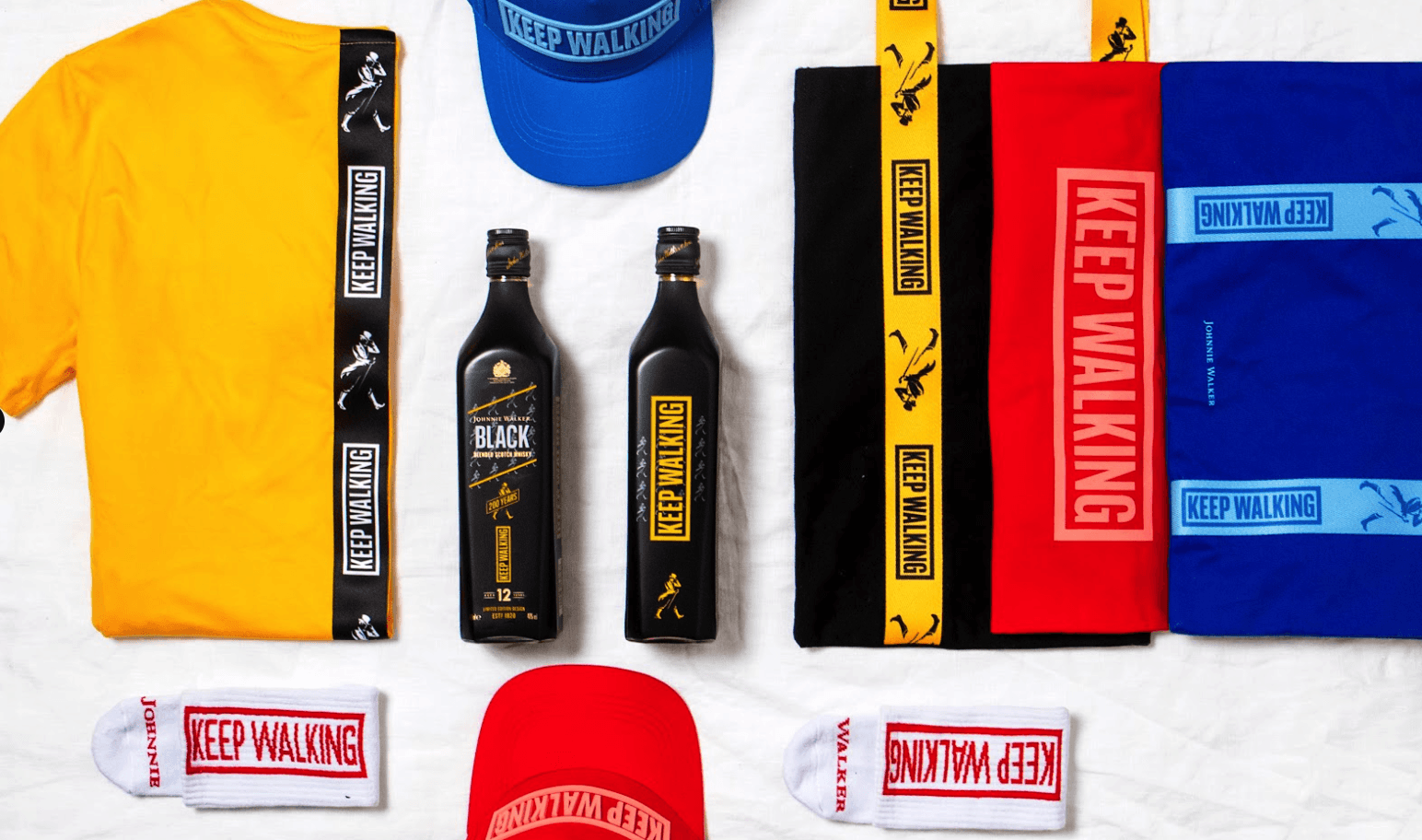


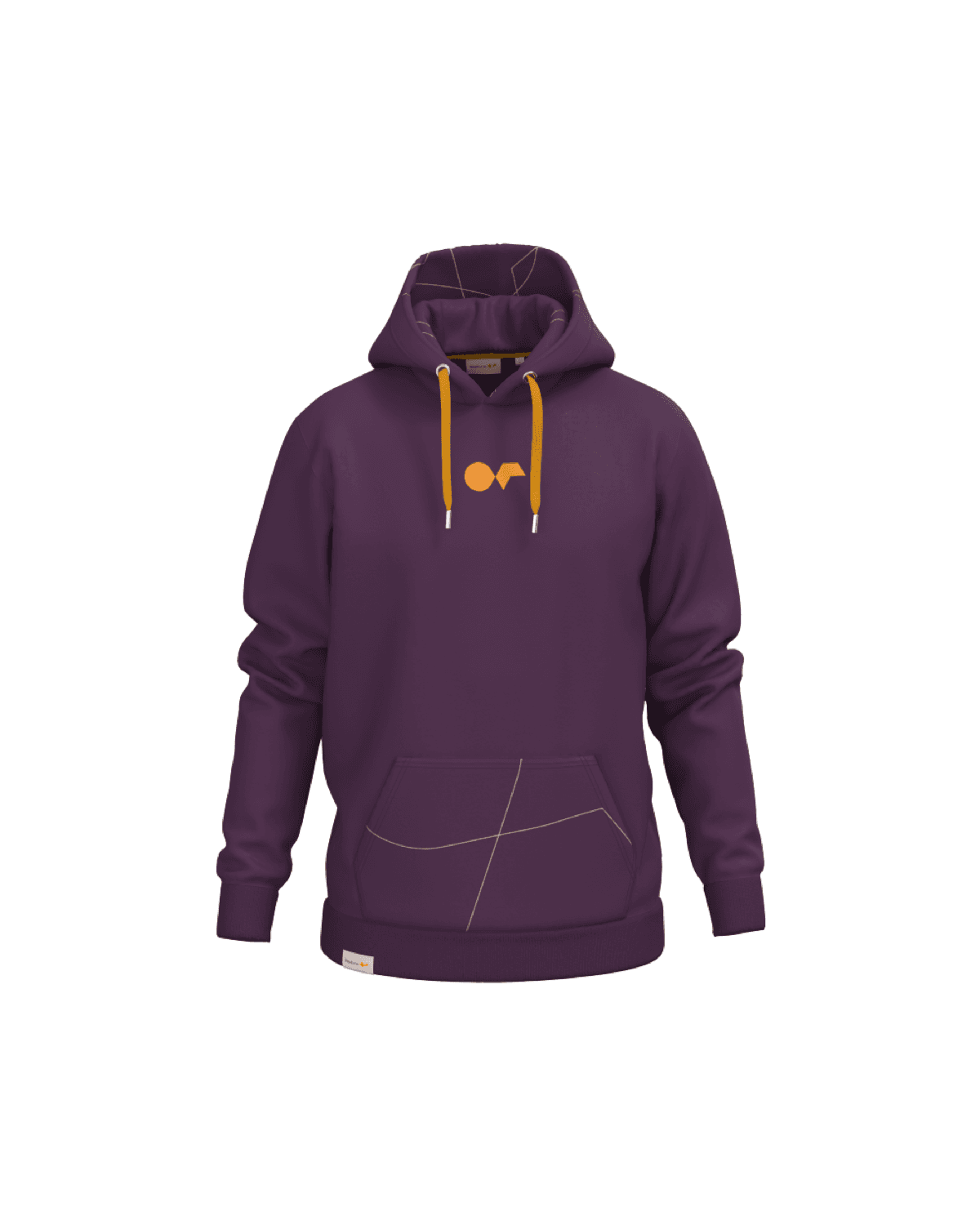
India's Income-tax Act, 2025 and the accompanying Income-tax Rules, 2026 took effect on 1 April 2026, replacing the six-decade-old Income-tax Act, 1961. One change matters a lot for HR and marketing teams planning employee gifting: the tax-free limit on non-cash gifts an employer can give an employee jumped from ₹5,000 to ₹15,000 a year, tripling how much you can spend on branded merchandise, hampers, or vouchers before the gift becomes taxable in the employee's hands.
Here is exactly how the new rule works, why cash gifts and Diwali bonuses are treated completely differently, what applies when you're gifting clients instead of staff, and 12 gift ideas that comfortably clear the ₹15,000 threshold.
The ₹15,000 non-cash gift exemption
Under the Income-tax Rules, 2026, non-cash gifts, vouchers, and tokens given by an employer to an employee are exempt from income tax up to an aggregate value of ₹15,000 in a financial year. "Aggregate" is the key word: it's not ₹15,000 per gift, it's ₹15,000 total across every non-cash gift, voucher, or token the employee receives from the employer during the year, whether that's a birthday hamper, a work-anniversary gift, a Diwali present, or year-end merchandise.
This is a cliff-edge rule, not a tax-free-up-to-the-threshold rule. If the aggregate value of non-cash gifts to an employee in a financial year exceeds ₹15,000, even by a single rupee, the entire amount becomes taxable as a perquisite, not just the portion above ₹15,000. A ₹14,999 hamper is fully tax-free. A ₹15,001 hamper is fully taxable. That makes it worth tracking cumulative gift value per employee across the year rather than treating each gift as a fresh allowance.
Cash gifts are always fully taxable
The ₹15,000 exemption applies only to non-cash gifts, vouchers, and tokens. Cash gifts, and cash-equivalent instruments, have no exemption at all. Any cash amount an employer gives an employee, for any occasion, is treated as ordinary salary income and taxed at the employee's applicable slab rate from the first rupee. There is no ₹15,000 cash allowance, no partial exemption, and no separate cash carve-out anywhere in the new Rules. If you want a gift to actually be tax-free for the recipient, it has to be a physical item, a restricted-use voucher, or a token, never cash or a cash transfer.
No separate Diwali or festival allowance
There is no special Diwali or festival exemption under the new Rules. A cash Diwali bonus is fully taxable as ordinary salary, exactly like any other cash payment, with no festival-specific relief. A non-cash Diwali gift, such as a hamper or piece of branded merchandise, simply falls under the same general ₹15,000-a-year aggregate rule described above. There's no extra festival allowance stacked on top of it: if an employee has already received ₹10,000 in non-cash gifts earlier in the year, only ₹5,000 of Diwali gifting headroom remains before the cliff-edge rule kicks in and makes the whole aggregate taxable.
12 gift ideas that stay under the ₹15,000 exemption
Branded merchandise is a natural fit for the non-cash exemption: it has a clear per-unit cost, it's easy to keep well under ₹15,000 per employee even when combined with other gifts across the year, and it doubles as a small brand-building exercise. Here are 12 options across price points, all comfortably inside the threshold.
1. Hoodie: The Rex
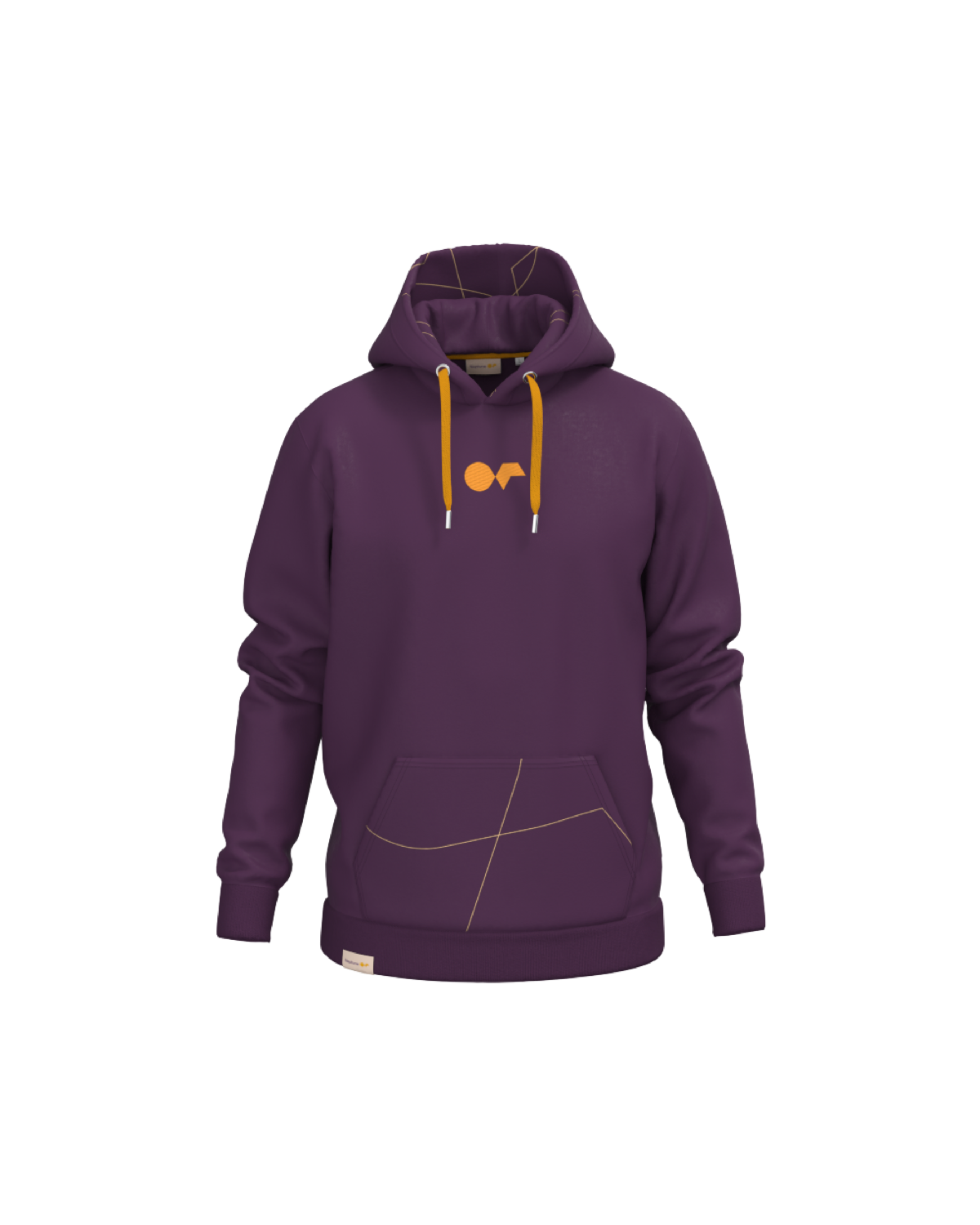
A heavyweight branded hoodie reads as a genuine gift rather than a token, and it's the kind of item employees actually keep wearing well after Diwali or the year-end party.
- Material: Heavyweight cotton-blend fleece
- Branding: Embroidery or print on chest/sleeve
- Order: MOQ 100 · from ₹3,809/unit.
2. Sports Socks
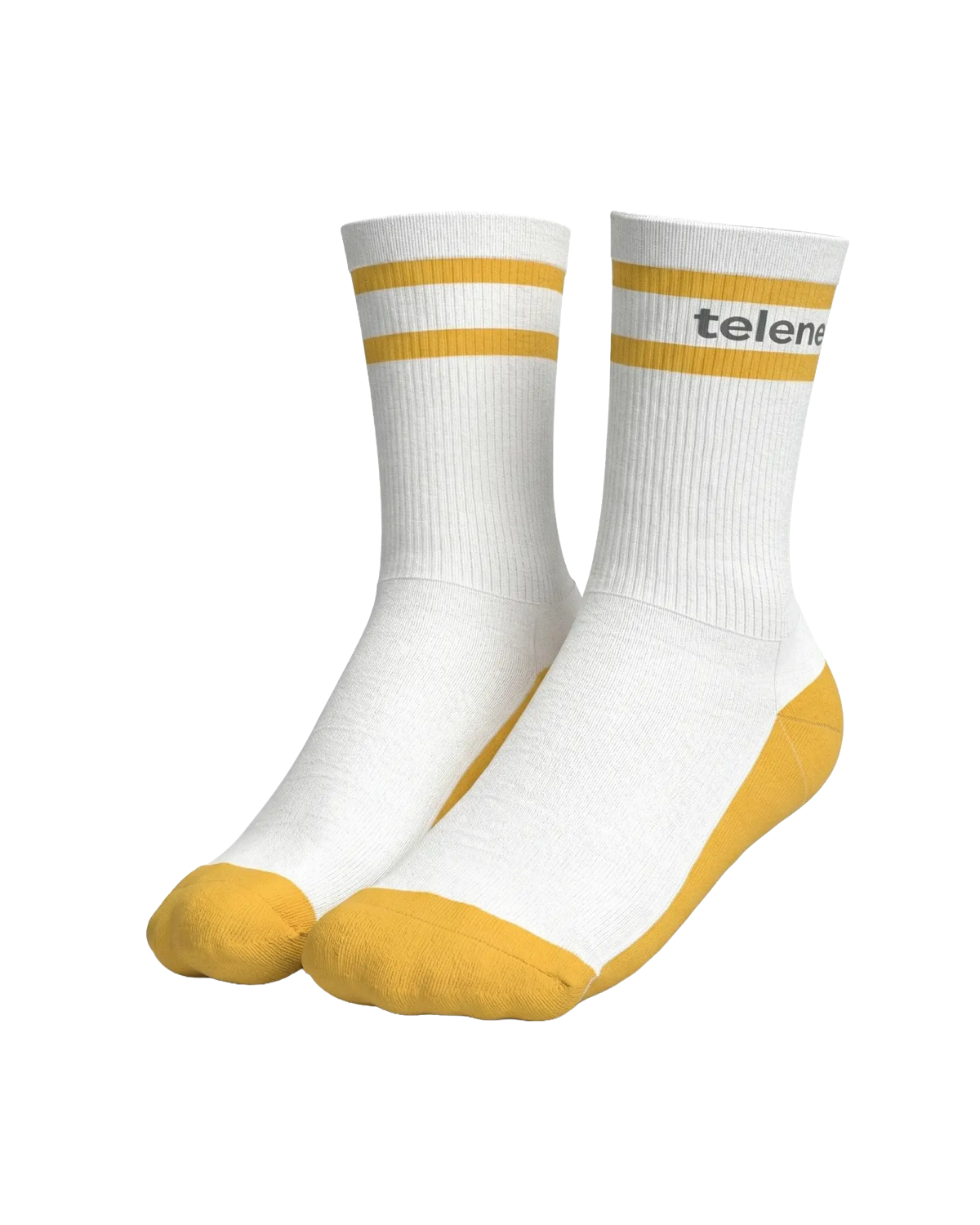
A cheerful, low-cost add-on for a bigger hamper. Useful for topping up a gift bundle without pushing anywhere near the ₹15,000 ceiling.
- Material: Combed cotton blend
- Branding: Woven logo
- Order: MOQ 100 · from ₹380/unit.
3. Recycled Steel Bottle
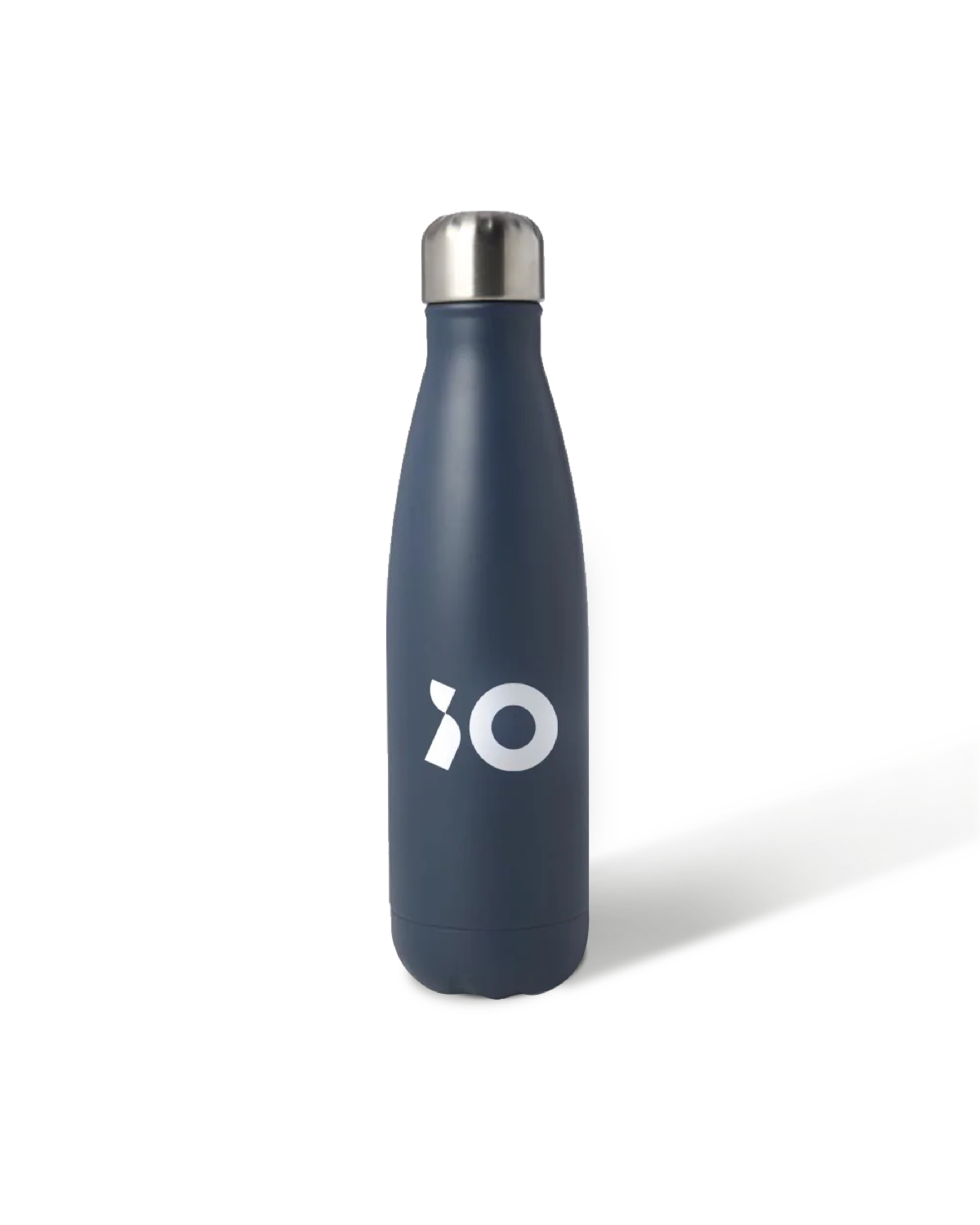
A sustainability-forward pick that works well as a standalone welcome or festival gift, with a price point that leaves plenty of exemption headroom for later in the year.
- Material: Recycled stainless steel
- Branding: Laser engraving
- Order: MOQ 50 · from ₹1,045/unit.
4. A5 Notebook
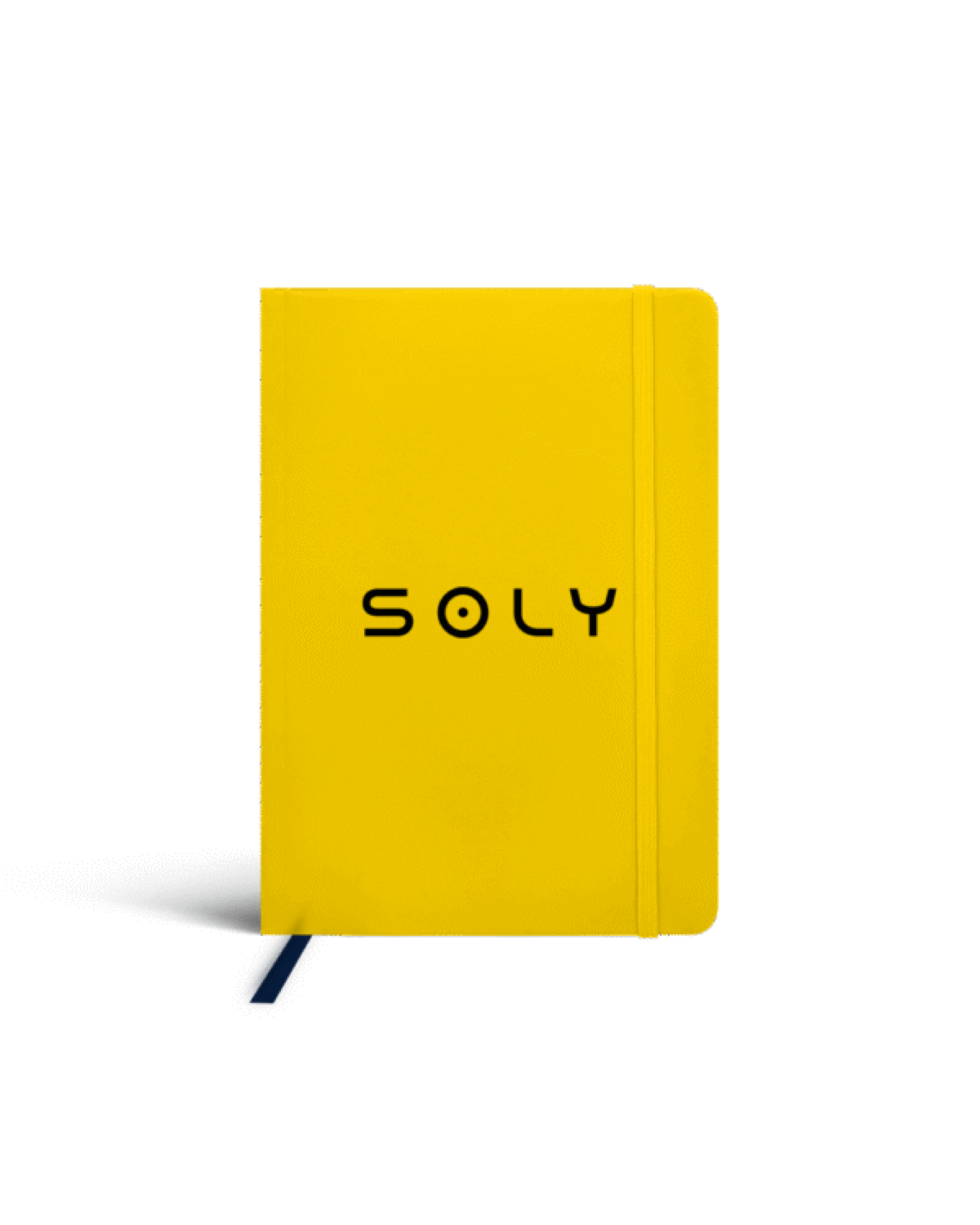
An everyday-useful, budget-friendly item that pairs naturally with a pen or mug without getting close to the exemption limit.
- Material: Recycled paper, hardcover
- Branding: Debossed logo
- Order: MOQ 100 · from ₹435/unit.
5. Premium Tote Bag
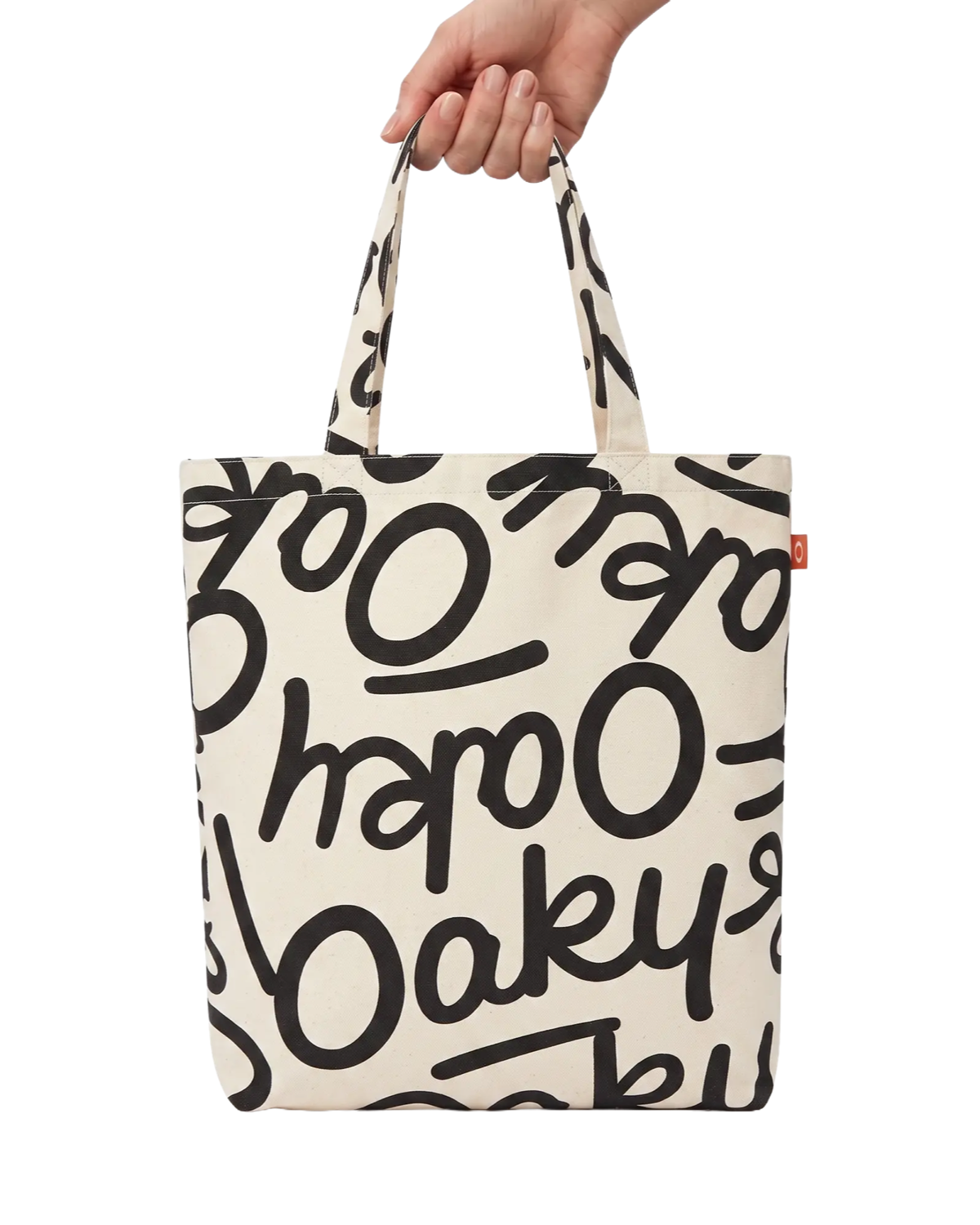
A practical carry-all that works as the "container" for a bundled hamper, or as a light standalone gift for a wider distribution list.
- Material: Heavyweight canvas
- Branding: Screen print
- Order: MOQ 100 · from ₹612/unit.
6. Knitted Scarf
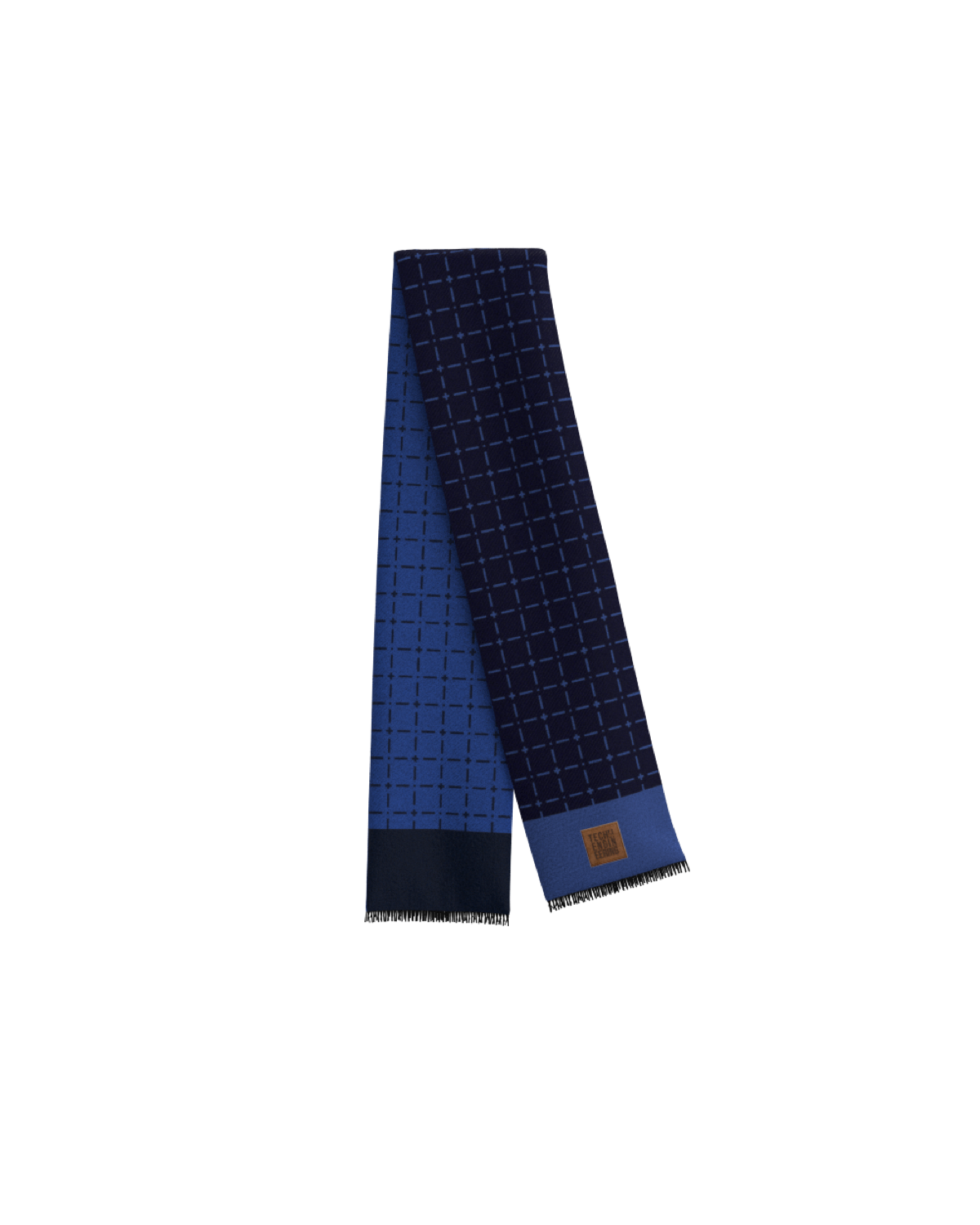
A seasonal, higher-perceived-value gift that still sits well under the threshold even when paired with a smaller accessory.
- Material: Acrylic knit
- Branding: Woven label
- Order: MOQ 100 · from ₹728/unit.
7. Baseball Cap
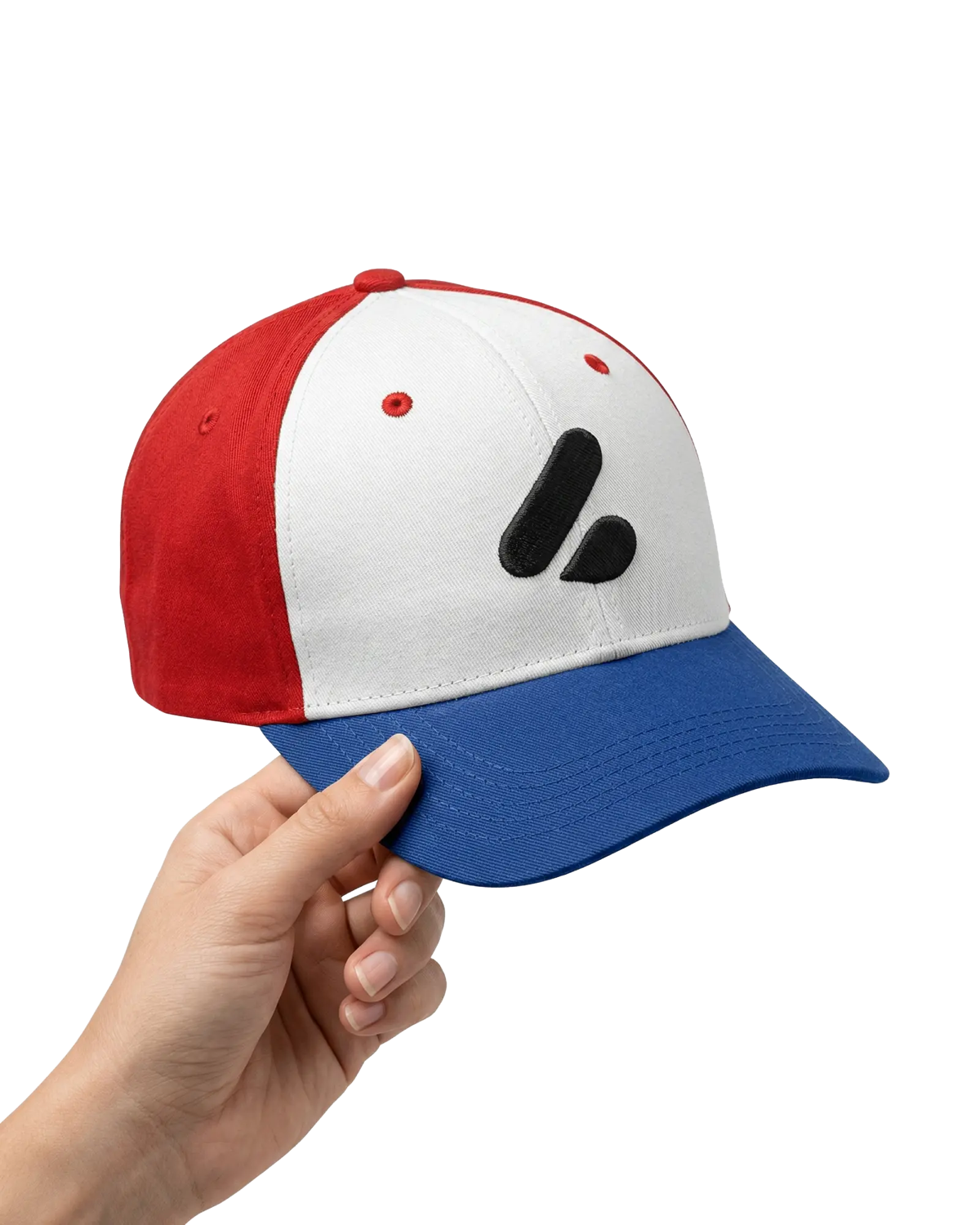
A classic, wearable gift that's easy to combine with apparel or drinkware while staying well inside the exemption.
- Material: Cotton twill
- Branding: Embroidery
- Order: MOQ 100 · from ₹792/unit.
8. Espresso Mug

A desk-friendly daily-use item, ideal for smaller MOQ teams and easy to bundle into a coffee-and-notebook hamper.
- Material: Ceramic
- Branding: Full-colour print
- Order: MOQ 108 · from ₹802/unit.
9. Bamboo Tea Bottle
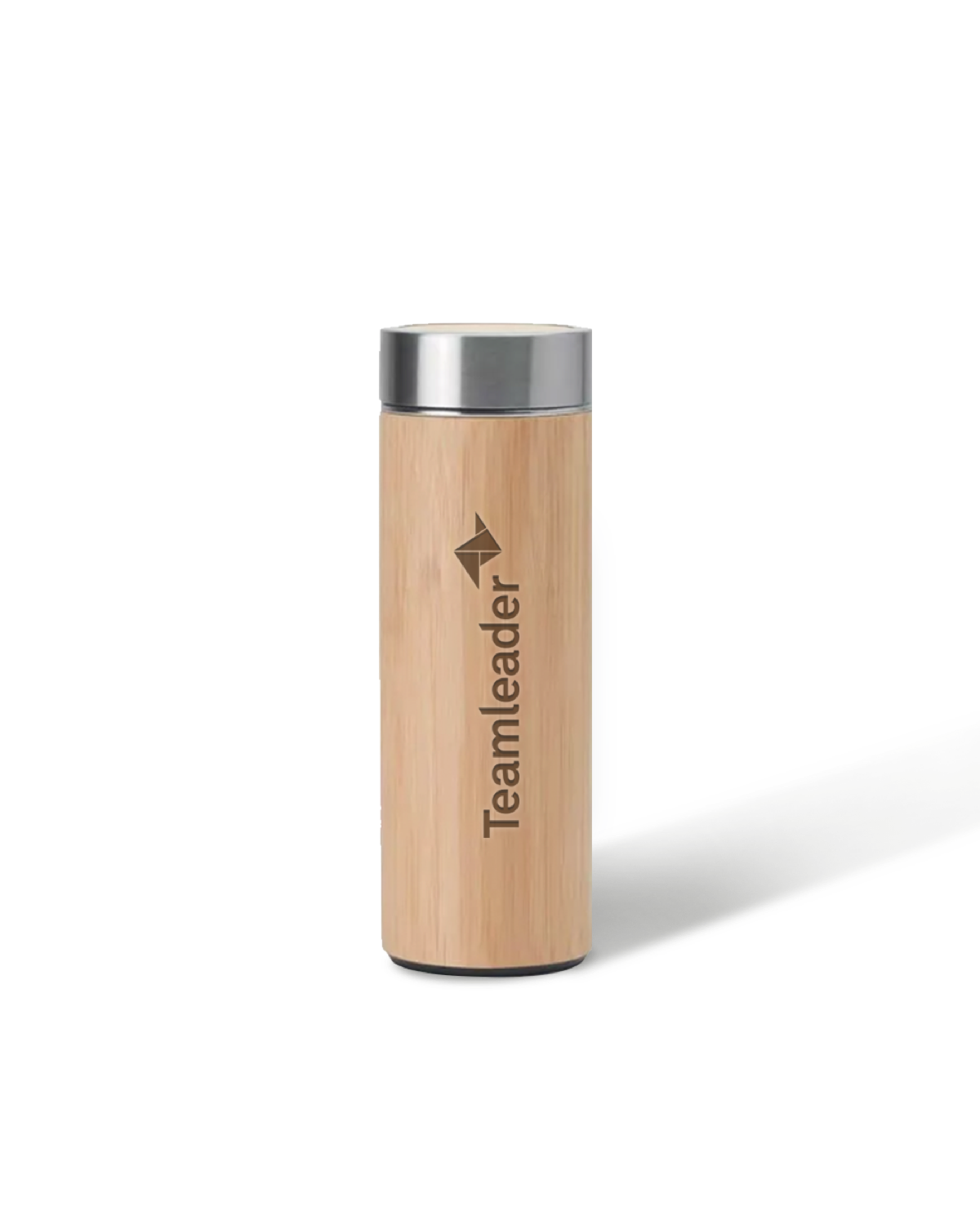
A distinctive, higher-value standalone gift for a smaller list, such as team leads or long-tenure staff, while still comfortably clearing the ₹15,000 exemption on its own.
- Material: Bamboo and stainless steel
- Branding: Laser engraving
- Order: MOQ 50 · from ₹1,777/unit.
10. RollTop Backpack
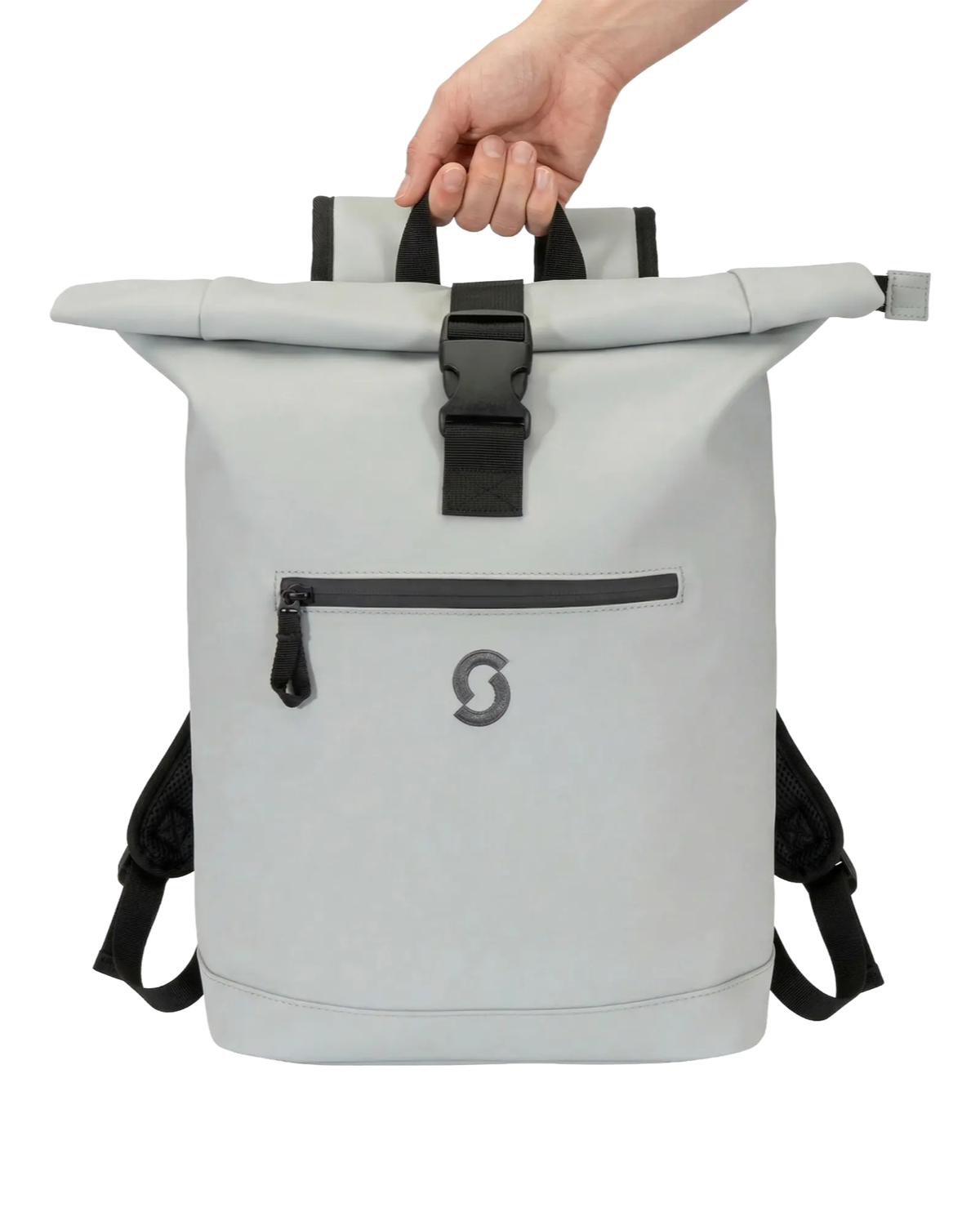
A premium, high-visibility gift for milestone anniversaries or top performers. At this price it should usually be the only non-cash gift that employee receives that year, to stay clear of the cliff-edge.
- Material: Water-resistant recycled polyester
- Branding: Debossed patch
- Order: MOQ 25 · from ₹2,334/unit.
11. Noise-Cancelling Headphones
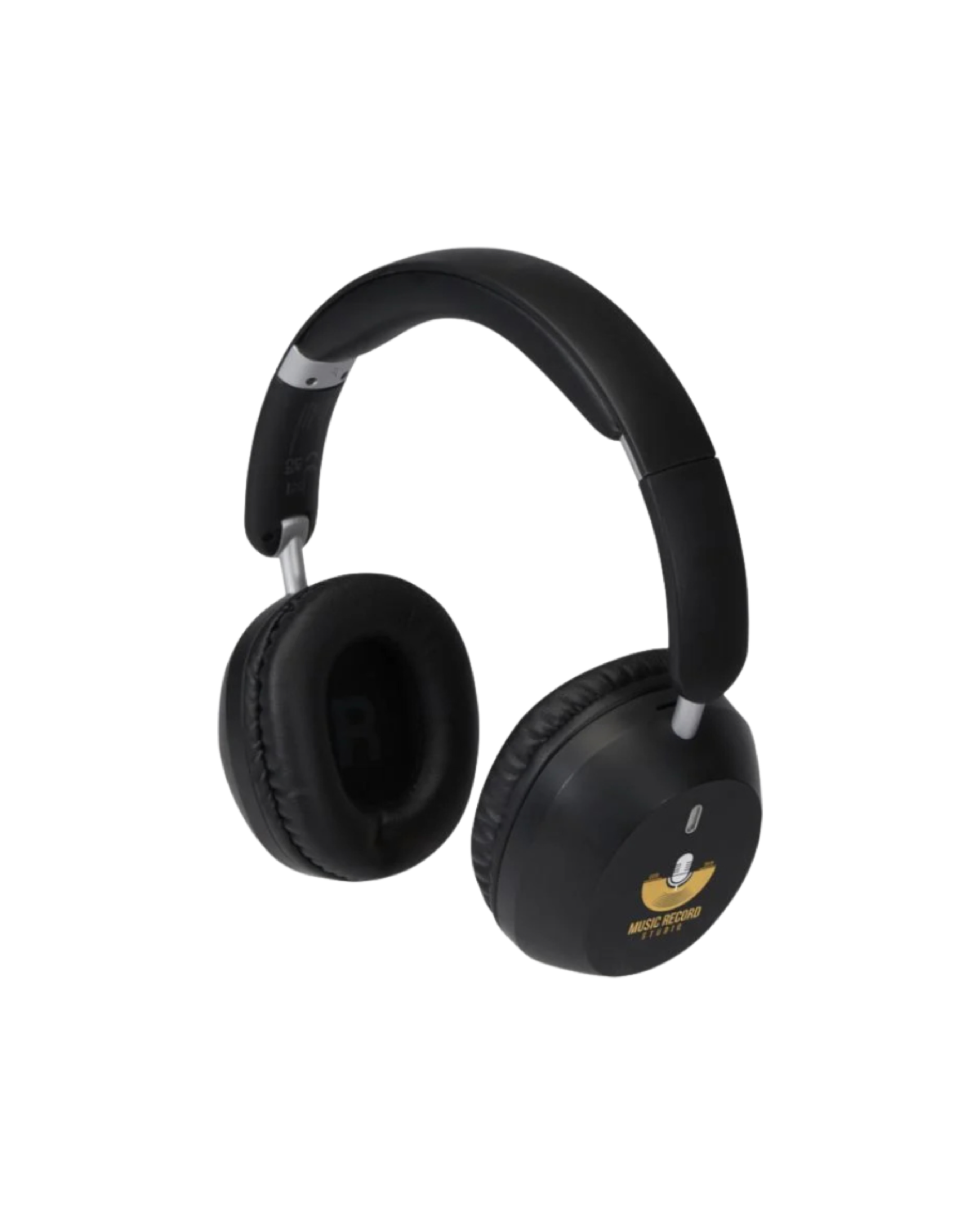
A tech gift with strong perceived value for a flagship recognition moment. Track it carefully against any other non-cash gifts given to the same employee that year.
- Material: ABS plastic, cushioned ear cups
- Branding: Laser engraving on casing
- Order: MOQ 50 · from ₹2,324/unit.
View noise-cancelling headphones →
12. Wireless Powerbank
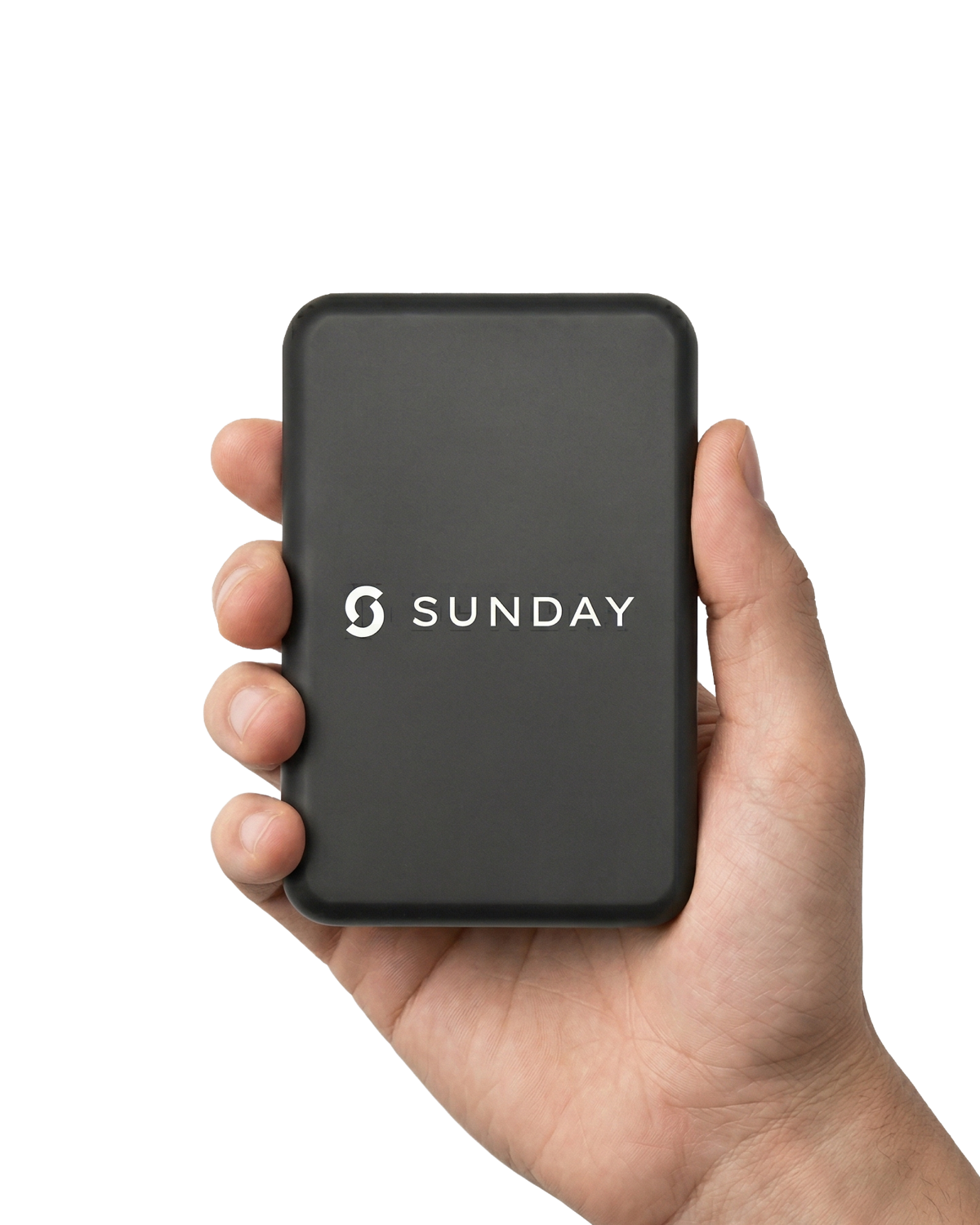
A practical, high-utility tech gift that works well as a standalone item for a broader employee list without eating too far into the ₹15,000 allowance.
- Material: Aluminium and ABS
- Branding: Laser engraving
- Order: MOQ 50 · from ₹1,747/unit.
What about client gifts?
Client and business-partner gifts are governed by a completely different set of rules than employee gifts. There is no fixed monetary limit for income-tax deductibility on business gifts. Instead, deductibility is judged under the general "wholly and exclusively for business purposes" test (the Section 37(1)-equivalent standard under the new Act): if the gift is a genuine, reasonable business expense aimed at maintaining or generating business, it's deductible, regardless of its exact value.
Separately, a 10% TDS (tax deducted at source) applies to business gifts and perquisites once the aggregate value given to a single recipient in a financial year reaches ₹20,000 (the Section 194R-equivalent rule). This is a different rule from the employee ₹15,000 exemption: it applies to business-relationship gifts, to clients, vendors, professionals, and similar recipients, not to employees, and it's a withholding obligation on the giver rather than an exemption threshold for the recipient.
GST: two separate rules, don't confuse them
Two distinct GST provisions apply to gifting, and it's easy to mix them up.
Input tax credit (ITC) is blocked on all gifts, full stop. This is a blanket denial under the Section 17(5)(h)-equivalent provision of the CGST Act: it applies regardless of who receives the gift, employee or client, and regardless of the gift's value. There is no threshold here. If you paid GST when buying a gift, you cannot reclaim it as input credit, ever.
Separately, there's a ₹50,000-a-year threshold under Schedule I, but this rule applies only to employer-to-employee gifts. It determines a different question entirely: whether the gift itself counts as a taxable "deemed supply", meaning the employer would need to charge output GST on it as though it were a sale. This threshold does not apply to client or business-partner gifts at all, since clients and business partners aren't "related persons" under GST law the way employees are. Don't conflate the two: the ₹50,000 rule decides whether the employer owes output GST on an employee gift; the ITC block decides whether any GST already paid on any gift, to anyone, can be reclaimed. They answer different questions.
Common mistakes
- Assuming cash gifts get the same ₹15,000 exemption as non-cash gifts. They never do. The ₹15,000 allowance covers only non-cash gifts, vouchers, and tokens. Cash is fully taxable as salary from the first rupee, with no exemption at all.
- Confusing the ₹50,000 GST employee-gift threshold with a client-gift rule. They're unrelated. The ₹50,000 Schedule I threshold only decides whether an employer owes output GST on a gift to an employee. It has nothing to do with client or business-partner gifts, which are governed by the separate 10% TDS rule at ₹20,000 instead.
- Assuming any GST paid on gift purchases is reclaimable. It never is. Input tax credit on gifts is blocked entirely under Section 17(5)(h)-equivalent rules, regardless of who receives the gift or how much it costs.
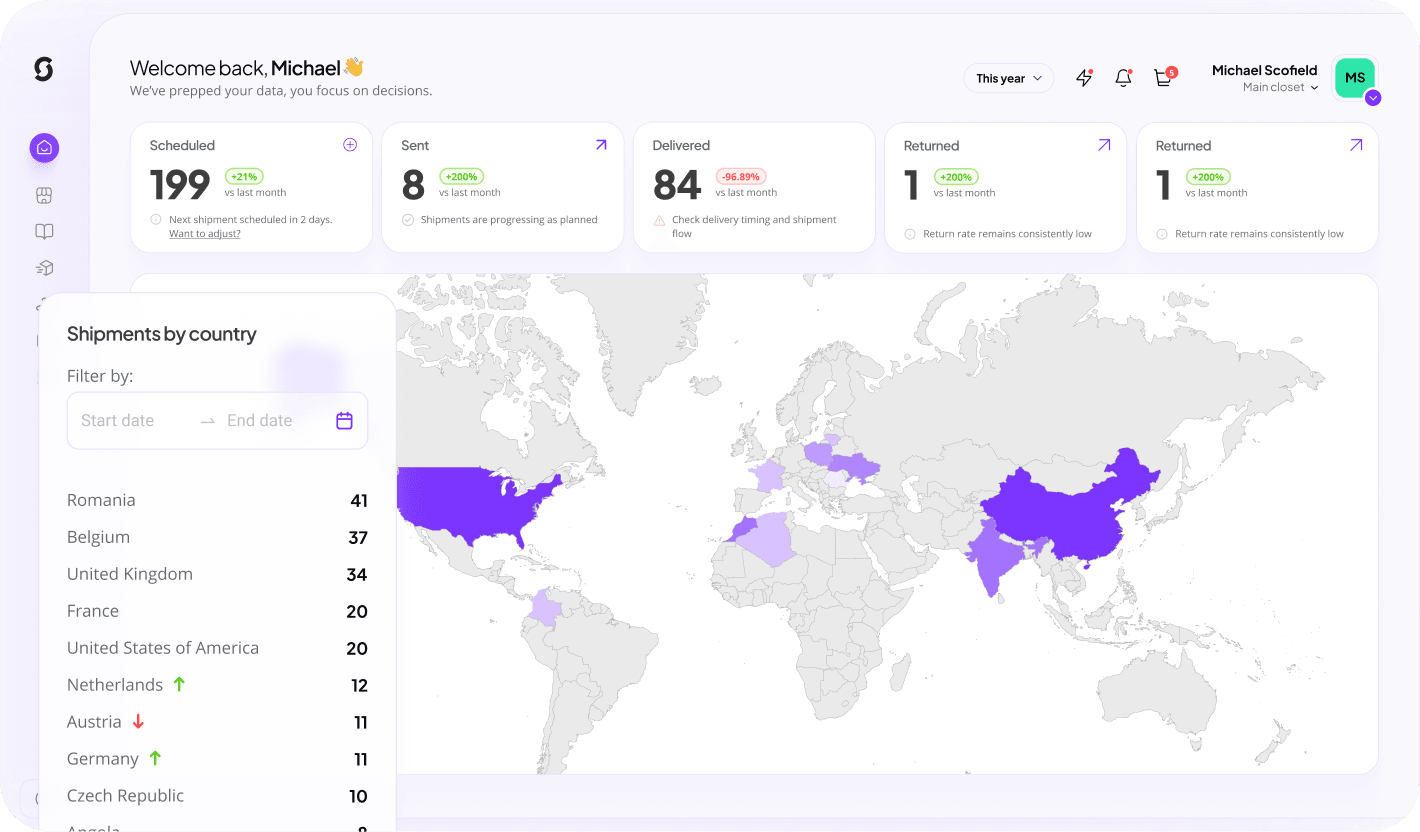
If you're setting up an ongoing employee gifting program rather than a one-off order, Sunday's employee gifting platform handles sourcing, branding, and delivery in one place.
This article is for general informational purposes and reflects the Income-tax Act, 2025 and Income-tax Rules, 2026 as understood at the time of writing. It is not tax or legal advice. Rules, thresholds, and interpretations can change; confirm current figures with a chartered accountant or the Income Tax Department before making gifting decisions.
Looking to build a gifting programme that stays inside the ₹15,000 exemption automatically? Browse Sunday's branded merchandise catalog for India-ready gift ideas at every price point. For how these rules compare across other countries, see our complete guide to employee gift tax rules by country. Sunday also supports enterprise-scale rollouts across multiple countries — see the full Sunday platform for details.