This article is part of our complete guide to branded workwear.
Workwear differs by industry in the pieces, fabric and decoration it needs. Construction and field service call for sturdy trousers, softshells and jackets. Logistics needs hard-wearing clothing for long shifts. Hospitality needs aprons and shirts that survive hot washes. Retail needs recognizable polos in brand colors. Healthcare needs hygienic clothing that gets washed often. Embroidery survives washing the best.
The question "which workwear do we need" has no single answer. It has an answer per industry. The building blocks are always the same: polos, T-shirts, business shirts, softshells, work jackets, quilted jackets, trousers, aprons and sweaters. What differs is the combination, the fabric, and how you apply the logo.
A note up front. This guide covers non-certified, branded workwear: clothing where brand experience, comfort, washability and presentation are the priorities. Where formal safety standards apply, such as mandatory hi-vis, reflective elements or EN ISO 20471, you need certified safety wear. That's a separate category with its own buyers and specifications, and not what Sunday supplies.
Workwear by industry, piece by piece
-
1
Construction workwear
Which pieces. Sturdy work trousers, T-shirts and polos as a base layer, sweaters or hoodies as a mid layer, softshells and work jackets as an outer layer. In colder months, add a quilted jacket. Reflective details where visibility helps, without any certification attached.
Which decoration. Embroidery on chest and sleeve, since construction workwear is used hard and washed often. Sewn-on patches work well for a company name on the back. Print only if it's a quality print that can handle repeated washing.
What to watch for. This is the sector where the dividing line is sharpest. Once formal safety standards apply, you need certified safety wear: hi-vis, reflective elements, steel toecaps, EN ISO 20471. Everything outside that, from the company polo to the site manager's softshell, is regular branded workwear. Beyond that, watch for seam strength, sturdy hardware and fabric that doesn't lose shape after ten washes.
-
2
Logistics workwear
Which pieces. Comfortable T-shirts and polos for long shifts, sweaters for cold warehouses, softshells and bodywarmers for people who move between indoors and outdoors. Trousers with usable pockets. For teams working the loading dock, a warm jacket that moves with them.
Which decoration. Clear, visible branding: a chest logo plus a larger back logo, so people on the floor instantly see who belongs to which team. Embroidery on the chest, a durable print or patch on the back.
What to watch for. Durability and breathability. People move all day, lift, and shift between temperatures. Choose fabric that handles sweat and keeps its shape after intensive washing. Plan sizing generously too: logistics teams turn over faster than most, so reordering here is routine, not an exception.
-
3
Hospitality workwear
Which pieces. Aprons (bar, kitchen, service), shirts and polos, T-shirts for the kitchen team, a light sweater or vest for terrace service. For hotels, often a more polished set: a business shirt, gilet or an outfit with a uniform character.
Which decoration. Embroidery, and nothing else if you're unsure. Hospitality clothing goes through the washing machine most often and at the highest temperature. An embroidered logo at chest height or on the apron band still looks good years later. Woven labels are a nice detail on aprons.
What to watch for. Hot, industrial washing. Stains come with the territory, so choose color and fabric that can handle it. And think of the guest: hospitality clothing is both a billboard and a workhorse at once. It has to look presentable the moment someone is standing at a table, not just at the start of the shift.
-
4
Retail workwear
Which pieces. Recognizable polos or shirts in brand color, T-shirts for casual store concepts, a sweater or vest for winter, possibly an apron for food retail or a bakery. Retail is the sector where the outfit comes closest to a uniform.
Which decoration. Strong, visible branding is welcome. A chest logo, sleeve logo, or a garment entirely in brand color. The goal is identification: the customer instantly sees who works there and who they can approach.
What to watch for. Two interests sit at the table here. The brand team looks at how it looks, procurement at cost and lifespan. The answer isn't choosing one, it's both: it has to look good and survive daily use. Watch fit too, since store staff are in that outfit all day. See our guide on workwear for women for more on that.
-
5
Field service and technical workwear
Which pieces. Softshells as the workhorse, work trousers with pockets, polos and T-shirts underneath, a quilted jacket for outdoors. This is the classic case of a team that spends the day visiting customers' homes or businesses.
Which decoration. Embroidery on chest and sleeve, plus a clearly legible company name on the back. Your technician is standing at someone's front door: the customer needs to see which company they're from within two seconds.
What to watch for. Trust. In field service and technical roles, the outfit is literally the first impression of your company, often inside someone's home. A tidy, consistent outfit builds trust. A weathered, mismatched one does the opposite. Choose fabric and decoration that still look good after a year.
-
6
Healthcare workwear
Which pieces. Polos and T-shirts that can be washed often and hot, light vests or sweaters, aprons for kitchen and facility staff, comfortable trousers. In healthcare, it's about clothing that's hygienic to maintain while still looking friendly.
Which decoration. Embroidery or woven labels. Anything that can crack or peel at high wash temperatures is out. Keep the logo modest and legible: identification, not an advertising panel.
What to watch for. Wash frequency and wash temperature drive almost everything here. Ask explicitly about the care instructions for both fabric and decoration, and test one set before ordering a full fleet. Watch comfort too: people work long shifts and move a lot, so stretch and breathability matter more than a tailored silhouette.
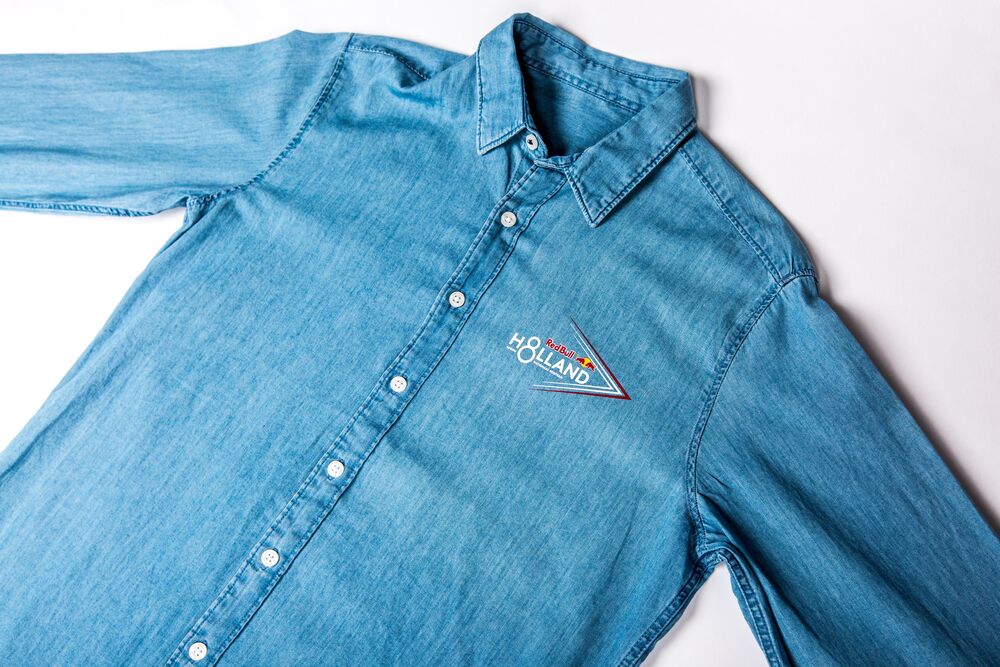
In construction and field service, the dividing line is sharpest: where safety standards apply, certified safety wear is required. The rest of the outfit is regular branded workwear.
Why the industry determines the decoration
Most companies pick a garment first and think about the logo afterward. That's the wrong order. In a sector where clothing is washed at 60 degrees daily, the decoration determines whether the outfit still looks like an outfit a year from now, or like a pile of faded shirts.
Embroidery is the strongest choice for workwear, because the logo is stitched into the fabric and can't wash out. Sewn-on patches and woven labels are durable and add a polished detail. High-quality screen printing and durable transfers work well too, as long as they're chosen for repeated washing rather than how they look on day one. A poor print that cracks, fades or peels is the fastest way to make a good outfit look cheap. The full trade-off is covered in embroidery versus printing on workwear.
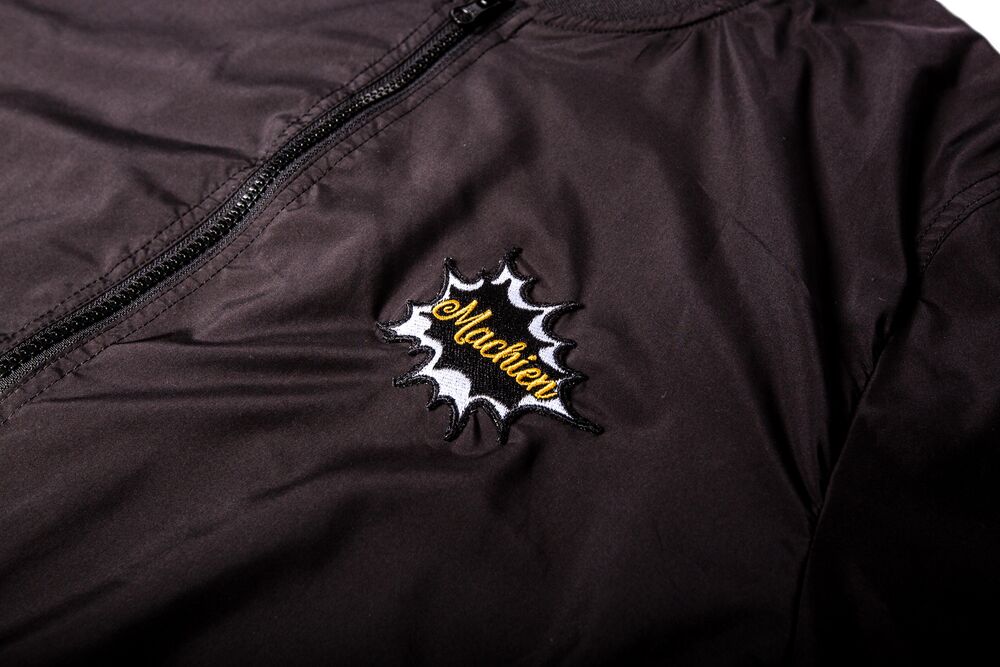
In logistics, recognition on the floor matters: a chest logo plus a larger back logo instantly shows who belongs to which team.
Hospitality is the toughest test
Want to know if a supplier understands workwear? Ask about hospitality. Everything comes together there: high wash frequency, high wash temperature, stains, kitchen heat, and at the same time a guest looking at the outfit from half a meter away. Clothing that survives that survives everything else too.
In practice that means: choose an apron with sturdy straps and seams, a polo or shirt in a colorfast fabric, and decoration that doesn't react to heat. Calculate cost over lifespan, not per piece. An apron that lasts twice as long and still looks good the whole time is cheaper per day worn than the cheap alternative you replace every season.

Hospitality is the toughest test for workwear: hot washing, stains, and a guest watching up close. Whatever survives that survives the rest too.
The sectors side by side
| Sector | Core pieces | Decoration | Main thing to watch |
|---|---|---|---|
| Construction | Work trousers, polo, softshell, work jacket | Embroidery, patch on the back | Draw a sharp line on certification |
| Logistics | T-shirt, polo, sweater, bodywarmer | Chest plus back logo | Durability and reordering |
| Hospitality | Apron, shirt, polo | Embroidery, woven label | Hot, frequent washing |
| Retail | Polo or shirt in brand color, sweater | Visible branding, brand color | Look and lifespan at once |
| Field service | Softshell, work trousers, polo, jacket | Embroidery plus legible company name | First impression at the customer's door |
| Healthcare | Polo, T-shirt, vest, apron | Embroidery, woven label | Wash temperature and comfort |
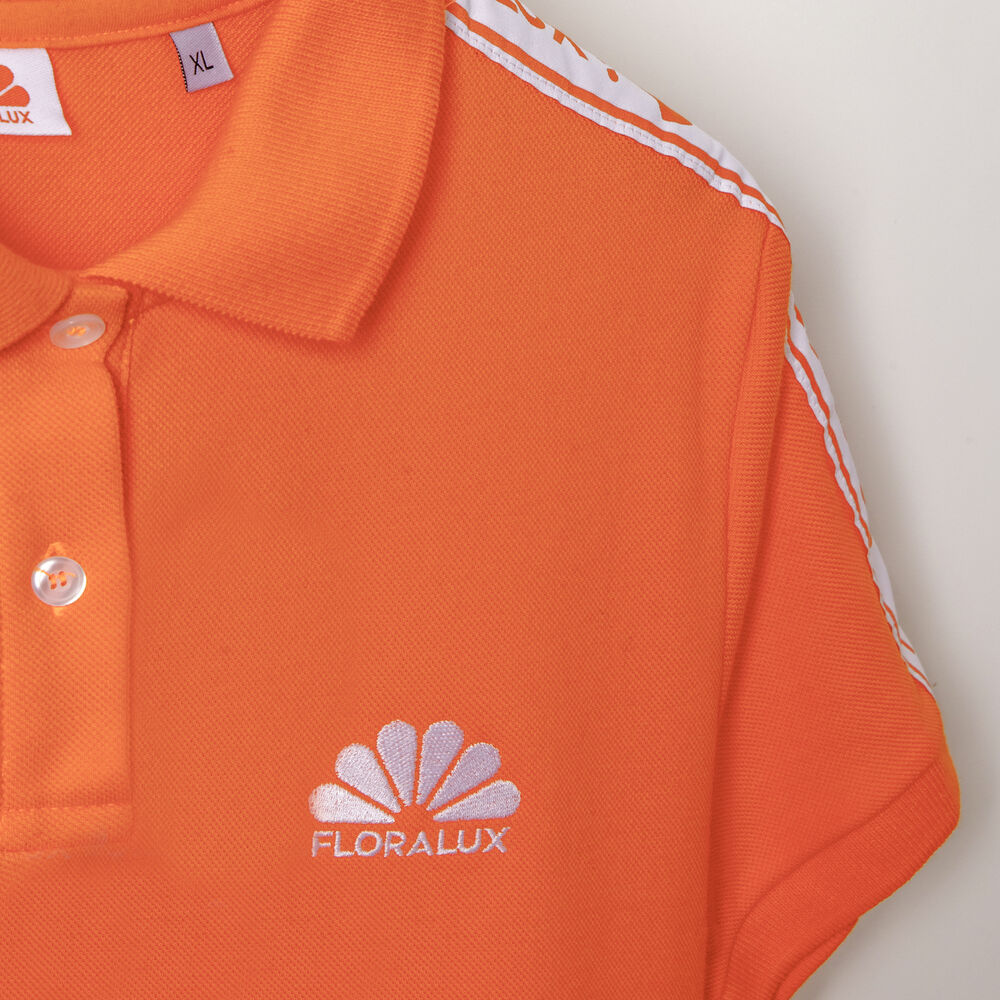
In retail, workwear comes closest to a uniform: recognizable clothing in brand color so customers instantly know who to approach.
Quantities by industry: custom-made or printed stock
The industry also determines your ordering route. A hospitality business with forty aprons doesn't need a custom-developed garment, it picks existing garments and adds branding. A retail chain or field service network with hundreds of people and a long-term view wants its own colors, its own cut, and a wardrobe that lasts for years.
The numbers to remember: fully custom-made workwear starts around 500 pieces, and once that development work is done, you reorder from around 100 pieces. Reorders are therefore smaller and easier than the first order. More on pricing drivers and minimum quantities is in the guide on quantities and pricing and in the buyer's guide to workwear.
Workwear by industry with Sunday
Sunday is merch infrastructure, not a classic supplier. You open a product page and the platform uses your brand data to show design directions with live pricing right away. You see how a branded polo looks in your colors, which decoration can handle washing, and how each choice changes the price.
Want to see your design before you order, use the free polo mockup generator. The full branded workwear range is on the product page, and how it works explains the rest.
If your team isn't in a functional role but you want a voluntary, brand-driven wardrobe people choose for themselves, read our sister guide on branded company apparel. The clothing and the terminology may vary by market, but the product is the same.
About this article
Workwear that fits your industry
Polos, softshells, work jackets and aprons with your logo, built to survive daily use and the washing machine. Made in the EU, with live pricing in 30 seconds.
Get free designs