




A shop that opens on a schedule, not a campaign built in November
Sunday runs a branded merchandise programme for PGS Group, a wooden packaging manufacturer with 900+ employees, 40+ sites and operations in nine countries. Every employee gets an annual coin balance, earns more through challenges, and spends it when the shop opens roughly four times a year. December is one of those windows. Most companies build a Christmas gift campaign in November; PGS does not have one. It has a shop that opens on a schedule, a coin balance every employee already holds, and a December window that needs almost nothing built for it.
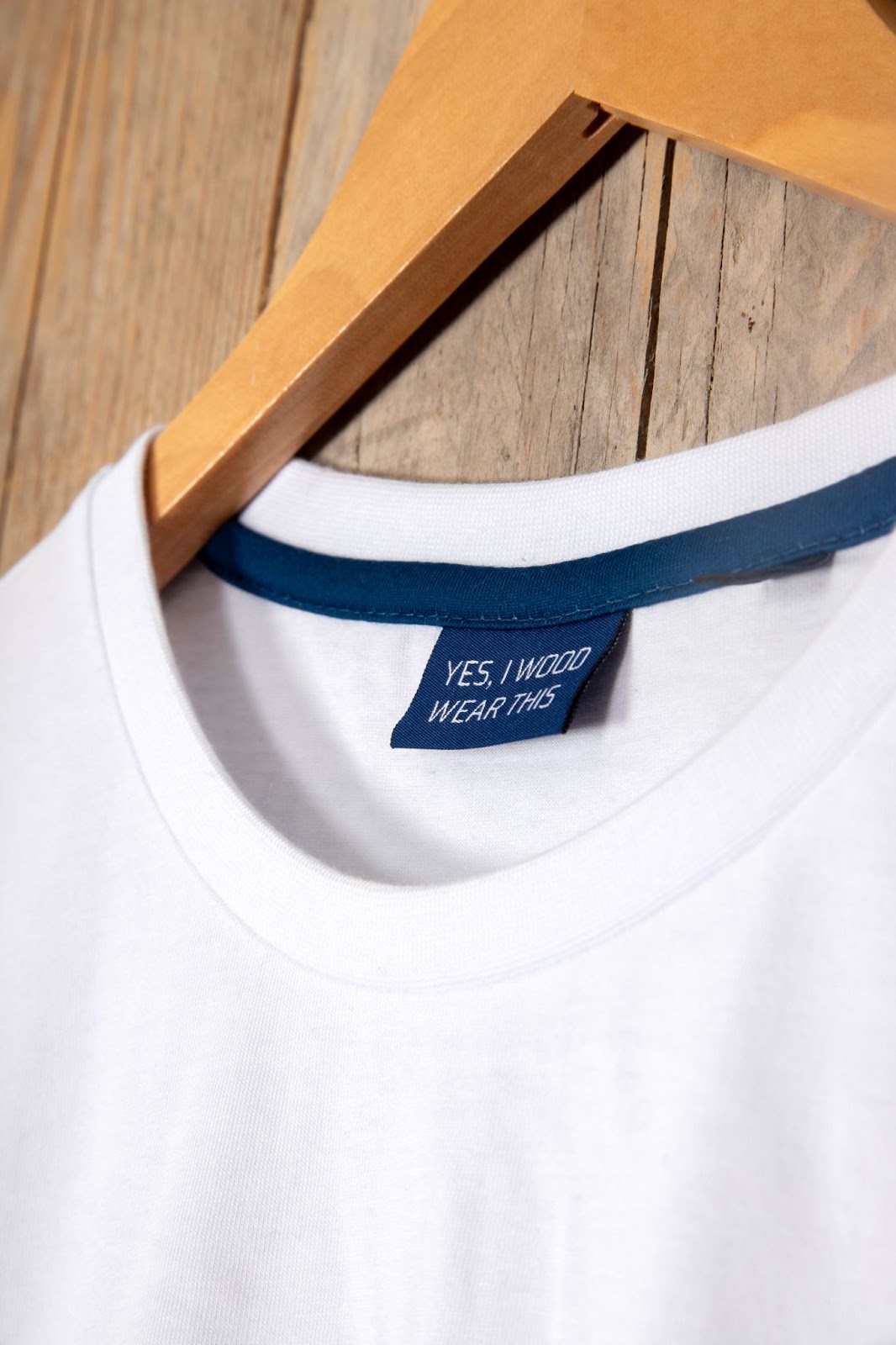
Who PGS Group is
PGS Group operates in the wooden packaging industry, with more than 30 years as a logistics partner. The group employs 900+ people across more than 40 sites in nine countries: France, Belgium, Germany, Spain, the Netherlands, Ukraine, Latvia, Morocco and the United States. That footprint sets the problem. A workforce spread over 40 industrial sites is not one you reach with a December email and a pallet of identical boxes at head office. Earlier merchandise initiatives at PGS reached HQ employees only — the people running production in Morocco, Latvia or Ukraine were structurally excluded from anything organised centrally.
Why the December scramble is the wrong shape
The standard corporate Christmas gift is a project with a hard deadline and no reusable parts. Someone picks an item in September and commits to a quantity before knowing demand; sizes get guessed; a budget gets approved late, so production runs hot; boxes ship to a few central locations and someone redistributes them; and in January the leftovers go into a storeroom, to be rebuilt from scratch eleven months later. The cost is not the merchandise — it is that nothing compounds. PGS inverted it: the infrastructure is permanent, and the campaign is just a date on which it opens.
The four mechanics worth copying
1. A standing balance, not a December budget. Every employee holds a coin balance, and PGS sets the annual allocation in advance, so the company knows its total merchandise spend for the year before a single item is ordered. Because the balance persists between openings, employees make a real choice: spend now, or save for the next window when new items land.
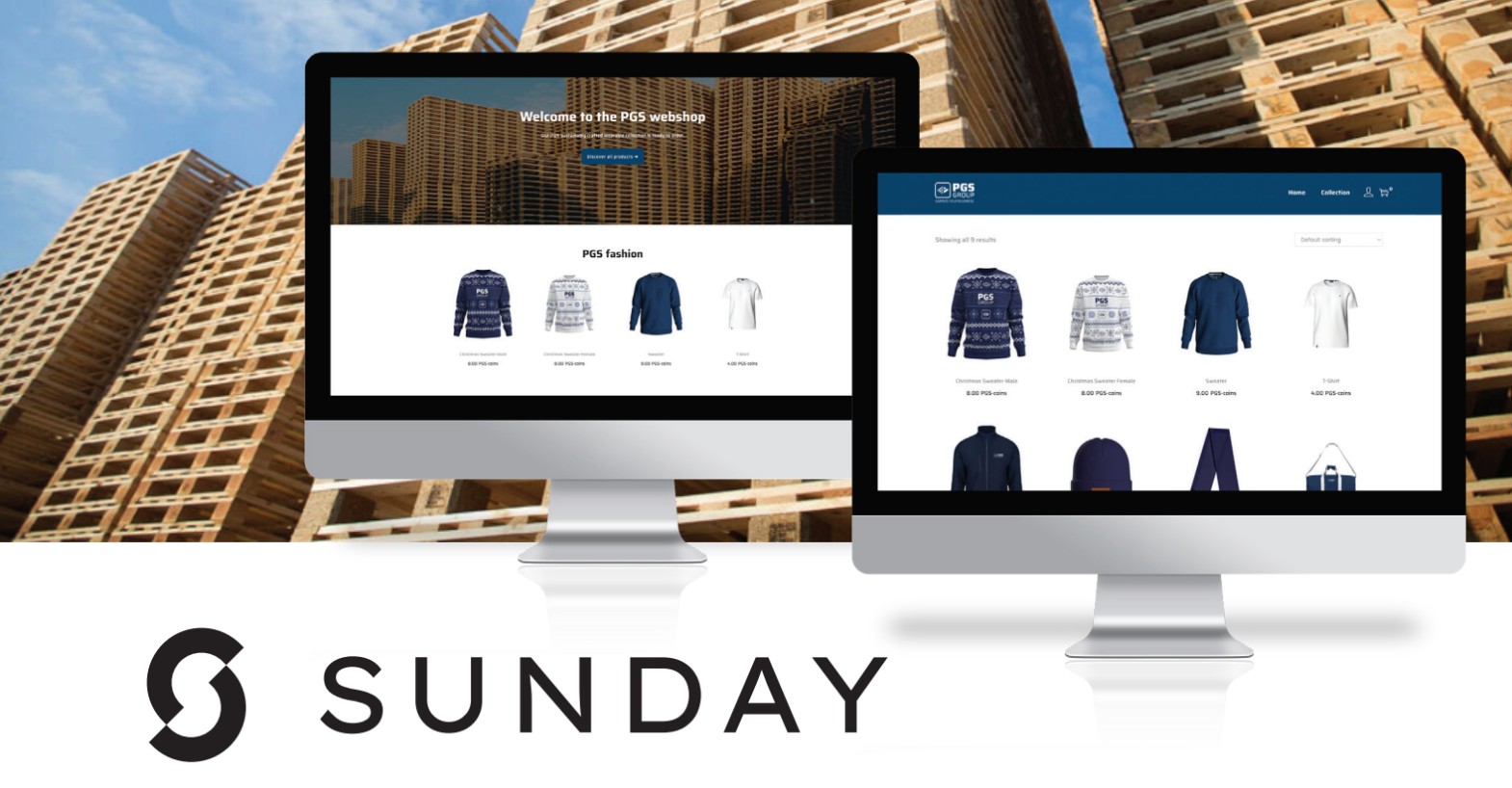
2. Challenges turn a budget line into participation. The balance is a floor, not a ceiling. Employees earn extra coins by joining a company Strava club (a sport challenge pays 5 coins), submitting creative photos with PGS products (2 coins), and completing their profile in the internal directory (2 coins). PGS also grants coins directly from the back end — for social content, for organising events, and for sites that go a full year without an accident. A coin is a currency the company can attach to any behaviour it wants to encourage.
3. The shop opens on a schedule, and December is one window. The shop runs in windows, roughly four a year, and sits closed in between. Orders concentrate into a known period, so production runs against real demand rather than a forecast, and shipping consolidates into one bulk movement per site. For the December window specifically, nothing has to be built — opening the Christmas window is a scheduling decision, not a project.

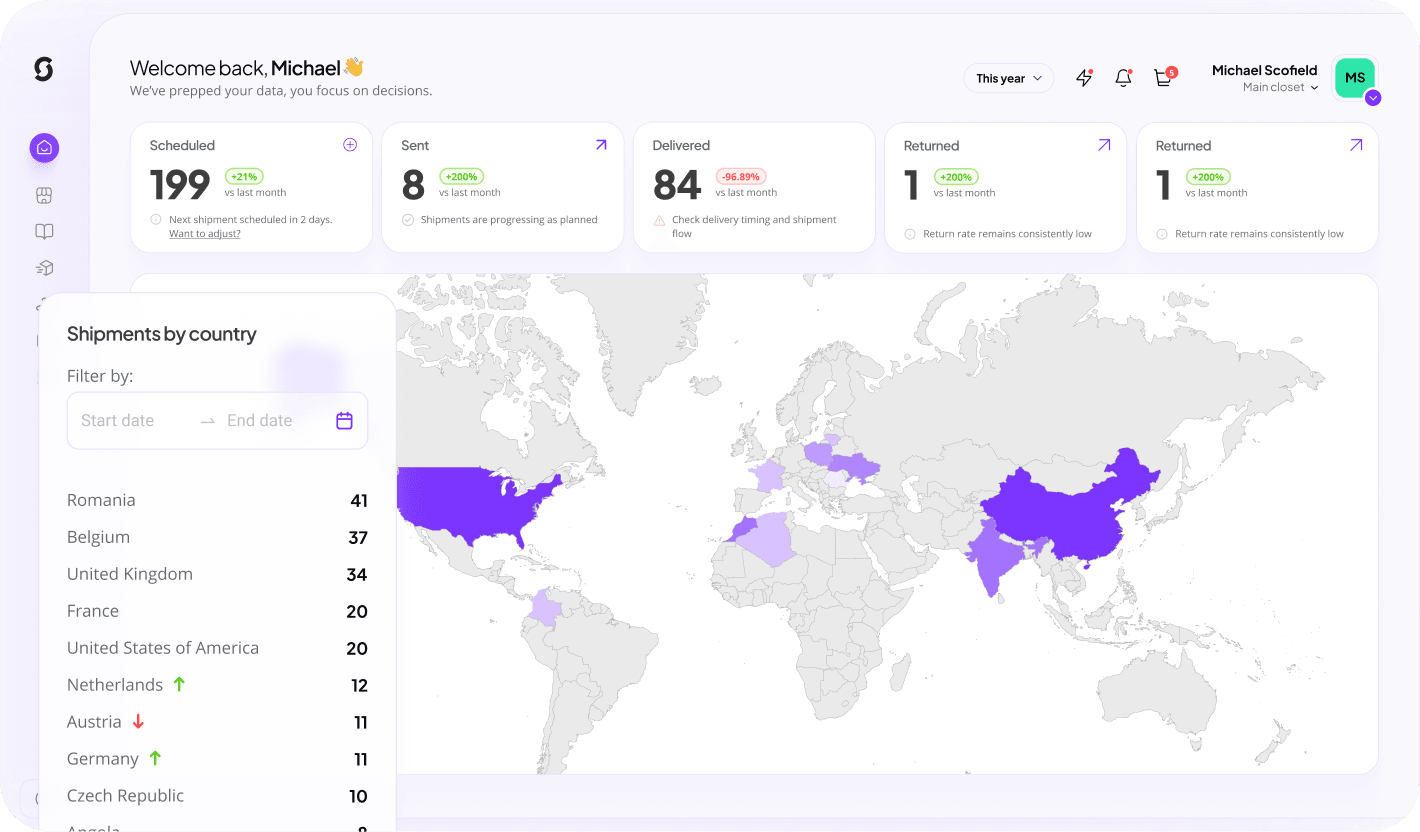
4. Delivery to the site, not the doorstep. At checkout, employees pick their PGS site rather than entering a home address, and orders consolidate per location and ship in bulk. One bulk shipment to 40 locations costs a fraction of 900 individual parcels to nine countries, and it removes home-address collection entirely. The balance is enforced at checkout: if an employee's coins do not cover the basket, the order does not go through and the shop points them at the challenges page. Overspend cannot happen.
What the numbers show
Employees redeemed 2,447 coins in the last full year. Orders averaged around 9 coins each last year and about 7.6 so far this year — and that number is the interesting one. With variable pricing from 2 to 8 coins and a balance that carries over, people do not pick one gift; they build a basket: a towel and a T-shirt, or a softshell on its own after saving two windows. A flat one-coin-per-item model cannot produce that behaviour, and neither can a single company-wide gift. The consistency of the figure across two years suggests it is how the programme is used, not a one-off.
Results
- Merchandise spend known before the year starts — the annual coin allocation multiplied by headcount is the ceiling.
- No excess inventory. Production plans against actual selections from each window, not a forecast.
- Shipping consolidated to 40+ sites — bulk movements per location replace individual parcels to nine countries.
- Every employee included, not just HQ. The programme reaches production sites abroad on the same terms as head office.
- 2,447 coins redeemed last year, around 9 per order — multi-item baskets, not one item per person.
- A December window that needs no build. The Christmas moment reuses infrastructure that is already running.
The programme model suits an industrial workforce; a one-off campaign suits others. See how delaware ran a one-off Christmas campaign behind its own SSO, or how Deel handled global gift distribution to 110+ countries.
Frequently asked questions
How do you give Christmas gifts to employees in multiple countries?
Run a private webshop with a per-employee budget and consolidate delivery by location. PGS Group gives each of its 900+ employees a coin balance, opens the shop around four times a year, and ships in bulk to more than 40 sites across nine countries rather than sending individual parcels.
What is a coin system for employee merchandise?
Each employee receives a fixed number of coins per year and every item in the shop carries a coin price. The company's total spend is the allocation multiplied by headcount, known before the year begins, and employees never see euro prices to compare against each other.
How do employees earn extra merchandise coins?
Through challenges with fixed coin values. At PGS these include a company Strava club with an activity target, a creative photo challenge, and completing a profile in the internal directory. PGS also grants coins directly for organising events, creating social content, or a site reaching a year without an accident.
Should employee gifts ship to home addresses or to the office?
It depends on how the workforce is organised. Site delivery suits industrial and shift-based teams who are at a fixed location daily, and it consolidates shipping cost dramatically. Home delivery suits distributed office or client-facing staff. PGS ships to sites; the employee selects theirs at checkout.
How do you stop employees from overspending a gift budget?
Enforce it at checkout rather than by policy. In the PGS shop an order with an insufficient coin balance is blocked and the employee is pointed to the challenges page to earn more. Overspending is structurally impossible.
How often should an internal merchandise shop be open?
PGS opens roughly four times a year and keeps the shop closed in between. Concentrated ordering windows let production run against real demand and let shipping consolidate into bulk movements per site.
How do you avoid leftover stock on branded merchandise?
Produce after the window closes, against actual orders. Because employees select their own items and sizes during a defined period, PGS and Sunday plan production from real selections instead of a forecast.