
Part of our complete guide to branded workwear.
Ordering workwear in bulk comes down to two routes. Printed stock clothing can be ordered in low quantities and moves fast. Fully custom-made workwear starts around 500 pieces, because there's development work involved. Once that work is done, you can reorder from around 100 pieces. The price is determined by fabric, garment, decoration technique, number of positions, and volume.
Most companies ask about the unit price first. That's the wrong first question. The right first question is: how often am I going to order this? Workwear wears out, employees come and go, sizes run out. Anyone who only budgets for the first order pays the bill two years later.
What's in this article
Two routes, two quantities
There are only two ways to get branded workwear. They differ in quantities, in speed, and in what you end up with.
Printed stock
You choose existing garments from an existing range and add your branding. Low quantities, fast delivery, low risk. This is the route for smaller companies, for a first test, for a limited budget, or for simple use: a retail team that needs polos, a service team that wants softshells.
Fully custom
Your own colors, your own cut, your own construction, your own fabric. This is the route for larger companies with a long-term view. You build an outfit that lasts for years, that no one else has, and that you can reliably reorder. That starts around 500 pieces, because there's development work involved: fabric choice, pattern, sampling, approval.
The crucial detail is in that second number. The 500 pieces is a one-time threshold, not a recurring one. Once development is done, you repeat from around 100 pieces. Reordering is therefore much easier than your first order. That's exactly why it pays to get that first step right.
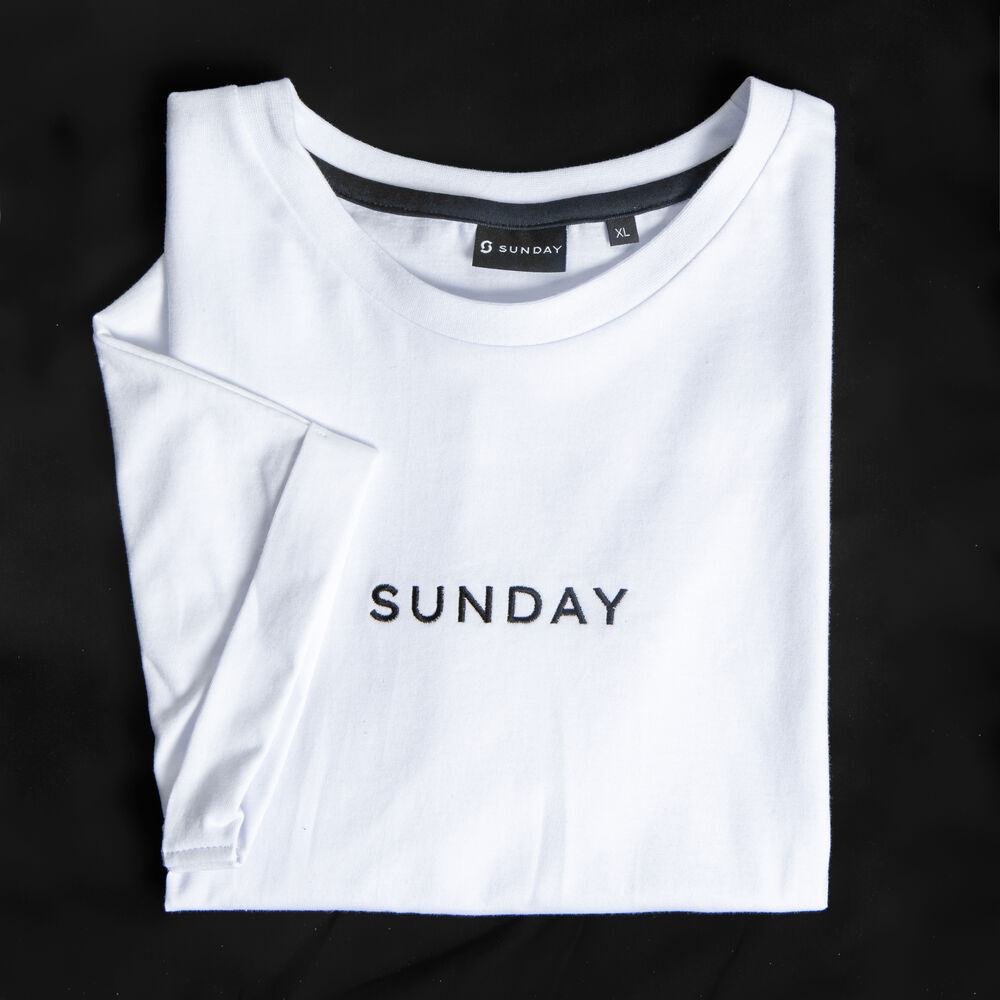
With a bulk order, you're not ordering a single garment but a size breakdown. That breakdown determines whether your team is still fully equipped six months from now.
What actually determines the price
There's no price for "workwear." There's a price for your combination of choices. These are the factors that carry the most weight, roughly in order of impact.
| Price driver | What it does to the price | What to watch for |
|---|---|---|
| Stock or fully custom | The single biggest factor in the final price | Custom costs more upfront but delivers a unique, repeatable outfit |
| The garment | A polo, a softshell, and a padded jacket sit in entirely different price classes | Decide the range first, then the budget |
| Fabric and quality | Heavy, durable fabric costs more per piece | This is not the place to cut costs in workwear. It gets washed often, and hot |
| Decoration technique | Embroidery and screen printing each have their own setup costs and economies of scale | Embroidery survives the wash. Cheap transfers don't |
| Number of branding positions | Chest plus sleeve plus back is three times the work | Every extra position is an extra step, and an extra cost |
| Quantity | Higher volumes push down the unit price, including on decoration | Setup costs get spread over more pieces |
| Logo complexity | More colors or more stitches cost more | A simplified logo version for clothing often saves money |
| Packaging and distribution | Packing per person costs more than bulk per size | Relevant once you're distributing across multiple locations |
Want to know exactly which decoration has which price and lifespan? Read our comparison of embroidery vs printing on workwear. Looking for help choosing the range itself? Start with the workwear buying guide.
Why volume pushes down the unit price
The logic is simple. A large part of the cost is setup cost, and that's largely fixed. You create an embroidery file once. You set up a screen printing frame once. You develop a pattern once.
- Spreading setup costs. At 50 pieces, each garment carries a large share of the setup. At 500 pieces, that share is small.
- Fabric purchasing. Larger volumes mean better fabric buying and less waste.
- Production planning. One large run is more efficient than ten small ones.
- Repeatability. Once the design is fixed, the next order is cheaper to run.
That doesn't mean you should overorder. Too much stock that nobody wears is also money wasted. The art is sizing your first order correctly and then reordering in a structured way.
Lead times per route
Lead time follows the route you choose. There's no magic shortcut.
| Route | What needs to happen | Typical turnaround |
|---|---|---|
| Printed stock | The garment already exists, only the decoration needs to be added | Short. The garment doesn't need to be made |
| Reorder on an existing design | Everything is known, only production and decoration remain | Predictable. This is the easiest order you'll place |
| Fully custom, first order | Fabric choice, pattern, sampling, approval, production | Longest. Plan for this in your timeline |
Plan backward from your deadline. If you want to hit a new season, open a new location, or roll out a rebrand, start the custom route well in advance. The sampling phase is the phase where you can still make adjustments, so you don't want to compress it.
Workwear is a recurring process
This is where most companies go wrong. They treat workwear as a project with an end date. It isn't. It's an operational process that keeps running for as long as your company does.
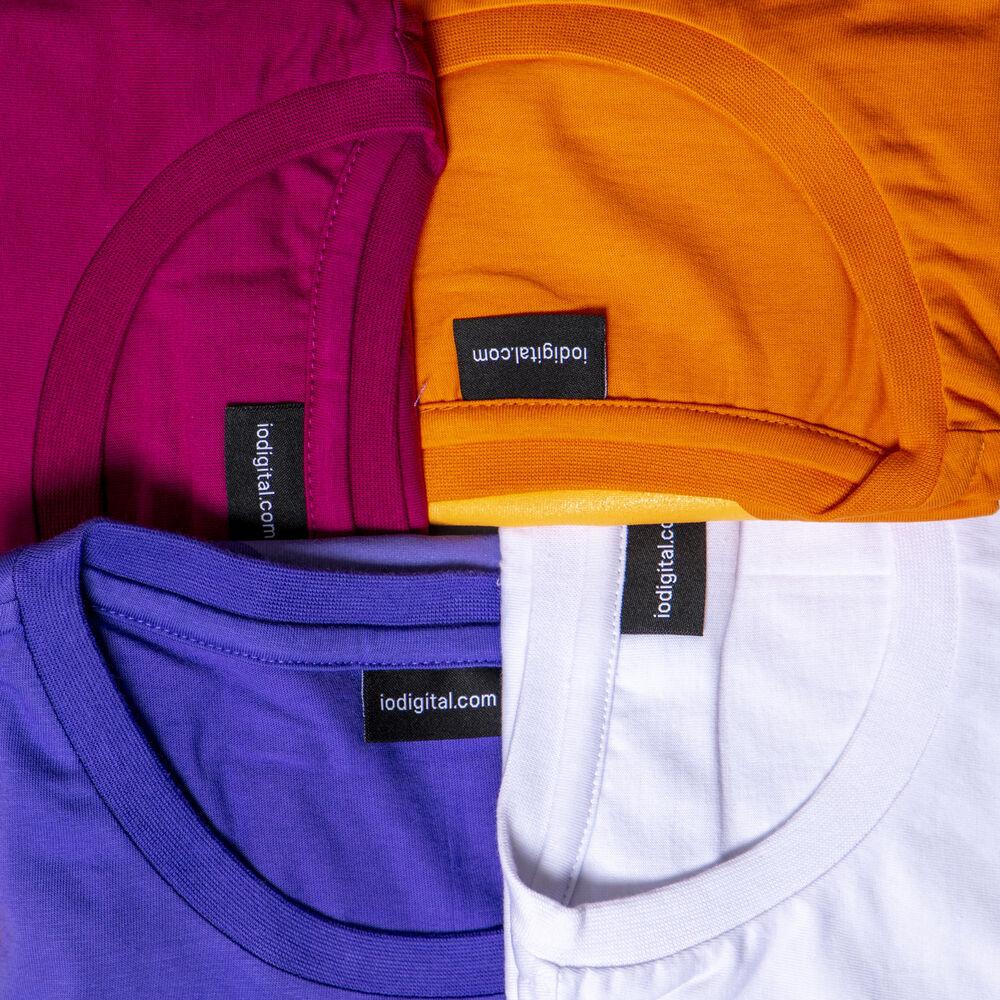
Reordering is the norm, not the exception. Without visibility into live stock and sizes, you get stuck at the very first new hire.
Four things keep you ordering, and they all happen.
- New employees. Someone starts on Monday and needs an outfit on Tuesday. If you only start thinking about sizes and lead times then, it's too late.
- Departing employees. Clothing doesn't always come back, and when it does, it's usually not reusable.
- Sizes running out. There's always one size that runs out first. It's usually exactly the size you need.
- Wear and tear. Workwear gets worn five days a week and washed often. It wears out. That's normal.
What you want to establish in advance: live visibility into stock, minimum reorder quantities, availability per size, lead times for repeat orders, and reproducibility of fabric and garment. That last point matters more than it sounds. If your reorder comes back a different shade of blue than your first order, your team won't look put-together.
Cheap is expensive
The objection we hear most often: "it's just going to get dirty anyway, so we'll just buy cheap clothing."
That reasoning doesn't hold up. Your employees wear this every day while representing your company. Customers, visitors, partners, and colleagues see it. Sloppy, cheap, or inconsistent clothing reflects on your company. And cheap clothing isn't actually cheaper, because you replace it twice as often.
Investing in how your team looks does wonders. For professional image, for employee confidence, for customer trust, for consistency, and for team pride. It doesn't need to be luxurious. It just should never look disposable.
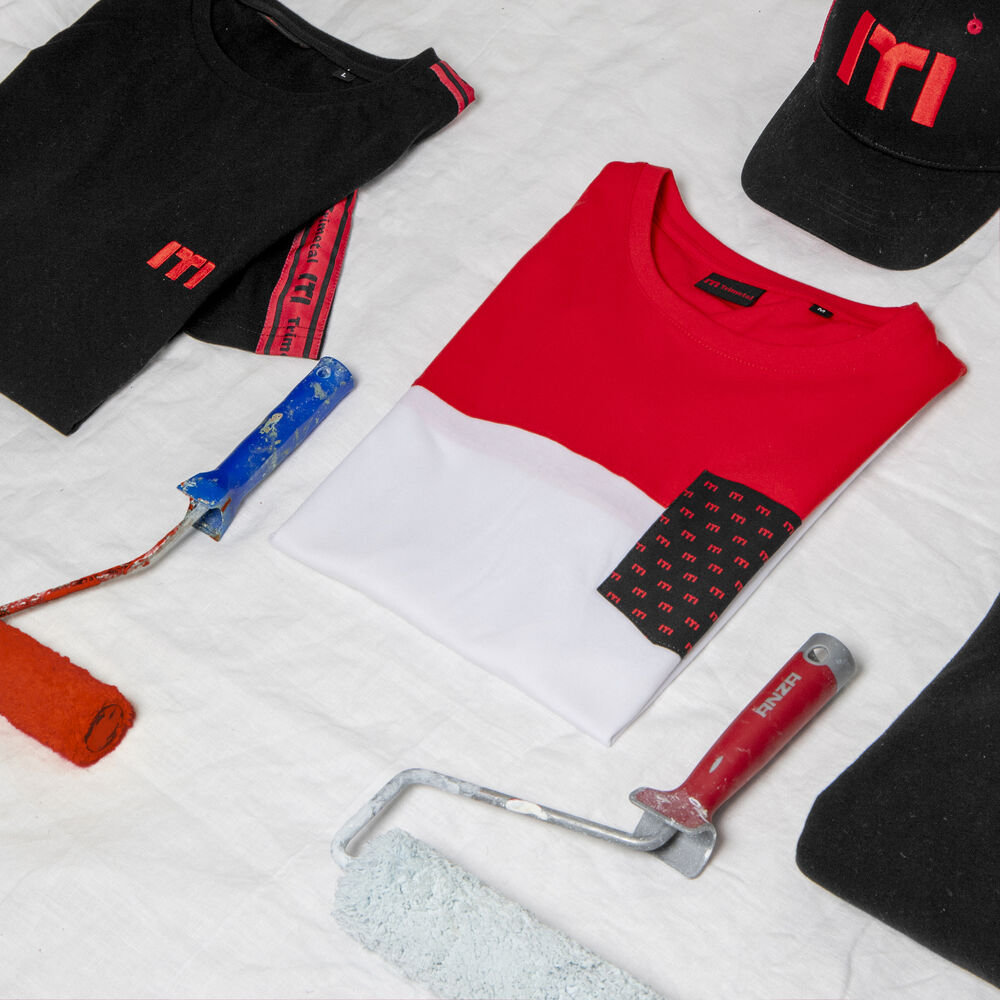
Durability in workwear isn't about labels. It's about clothing that survives the job and a team that never looks disposable.
Ordering workwear with Sunday
Sunday is merch infrastructure, not a classic supplier. You open a product page and the platform uses your brand details to immediately show design directions with live pricing. You see straight away what a quantity, a decoration technique, or an extra logo position does to your unit price. No two-week quote process to find out your budget doesn't work.
The full range of branded workwear is on the product page, from polos to softshells and work jackets. Want to see how your logo lands on the fabric before you lock in quantities? Use the free polo mockup generator.
Please note: Sunday supplies non-certified, branded workwear. Where strict safety standards apply, such as hi-vis and EN ISO 20471, use certified safety clothing. That's a separate field with its own buyers and specifications.
Prefer a voluntary brand wardrobe over a functional outfit? Take a look at branded company apparel. That's a different product, with different logic and different quantities.
About this article
See your unit price before you call
Choose your garment, your quantity, and your decoration. Sunday shows live pricing, so you know exactly where you stand.
Get free designs