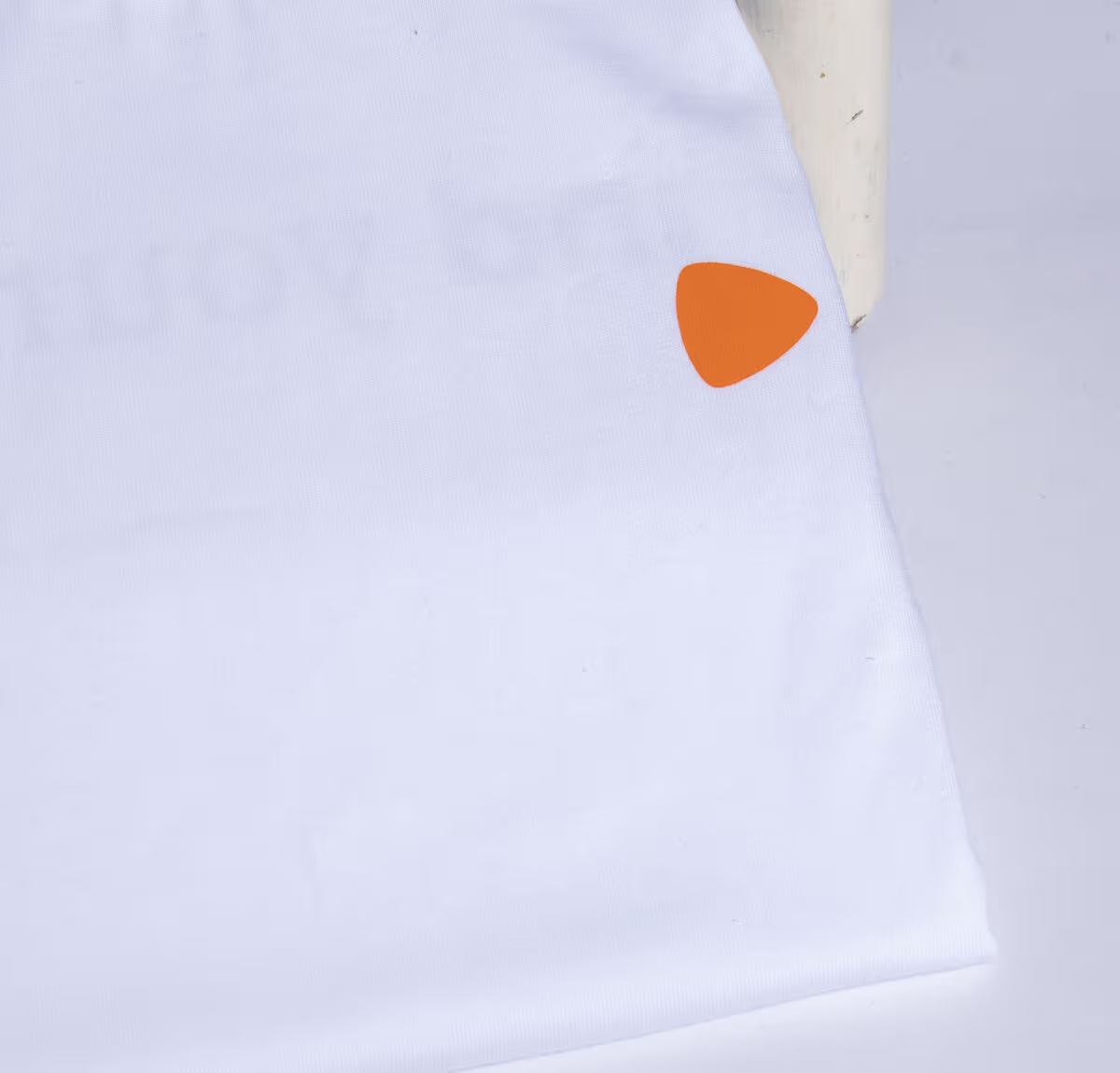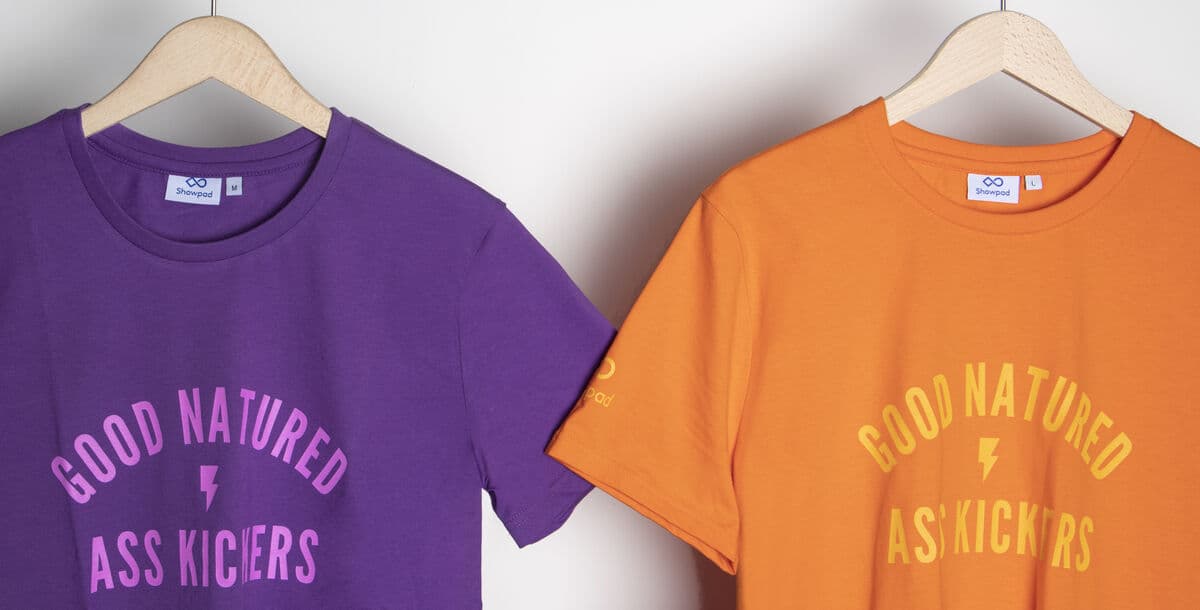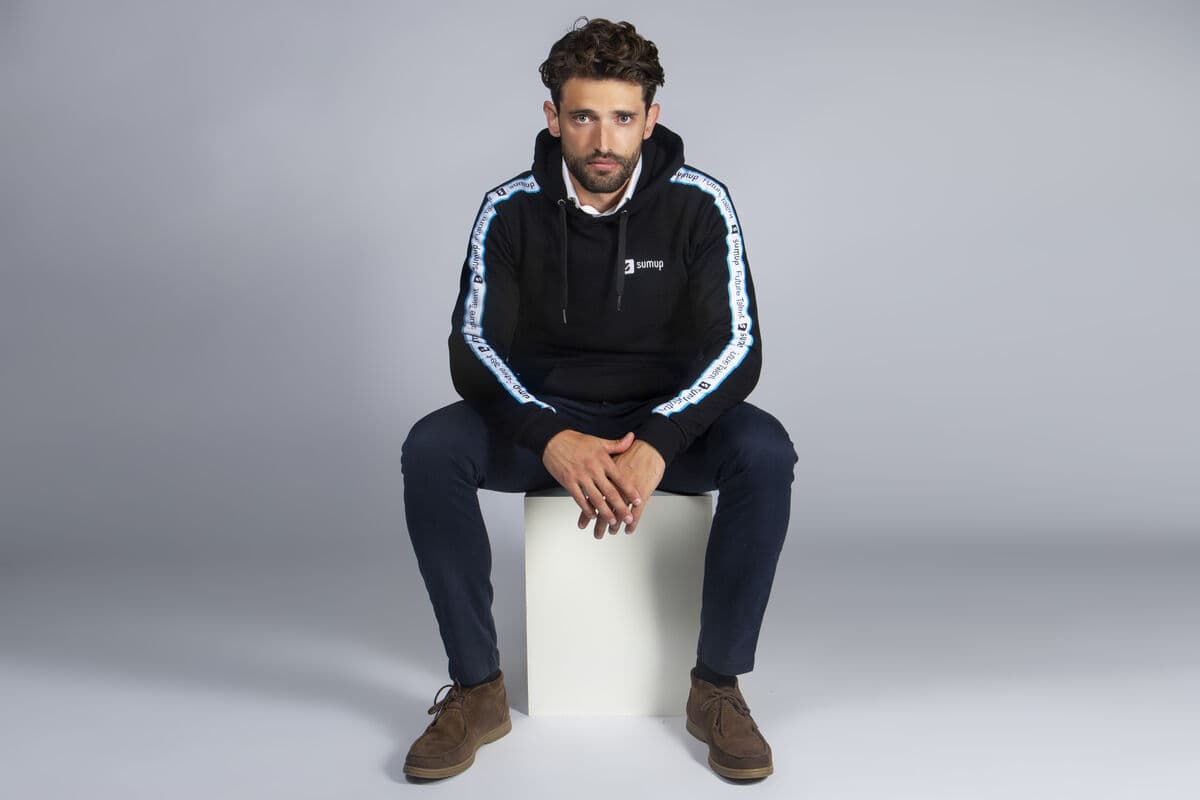
Printing corporate clothing means applying your brand to hoodies, sweaters, jackets or shirts. Screen printing works well on cotton and at higher quantities. Durable transfers suit small runs and many colours. Oversized prints work on heavyweight jersey. On knitwear, technical fabrics and premium items, embroidery or a label is often the better choice.
With corporate clothing, printing isn't a technical choice. It's a brand choice. A cracked print on a hoodie someone chose to wear voluntarily is worse than a cracked print on a mandatory work shirt, because nobody puts that hoodie on again. And then your whole programme is dead.
This article is part of our complete guide to corporate clothing with your logo.
What's in this article
The printing techniques at a glance
There's no single right method. There's a right method per product, per brand and per fabric. These are the options that actually matter in corporate clothing.
| Technique | How it works | Strong for | Weak for |
|---|---|---|---|
| Screen printing | Ink is applied layer by layer through a screen | Large logos, high quantities, cotton, bold colours | Many colours, small runs, fine gradients |
| Oversized print | Screen print or transfer over a large area | Hoodies, tees, young and expressive brands | Understated brands, formal items |
| Durable transfer | Print is applied with pressure and heat | Small runs, fine detail, multi-colour logos | Heavy wear, high wash temperatures |
| Embroidery | The logo is stitched into the fabric with thread | Polos, knitwear, jackets, business shirts, caps | Large areas, fine colour gradients, thin fabric |
| Patch | Embroidered or woven patch that's sewn on | Jackets, retro and heritage looks, texture | Lightweight summer fabrics |
| Woven or leather label | Brand label on the sleeve, hem or collar | Subtle branding, premium feel | Visibility from a distance |
| Cheap foil transfer | Thin foil on the fabric | Nothing | Everything. Avoid this |
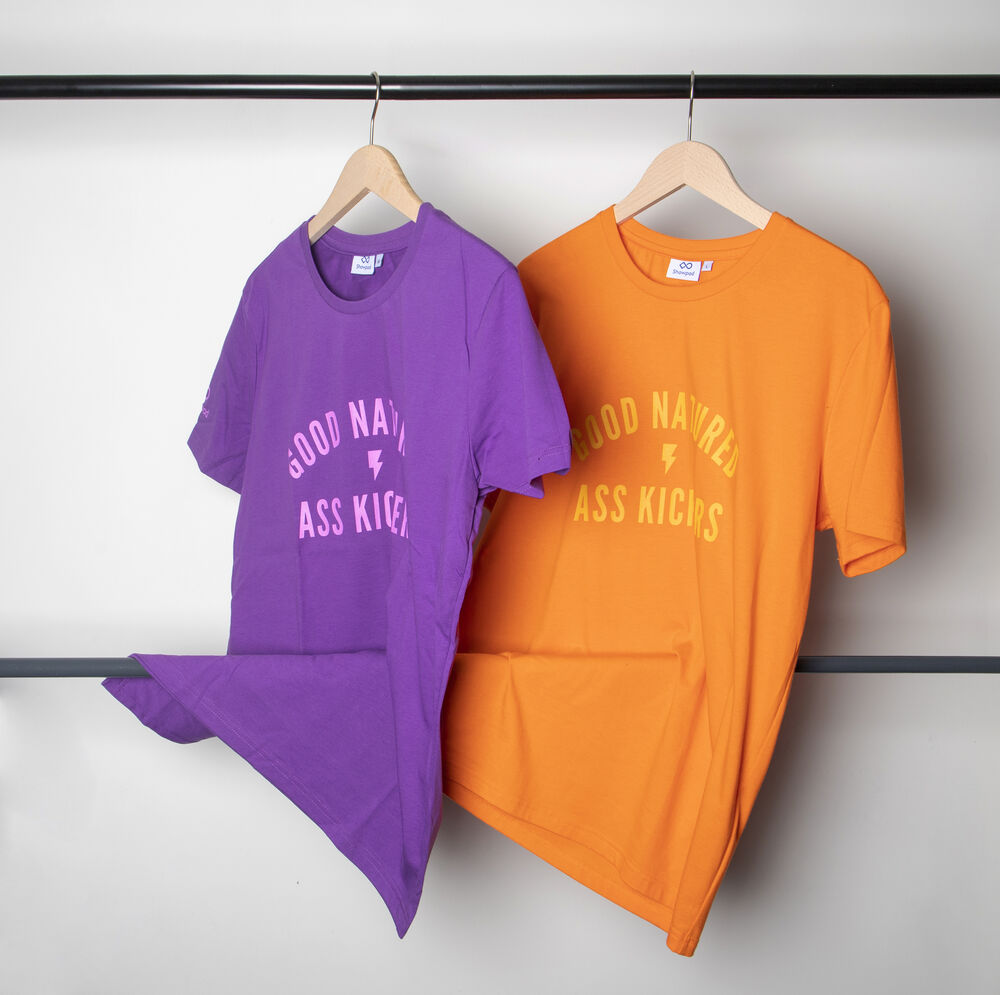
Screen printing remains the workhorse technique for large logos on cotton and at higher quantities. The condition is the right ink and correct curing.
Which technique suits which fabric
The fabric plays a role too. A technique that works beautifully on heavyweight jersey can look ugly on merino wool.
| Fabric | Best choice | Why |
|---|---|---|
| Heavy cotton jersey (hoodies, heavyweight tees) | Screen printing, oversized print | The fabric takes ink well and has enough body to carry a large print |
| Piqué (polos) | Embroidery | The texture makes fine print look uneven. Embroidery sits tight and neat |
| Knitwear and merino | Embroidery, woven label | Print adheres poorly to a knitted structure and cracks when stretched |
| Softshell and technical fabric | Embroidery, patch, custom transfer | Water-repellent coatings and screen printing don't mix well |
| Padded jackets and puffers | Embroidery, patch, leather label | The quilted surface isn't flat enough for print |
| Business shirts | Embroidery, small and understated | Print on a dress shirt almost always looks cheap |
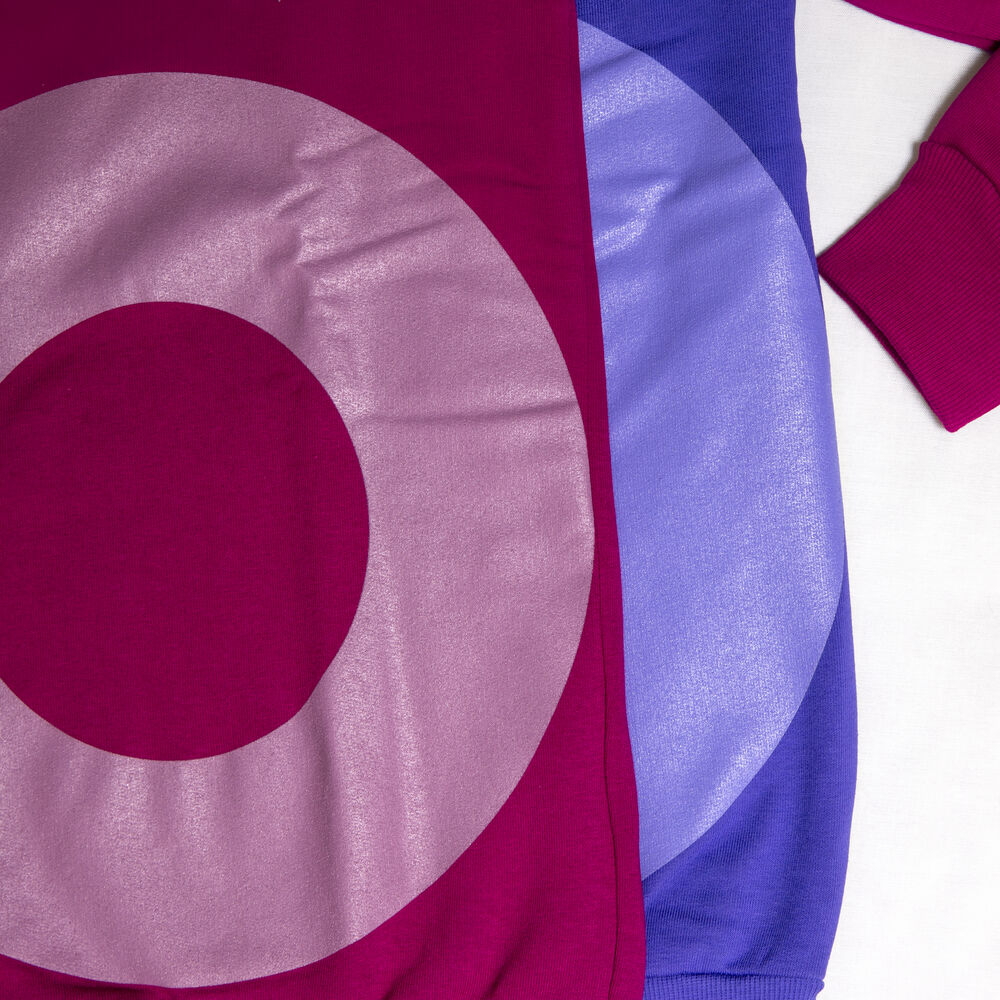
The fabric decides the technique. What works on heavyweight jersey rarely works on merino or softshell.
What actually lasts
Corporate clothing goes through the industrial wash less often than workwear, but the requirements aren't lower. They're different. These items get worn outside the office, on weekends, while travelling. They need to still look brand-new after a year, because otherwise nobody wears them anymore.
- Embroidery and patches last the longest. They're stitched or sewn in. There's nothing to wash off or peel loose.
- High-quality screen printing holds up well. Provided the right ink and correct curing are used. Ask your supplier about this explicitly.
- Cheap transfers fail first. They crack along fold lines, peel at the edges and fade. That's the classic failure mode.
- Woven and leather labels stay put. And they often look better after two years than on day one.
Cost per branding position
The price of printing corporate clothing isn't a single number. It's determined by a series of choices, and the most important one is: how often do you apply your brand.
Every branding position is a separate step in production. Chest plus sleeve plus back isn't slightly more expensive, it's three times the work. That's the cost logic most buyers only discover once the quote arrives.
These are the factors that determine your unit price:
- The garment itself. A tee, a heavyweight hoodie and a padded jacket sit in entirely different classes.
- Number of branding positions. Every extra position is an extra step and an extra cost.
- The technique. Screen printing and embroidery each have their own setup costs and their own economies of scale.
- Logo complexity. Many colours mean more layers with screen printing. Lots of detail means more stitches with embroidery.
- Print size. An oversized back logo costs more than a five-centimetre chest logo.
- Quantity. Setup costs are spread across your volume. Higher quantities bring the unit price down.
- Fabric quality and fit. Fully custom-developed items cost more upfront.
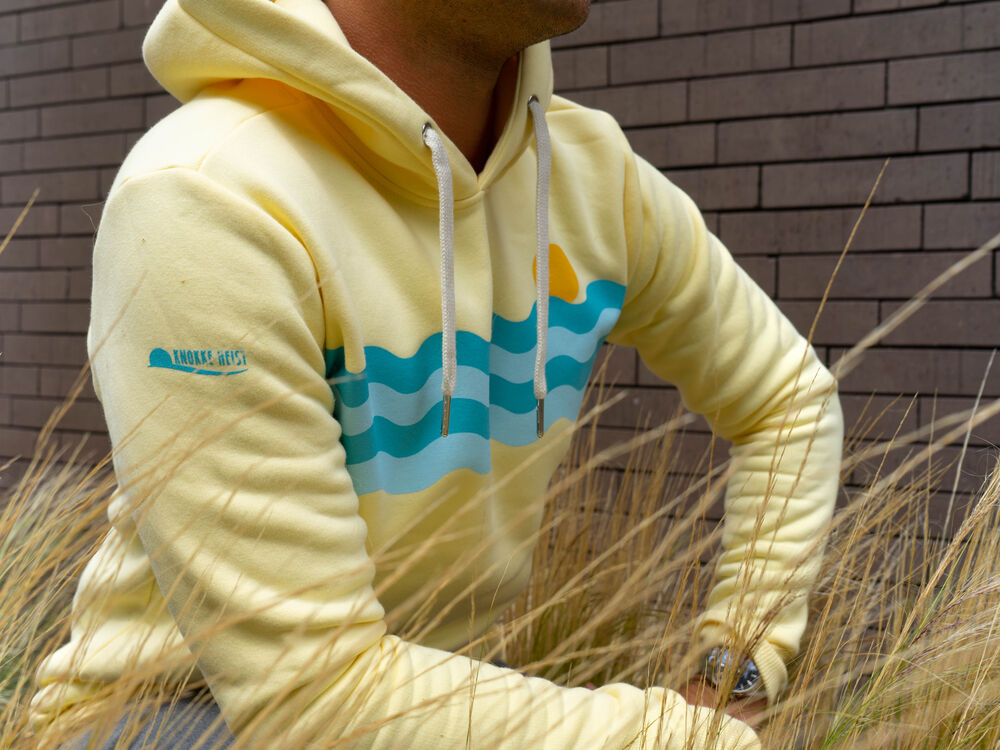
Every branding position is a separate step in production. Three positions means three times the work, not a small bit extra.
When embroidery is the better choice
Printing isn't always the answer, even if that's the word in the search term. Choose embroidery in these cases.
- Your brand is classic or formal. Embroidery is understated, premium and professional. Print on a business shirt almost always looks cheap.
- The garment is knitwear, softshell or a padded jacket. Print adheres poorly there or looks messy.
- The logo is small and sits on the chest, sleeve or collar. At that size, embroidery is sharper than print.
- The item needs to last for years. Embroidered thread doesn't wash away, print can crack.
- It gets washed often. Think polos worn daily.
Choose printing if your logo is large, if you're working with many colours or gradients, if your brand is young and expressive, or if you want to make an oversized statement on a hoodie or tee. The full trade-off between subtle and eye-catching is covered in our guide to corporate clothing with your logo.
Quantities and lead time
Two routes, two different logics. Ready-made garments that you have decorated move fast and can be ordered in lower quantities. Fully custom-developed corporate clothing needs more preparation, starts at higher volumes, and delivers a more distinctive wardrobe for the long term.
Quantities depend on the garment, the decoration, whether it's from stock and how much you customise. Want to understand the logic behind sizing, stock and reordering? Read about the brand store. Want to develop fully custom instead? Look into custom corporate clothing.
Manage reorders monthly. Structure, not complexity. With a partner you keep sight of live stock, reorder moments, new hires, availability, lead times, approved items and upcoming launches. The biggest risk is running this through emails, spreadsheets and loose files until nobody knows anymore what's in stock or what's been approved.
Printing corporate clothing with Sunday
Sunday is merch infrastructure, not a classic supplier. You open a product page and the platform uses your brand data to instantly show design directions with live pricing. You see straight away what an extra branding position, a different technique or a larger quantity does to your unit price. No round of quotes needed to find out your budget doesn't add up.
The full corporate clothing range is on the product page, from hoodies and sweaters to jackets and knitwear. Want to see how your print falls on the fabric before you commit? Use the free hoodie mockup generator and see your design in your own brand colours.
Looking for functional, often mandatory clothing instead of a voluntary branded wardrobe? Read our guide to printing workwear. Different requirements apply there: it's all about what survives the industrial wash.
About this article
See your print on your corporate clothing
Hoodies, sweaters and jackets in your house style. Made in the EU, with live pricing in 30 seconds.
Get free designs