
Definition
Acrylic fabric is a soft, lightweight synthetic textile designed to mimic the warmth and feel of wool. It is made from acrylonitrile polymers, holds bright color well, and resists fading, moths, and mildew, which makes it a budget-friendly stand-in for wool in knitwear.
Definition
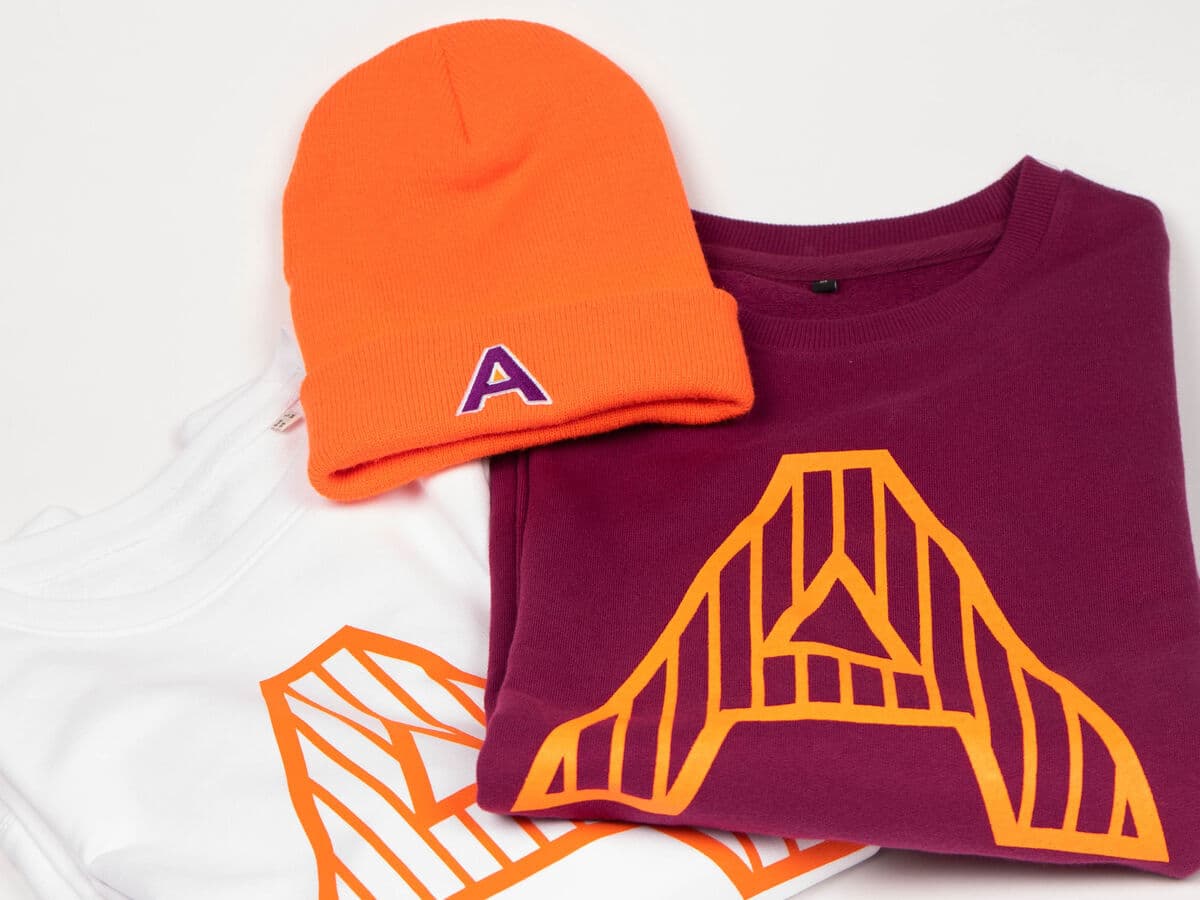
Acrylic is a synthetic fiber spun from acrylonitrile, a petroleum-based compound. Manufacturers crimp and texture the fiber so it traps air and feels plush like wool. A common example is a winter beanie: an acrylic knit gives the soft, warm hand of wool, keeps its color through seasons, and costs far less, which is why so many promotional hats are acrylic.
How acrylic fabric works
Acrylic is produced by dissolving the polymer and forcing it through spinnerets to form continuous filaments, which are then cut and spun into yarn. The fiber is often bulked and crimped to add loft, the trapped air that gives acrylic its insulating warmth. The yarn is usually knitted rather than woven, which is why acrylic shows up most in sweaters, hats, and scarves.
The properties suit cold-weather merch. Acrylic is warm, lightweight, and soft, it holds vivid dye, and it resists sunlight, moths, and mildew better than wool. It also dries quickly and is machine washable, so it is easy to care for.
The trade-offs are real. Acrylic can pill, it holds static, and it is sensitive to high heat, melting rather than scorching. It is less breathable than natural fibers and petroleum-based, though it offers a vegan, allergy-friendly alternative to wool, which matters for some recipients and programs.
Acrylic fabric in branded merch
- Winter beanies and hats: Acrylic knit delivers wool-like warmth at a lower cost, and woven or embroidered labels brand the cuff cleanly. Bright dye holds through repeated wear.
- Scarves and blankets: Soft acrylic makes cozy gifting items that keep their color and shape. Jacquard knitting can weave a logo or pattern directly into the piece.
- Branded sweaters and knitwear: Acrylic or acrylic blends offer affordable, machine-washable jumpers for staff and giveaways, with embroidery sitting well on the dense knit.
Acrylic fabric is a wool-like synthetic textile, soft and warm, that resists fading, moths, and shrinking at a lower cost than wool.
5 tips to elevate your Acrylic fabric strategy
| Tip | Steps |
|---|---|
| Keep heat low | Acrylic melts under high heat, so use low iron and press settings and test first. |
| Plan for pilling | Choose a tighter, higher-twist yarn for items that face heavy wear. |
| Use embroidery on knits | Logos embroider cleanly on dense acrylic beanies and sweaters. |
| Offer it as a vegan option | Acrylic suits recipients who avoid wool for ethical or allergy reasons. |
| Knit the logo in | Jacquard knitting builds branding into scarves and blankets for a premium look. |
Key Terminologies
Frequently Asked Questions
Is acrylic fabric warm?
Yes. Acrylic traps air in its crimped fibers, which insulates well and makes it a popular wool substitute for hats, scarves, and sweaters.
Does acrylic fabric pill?
It can. Lower-quality acrylic pills more easily, so choosing a tighter, higher-twist yarn reduces pilling on items that see heavy use.
Is acrylic a good alternative to wool?
Yes for many uses. It mimics wool's softness and warmth, costs less, resists moths, and is machine washable, plus it suits people who avoid wool.
Can you print or embroider on acrylic?
Embroidery works very well on dense acrylic knits like beanies and sweaters. Keep any heat-based decoration low, since acrylic melts under high temperatures.
How do I care for acrylic garments?
Machine wash on a gentle cycle and dry on low or air dry. Avoid high heat, which can distort or melt the fibers.