Definition
Festival merch is the branded apparel and accessories made for a festival crowd, sold at the merch stall or handed out at a sponsor activation on site. It carries the festival name, the lineup, the year, or a brand logo, and it gets worn in a field, in the rain, and for years afterwards. The whole sell-through window is three days. Everything about how you buy it follows from that.
Definition
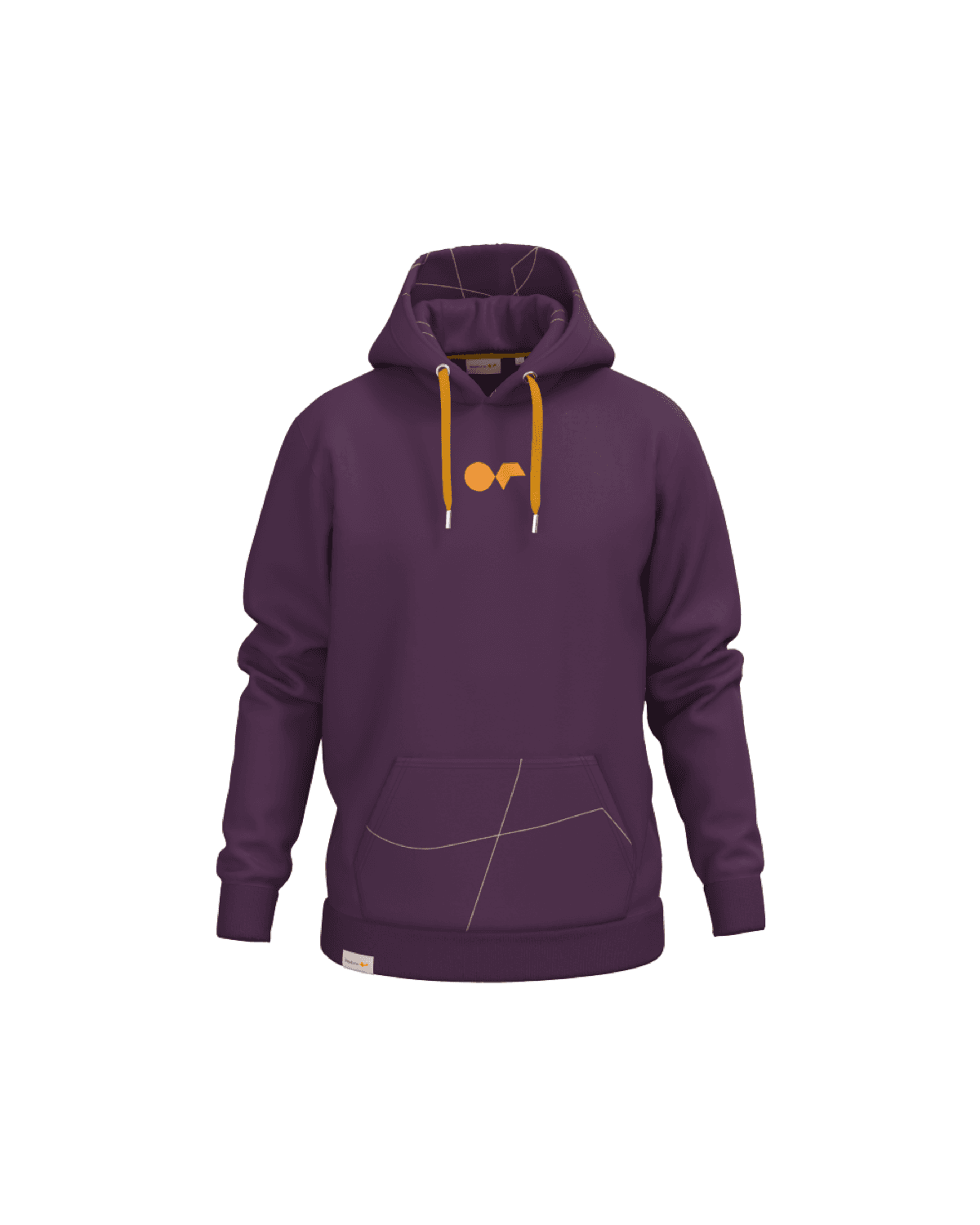
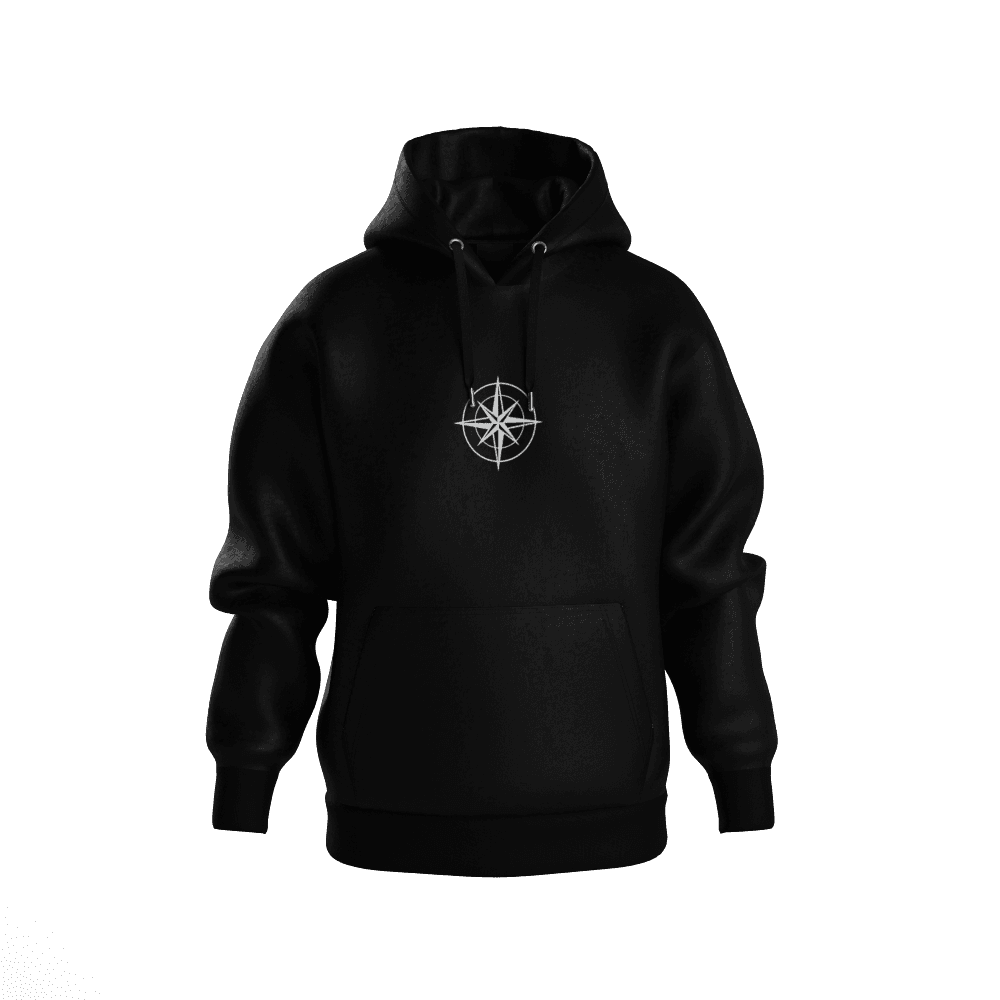
Festival merch spans the tee with the full lineup on the back and the bucket hat a drinks brand hands out at its activation. Some of it sells at a retail margin, priced by the organiser or the artist. Some of it is free, funded by a sponsor who wants their logo on the campsite all weekend. Both versions live or die on the same question: would anyone wear this if the logo were smaller?
A concrete example. A three-day festival with 40,000 ticket holders prints 6,000 tees, 2,000 bucket hats, and 1,500 hoodies. The tees run across five sizes on a curve weighted to M and L. The hoodies sell out by Saturday afternoon because rain arrived. The leftover XS tees, dated with this year on the back, go into a discount bin nobody visits. Sell-through of roughly 8 to 15 percent of ticket holders is a normal result for a well-run stall.
How festival merch works
The buying window is short and unforgiving. There is no restock, no second delivery, no reorder on Saturday morning. Whatever is in the crates on Thursday is what you sell. So the quantity math gets done months out against ticket sales, last year's sell-through, and a weather forecast nobody can see yet. Order too little and the stall is empty on the biggest night of the weekend. Order too much and you own a pallet of dated shirts that lose their value the moment the gates close.
Weather shapes the product mix more than any design decision. A hot weekend moves caps, bucket hats, tanks, and bottles. A wet one moves hoodies, ponchos, and anything with sleeves. Buyers who have done this before hedge. They weight the order toward the season, hold a rain layer in reserve, and keep the undated items, plain logo tees, tote bags, and caps, as an evergreen backbone that carries into the next edition. Dated pieces should be the smaller share of the order and priced to clear.
Production has to survive the festival itself. Prints get sweated on, rained on, slept in, and washed badly. Screen printing on a mid-weight cotton tee stays the workhorse because it holds up and the unit cost drops hard at volume. DTF printing and all-over print handle complex artwork and short runs, which suits artist collabs and limited drops. Embroidery on caps and bucket hats reads as more premium and supports a higher price on the stall. Whatever the method, spec a garment people will wear again. A thin tee that fades after one wash is a receipt, not merch.
Festival merch in branded merch
- Sponsor activations: A brand pays for a footprint on site and gives away caps, bandanas, or sunglasses to anyone who plays the game or scans in. The item is the media buy, so it has to be good enough to wear on the main stage field, not just carried to the car park.
- The merch stall: Organiser and artist product sold at retail margin, usually tees, hoodies, and headwear. This is the only part of festival merch that has to pay for itself directly, so pricing, the size curve, and stall throughput matter as much as the artwork.
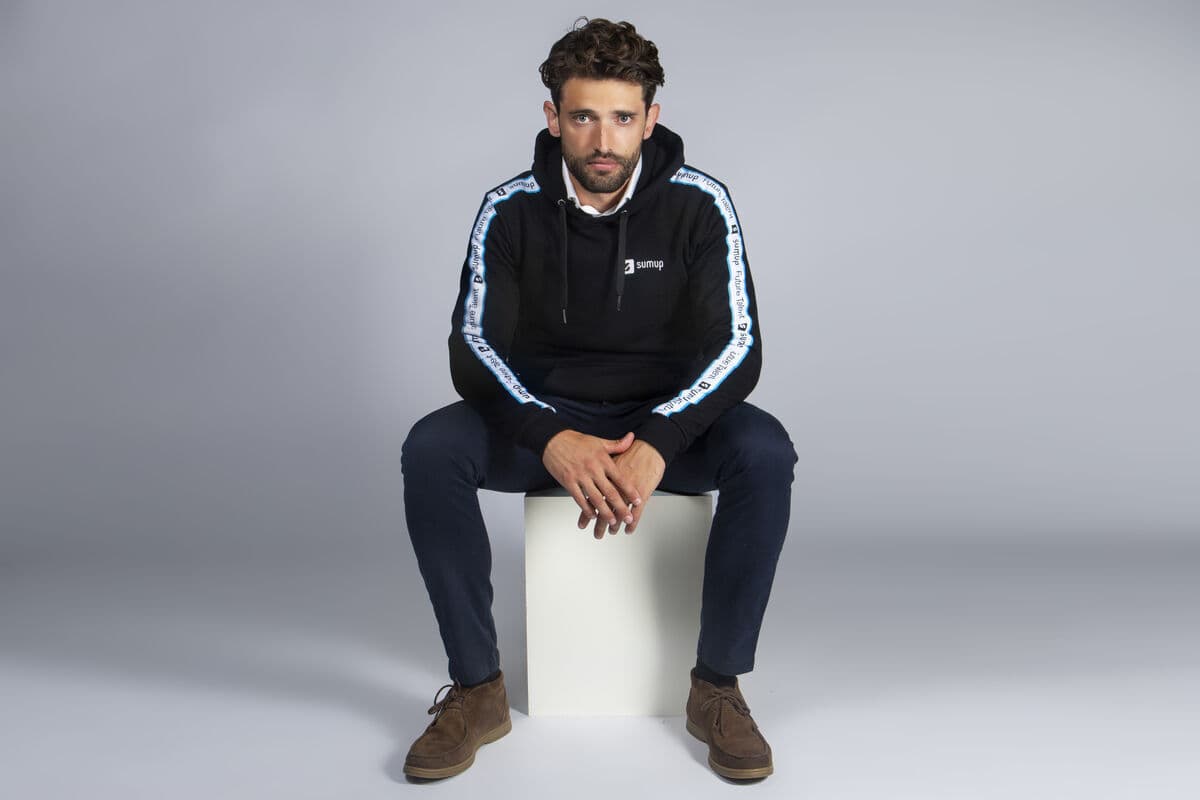
- Crew, staff, and artist apparel: Every person working the site is a walking sign for the festival. Weather-appropriate crew tees, softshells, and caps keep the team identifiable across a 20,000-person site and end up in half the photos taken all weekend.
Festival merch is branded apparel and accessories produced for a festival audience, sold or given away on site, and designed to be worn during the event and long after it.
5 tips to elevate your Festival merch strategy
| Tip | Steps |
|---|---|
| Buy against sell-through | Size the order on the percentage of ticket holders who bought last year, not on total attendance. |
| Hedge the weather | Split the order across a hot mix and a wet mix, and hold the rain layer until the forecast lands. |
| Keep dated stock small | Undated logo product carries over to next year, lineup and year prints do not. |
| Skew the size curve | Weight to M and L, keep XS and XXL small, and never split the order evenly. |
| Spec for a second life | Choose a garment weight and print method that survives a festival weekend and 20 washes after it. |
Key Terminologies
Frequently Asked Questions
What counts as festival merch?
Festival merch is any branded product made for a festival audience, including tees, hoodies, caps, bucket hats, bandanas, and bottles. It includes both product sold at the merch stall and items given away free at sponsor activations.
How much festival merch should you order?
Base the order on last year's sell-through rate rather than total attendance. A stall typically converts 8 to 15 percent of ticket holders, so a 40,000-visitor festival is planning for roughly 3,000 to 6,000 units across all lines.
What sells best at a festival?
Tees and headwear sell first, with bucket hats and caps consistently outperforming in hot weather. Hoodies carry the highest margin and sell out fast the moment a forecast turns wet.
How much does festival merch cost?
A printed cotton tee lands around 5 to 10 euros per unit at festival volumes, a hoodie around 20 to 30 euros, and headwear around 6 to 12 euros. Stall pricing usually runs at two to three times the unit cost.
When should you order festival merch?
Decorated apparel needs lead time, so place the core order two to three months before the gates open. Working from pre-branded stock lets you confirm quantities and top up undated items much closer to the date.