Definition
Heat transfer vinyl (HTV) is a thin colored film that is cut into a design and bonded to fabric using heat and pressure. A heat press melts the vinyl's adhesive backing so the design fuses to the garment. It is a durable, vivid way to put logos and names on apparel.
Definition
Heat transfer vinyl is a roll or sheet of solid-color film with a heat-activated adhesive on one side. A cutter slices your design from the vinyl, the excess is weeded away, and a heat press bonds the shape to the fabric. A common example is a team name and number on a sports jersey, cut from vinyl and pressed on for a clean, long-lasting finish.
How heat transfer vinyl works
The process starts with a digital cutter that traces your design into the vinyl sheet without cutting through the carrier. Weeding removes the vinyl you do not want, leaving only the design on its clear carrier. The carrier is positioned on the garment and run through a heat press at a set temperature, pressure, and time. Heat activates the adhesive, the vinyl bonds to the fibers, and the carrier peels away to reveal the design.
HTV comes in many finishes, including matte, gloss, flock, glitter, metallic, and reflective. Each color is a separate layer, so multi-color designs are stacked and pressed in sequence. This makes HTV ideal for solid logos, text, and numbers, but less suited to photographic images with many shades. It works on cotton, polyester, and blends, with specific vinyl types matched to each fabric.
The trade-offs are color count and feel. Designs with many colors add layers, cost, and a heavier hand on the fabric. Press settings matter, since too little heat leaves vinyl that lifts, and too much can scorch the garment. Done right, HTV holds up through dozens of washes, which is why it is a staple for names, numbers, and small-batch apparel.
Heat transfer vinyl in branded merch
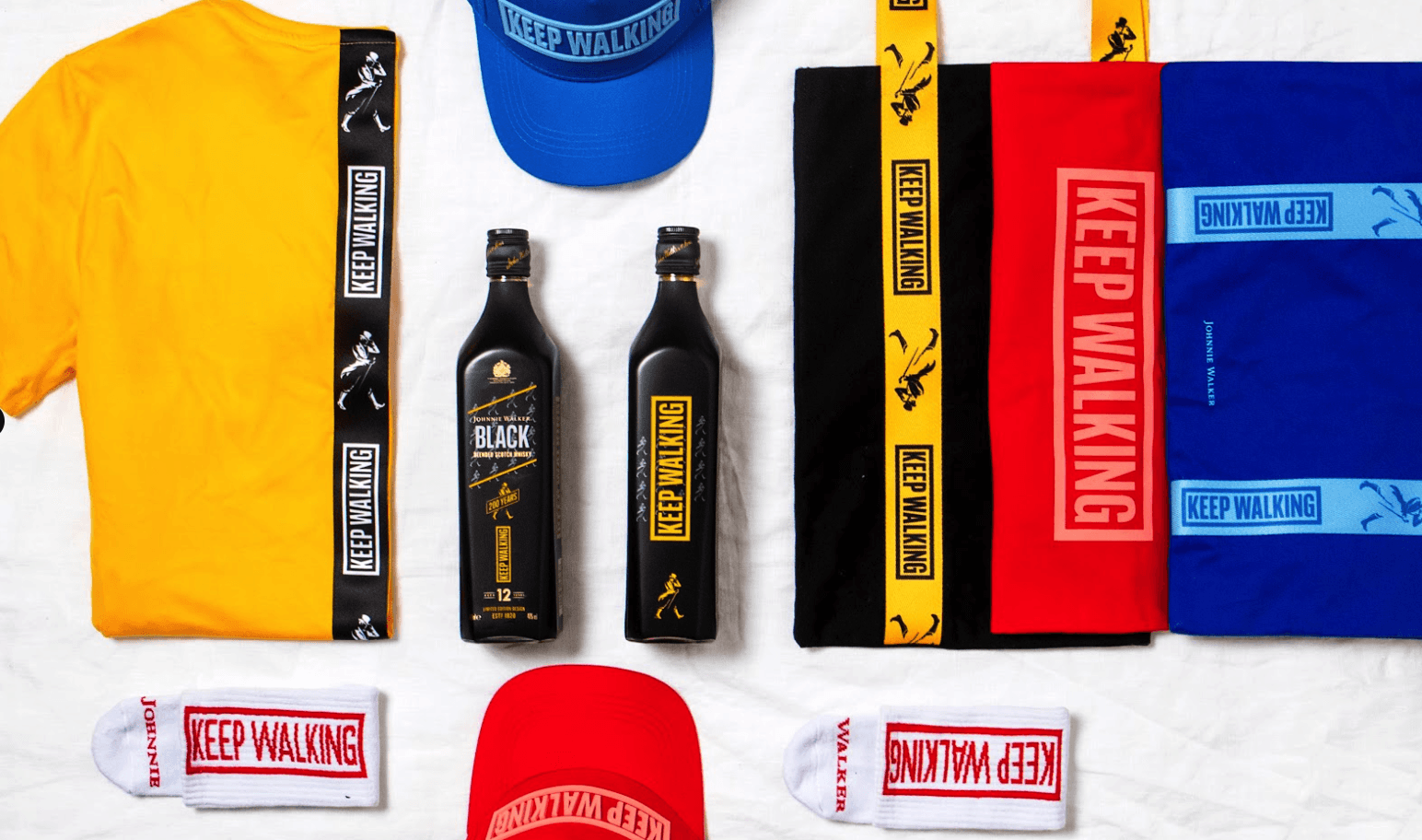
- Event and team apparel. Names, numbers, and logos cut from HTV give jerseys and staff shirts a sharp, durable finish in exact brand colors.
- Personalized garments. Individual names or roles can be added per item, which makes HTV practical for small runs and one-off pieces.
- Specialty finishes. Glitter, metallic, and reflective vinyl add standout effects to caps, hoodies, and bags that flat printing cannot match.
Heat transfer vinyl is a cut film pressed onto fabric with heat, bonding a logo or design to the garment.
5 tips to elevate your Heat transfer vinyl (HTV) strategy
| Tip | Steps |
|---|---|
| Limit color layers | Keep designs to a few solid colors, since each color is a separate pressed layer. |
| Match vinyl to fabric | Use the right HTV type for cotton, polyester, or blends so it bonds correctly. |
| Dial in press settings | Confirm the correct heat, pressure, and time to avoid lifting or scorching. |
| Wash inside out | Advise turning garments inside out and using cool washes to extend vinyl life. |
| Use vector artwork | Supply vector files so the cutter follows clean, accurate edges. |
Key Terminologies
Frequently Asked Questions
What is the difference between HTV and screen printing?
HTV is cut from colored film and pressed onto fabric, ideal for solid logos, names, and small runs. Screen printing pushes ink through a mesh and is more efficient for many colors at high volume.
Is heat transfer vinyl durable?
Yes, when applied correctly. Properly pressed HTV survives dozens of washes without cracking or peeling, especially if garments are washed inside out in cool water.
Can HTV print full-color photos?
Not well. Each color is a separate vinyl layer, so HTV suits solid designs, text, and numbers rather than photographic images with many shades.
What fabrics work with HTV?
Cotton, polyester, and blends all work when paired with the matching vinyl type. Some specialty fabrics need specific HTV, so confirm the material before production.
Why use HTV for personalized apparel?
HTV lets you cut and press individual names or numbers per item without setup costs per design. That makes it well suited to small batches and one-off personalization.