Definition
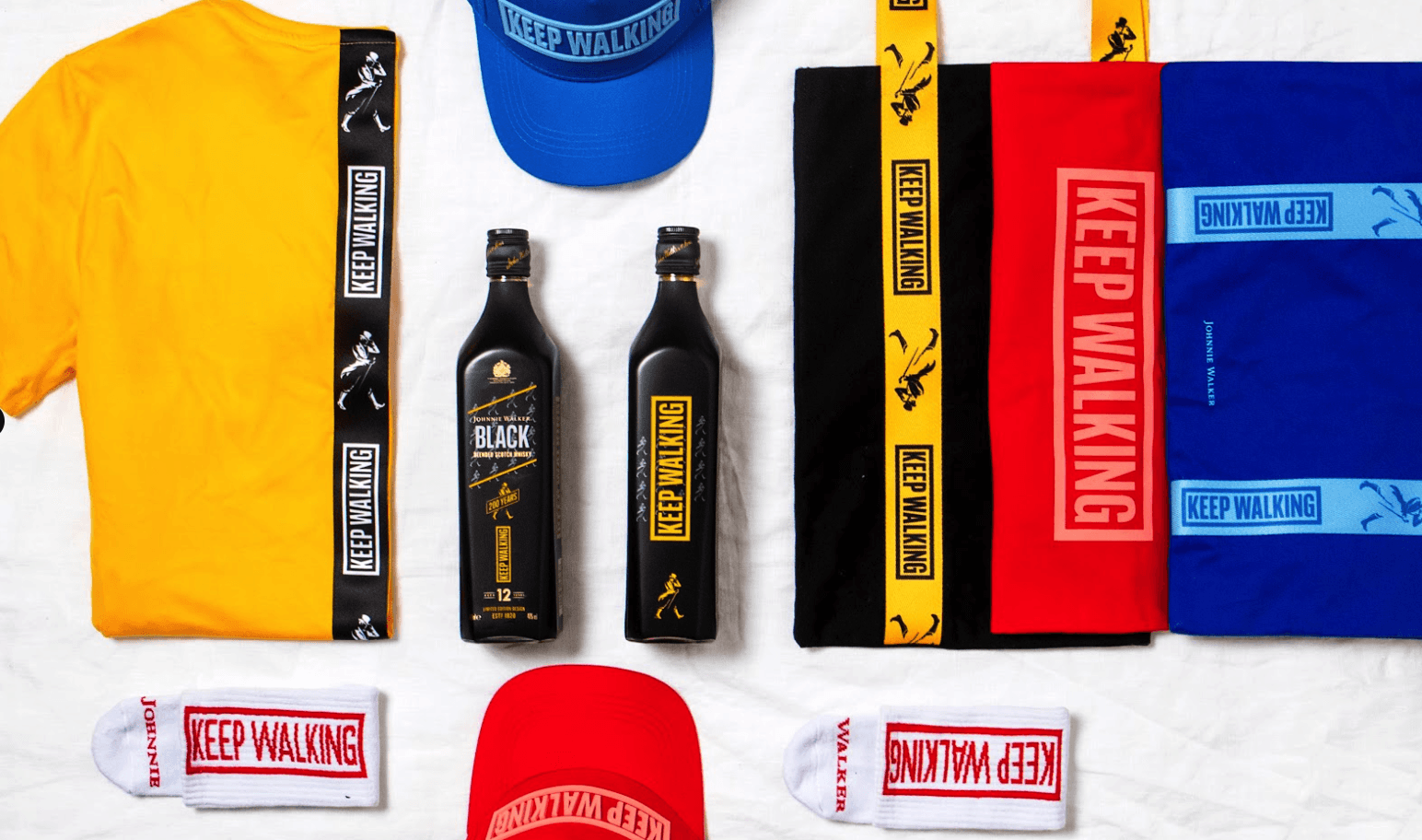
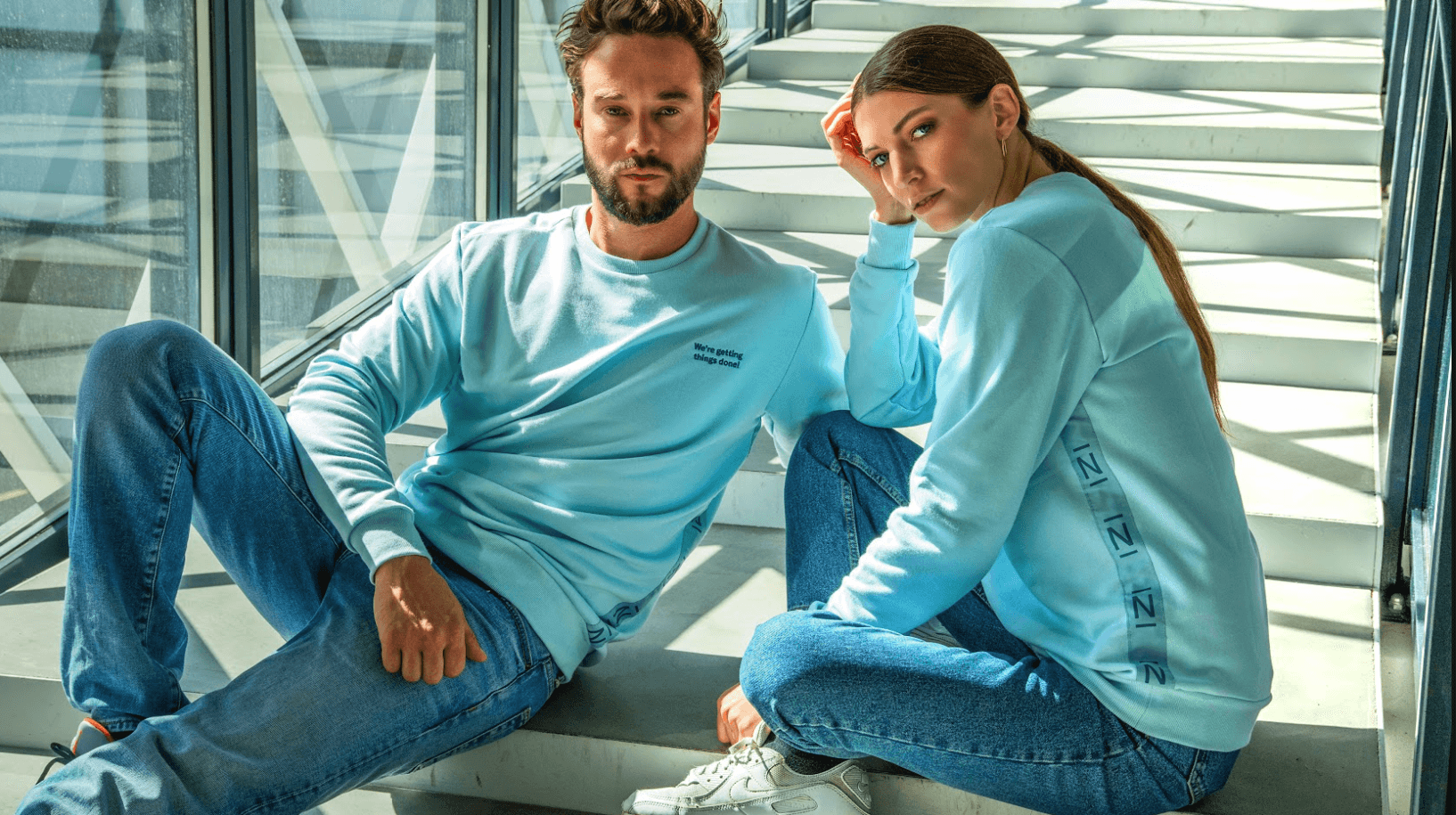
Tackle twill is a decoration method that builds letters, numbers, and logos from cut pieces of twill fabric, then stitches them onto a garment. It gives a bold, layered, dimensional look that holds up to heavy wear, which is why it became the standard for sports jerseys and varsity jackets. The name comes from American football, where the technique survived the tackling that ripped ordinary lettering apart.
Definition
Tackle twill is a form of appliqué, not a print. A design is cut from twill fabric, laid onto the garment, and secured with stitching around every edge. Because the artwork is made of real cloth rather than ink or thread fill, it reads as a raised, textured shape you can feel. Think of the big block number on the back of a football jersey or the chunky felt-look letters across a college jacket. Each of those is a separate piece of twill, cut to shape and sewn down.
How tackle twill works
The process starts by digitizing the design and cutting each element from twill, usually with a die, a laser, or a cutting plotter. Modern tackle twill uses fabric with a heat-activated adhesive backing, so the cut piece is first pressed onto the garment to hold it in place. A machine then stitches the outline with a tight satin or zigzag stitch that locks the edges down and stops them from fraying. Simple designs use one layer, while numbers and crests often stack two or three layers of contrasting twill to create an outline effect.
The material matters. Polyester twill resists shrinking and holds color well, while cotton and poly-cotton twill give a softer, more classic feel. Team names and numbers usually use a heavier twill for structure, and the base garment needs enough weight to carry the stitching without puckering. The look is clean, sporty, and premium, closer to authentic retail sportswear than a printed graphic.
There are trade-offs. Tackle twill shines on large, bold shapes and struggles with fine detail or small text, since every edge has to be cut and stitched. It adds weight and a stiffer hand where the fabric sits, and the setup work makes it better suited to designs where impact matters more than intricacy. Compared with embroidery, it covers big areas faster and cheaper, but it is not the choice for tiny logos.
Tackle twill in branded merch
- Varsity and team jackets. Layered twill letters and crests give branded jackets an authentic collegiate look that feels like a keepsake rather than a giveaway.
- Sports jerseys and uniforms. Numbers and names in tackle twill survive the rough handling of club kit and staff sports teams, staying crisp wash after wash.
- Heritage and premium apparel. Large chest logos on hoodies and coaches jackets read as bold and tactile, a strong fit for brands that want a physical, high-value finish.
Tackle twill is an appliqué technique where twill fabric shapes are cut, positioned, and stitched onto apparel for a durable, dimensional finish.
5 tips to elevate your Tackle twill strategy
| Tip | Steps |
|---|---|
| Keep shapes bold | Design for large letters and simple logos, since fine detail is hard to cut and stitch. |
| Match twill to garment | Pair polyester twill with sportswear and softer cotton twill with heritage styles. |
| Use layers for contrast | Stack two colors of twill to add an outline effect on numbers and crests. |
| Mind the stitch edge | Approve a satin-stitch border wide enough to lock every edge against fraying. |
| Reserve for larger runs | Factor in setup work, so tackle twill pays off best on bigger or repeat orders. |
Key Terminologies
Frequently Asked Questions
Is tackle twill the same as embroidery?
No. Tackle twill stitches cut pieces of twill fabric onto a garment, while embroidery fills a design with thread. The two are often combined, with embroidery used to outline or add detail to the twill.
What garments work best for tackle twill?
Jerseys, varsity and team jackets, hoodies, and heavier sweatshirts work best. The garment needs enough weight and structure to carry the fabric layers and stitching without puckering.
Is tackle twill durable?
Yes. Because the design is real fabric stitched down at every edge, it withstands heavy wear and repeated washing, which is why it became standard on sports uniforms.
Can tackle twill show small text or fine detail?
Not well. Every shape has to be cut and stitched, so tackle twill suits large letters, numbers, and bold logos. For small text or intricate artwork, embroidery or printing is a better fit.
How does tackle twill compare on cost?
For large designs it can be more economical than dense embroidery, since twill covers area quickly. Small runs carry setup work, so it pays off best on bigger or repeat orders.