
Definition
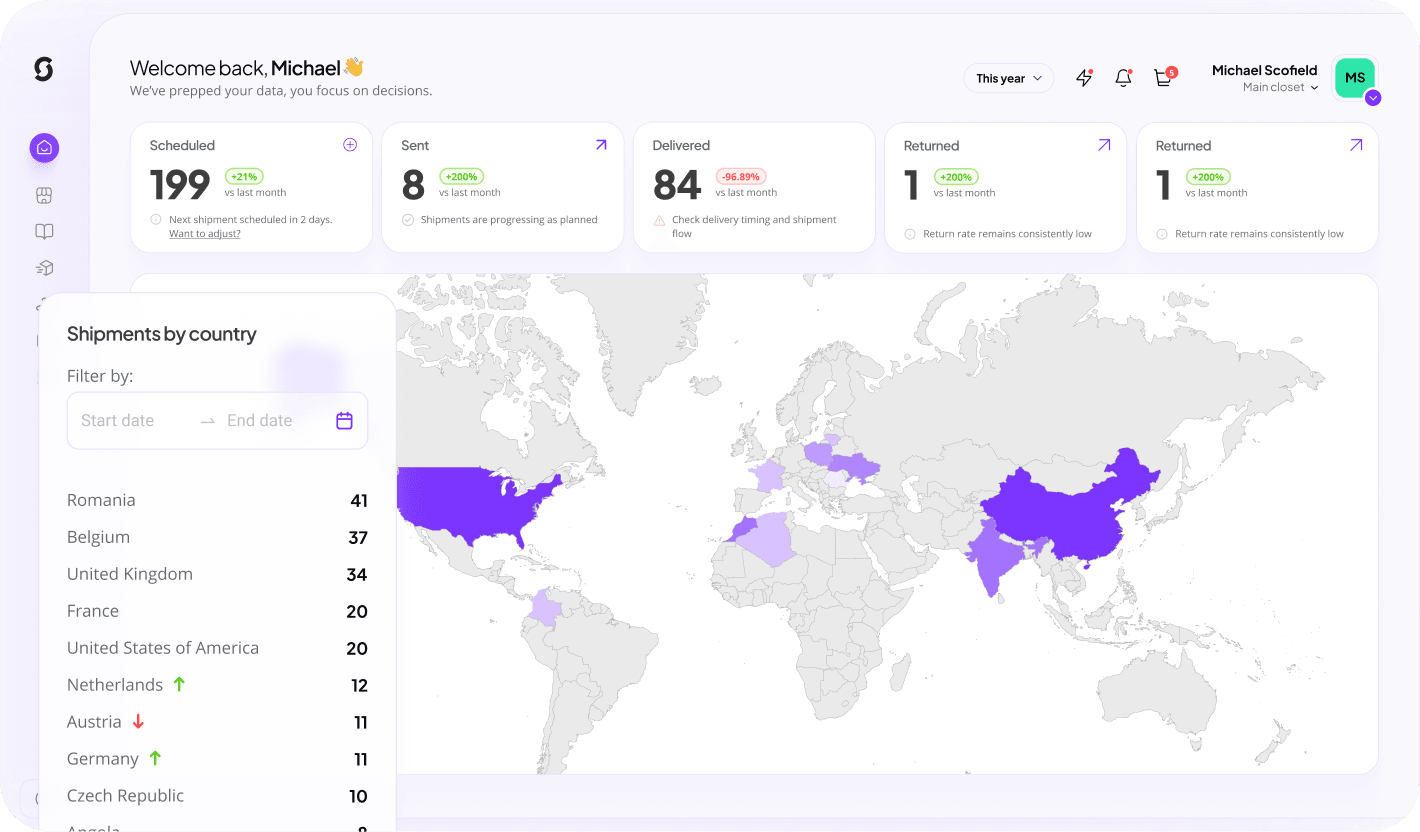
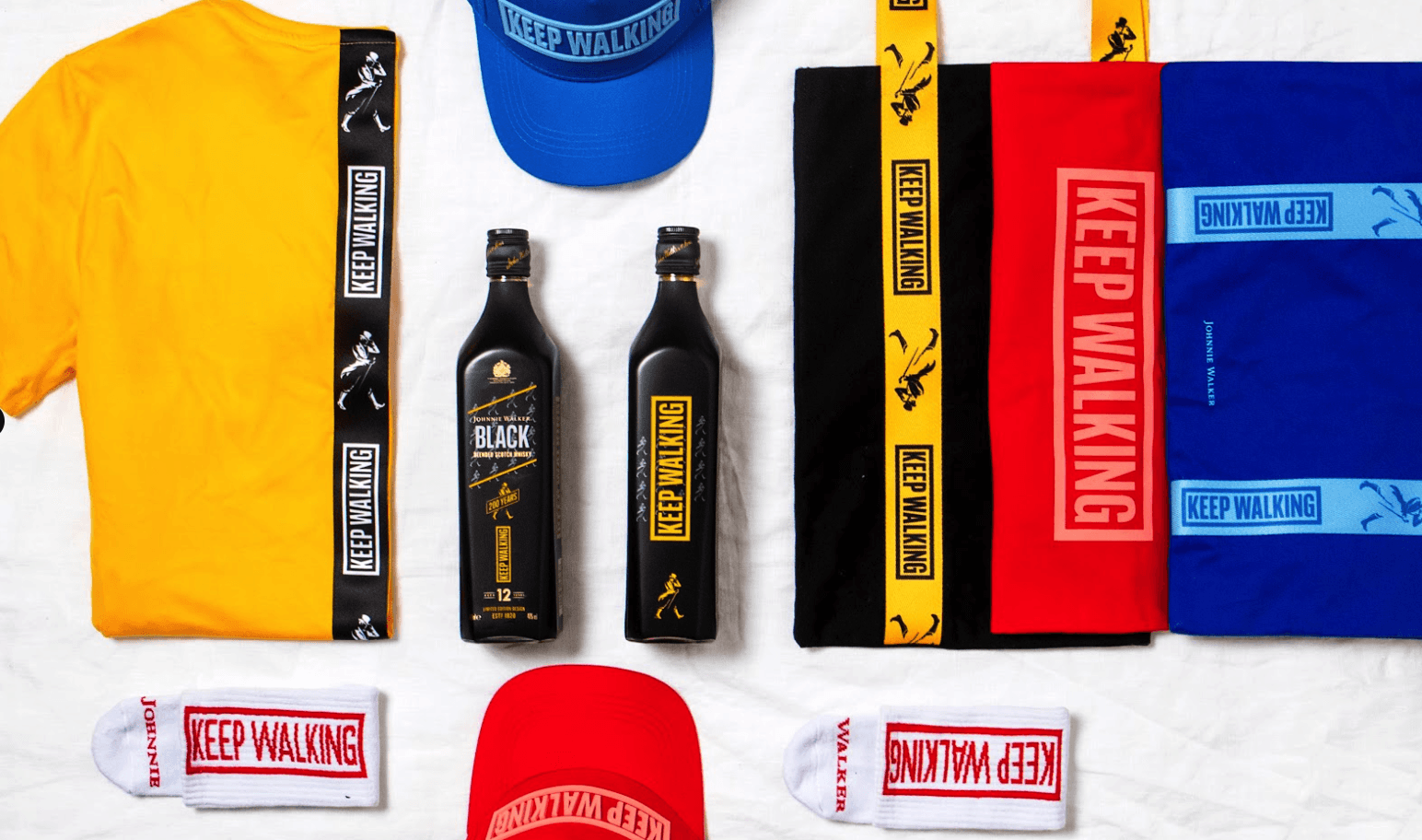
A merchandise platform is an online framework designed to support the entire lifecycle of custom product creation and sales, from inception to delivery, tailored to boost brand identity and market presence.
“A merchandise platform is an online framework enabling the end-to-end creation and sale of custom products. It supports brand enhancement and market expansion.”
For example, imagine you’re an apparel brand looking to launch a new clothing line and sell branded swag. By using a merchandise platform, you can design your items, manage inventory levels, and fulfill customer orders all from a single place. This streamlines operations and lets you focus on marketing strategies and customer engagement, ensuring you provide a superior shopping experience.
The Principles of Effective Merchandise Platform
Grasping the foundational principles of a merchandise platform, including effective onboarding practices, is essential for effectively leveraging its capabilities. A merchandise platform is designed with key functionalities that streamline the entire lifecycle of product offerings. From ideation to execution, these platforms drive efficiency and innovation in product promotion and customer satisfaction.
At the core, a merchandise platform operates on certain principles: integration, customization, scalability, and analytics. Integration ensures that all facets of product creation and sales-such as design tools, inventory systems, e-commerce solutions, and supply chain logistics-cohesively work together, minimizing potential roadblocks. Customization empowers brands to tailor products that reflect their unique identity and meet customer expectations. Scalability provides the flexibility to adapt to varying demand without compromising on service quality. Finally, analytics offers valuable insights with data-driven decisions, enhancing marketing strategies and aligning product offerings with consumer preferences.
Understanding these principles not only aids in harnessing the platform’s full potential but also ensures that your brand remains competitive and relevant in today’s fast-paced market.
Embracing these principles will fortify your business strategy, paving the way for sustained growth and customer loyalty.
3 examples of powerful Merchandise Platform strategies
Shopify
: Renowned for its user-friendly interface and versatile capabilities, Shopify allows brands to create customized online stores with ease. Its scalable infrastructure supports businesses of all sizes, offering integration with numerous apps and services for seamless functionality. Analytics tools help track customer behavior and sales trends, facilitating informed decision-making.
Printful
: As a print-on-demand service, Printful integrates with ecommerce platforms to offer custom product printing and fulfillment services. This platform simplifies inventory management by printing and shipping items only after they are sold, reducing the need for upfront investment and storage space. Its design tools and vast product catalog enable businesses to expand their offerings effortlessly.
Teespring
: Focused primarily on apparel, Teespring acts as a one-stop shop for creating and selling custom clothing and accessories. By handling production, shipping, and customer service, it provides creators with the freedom to focus on marketing and design. Its model is ideal for individuals and small businesses aiming to monetize their brand with minimal risk.
7 tips to elevate your Merchandise Platform strategy
| Tip | Steps |
|---|---|
| Leverage Data Analytics | Integrate an analytics tool with your platform |
| Optimize User Experience | Simplify your website’s navigation |
| Diversify Product Range | Incorporate trending products into your inventory |
| Utilize Automation Tools | Set up automated email campaigns |
| Strengthen Brand Identity | Consistently use your brand elements across all channels |
| Establish Partnerships | Collaborate with influencers or other businesses |
| Prioritize Customer Feedback | Regularly collect and analyze customer reviews |
Key Terminologies
Frequently Asked Questions
How can a merchandise platform benefit my business?
A merchandise platform streamlines processes, saves time, and expands your market reach by integrating with e-commerce tools and providing efficient inventory management.
What costs are associated with using a merchandise platform?
Costs vary based on features and scale but typically involve subscription fees, transaction fees, and potential charges for additional services like print-on-demand or fulfillment.
Is it difficult to integrate a merchandise platform with my existing systems?
Most platforms offer seamless integration with existing systems, providing tools and support to ensure a smooth transition and compatibility with e-commerce channels.
Does a merchandise platform limit customization options?
On the contrary, it enhances them; choose between ready-to-use designs or fully customizable goods, often facilitated by digital proofing and design tools.
Are merchandise platforms suitable for small businesses or startups?
Absolutely, they provide scalability and flexibility, catering to businesses of all sizes by offering tools and features tailored to varying needs and resources.
How secure is a merchandise platform with sensitive business data?
Top platforms prioritize security, implementing robust protections like SSL encryption and compliance with data protection regulations to safeguard your information.