
Definition
Satin stitch is an embroidery stitch made of long, parallel threads laid side by side to fill a shape with a smooth, glossy surface. It is the go-to stitch for lettering, borders, and slim logo elements. The angled threads catch light, which gives the stitched area its signature sheen.
Definition
Satin stitch covers an area by carrying thread back and forth across the width of a shape, with each pass sitting tight against the last. Because the threads run unbroken from edge to edge, the surface reflects light and looks polished rather than textured. It suits narrow columns, letters, and outlines better than large solid areas.
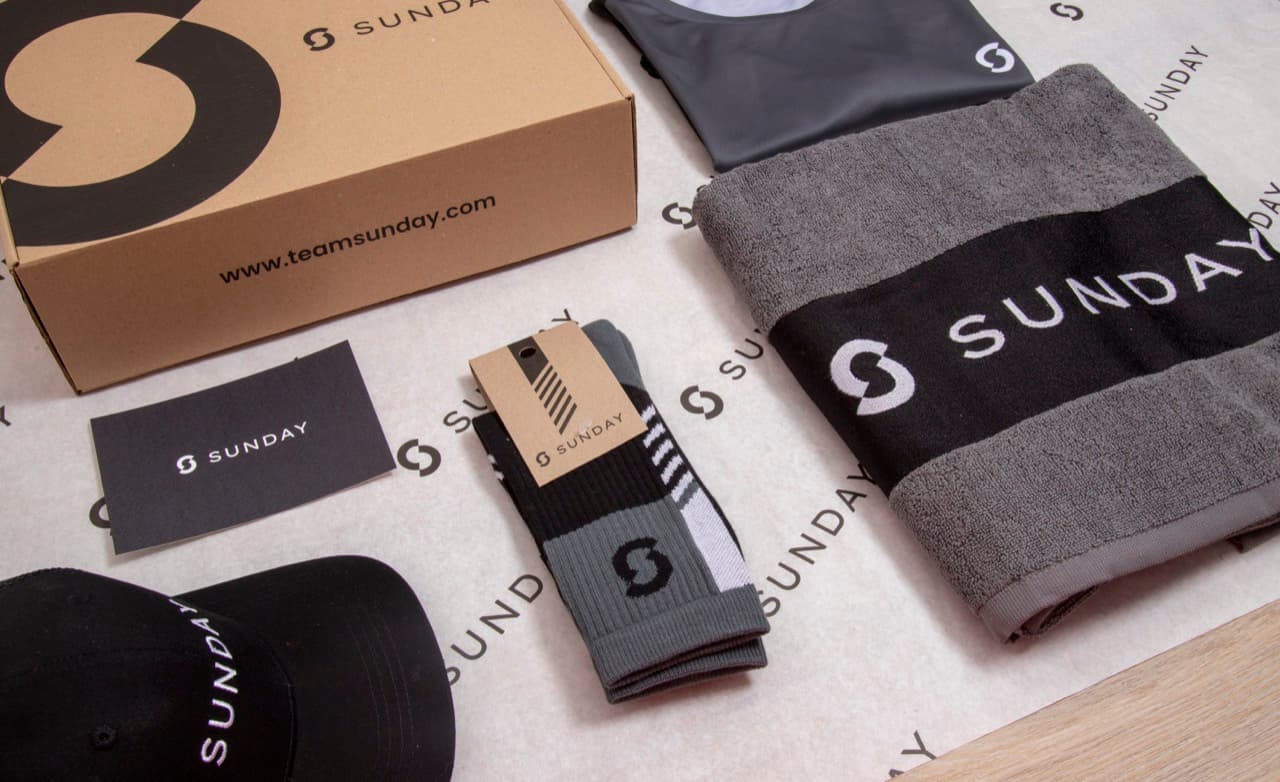
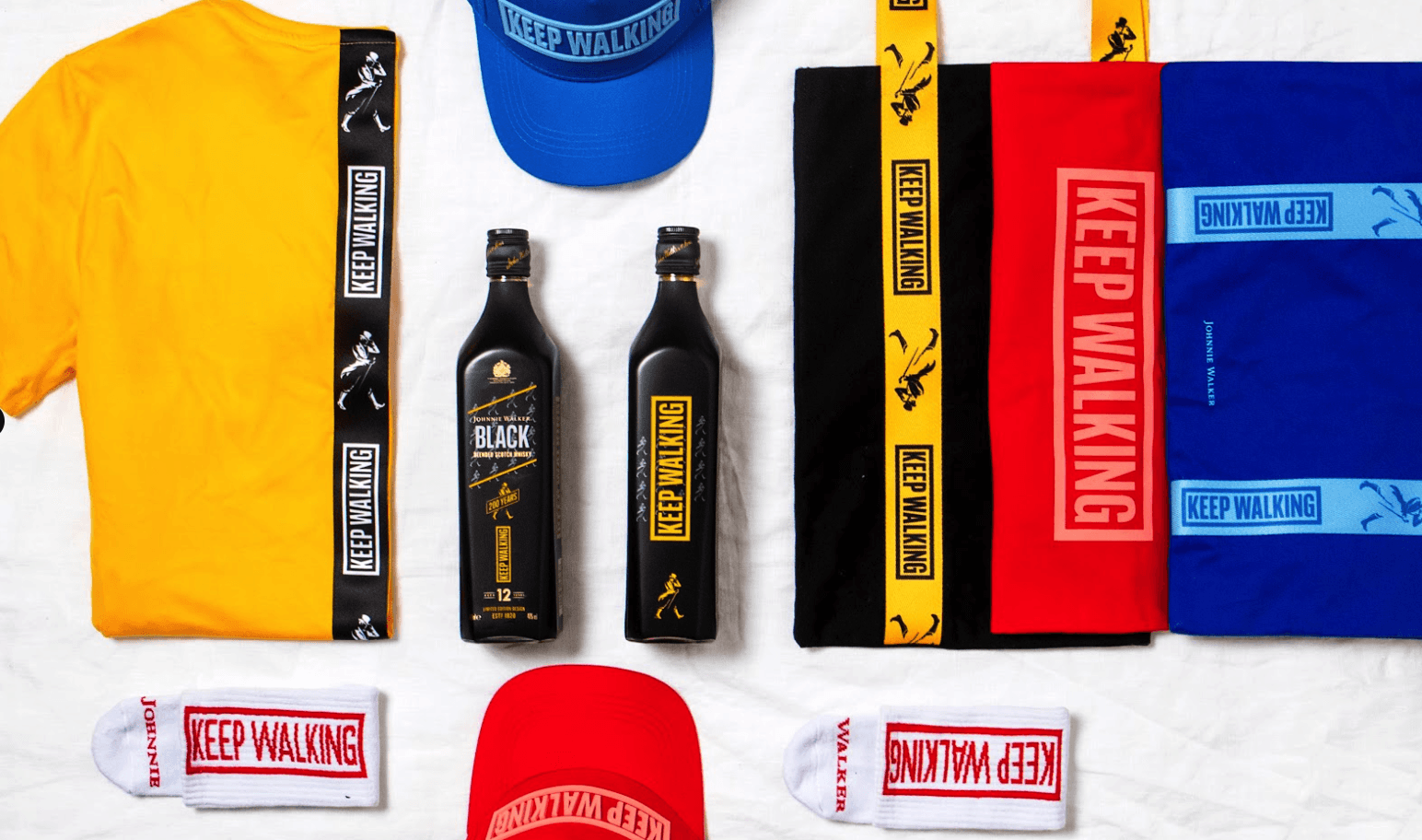
A practical example: a company name embroidered across the front of a cap. Each letter is built from satin stitches, so the text sits slightly raised off the fabric and reads with a clean, reflective shine that flat print cannot match.
How satin stitch works
The stitch is defined by two edges and a fill of threads that travel across the gap between them. In machine embroidery, a digitizer sets the stitch direction, density, and an underlay that supports the top threads. Underlay matters, since it stops the satin column from sinking into soft fabric and keeps the edges crisp.
Width is the main constraint. Satin stitch works well from roughly 1mm up to about 10mm. Below that the threads crowd and can break through the fabric, and above it the long threads snag or loosen with wear. For anything wider, a fill stitch breaks the area into shorter, locked rows that hold up better. Pull compensation also comes into play, because thread tension draws the fabric inward and can narrow fine columns if the design is not adjusted.
Thread choice shapes the result. High-sheen polyester or rayon thread gives satin stitch its brightest shine, while matte thread tones it down. Direction is a design lever too. Rotating the stitch angle within a letter changes how light hits it, which is why well-built satin lettering looks lively rather than flat.
Satin stitch in branded merch
- Logo lettering and wordmarks. Satin stitch is the standard for embroidered brand names and taglines. It keeps letters sharp and legible at small sizes on caps, polos, and jackets.
- Borders and outlines. A satin border frames a logo or patch with a clean raised edge. It is the finish that gives embroidered patches their defined, retail-quality rim.
- Monograms and premium detailing. Initials and small crests stitched in satin add a tactile, upscale touch to workwear, uniforms, and gifting pieces where a printed logo would feel cheaper.
Satin stitch is a series of closely spaced parallel stitches that fill a narrow shape with a raised, glossy, satin-like finish.
5 tips to elevate your Satin stitch strategy
| Tip | Steps |
|---|---|
| Watch the width | Keep satin columns under about 10mm, and switch to a fill stitch for wider shapes. |
| Add underlay | Ask your digitizer to include underlay so edges stay crisp on soft or stretchy fabric. |
| Set minimum text height | Hold embroidered lettering at 5mm or taller so satin letters stay legible. |
| Choose thread for sheen | Use polyester or rayon thread when you want the glossy satin look to stand out. |
| Approve a sew-out | Check a stitched sample before a full run, since fabric and density affect the finish. |
Key Terminologies
Frequently Asked Questions
What is satin stitch used for?
Satin stitch is used for embroidered lettering, borders, outlines, and small logo shapes. It gives narrow areas a smooth, glossy, slightly raised finish.
What is the maximum width for a satin stitch?
Most digitizers keep satin columns under about 10mm. Beyond that the long threads can snag or loosen, so a fill stitch is used for wider areas instead.
Why does satin stitch look shiny?
The threads run unbroken across the shape and lie parallel, so they reflect light in one direction. High-sheen polyester or rayon thread makes the effect stronger.
Is satin stitch good for small text?
Yes, within limits. Satin stitch keeps letters clean down to about 5mm tall. Below that the threads crowd and detail is lost, so text should be sized up.
What is the difference between satin stitch and fill stitch?
Satin stitch uses long parallel threads for a glossy finish on narrow shapes. Fill stitch uses short, locked rows to cover large areas with more durability and less sheen.