
Definition
A merchandising strategy is the plan that decides which branded products an organisation makes, who receives them, when, and what each item is supposed to achieve. It turns merch from a series of one-off orders into a repeatable programme with a budget, an owner, and measurable outcomes. Most companies buy merch. Far fewer decide, in advance, what that merch is for.
Definition
A merchandising strategy sets the rules for your product range, your recipients, your budget, and your success metrics before anything is printed. It answers four questions: what do we make, for whom, at what cost per person, and how will we know it worked. Everything downstream, including product selection, decoration method, sizing, packaging, and reorder cadence, follows from those answers.
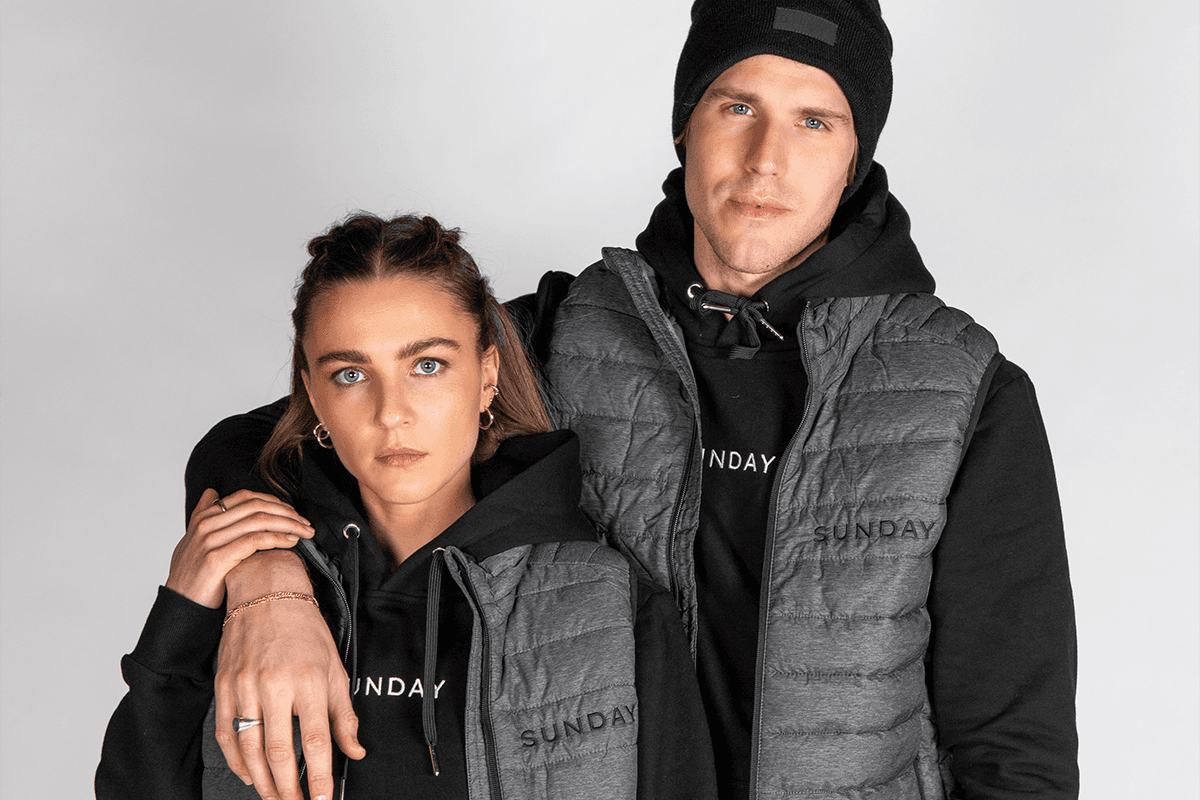
A concrete example. A 400-person SaaS company defines three merch tracks: an onboarding kit for every new hire (hoodie, bottle, sticker set, capped at 60 euro per person), an event range for six trade shows a year (tote, cap, notebook, priced to give away 500 units per show), and a recognition range for five-year anniversaries (a premium knitted jumper, 120 euro, ordered on demand). Each track has a fixed product list, a budget line, and an owner. That document is the merchandising strategy. The purchase orders are just the output.
Why merchandising strategy matters
Without a merchandising strategy, merch spend fragments. Marketing orders one set of t-shirts, HR orders another, a regional office orders a third, and none of them match. Three logo versions, three suppliers, three price points, and no way to report on any of it. The cost is not only budget waste. It is brand drift, where the physical version of your brand slowly stops resembling the digital one.
A strategy also fixes the demand problem. Merch is usually bought reactively, two weeks before an event, at rush prices, in guessed quantities. A plan built on a known calendar of hires, events, and campaigns lets you forecast volume, consolidate orders, and buy at sensible lead times. That single change typically moves more value than any negotiation on unit price.
Then there is the measurement question. A merchandising strategy defines what a good result looks like for each track, so you can judge it. Onboarding merch is measured by new hire sentiment and day-one readiness. Event merch is measured by qualified conversations per unit given away. Recognition merch is measured by retention and by whether people actually wear it. Different jobs, different metrics. A single "merch budget" line in a spreadsheet tells you nothing.
Merchandising strategy in branded merch
- Building a tiered product range. Define a core range that is always available (the everyday tee, the hoodie, the bottle), a seasonal range that rotates twice a year, and a premium tier reserved for milestones and executive gifting. Tiering stops every request from defaulting to the most expensive option and gives requesters an obvious right answer.
- Setting audience rules. Map each audience to a spend band and a product set. New hires, long-tenured employees, event visitors, customers, and partners have different expectations. Writing the bands down removes the awkward case-by-case negotiation and keeps corporate gifting consistent across regions.
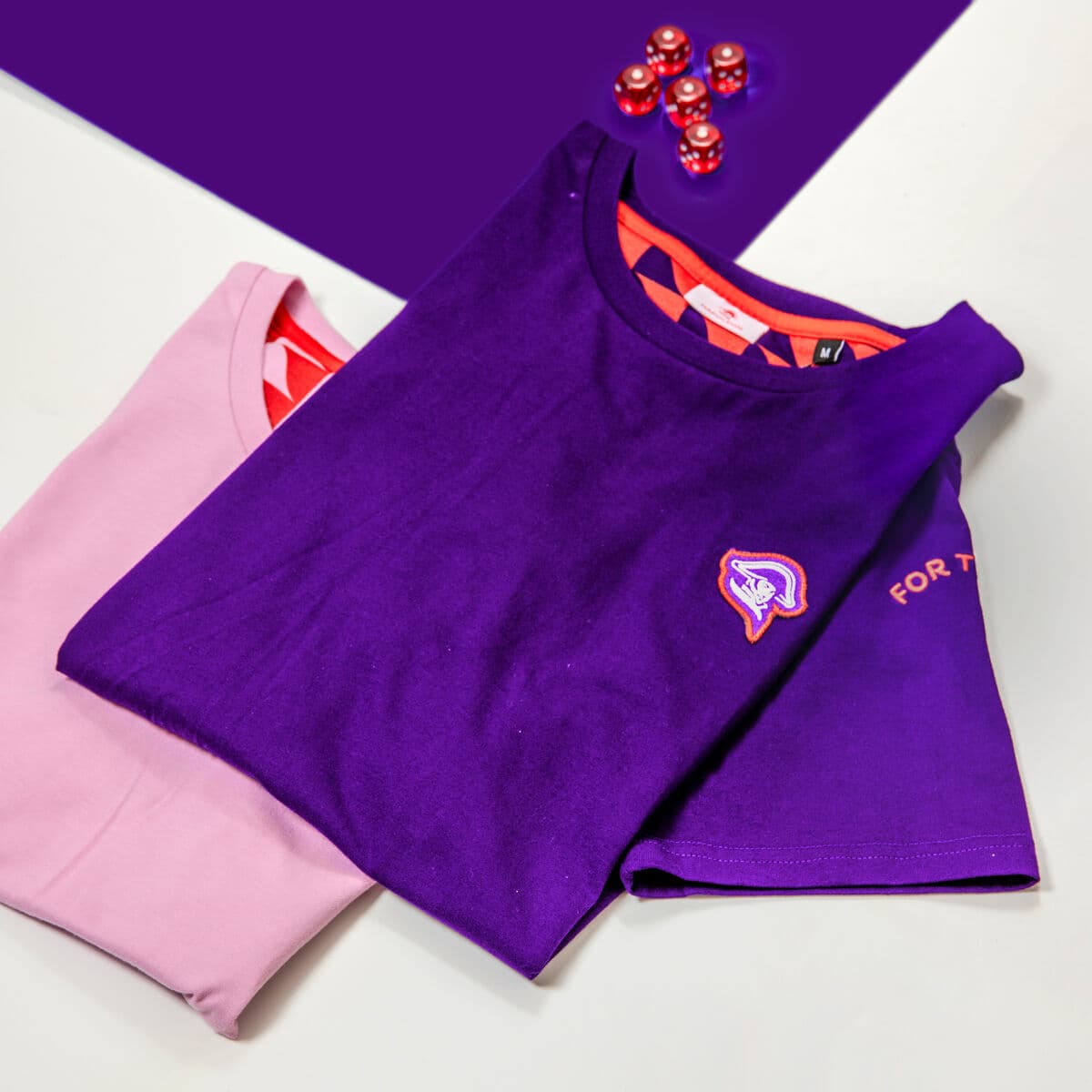
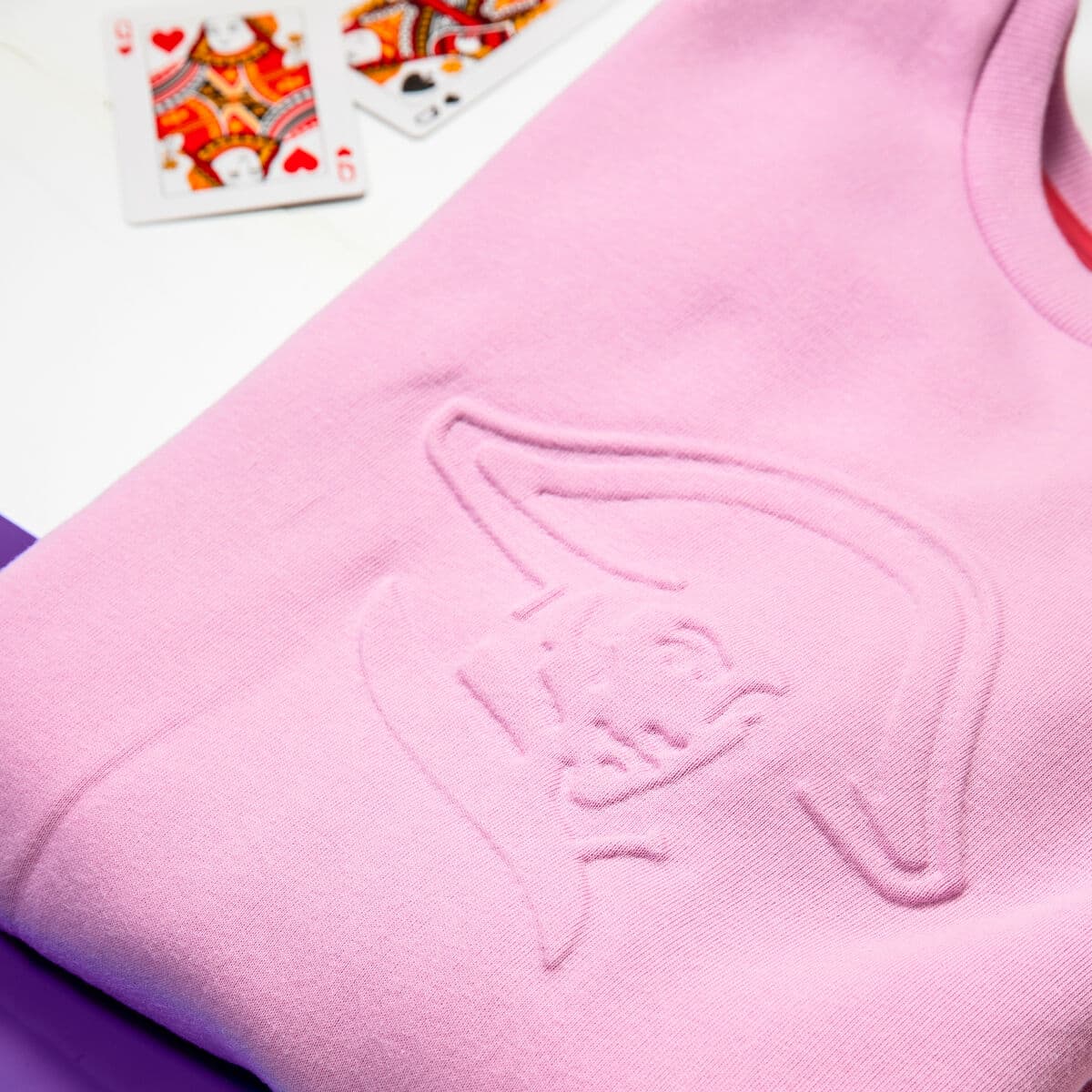
- Governing the brand on physical products. A merchandising strategy fixes which logo lock-up, which colourways, and which decoration methods are approved for which garments. This is where your brand guidelines meet reality, because a two-colour print behaves nothing like a screen.
A merchandising strategy is a documented plan that links every branded product to a specific audience, moment, and business outcome.
5 tips to elevate your Merchandising strategy strategy
| Tip | Steps |
|---|---|
| Start from the calendar | List every hiring wave, event, campaign, and anniversary for the next 12 months, then build the range to serve them. |
| Cap the SKU count | Twelve well-chosen products beat forty. Fewer SKUs mean better pricing, cleaner stock, and less dead inventory. |
| Set spend bands per audience | Publish the per-person budget for new hires, events, and milestones so requesters stop asking. |
| Choose one decoration per garment | Lock the print or embroidery method per product so repeat orders match the first batch exactly. |
| Review quarterly, not never | Retire the products nobody claims. Reorder the ones that run out. Let usage data drive the range. |
Key Terminologies
Frequently Asked Questions
What should a merchandising strategy include?
It should include the product range, the audiences and their spend bands, the annual calendar of merch moments, approved decoration and brand rules, the budget, and the success metric for each track. Anything less is a shopping list.
Who owns the merchandising strategy?
Usually marketing owns brand and external merch, while HR or people ops owns internal merch such as onboarding and recognition. The strategy works best when one document covers both and one person is accountable for keeping it current.
How is a merchandising strategy different from a merch order?
An order is a single transaction for a specific quantity of goods. A merchandising strategy is the standing plan that determines which orders get placed, for whom, at what budget, and on what schedule.
How much should we budget per person?
There is no universal number, but most companies land between 40 and 80 euro for a new hire kit, 5 to 15 euro for event giveaways, and 100 euro or more for milestone gifts. Set the band deliberately, then hold the range to it.
How do you measure whether a merchandising strategy is working?
Track claim rate (how many people actually order the merch you offer), reorder rate, cost per person, and qualitative feedback. If items sit unclaimed in a warehouse, the range is wrong, not the audience.