Definition
Pilling is the formation of small balls of tangled fiber on the surface of a fabric, caused by friction during wear and washing. Those bobbles make a garment look tired long before it is actually worn out. It is a surface issue rather than a structural one, but for branded merch it is the fastest way to make a good product look cheap.
Definition
Pilling develops in three steps. Loose fiber ends work their way out of the yarn and create a fuzzy surface. Continued rubbing rolls that fuzz into a tight little ball. The ball then either breaks off or stays anchored by fibers strong enough to hold it. That last step decides everything. On a 100% cotton tee, pills usually snap off in the wash because cotton fibers are relatively weak. On a cotton and polyester blend hoodie, the polyester fibers are strong and hold the pill in place, so it builds up. That is why a 50/50 sweatshirt often shows bobbles on the sleeves and side seams after a handful of washes, while a well-made combed cotton tee stays smooth.
How pilling works
Pilling starts with abrasion. Anywhere a fabric rubs against itself or against something else is a hotspot: inner sleeves, underarms, the spot where a backpack strap sits, the side of the hip where an arm swings, and collar edges. Washing machines add their own abrasion, especially when garments are packed tightly or washed alongside rough items like denim or hook-and-loop fasteners.
Fiber and yarn construction decide how bad it gets. Short staple fibers have more loose ends per centimeter of yarn, so they migrate to the surface faster. Loosely twisted yarn releases those ends more easily. Open, low-density knits give fibers room to move. Combine short fibers, low twist and a loose knit and pilling shows up within weeks. Long staple cotton, ring-spun yarn with a high twist and a tight knit push the problem out by months or years.
Mills can also treat the fabric. Singeing burns off surface fuzz, bio-polishing uses enzymes to remove protruding fiber ends, and resin finishes bind fibers in place. Each has a cost. Aggressive finishing strips some fabric weight and can reduce softness, so there is a real trade-off between a smooth surface and a plush hand feel. Fabrics are graded for pill resistance on a scale of 1 to 5 using a standard test such as ISO 12945 or the random tumble method, where 5 means no pilling and 1 means severe pilling. Ask for a rating of 4 or better on anything people will wear weekly.
Pilling in branded merch
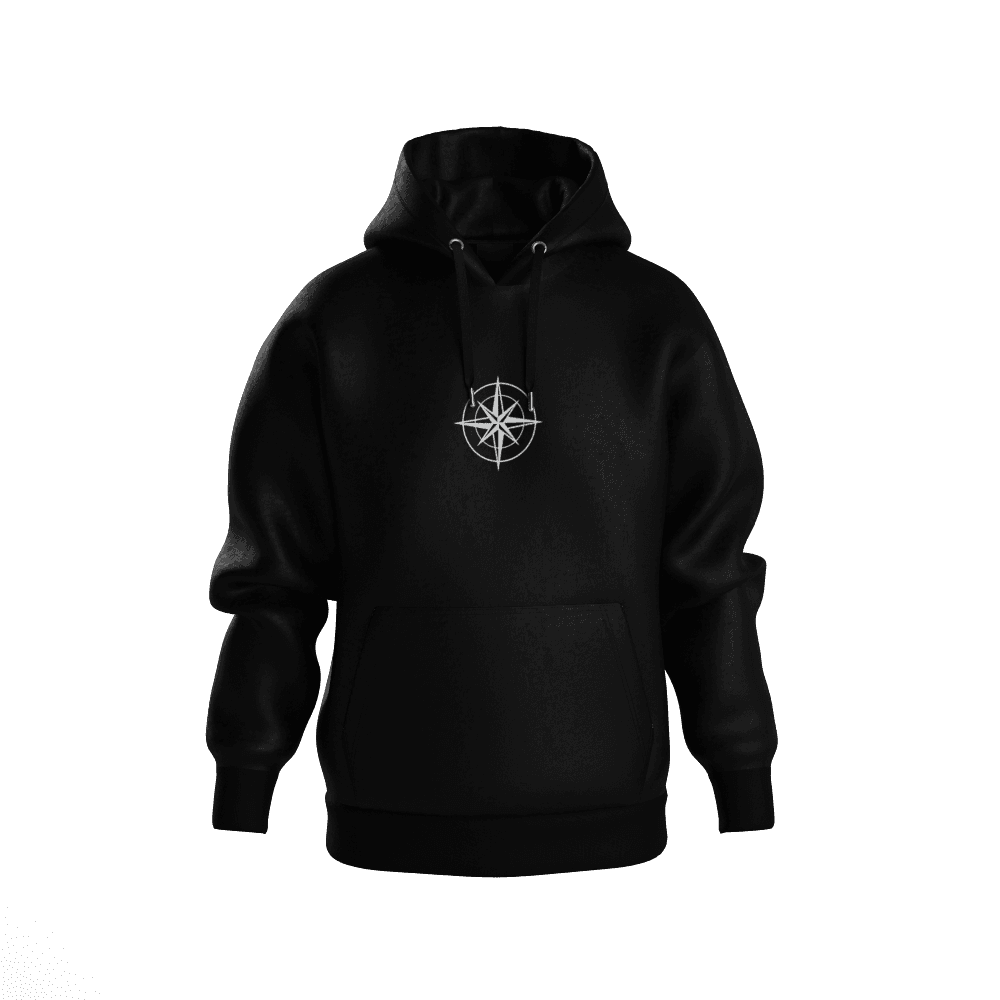
- Choosing fabric for high-wear items. Hoodies, fleece jackets and sweatpants take the most abrasion and pill first. Specify ring-spun or combed yarn and a tight knit for these pieces, and treat brushed fleece interiors as a known risk that needs a good finish.
- Writing pilling into the spec. Put a minimum pill rating in your tech pack alongside color and GSM. It turns a vague quality expectation into something a factory can be measured against on every reorder.
- Protecting long-life gifting. Onboarding kits and anniversary gifts get worn for years. A tee that bobbles after five washes undoes the whole message, so pay for combed cotton where the item is meant to last.
Pilling is the build-up of small balls of loose, tangled fiber on a fabric surface, formed when abrasion pulls fiber ends out of the yarn and rolls them together.
5 tips to elevate your Pilling strategy
| Tip | Steps |
|---|---|
| Ask for the pill rating | Request the ISO 12945 or ASTM grade before you approve a sample, and set 4 as your floor. |
| Rub the sample yourself | Rub a swatch briskly against itself for 30 seconds. If fuzz appears, it will pill in real life. |
| Favor long staple and high twist | Ring-spun combed yarn resists pilling far better than open-end yarn at a similar weight. |
| Print the care advice | Add wash cold, inside out, no fabric softener to the care label so wearers do not speed it up. |
| Watch the blends | Cotton and polyester blends anchor pills. If you need a blend, ask for a high-twist yarn and a dense knit. |
Key Terminologies
Frequently Asked Questions
What causes pilling on clothes?
Friction. Rubbing during wear and washing pulls loose fiber ends to the surface and rolls them into balls. Short fibers, loosely twisted yarn and open knits make it happen faster.
Can pilling be removed?
Yes. A fabric shaver or a sweater comb removes existing pills safely. Do not pull them off by hand, since that drags more fiber out of the yarn and makes the next round worse.
Which fabrics pill the most?
Cotton and polyester blends, acrylic, wool blends and brushed fleece pill most readily, because strong synthetic fibers hold the pills in place. Long staple cotton, linen and silk pill the least.
Does a higher GSM prevent pilling?
Not on its own. A heavier fabric is usually denser, which helps, but yarn quality and twist matter more. A 320 GSM fleece made from short staple yarn will still pill.
How do you stop merch from pilling?
Specify combed, ring-spun yarn and a tight knit, ask for a pill rating of 4 or 5, and print care instructions telling wearers to wash cold and inside out. Prevention at the spec stage beats any fix afterwards.