
Definition
Production time is the number of working days a factory or decorator needs to make and decorate your order after artwork is approved and before the boxes leave the building. It starts at approval, not at the moment you place the order. Shipping is counted separately, which is why production time and lead time are different numbers on the same quote.
Definition
Production time covers everything that happens on the factory floor. Pulling blanks from stock, preparing screens or stitch files, running the decoration, curing, quality control, folding, and packing. It is expressed in working days, so weekends, public holidays, and factory shutdowns push the calendar date out even when the day count stays the same.
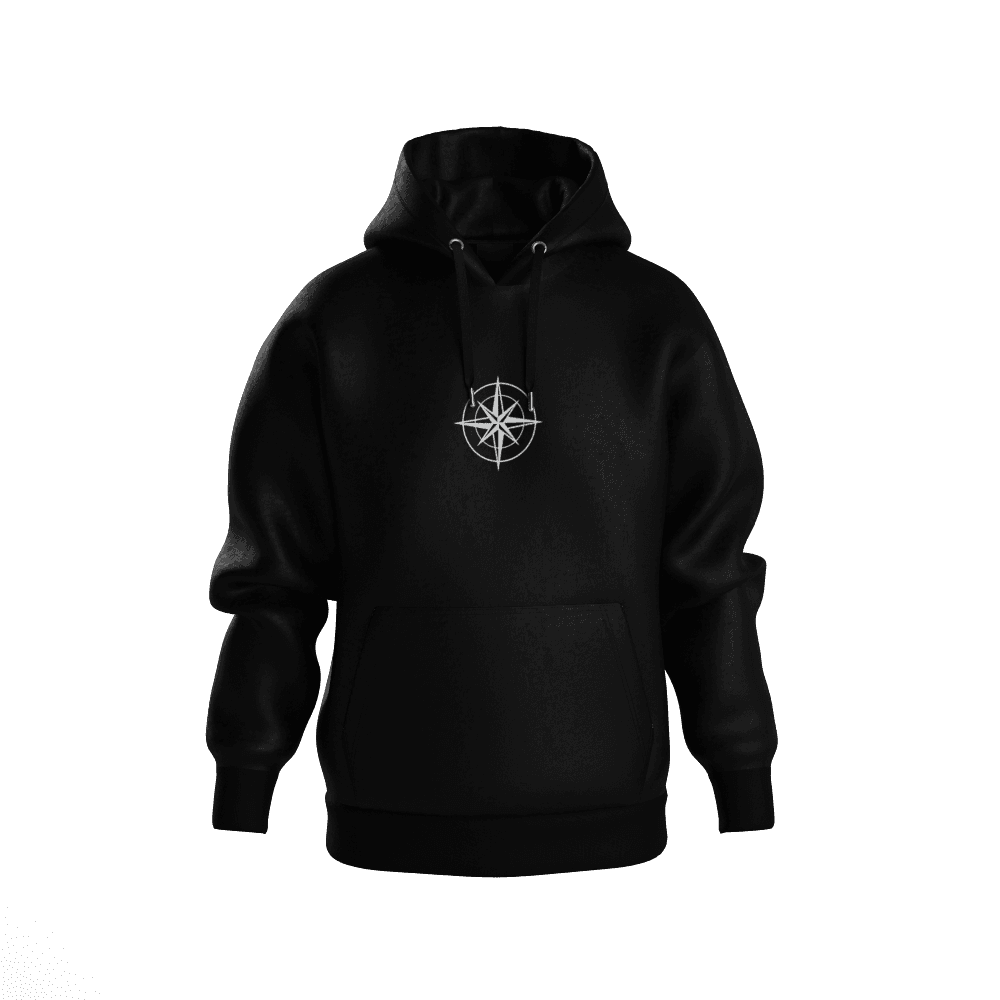
For example, a decorator quotes 10 working days production time on 300 embroidered hoodies. You approve the artwork on a Monday. Production is ready two weeks later on the Friday, then transit adds another two to four days. If you needed the hoodies for an onboarding day on the 20th, the real question was never the ship date, it was whether artwork approval happened early enough to fit the 10 days.
How production time works
Three things set the clock. First, decoration method. Screen printing needs screens burned and ink mixed before the press runs, embroidery needs a digitized stitch file, and laser engraving or pad printing needs a plate or program. Digital methods like DTG and DTF skip most of the preparation, so they usually produce faster on small quantities. Colour matching to a Pantone reference adds a step because the ink has to be mixed and test printed before the run starts.
Second, quantity and complexity. A single-colour print on 100 tote bags might clear in three days. The same 100 bags with a five-colour front, a back print, and a woven label move through more stations, and each station has its own queue. Multi-location decoration means the item is handled several times, and every extra handling adds hours.
Third, capacity and stock. Factories schedule in slots. If your job lands in a busy window, September and October for year-end merch, or the weeks before a major trade show, the queue itself becomes the longest part of the estimate. Stock matters too. If the blank garment is in a European warehouse, production starts immediately. If the blank has to be produced or shipped in first, that time sits in front of production and doubles the wait. Ask what the number includes before you build a launch plan around it.
Production time in branded merch
- Event and conference merch. Work backwards from the event date. Add transit, then production time, then artwork approval and sampling, and you get the real deadline for signing off the design.
- Onboarding and welcome kits. New hire kits need predictable timing every month. Producing evergreen items in batches and holding them in stock removes production time from each individual request.
- Campaign launches and drops. A drop tied to a marketing date has no flexibility on the far end. Locking artwork early is the only lever that reliably protects the ship date.
Production time is the working days a supplier needs to produce and decorate an approved order, measured from artwork approval to the moment the goods are ready to ship.
5 tips to elevate your Production time strategy
| Tip | Steps |
|---|---|
| Approve artwork fast | The clock starts at approval, so a two-day delay in sign-off is a two-day delay in delivery. |
| Ask what the number includes | Confirm whether the quote covers blanks, decoration, and packing, or decoration only. |
| Book capacity in peak season | Reserve a production slot in Q4 before the queue fills up, even if artwork is not final. |
| Simplify the decoration | Fewer colours and fewer print positions mean fewer stations and a shorter run. |
| Hold stock for repeat items | Pre-produce evergreen merch so recurring orders ship from a warehouse instead of a factory. |
Key Terminologies
Frequently Asked Questions
What is a typical production time for branded merch?
Most decorated apparel runs 7 to 15 working days after artwork approval. Simple digital prints on in-stock blanks can be faster, while custom-made products or multi-decoration items can take four to six weeks.
Is production time the same as lead time?
No. Production time covers only the making and decorating. Lead time covers the full journey from order to delivery, so it adds artwork approval, sampling, and shipping on top.
Does production time start when I place the order?
Usually no. It starts when artwork is approved and payment or purchase order terms are settled. Anything unresolved before that point sits outside the quoted days.
Why do rush orders cost more?
A rush order jumps the production queue, which means the factory reschedules other jobs, pays for overtime, or books a faster shipping method. That disruption is what you pay for.
How can I shorten production time?
Approve artwork early, keep the decoration simple, choose products that are in stock, and pick a digital printing method for small runs. Holding pre-produced stock removes production time from repeat orders entirely.