Definition
Recycled nylon is a synthetic fabric made from reclaimed nylon waste instead of virgin petroleum. Discarded fishing nets, fabric scraps, and old carpet are broken down and respun into yarn that performs like new nylon. The result is a strong, lightweight material with a much smaller footprint.
Definition
Recycled nylon is regenerated polyamide produced by recovering nylon waste and processing it back into usable yarn. The best known version is ECONYL, made through chemical recycling that returns the waste to its raw building blocks, so the fiber quality matches virgin nylon. A common example is a branded backpack woven from yarn that started as ghost fishing nets pulled from the ocean.
How recycled nylon works
There are two main routes. Mechanical recycling shreds and melts nylon waste, then extrudes it into new fiber. It is cheaper but can shorten the polymer chains, which affects strength. Chemical recycling, used for ECONYL, depolymerizes the waste back to its base monomer and rebuilds the nylon from scratch. This route gives you fiber that can be recycled again and again with no loss in quality.
The feedstock matters. Pre-consumer waste includes factory offcuts and yarn waste. Post-consumer waste includes fishing nets, carpet, and industrial plastic recovered from the field. Brands that want the strongest sustainability story usually look for a high share of post-consumer content.
Recycled nylon keeps the properties that make nylon useful. It is abrasion resistant, holds its shape, dries fast, and takes color well. The main trade-offs are cost, since recycling is more expensive than virgin production, and microfiber shedding, which applies to all synthetics. For most merch uses the durability and reduced footprint outweigh the price gap.
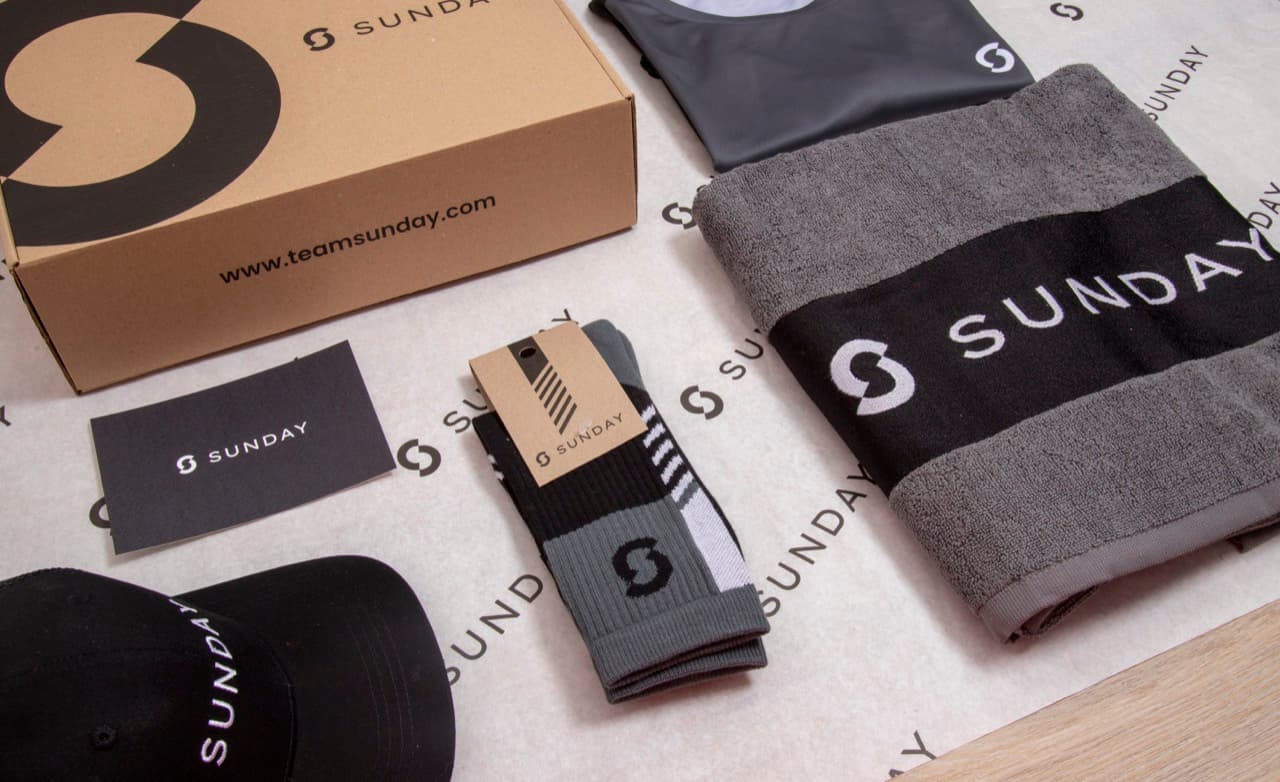
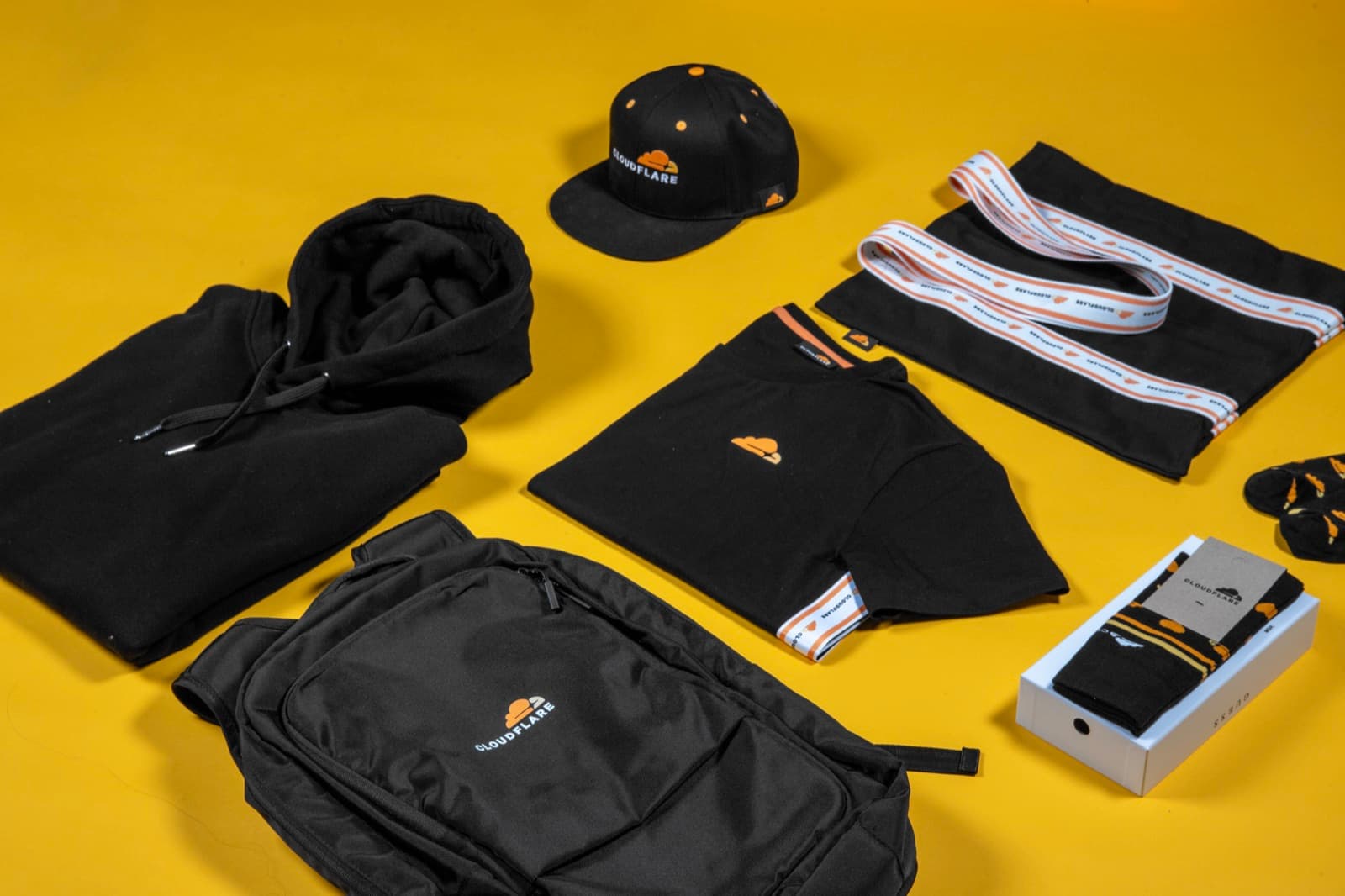
Recycled nylon in branded merch
- Bags and backpacks: The strength and water resistance of recycled nylon make it a natural fit for branded daypacks, totes, and laptop sleeves that need to survive daily use.
- Outerwear and activewear: Jackets, windbreakers, and gym gear benefit from the lightweight, quick-dry feel while carrying a credible recycled claim.
- Accessories: Lanyards, pouches, caps, and travel kits use small amounts of fabric, so recycled nylon adds a sustainability angle at low extra cost.
Recycled nylon is a durable performance fabric spun from reclaimed nylon waste rather than new petroleum.
5 tips to elevate your Recycled nylon strategy
| Tip | Steps |
|---|---|
| Ask for the certificate | Request GRS or RCS documentation to confirm the recycled content is verified. |
| Check the recycled percentage | A product can be partly recycled, so confirm the exact share before you make a claim. |
| Favor post-consumer waste | Post-consumer feedstock like fishing nets tells a stronger story than factory scraps. |
| Match fabric to use | Use heavier deniers for bags and lighter weaves for apparel to balance durability and feel. |
| Plan end of life | Choose mono-material designs where possible so the item can be recycled again later. |
Key Terminologies
Frequently Asked Questions
Is recycled nylon as strong as regular nylon?
Yes when it is made through chemical recycling. That process rebuilds the fiber to virgin quality, so strength and durability match standard nylon. Mechanically recycled nylon can be slightly weaker.
What is recycled nylon made from?
It is made from nylon waste such as discarded fishing nets, carpet, fabric offcuts, and industrial plastic. This waste is processed back into yarn instead of using new petroleum.
Is recycled nylon better for the environment?
It uses less petroleum and diverts waste from landfills and oceans, which lowers its footprint compared with virgin nylon. Like all synthetics, it can still shed microfibers, so it is an improvement rather than a perfect solution.
How can I verify recycled nylon claims?
Ask for certification such as the Global Recycled Standard or the Recycled Claim Standard. These confirm the recycled content and trace it through the supply chain.
What is ECONYL?
ECONYL is a well known brand of regenerated nylon made by Aquafil through chemical recycling. It uses waste like ghost fishing nets and can be recycled repeatedly.