Definition
A pop-up shop is a temporary retail space that opens for a short, fixed period and then closes. Brands use them to sell products, launch campaigns and meet people face to face without signing a multi-year lease. In branded merch the same model runs online, as a time-limited store that takes orders inside one window.
Definition
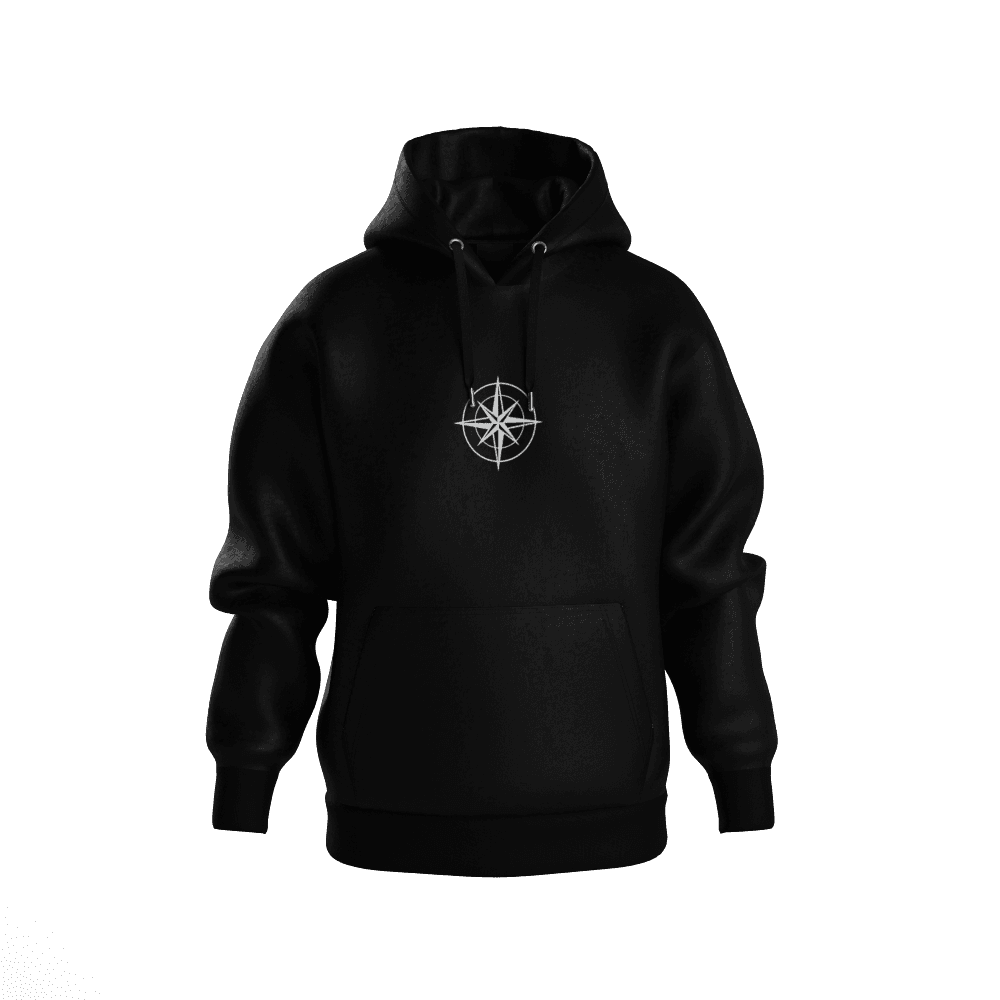
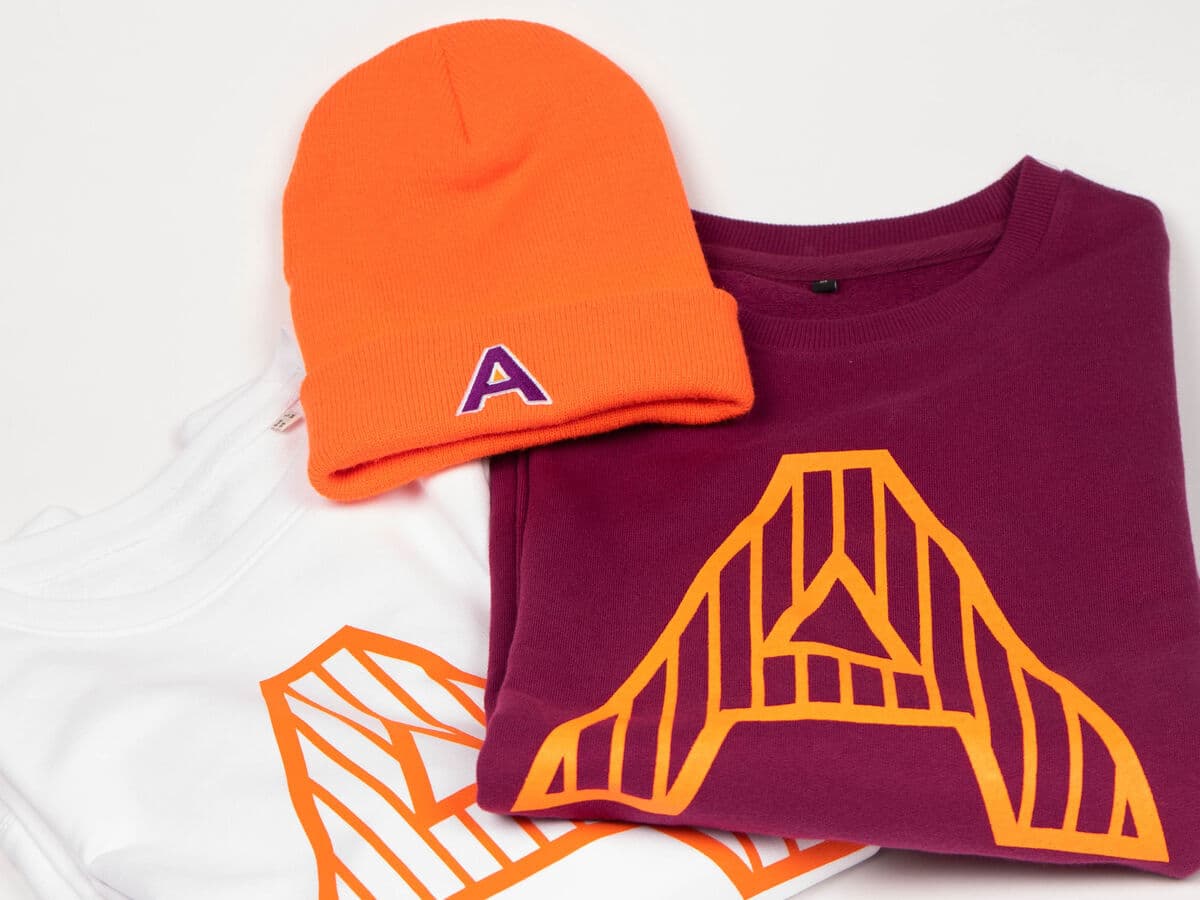
A pop-up shop trades scale for speed. Instead of permanent floor space and permanent inventory, you take a short lease or a booth, dress it, sell for days or weeks, and pack it down. A software company at a developer conference might run a four-day pop-up beside its booth with 300 hoodies, 500 caps and a live embroidery station. Attendees pick a size, get the logo stitched on the spot, and walk out wearing the brand.
How a pop-up shop works
Start with a window and a location. Pick dates that sit on top of existing demand, a conference week, a product launch, a festival, a holiday season, then secure a space with the right footfall. Short-term retail, a mall kiosk, a trade show stand or a corner of a partner's store all work. Fit-out stays light. Modular shelving, a portable point of sale, signage and a small team.
Inventory is where most pop-ups win or lose. You are forecasting demand for a market you have never traded in, over a period too short to reorder. Overbuy and you carry stock for months. Underbuy and you face empty shelves on day two. The fix is a tight core range in the sizes and colors that actually move, plus a QR code that sends people to an online store when a size runs out. A sellout becomes an order, not a lost sale.
The economics differ from permanent retail. Rent is short and often revenue-shared, staffing is small, and the marketing value can beat the till. A pop-up generates content, email signups, press and direct feedback on products still in testing. It also tests a new city or audience before you commit. The trade-offs are real. Lead times on custom product are unforgiving, footfall outside the event bubble is unpredictable, and every unstaffed hour earns nothing.
Pop-up shops in branded merch
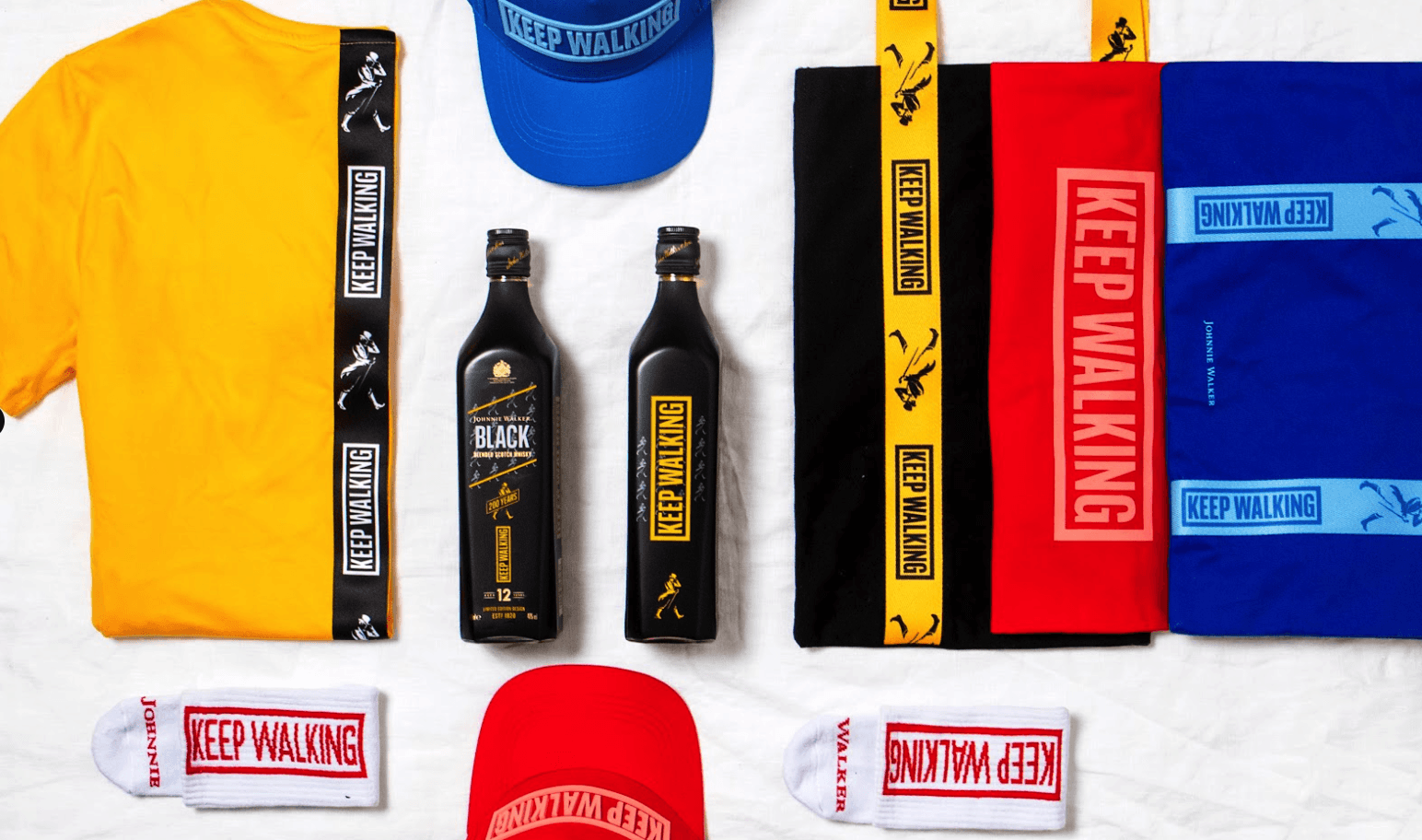
- Trade show and conference stores. Turn a booth into a shop. Instead of the same pens everyone else hands out, sell or gift a small run of genuinely good pieces and personalize them on site. Visitors queue, and the queue is the brand activation.
- Employee and internal pop-up stores. Open a merch store for two weeks, let staff pick their own sizes and items, then produce to the exact order. No dead stock, no guessing at sizes. This is a company store run in a burst instead of year-round.
- Launch and partnership drops. A new office, a rebrand, a collab, a sponsorship. A limited run gives the moment a deadline, and a deadline makes people act. Pair it with print on demand so the range can flex without inventory risk.
A pop-up shop is a temporary store, physical or online, that opens for a defined period to sell products, launch a campaign or reach a specific audience in person.
5 tips to elevate your Pop-up shop strategy
| Tip | Steps |
|---|---|
| Work backwards from the date | Lock decoration and delivery lead times first, then set the opening date. |
| Keep the range tight | Five products in the right sizes beat twenty you cannot restock. |
| Capture demand after sellout | Put a QR code on empty shelves that opens an online store, so a sellout still converts. |
| Personalize on site | Live embroidery, patches or name printing turn a transaction into a memory. |
| Measure more than sales | Track signups, samples, content captured and product feedback. |
Key Terminologies
Frequently Asked Questions
How long does a pop-up shop usually run?
Most pop-up shops run from a single day to three months. Event and conference pop-ups typically last two to five days, while seasonal retail pop-ups often run four to eight weeks.
How much does a pop-up shop cost?
Cost depends on space, stock and staffing. A booth store can start in the low thousands, while a short lease on a high street unit with fit-out and inventory runs much higher. Revenue-share deals reduce the upfront risk.
What merch sells best in a pop-up shop?
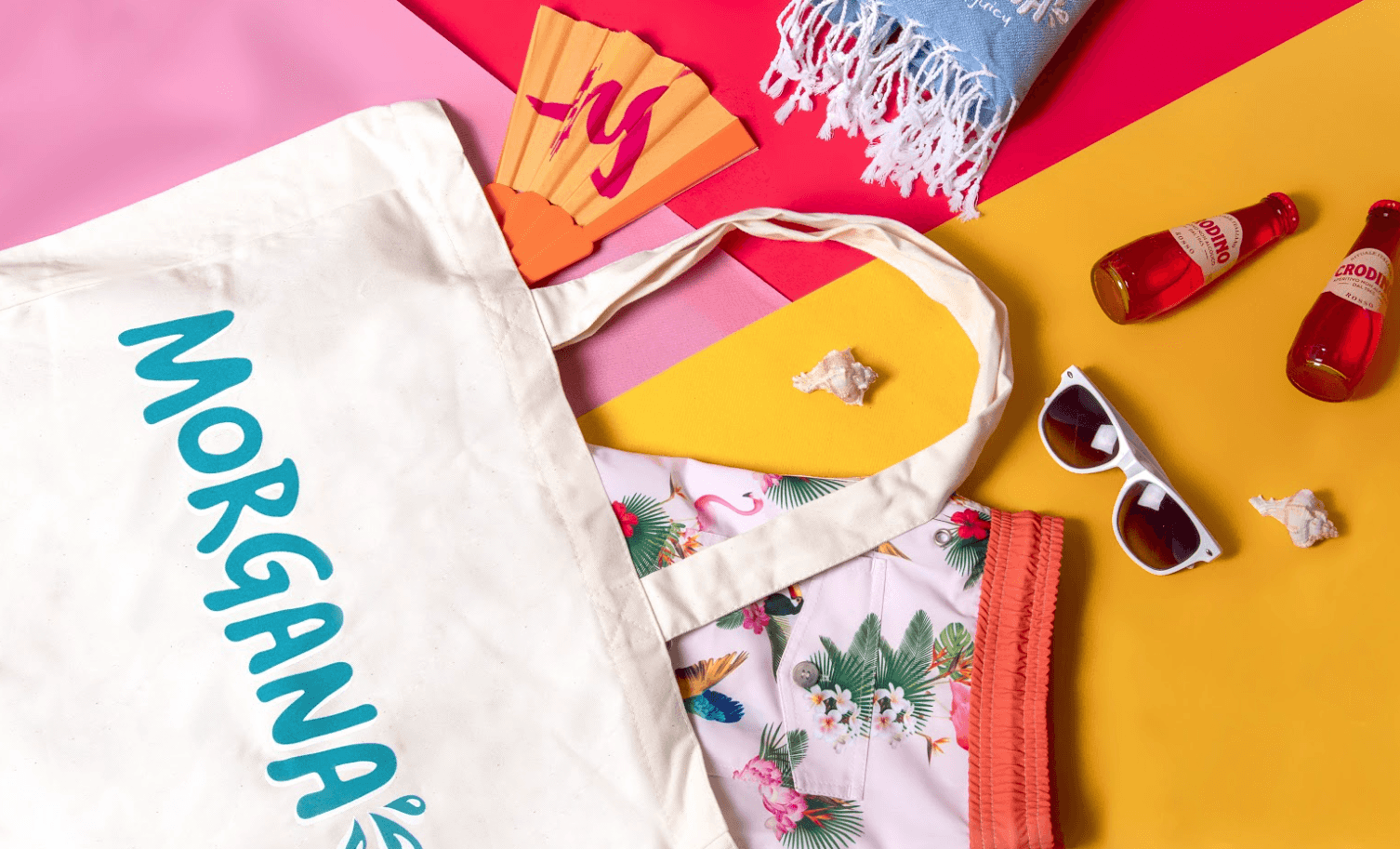
Wearables people can use immediately do best, especially t-shirts, hoodies, caps and tote bags. Limited-run and personalized items sell fastest because the pop-up itself gives them scarcity.
Can a pop-up shop be online only?
Yes. An online pop-up store opens for a fixed window, collects all orders, then closes and produces the exact quantity ordered. It is the standard way to run internal merch drops without carrying stock.
How do you avoid leftover stock after a pop-up shop?
Order a narrow core range in proven sizes, produce the rest on demand, and route sellouts to an online store. Anything left over goes into onboarding kits or the next event.