Definition
Brand activation is a live campaign built to make people interact with a brand rather than simply notice it. It turns awareness into an action: a product tried, a space entered, a queue joined, an item taken home. The activation is the moment. The merch is usually what leaves with the person and keeps working afterwards.
Definition
A brand activation is any campaign designed around participation. Pop-ups, sampling stands, product launches, sponsorship takeovers, roadshows, conference booths, community runs and street stunts all count. The format varies. The mechanic does not. Someone has to do something, and they get something back for doing it.
A worked example. A running brand rents a city square for a weekend, sets up a gait analysis station and a 2 km test loop, and invites anyone walking past to try a shoe. Everyone who finishes the loop leaves with a technical tee carrying the route and the brand mark, plus a drawstring bag for their old shoes. Two thousand people run it. Two thousand tees go into circulation in that city. The square is empty by Monday morning. The tees are not.
Why brand activation matters
People forget what they were told and remember what they did. That is the entire argument for activation. A digital impression costs a fraction of a cent and buys a second of half-attention. An activation costs several euros a head and buys ten minutes of full attention, a physical memory and, more often than not, a post. The cost per contact is much higher. The quality of the contact is not in the same category.
Activations are also honest about results in a way brand advertising rarely is. You can count participants, samples handed out, scans, sign-ups, items claimed and tagged posts. Better still, you can talk to people while they are standing in front of you and find out what they actually think of the product. Most brands learn more in one weekend of activation than in a quarter of survey data.
The trade-offs are real. Reach is small compared to media spend, logistics are heavy, staffing is expensive and the weather has an opinion. The biggest risk is the object. If the thing people take home is a thin tee that shrinks or a pen that stops writing, the activation has bought a bad memory at full price. Quality of the giveaway is not a detail at the end of the budget. It is the part of the campaign with the longest shelf life.
Brand activation in branded merch
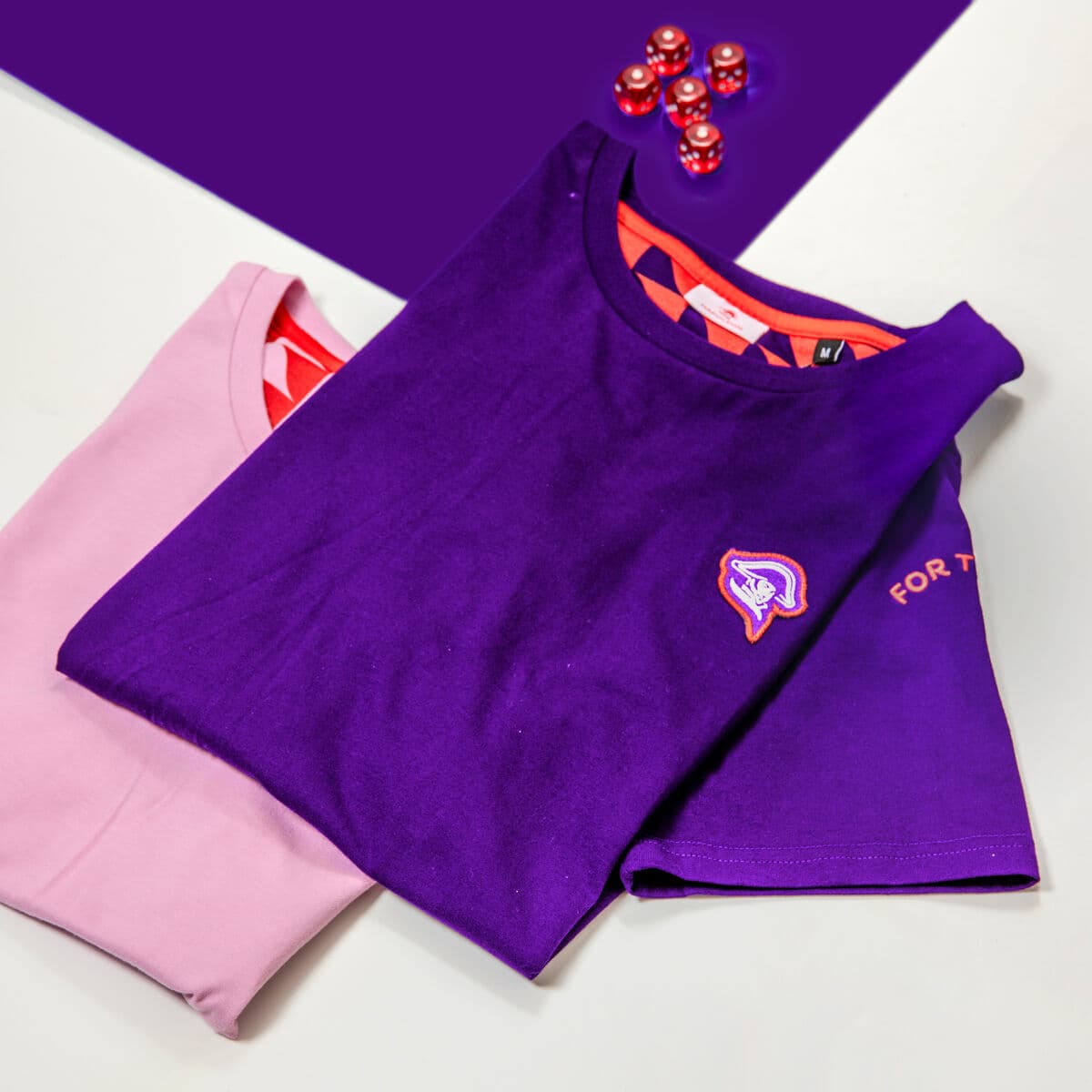
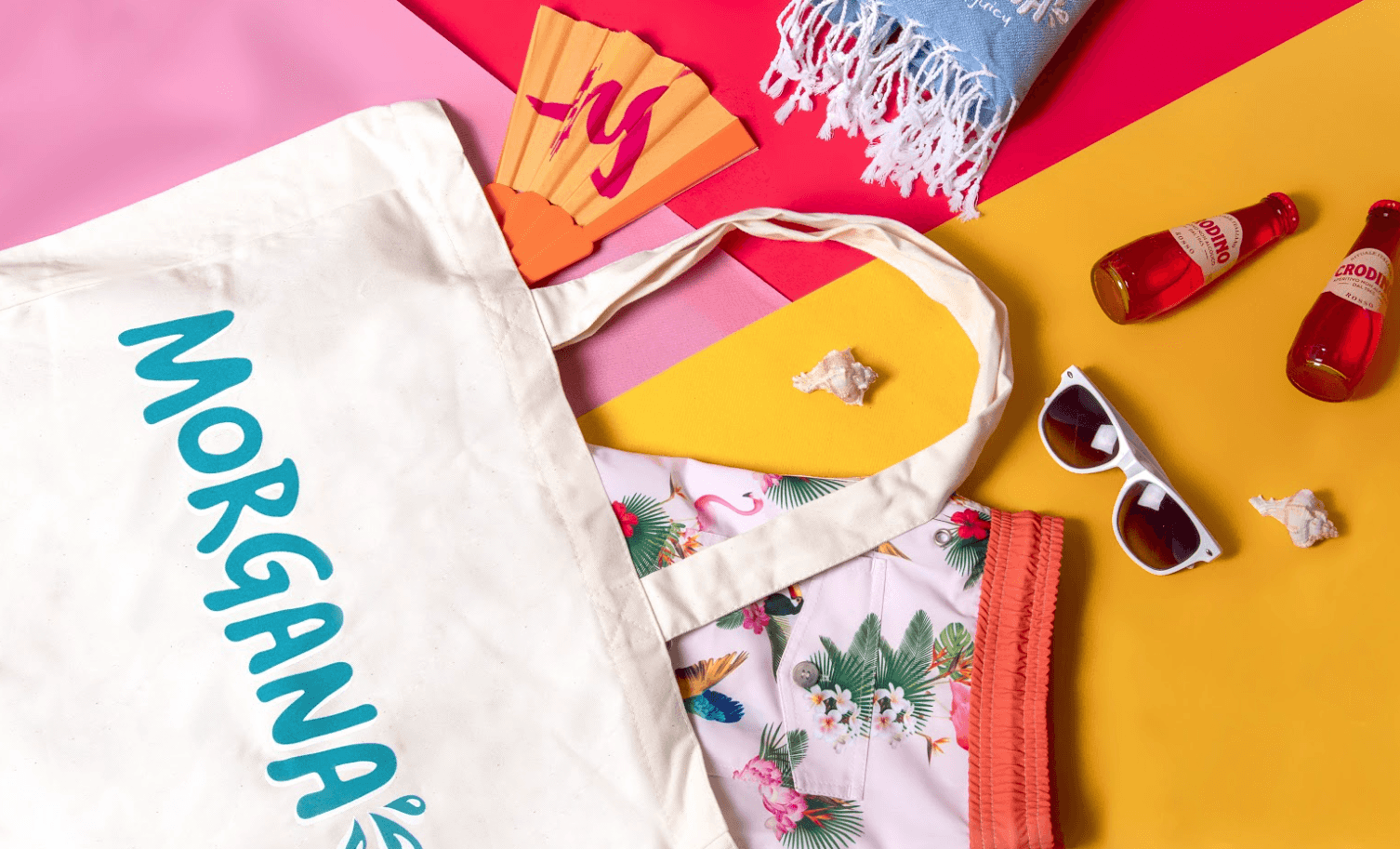
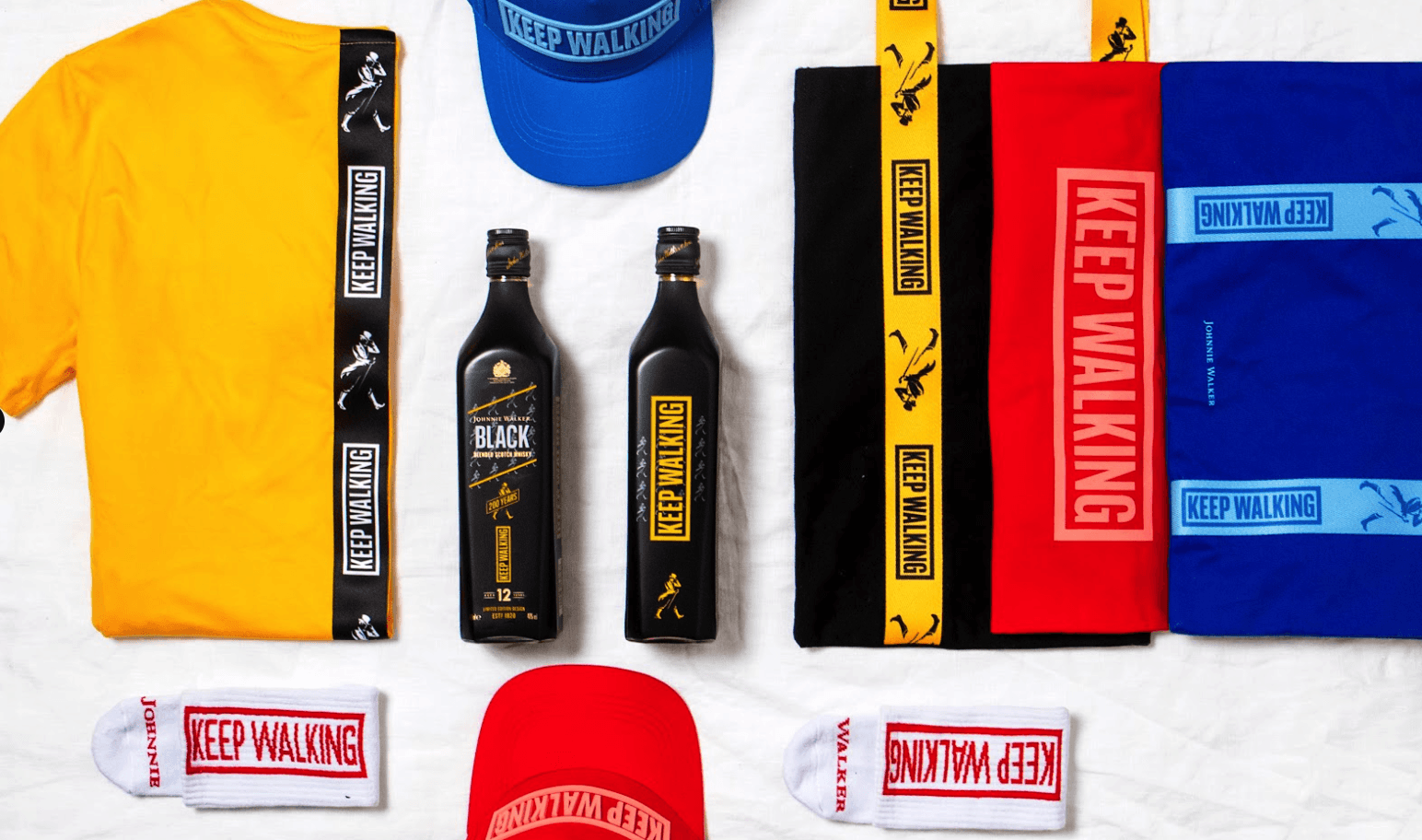
- The take-home item that extends the moment. The activation lasts an afternoon. A well-made piece of event swag lasts years, and every wear is another impression you never paid media rates for. Spend on one good item rather than five forgettable ones.
- The earned item rather than the handed-out item. Merch people work for is merch people keep. Tie the item to the participation, so it is claimed after the test, the run or the demo, not dumped on a table like standard tradeshow giveaways. Scarcity and effort do more for perceived value than any print technique.
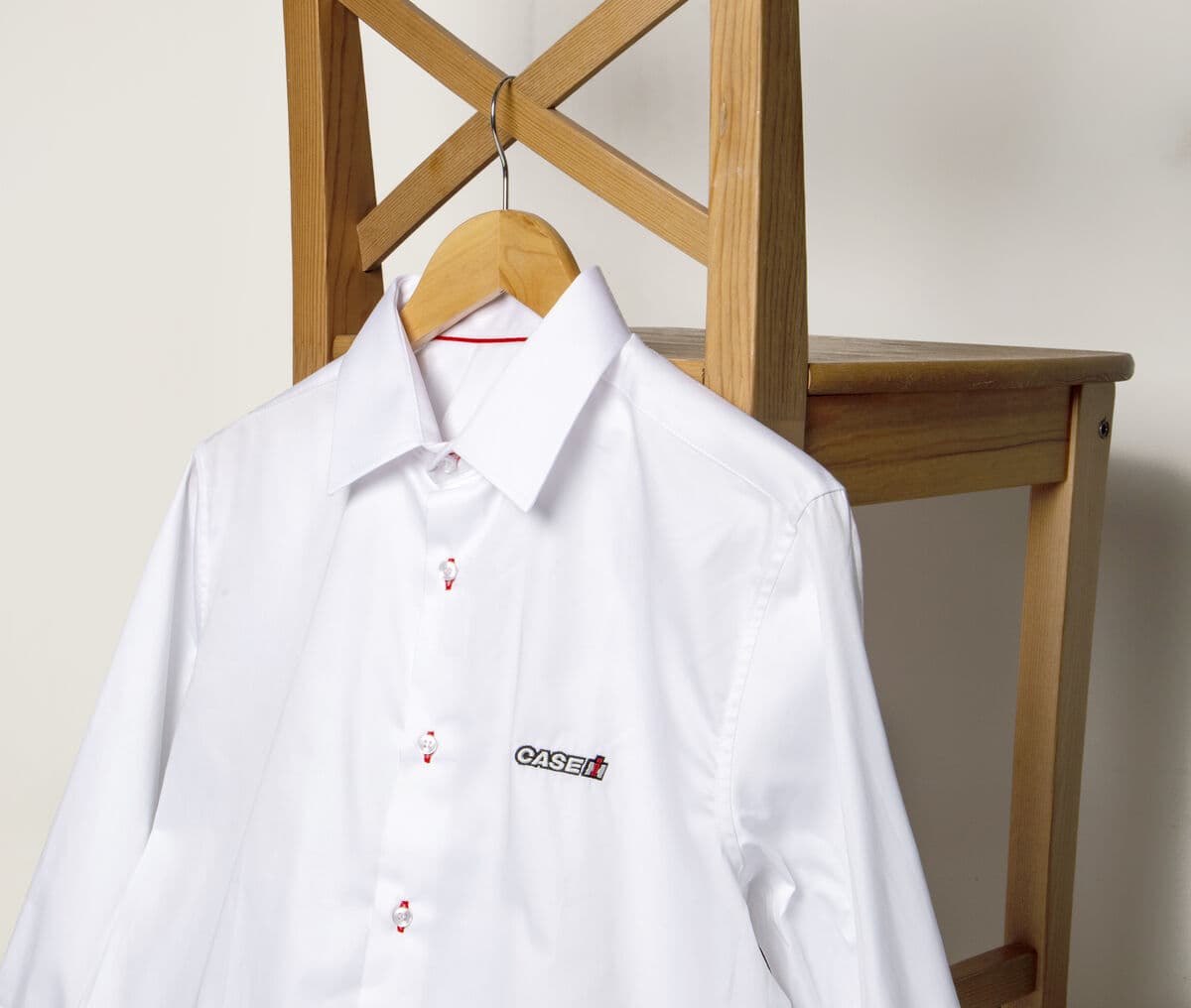
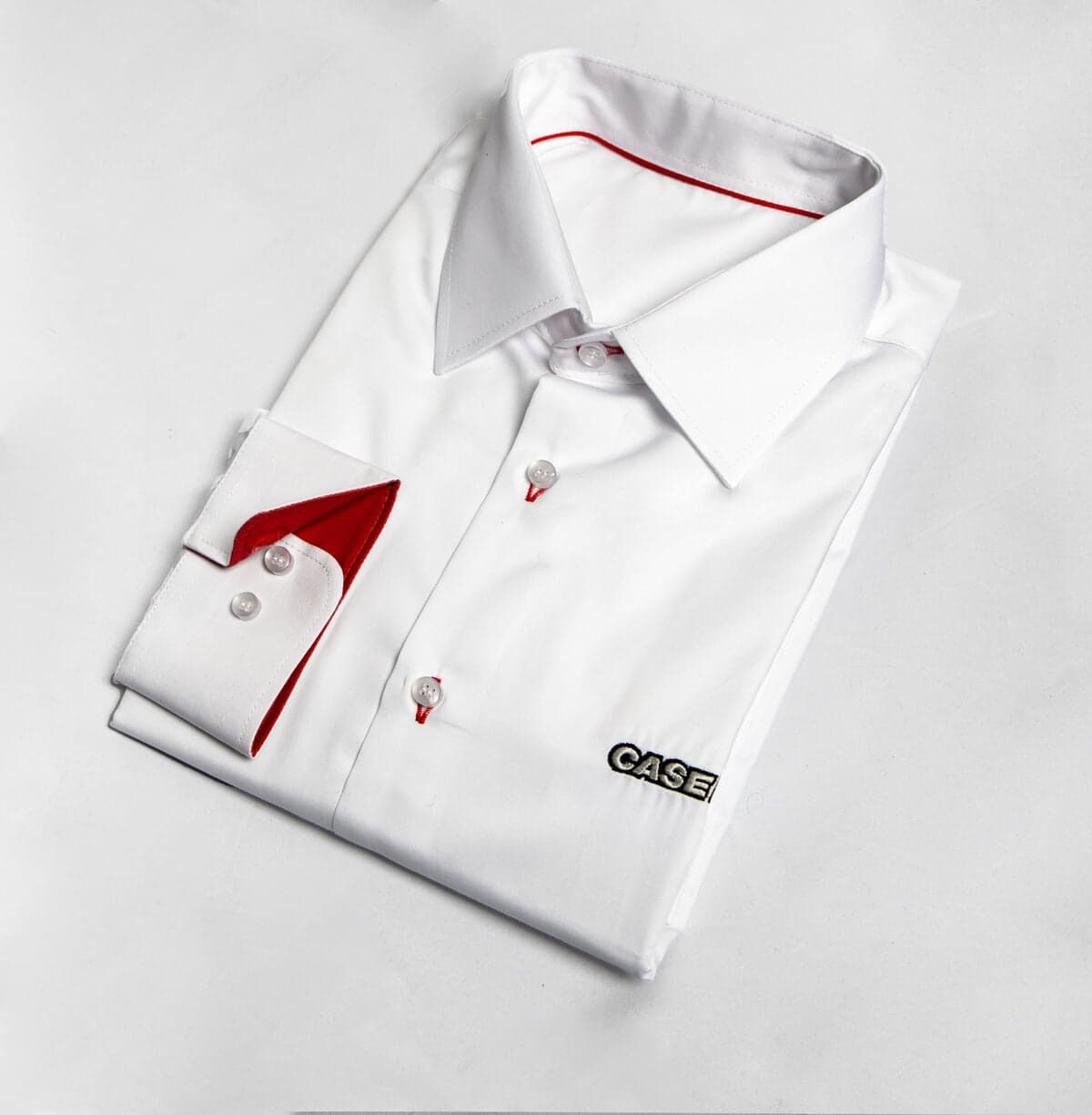
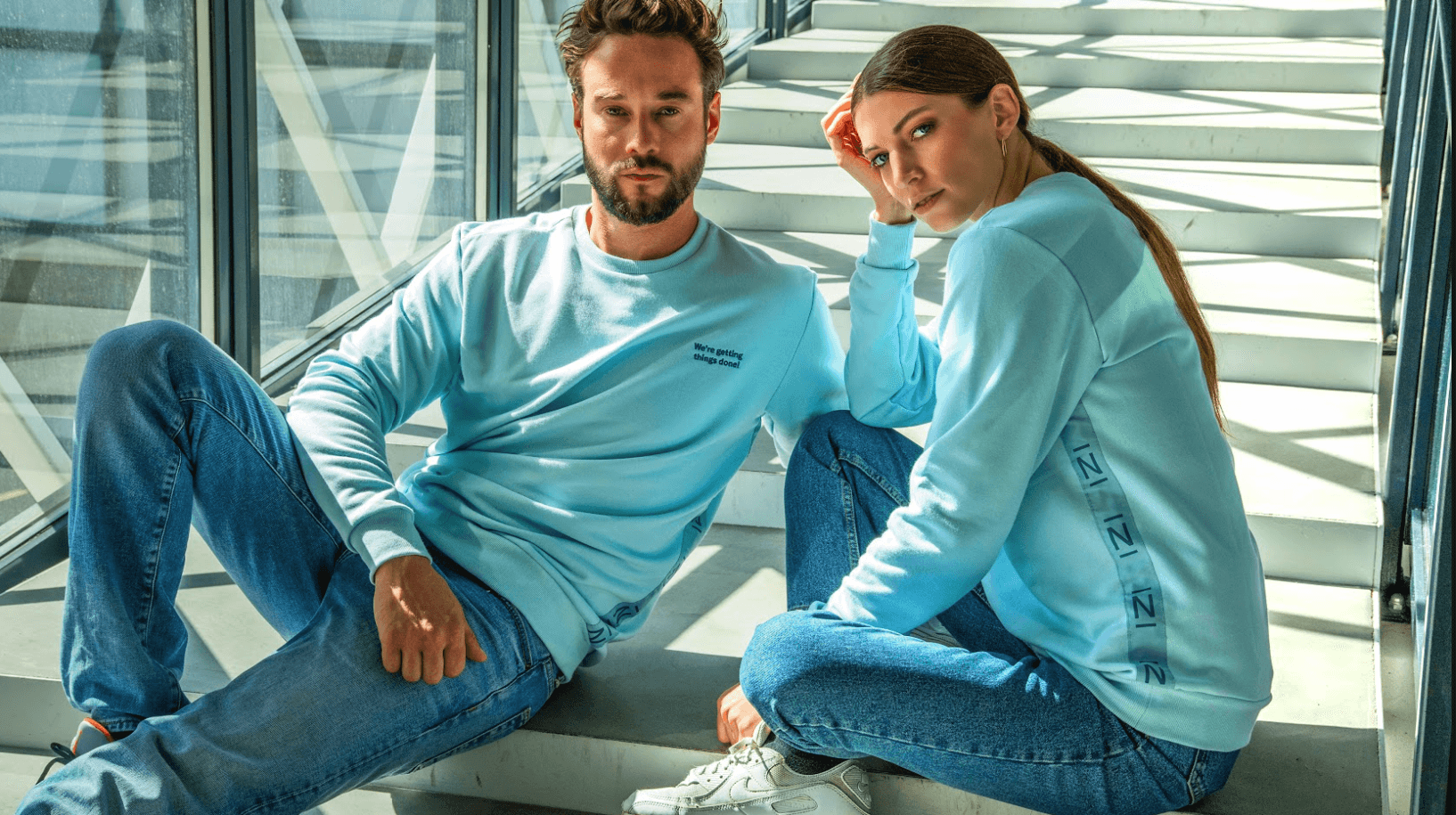
- The space and the crew that make it look real. A branded tent, matching staff apparel, signage and packaging turn a folding table into a place people want to enter. Staff kit matters most, since visitors read the team before they read the banner.
Brand activation is an interactive campaign that turns passive awareness into a direct experience, built around a moment people take part in and remember.
5 tips to elevate your Brand activation strategy
| Tip | Steps |
|---|---|
| Design the mechanic first | Decide what people must do to earn the item, then choose the item that fits the action. |
| Pick one hero item | Put the whole giveaway budget into one piece people will keep instead of a bag of filler. |
| Size for reality, not hope | Order the size curve you actually see at events, and bring more L and XL than you think you need. |
| Print the moment, not the campaign | Reference the city, date or route rather than a slogan that dates within a month. |
| Plan the leftovers | Route unclaimed stock into onboarding or your merch store so nothing sits in a warehouse. |
Key Terminologies
Frequently Asked Questions
What is the difference between brand activation and brand awareness?
Awareness means people know the brand exists. Activation means people did something with it. Awareness is measured in impressions, activation in participants, trials, sign-ups and items claimed.
What makes a brand activation successful?
A clear action people are willing to take, a reason to take it, and something worth keeping at the end. Activations fail when the mechanic is confusing or the reward is cheap enough to throw away on the walk home.
How much merch should you order for a brand activation?
Base it on expected footfall multiplied by a realistic claim rate, usually 30 to 60 percent for an earned item and closer to 90 percent for anything handed out freely. Order the sizes and volumes you can reuse afterwards rather than gambling on a single day.
How do you measure a brand activation?
Count participants, items claimed, scans or sign-ups at the stand, sales in the following weeks and tagged posts. Add one qualitative measure, such as a short question asked on site, because the reason people engaged is usually more useful than the count.
Is a brand activation only for consumer brands?
No. B2B companies run activations at conferences, customer summits and launch events, where a small audience with high deal value makes the cost per contact easy to justify. The mechanic is the same, only the room is smaller.