
Definition
Event swag is the branded merchandise a company gives away at trade shows, conferences, and sponsored events. It runs from the pens scattered on the table to the heavyweight hoodie reserved for a lead the sales team already knows by name. The item is never the point. The point is what the item buys you: a reason for a stranger to stop walking, a badge scan, and a logo that stays in someone's kitchen cupboard long after the show floor is packed away.
Definition
Event swag is any branded item produced for a specific event and given to attendees, prospects, partners, or the staff working the stand. It differs from everyday merch in two ways. It has a deadline, which is the doors opening on day one. And it has a job, which is usually lead capture, brand recall, or making a sponsorship visible from across a hall.
A practical example: a B2B software company exhibits at a 3,000-person conference. It orders 2,000 stickers and pins as a table giveaway, 300 pairs of merino socks released only after a product demo, and 40 embroidered hoodies for named accounts the team wants in the room. Three tiers, one budget, and every item tied to a step in the funnel.
How event swag works
Event swag works on tiers. The bottom tier is the item anyone can take from the table: stickers, pins, lanyards, a pen. It costs cents, it exists to make people slow down, and nobody expects anything in return. The middle tier is the earn-it item, handed over after a scan, a demo, or a real conversation, which is where socks, bottles, caps, and totes sit. The top tier is the item that is given rather than taken, usually apparel or a gift set for a prospect, a partner, or a speaker. Tiering is what stops a stand handing 3,000 euros of hoodies to students filling swag bags with free things.
Judge event swag on cost per conversation, not unit cost. A 40-cent pen that nobody walks over for is expensive. A 6-euro pair of socks that pulls 200 people into a five-minute demo is cheap. The math only works when the item is genuinely useful or genuinely good looking, because the only reason a stranger changes direction on a busy floor is that they want the thing on the table. Cheap filler signals that the company behind the stand cuts corners, and visitors read that instantly.
The trade-offs are logistics and leftovers. Everything has to be produced, decorated, and cleared through a loading dock inside a fixed window, and a missed cut-off means an empty table. Dated items are the biggest trap, since a shirt printed with a conference name and a year is waste the day the show closes. Undated, restrained branding turns surplus into stock for the next event, so most teams keep a small core assortment on hand and add one event-specific piece on top.
Event swag in branded merch
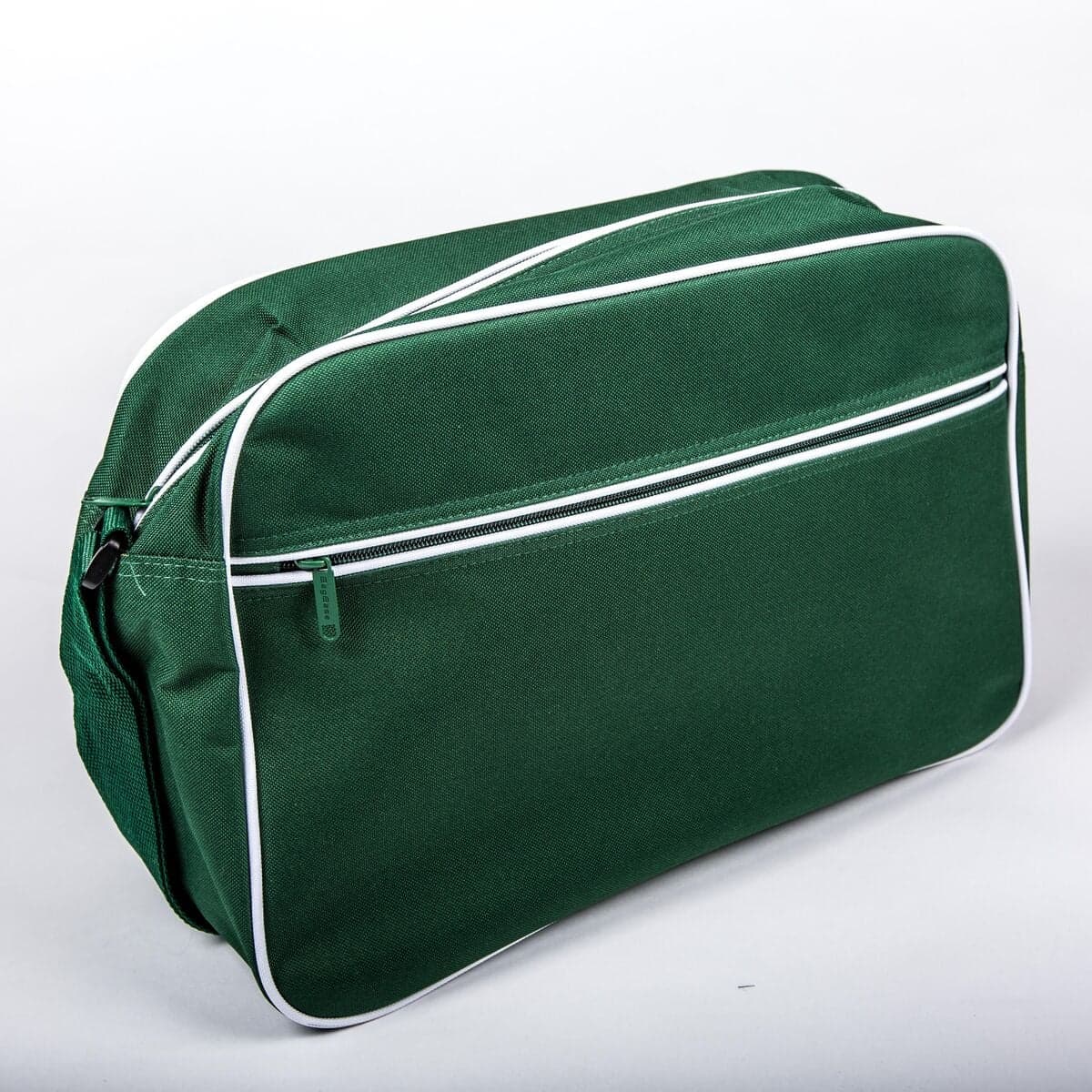
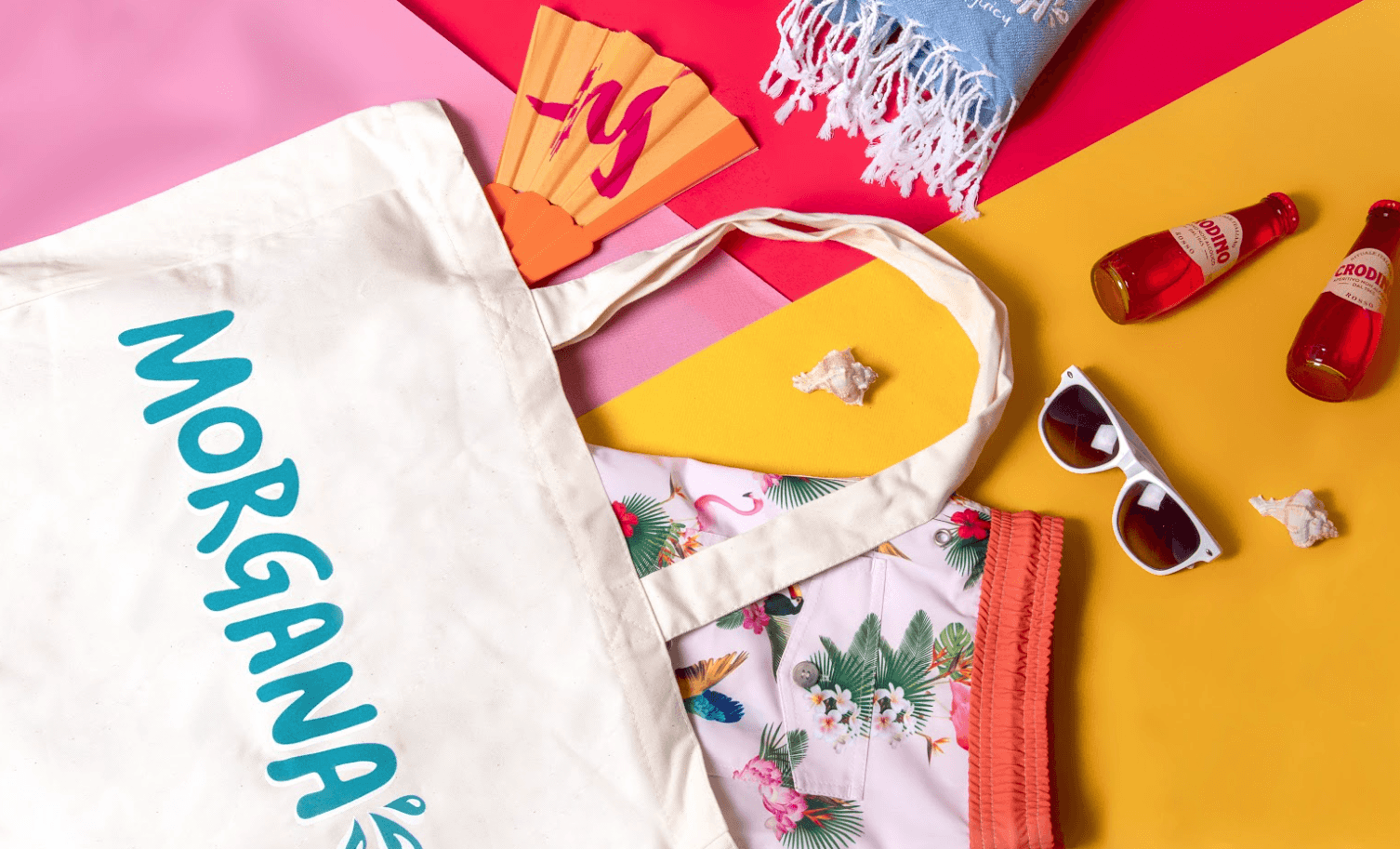
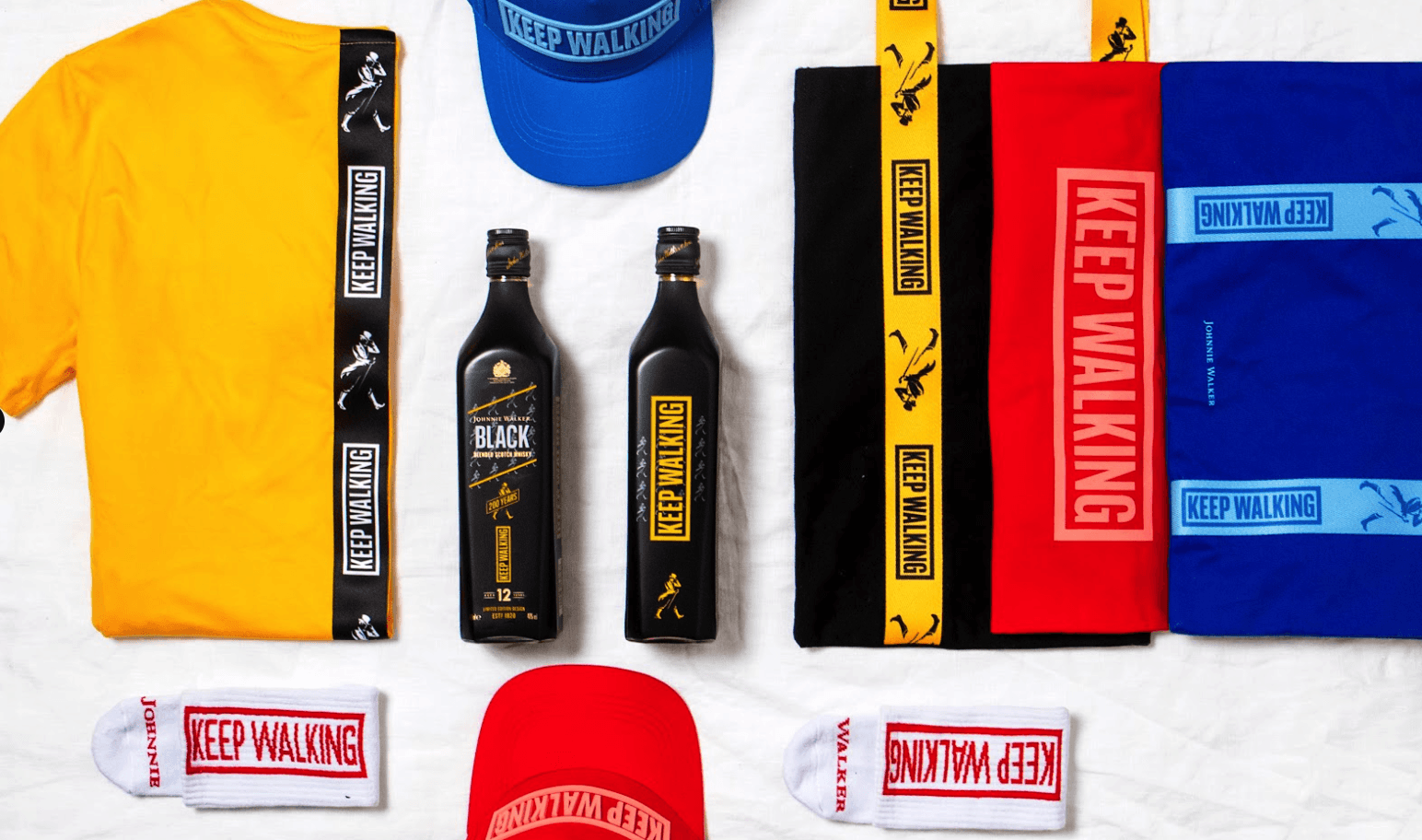
- Booth giveaways that pull traffic: A visible, wantable item on the table gives people a reason to break stride and gives your team an opening line. Stickers, pins, and a good tote bag do this cheaply, and the tote keeps carrying the logo through the airport.
- Lead-gated items: The better item is released after a badge scan or a demo, which turns swag spend into a measurable cost per lead. Socks, bottles, and caps work here because they are worth a few minutes of someone's time without being worth queueing for.
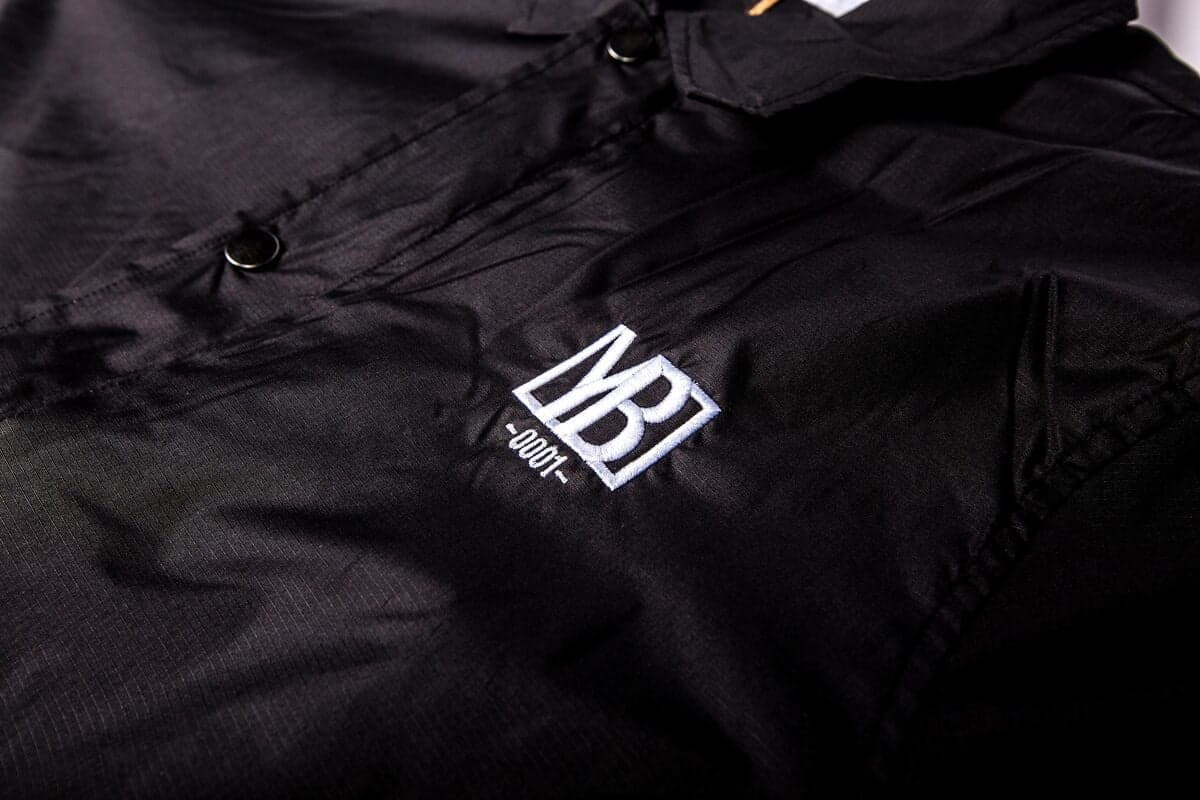
- Sponsor, speaker, and staff kits: Sponsorship packages, speaker gifts, and matching apparel for the stand team draw from the same order. Staff apparel is the most underrated line in the budget, since a team in one clean look is the most visible branding you own.
Event swag is branded merchandise handed out at trade shows, conferences, and sponsored events to draw people in, start conversations, and keep a brand visible after the event ends.
5 tips to elevate your Event swag strategy
| Tip | Steps |
|---|---|
| Tier the giveaway | Split into take-one, earn-it, and given items so budget follows intent. |
| Skip the year on the print | Undated branding lets leftovers ship to the next event instead of a bin. |
| Dress the team first | Matching staff apparel is seen by everyone who walks past the stand. |
| Measure cost per scan | Divide swag spend by qualified conversations, not by units ordered. |
| Ship a buffer, not a mountain | Order to realistic footfall and keep the surplus as stock, not landfill. |
Key Terminologies
Frequently Asked Questions
What counts as event swag?
Anything branded and given away in connection with an event: pens, stickers, pins, lanyards, bottles, socks, apparel, tote bags, and gift sets. Staff uniforms and speaker gifts usually come out of the same order and budget.
What is the best event swag?
The best event swag is something people would buy or keep anyway, such as good socks, a solid bottle, a well-made tote, or apparel with restrained branding. If an item only makes sense because it was free, it will be left in the hotel room.
How much event swag should you order?
Order against expected footfall past your stand, not total attendance, and split the volume across tiers. A common split is a cheap item for everyone who stops, a mid-tier item for every qualified conversation, and a small number of high-value pieces for named accounts.
How much does event swag cost?
Cost is usually planned per tier rather than per attendee. Table giveaways sit in the cents, earn-it items in the low single-digit euros, and top-tier apparel or gift sets an order of magnitude above that. Set the budget per tier first, then choose fewer and better items to fit.
What is the difference between event swag and promotional products?
Promotional products is the wider category of any branded item used for marketing. Event swag is the slice of that category tied to a specific event, with a fixed deadline, a venue to ship to, and a conversion goal attached.