


Definition
A set-in sleeve is a sleeve sewn into a curved armhole seam that sits right at the edge of the shoulder. The seam runs around the arm where the shoulder meets the body, so the sleeve follows the natural shoulder line. This is the most common sleeve construction on t-shirts, polos, and sweatshirts. It gives a tailored, structured look that most people picture when they think of a standard garment.
Definition
A set-in sleeve is defined by where its seam lands: directly on top of the shoulder, following the curve of the arm. The sleeve piece is cut separately, shaped with a small cap at the top, and then stitched into the armhole. A classic example is a crew-neck t-shirt where you can see a seam circling each shoulder. That seam is the set-in construction, and it is what separates this style from a raglan sleeve, where the seam runs diagonally to the collar.
How a set-in sleeve works
A set-in sleeve starts as its own pattern piece, separate from the front and back panels. The top of the sleeve, called the cap, is curved so it can ease into the rounded armhole without bunching. During cut and sew production, the maker stitches the sleeve into the armhole seam, which sits at the outer point of the shoulder. The result is a defined shoulder line and a sleeve that drops straight down the arm.
The construction shapes how a garment fits and moves. Because the seam sits at the shoulder edge, a set-in sleeve creates a structured silhouette that reads as crisp and conventional. The trade-off is a little less freedom of movement than a raglan, since the arm pivots from a fixed shoulder point. For most everyday wear, that difference is small and the cleaner look wins out.
Set-in sleeves also affect decoration. The flat, stable shoulder and chest area gives screen printing and embroidery a smooth surface to work on, without a diagonal seam cutting across the print zone. That is one reason this construction stays the default for branded apparel. Your logo sits on an even panel, and the seam stays out of the way.
Set-in sleeve in branded merch
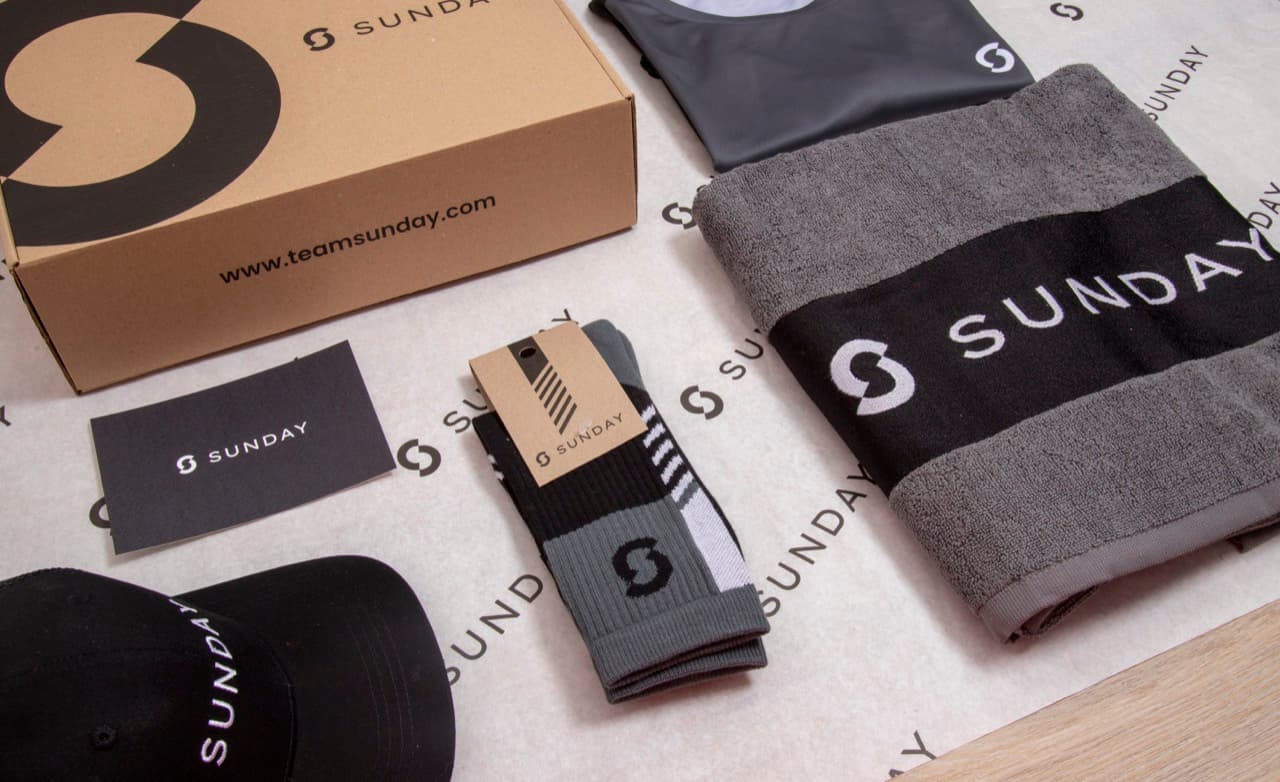
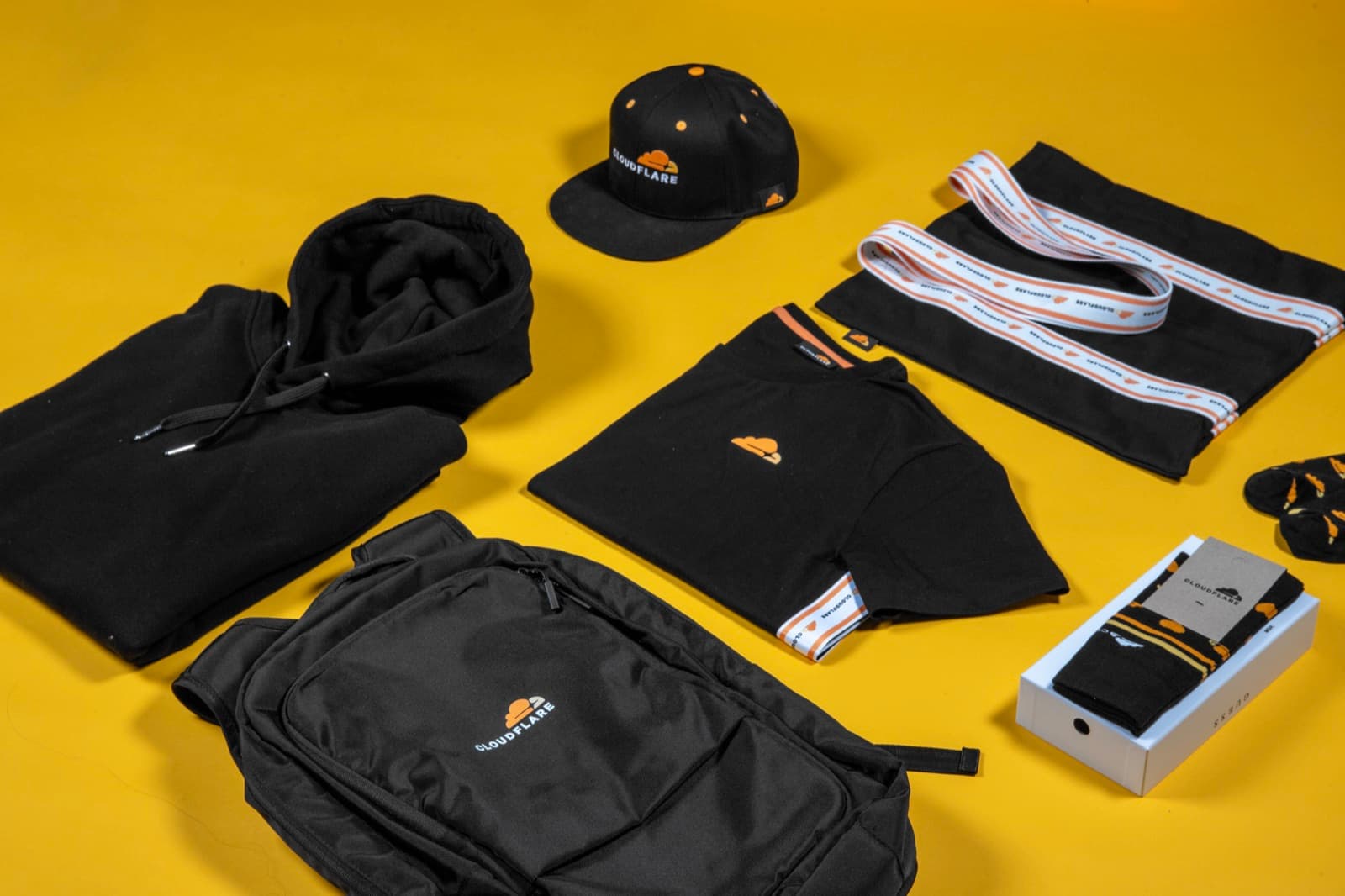
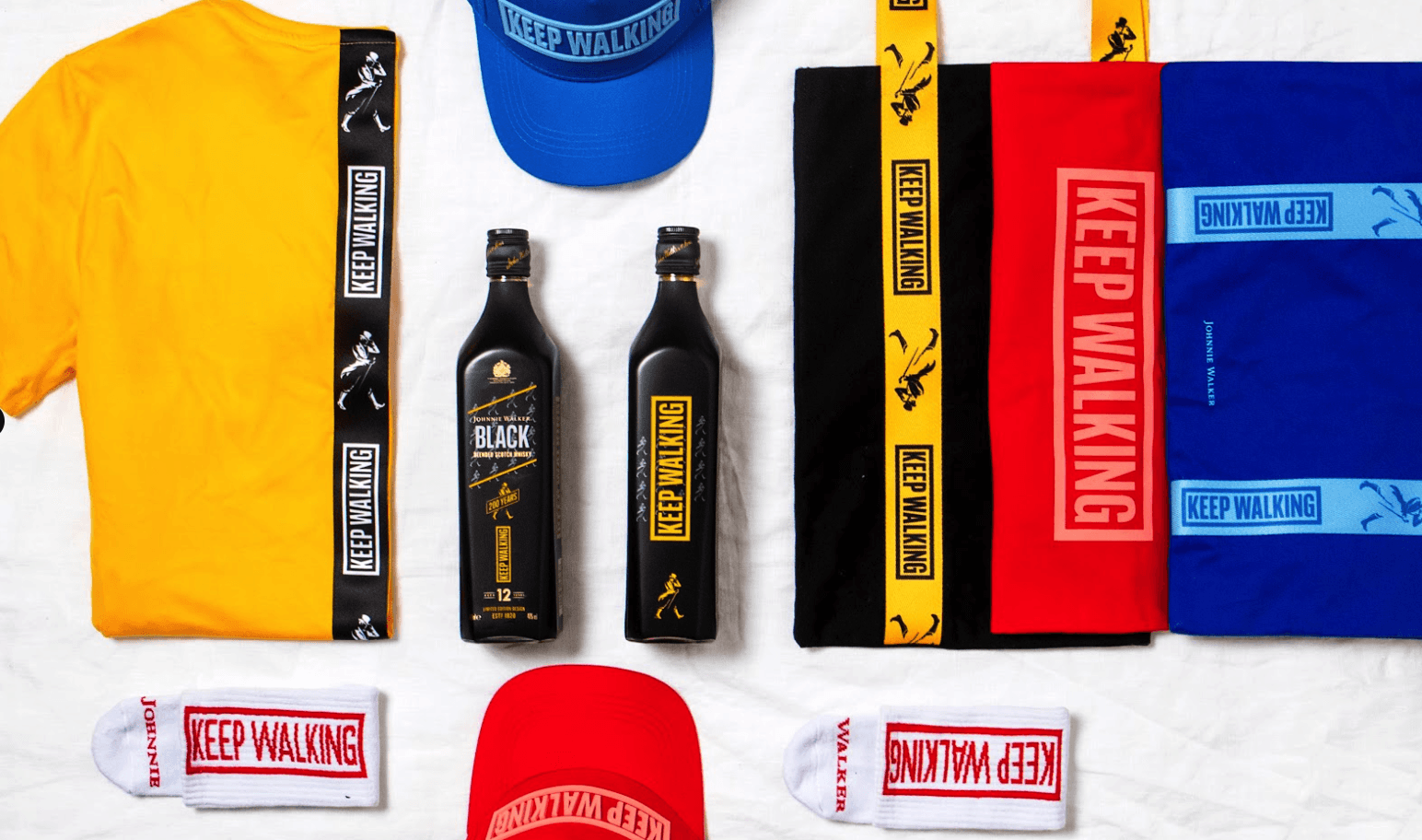
- Standard branded t-shirts. The set-in seam keeps the chest and shoulder flat, so screen prints and heat transfers land cleanly without distortion from a diagonal seam.
- Corporate polos. A set-in sleeve gives polos the tailored shoulder line that suits a professional dress code, while the smooth chest panel takes embroidery well.
- Premium sweatshirts and crewnecks. The structured shoulder reads as more formal than a raglan, which fits brands that want a clean, classic look for staff or event apparel.
A set-in sleeve is a sleeve joined to the body through a rounded armhole seam at the shoulder, for a clean, tailored fit.
5 tips to elevate your Set-in sleeve strategy
| Tip | Steps |
|---|---|
| Match construction to the look | Choose set-in for a clean, classic shoulder, raglan for a sportier feel |
| Check shoulder fit | Confirm the seam lands at the shoulder edge across all sizes before ordering |
| Use the flat print zone | Place logos on the chest or shoulder where the panel stays smooth |
| Mind the size grade | Set-in seams shift with size, so review fit on both small and large samples |
| Order samples first | Feel the shoulder structure and movement before committing to a run |
Key Terminologies
Frequently Asked Questions
What is the difference between a set-in sleeve and a raglan sleeve?
A set-in sleeve joins the body with a rounded seam at the shoulder edge, while a raglan sleeve uses a diagonal seam that runs to the collar. Set-in sleeves give a more structured, tailored shoulder. Raglan sleeves allow more arm movement and a sportier look.
Why are set-in sleeves so common on t-shirts?
Set-in sleeves create a clean shoulder line and a flat chest panel that suits most everyday styles. They are familiar, easy to produce at scale, and leave a smooth surface for printing or embroidery. That makes them the default for branded tees.
Are set-in sleeves good for printing and embroidery?
Yes. The shoulder and chest stay flat and stable, with no diagonal seam crossing the print area. That gives screen printing, transfers, and embroidery an even surface, which keeps logos sharp and undistorted.
Do set-in sleeves restrict movement?
A little, compared to a raglan. The arm pivots from a fixed shoulder point, so the range is slightly tighter. For everyday and office wear the difference is minor, which is why set-in stays popular.
How can I tell if a garment has a set-in sleeve?
Look at the shoulder. If you see a seam circling the arm right at the shoulder edge, it is a set-in sleeve. If the seam runs diagonally from the underarm up to the collar, it is a raglan.