



Definition
A drawcord hood is a hood with a cord running through a sewn channel around the face opening, so the wearer can pull it tighter or let it hang loose. It is the default hood build on hoodies, pullovers, and light outerwear. The cord itself, the holes it exits through, and the channel it sits in are three separate spec decisions, and every one of them is visible on the finished garment.
Definition
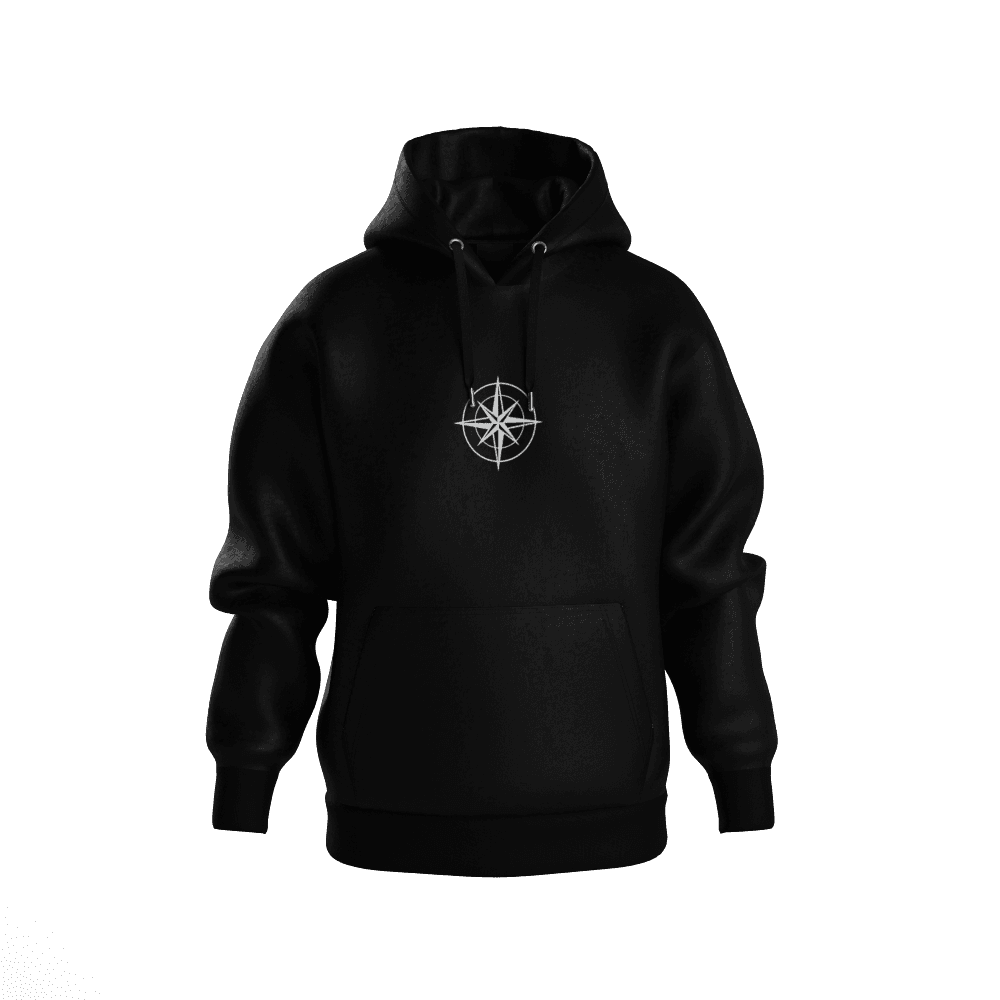
A drawcord hood combines a hood, a fabric tunnel stitched along its front edge, and a cord threaded through that tunnel with two ends hanging at the chest. Pull both ends and the opening cinches around the face. Take a standard 300 GSM pullover hoodie: the cord is usually a 6 mm flat or round cotton blend, threaded through a two-panel hood, exiting through two metal eyelets set about 4 cm apart at the neckline. Change the cord to a chunky 8 mm round one with matte black tips and the same garment reads noticeably more premium.
How a drawcord hood works
The channel, sometimes called the casing, is formed when the hood's front edge is folded back on itself and stitched down. That fold creates a tunnel wide enough for the cord to slide through. On better garments the channel is sewn with a clean topstitch and the cord moves freely. On cheap ones the stitch line pinches the tunnel, the cord snags, and the hood never sits evenly.
The exit points matter more than most buyers expect. Metal eyelets are the most common and the most durable, but they add cost and can leave a mark under a heat press. Sewn buttonholes are softer and cheaper, though they can fray over time. Some brands skip visible holes entirely and let the cord exit through an open seam. The cord tips, called aglets, come in metal, moulded plastic, or heat-sealed cord ends. Metal tips feel substantial and hold up in the wash. Plastic tips crack faster but cost less and can be moulded in brand colours.
There are trade-offs to weigh. Longer cords look relaxed but tangle in the machine and can catch on things. A cord lock or toggle adds adjustability, but it also adds a hard component that some sustainability specs exclude. For kidswear the question is settled for you: European standard EN 14682 bans cords in the hood and neck area of garments for children up to age seven, so hoods for that age group use elastic or no adjustment at all.
Drawcord hoods in branded merch
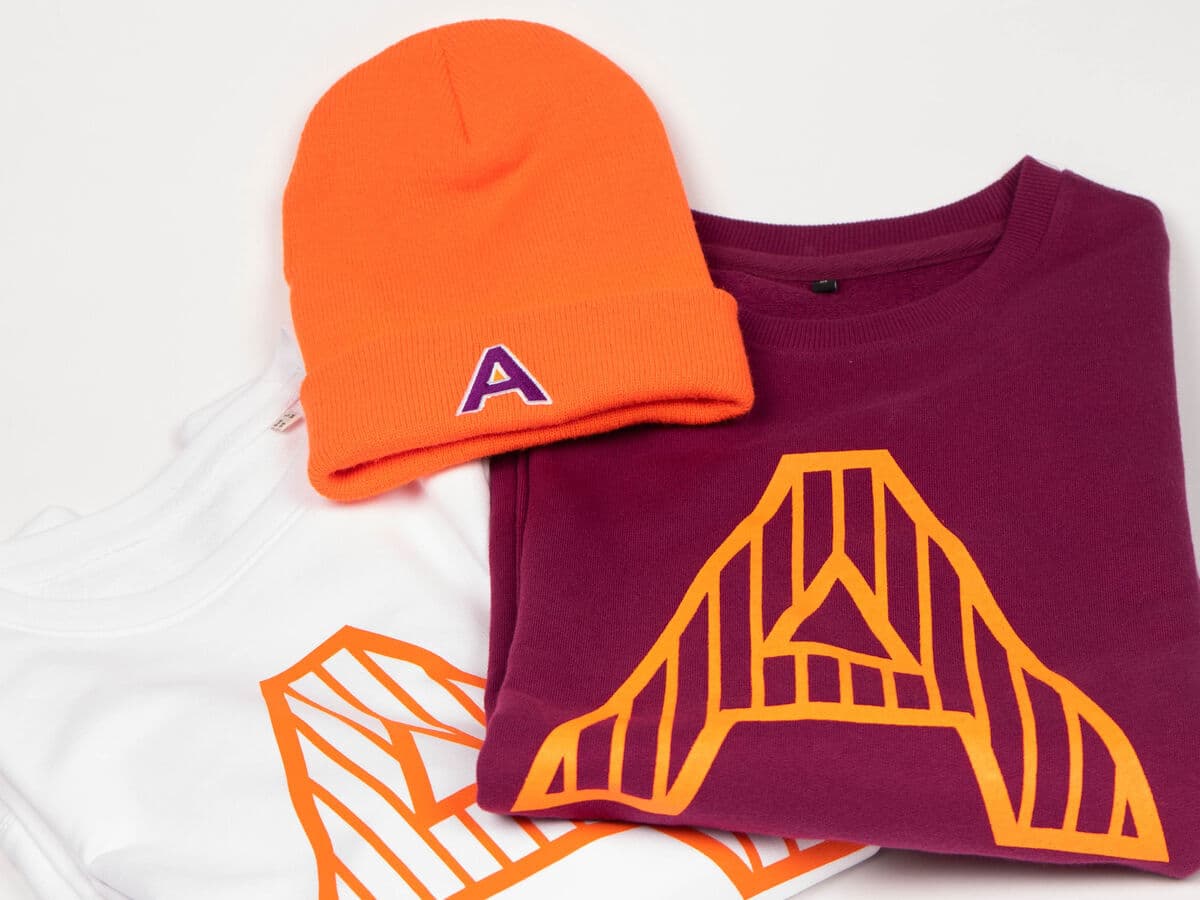
- Custom cords as a branding surface. The cord can be dyed to a brand colour, woven with a jacquard logo, or paired with engraved metal tips. It is a small detail that people notice at close range, and it costs far less than a second embroidery placement.
- Quality signalling in a giveaway. A heavy fleece hoodie with a limp, thin cord undercuts everything else about the garment. Upgrading the cord and tips is the cheapest way to lift perceived value across a full run.
- Fit control for one-size-fits-most drops. Merch programmes rarely nail the fit for everyone. A functional drawcord means the hood still frames the face properly on a size S and a size XXL wearer.
A drawcord hood is a hood with a cord threaded through a channel around the face opening, letting the wearer tighten or loosen the fit.
5 tips to elevate your Drawcord hood strategy
| Tip | Steps |
|---|---|
| Spec the cord, not just the hoodie | Write the cord width, material, and tip type into your tech pack |
| Test the pull | Cinch and release a sample ten times to check the cord runs freely |
| Match cord to fabric weight | Use a thicker cord on heavy french terry and fleece, thinner on light knits |
| Watch the print zone | Keep chest prints clear of the cord path so the artwork is never covered |
| Check kidswear rules | Remove hood cords entirely on garments sized for children under seven |
Key Terminologies
Frequently Asked Questions
What is the point of a drawcord on a hood?
The drawcord lets the wearer tighten the hood around the face for warmth and wind protection, then loosen it again. It turns a fixed hood into an adjustable one, which is why it appears on almost every hoodie and shell jacket.
What is a drawcord hood made of?
The hood is made from the same fabric as the garment, usually a cotton blend fleece or french terry. The cord is typically braided cotton, polyester, or a cotton polyester blend, with tips in metal or moulded plastic.
Can you replace a hood drawcord?
Yes. Attach a safety pin to one end of a new cord and feed it through the channel from one eyelet to the other. Choose a cord slightly thicker than the original if the old one slipped out easily.
Are drawcord hoods allowed on children's clothing?
Not for young children in Europe. Standard EN 14682 prohibits cords in the hood and neck area on clothing for children up to age seven. Older age groups allow cords, but with limits on length and free ends.
Does a drawcord get in the way of printing?
It can. Cord ends hang across the upper chest, which is where many logos sit. Keep the print or embroidery placement clear of the cord path, or move the mark to a left chest or sleeve position.