Definition
A woven label is a fabric tag made by weaving colored threads on a loom, so the text and logo become part of the cloth itself. Brands use a woven label to add a durable, premium finish to apparel and merch, from t-shirt necklines to the seams of a tote bag. Because the artwork is thread, not ink, it holds up wash after wash.
Definition
A woven label carries branding as woven thread, so the artwork lives inside the weave and will not crack, peel, or fade the way a surface print can. Picture the small logo tag stitched into the collar of a good hoodie. That crisp, slightly raised lettering is woven, not stamped on. The label is manufactured separately, then cut and sewn into the garment during production.
How a woven label works
Woven labels are produced on narrow-fabric looms that interlace lengthwise warp yarns with crosswise weft yarns. The design is programmed into the loom, so every pass of thread builds up the letters and shapes. Most labels use polyester yarn because it resists shrinking and keeps color well.
There are two common constructions. Damask uses fine, high-density threads for sharp detail, small type, and gradients, which makes it the choice for intricate logos. Taffeta and satin weaves use fewer threads, so they cost less and suit simpler marks, though the finish is flatter. Satin adds a soft sheen and a smoother hand against skin, which matters for neck labels.
The main trade-offs are detail, hand feel, and cost. More colors and finer detail mean a denser weave and a higher price. Edges are finished either by ultrasonic or laser cutting for a clean straight edge, or folded and stitched for a softer touch. Color counts are limited compared with a print, so brand gradients and photographic artwork rarely translate well. For those, a printed label is usually the better route.
Woven labels in branded merch
- Neck and collar branding. A woven label at the inside neck gives apparel a retail-quality feel and replaces a scratchy or generic tag with your logo. Pair it with a care label below for washing instructions.
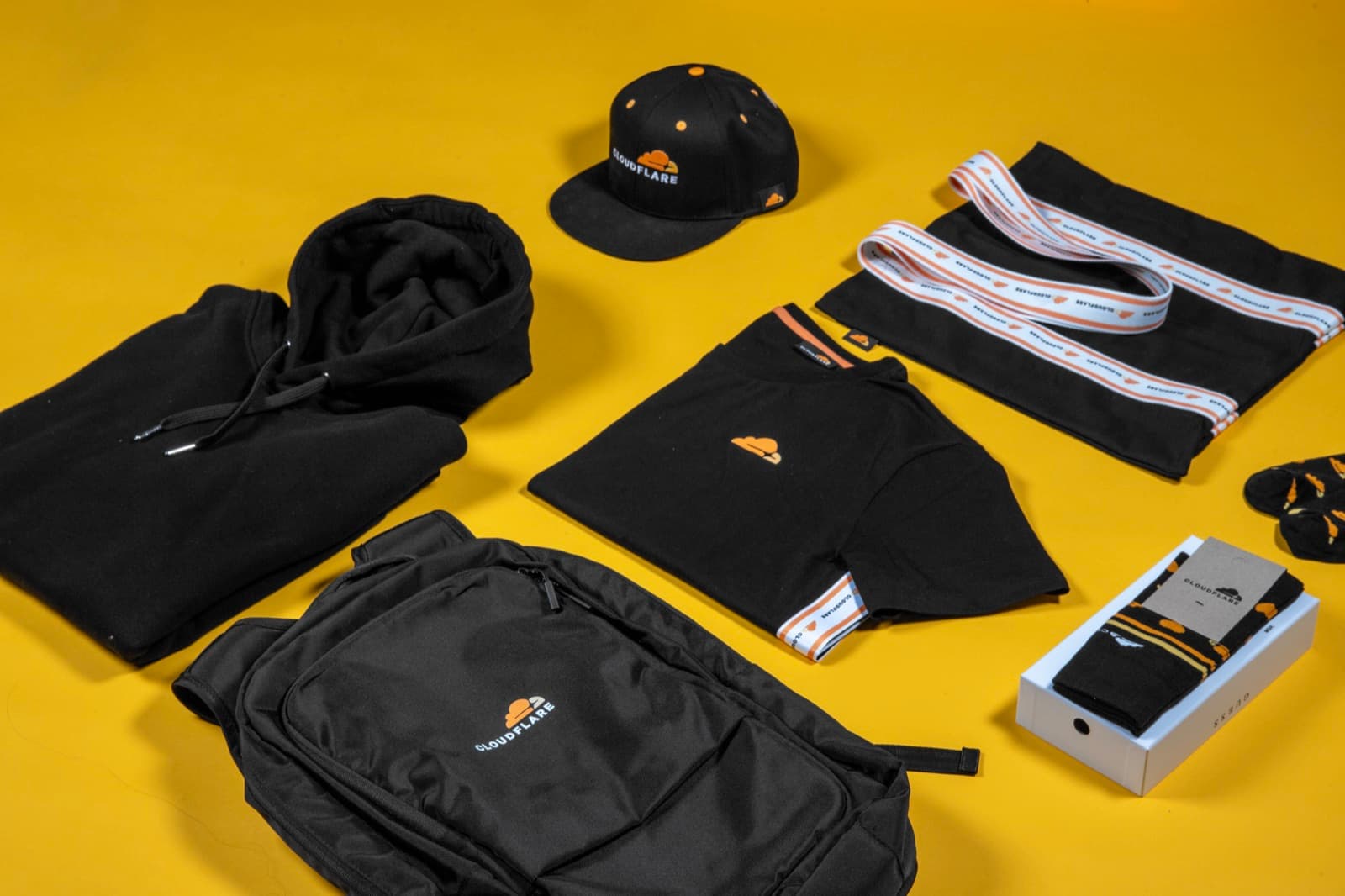
- Side seam and hem tags. A small folded woven label sewn into a side seam or hem adds a subtle brand cue on t-shirts, sweatshirts, and tote bags without covering the design.
- Bags and accessories. Woven labels stitch neatly onto canvas totes, caps, pouches, and lanyards, where the raised thread survives daily handling better than a print would.
A woven label is a textile label whose design is formed by interlacing colored yarns on a loom, rather than printed onto the surface.
5 tips to elevate your Woven label strategy
| Tip | Steps |
|---|---|
| Match the weave to your logo | Choose damask for fine detail and small type, satin or taffeta for simple marks. |
| Limit your colors | Keep to two or three thread colors so the weave stays crisp and costs stay predictable. |
| Send vector artwork | Supply your logo as vector so the loom can reproduce clean edges at label size. |
| Choose the right edge | Pick folded edges for necklines that touch skin, cut edges for seam and hem tags. |
| Confirm placement early | Decide neck, seam, or hem placement before production so sewing lines are set correctly. |
Key Terminologies
Frequently Asked Questions
What is the difference between a woven label and a printed label?
A woven label forms its design from colored threads on a loom, while a printed label applies ink to a fabric surface. Woven labels feel more premium and last longer; printed labels handle gradients and many colors better.
Are woven labels durable?
Yes. Because the branding is thread woven into the fabric, it will not crack, peel, or fade with washing, which makes woven labels well suited to garments that are laundered often.
What material are woven labels made from?
Most woven labels use polyester yarn for its color retention and resistance to shrinking. Cotton and recycled polyester options exist for brands with specific sustainability or hand-feel needs.
How many colors can a woven label have?
Woven labels work best with a few thread colors, typically up to about eight. Fine gradients and photographic detail are hard to weave, so simpler artwork reproduces most cleanly.
Where are woven labels usually placed on merch?
Common placements are the inside neck or collar, the side seam, and the hem. On bags and caps they sit on outer panels or straps, where the raised thread adds a tactile brand touch.