
A custom polo shirt is a quality polo branded for your company, usually with a small chest embroidery. Ready-to-wear polos order from about 10 pieces, fully custom from around 150. Embroidery beats printing on the textured piqué fabric. Choose cotton for everyday corporate use and technical blends for sport. Keep the logo restrained and the back clean, and offer men's and women's fits for the best result.
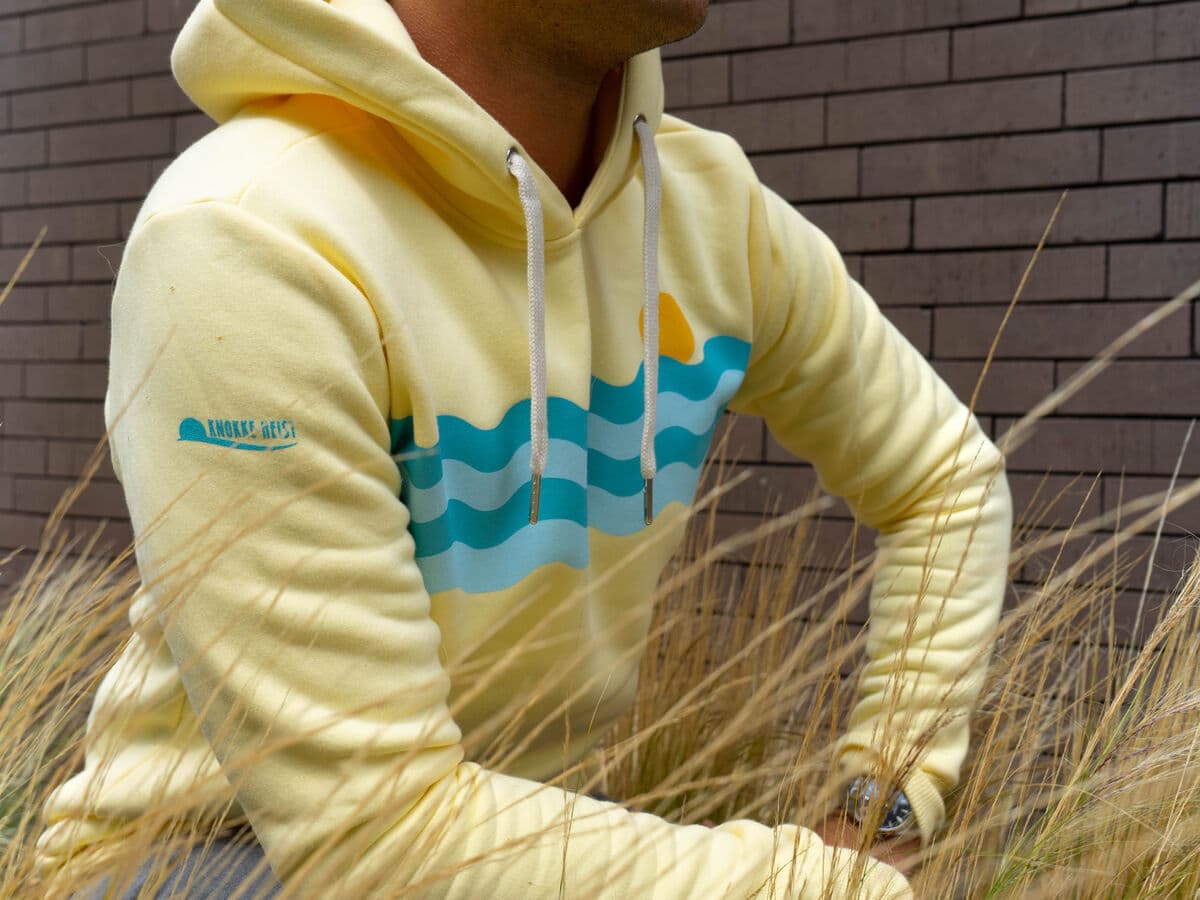
This page collects the questions we are asked most about custom polos, with short answers you can act on. For the full reasoning behind each, the complete polo guide goes deeper. Below is one detail worth seeing up front: how restrained, well-placed branding makes a polo look professional rather than promotional.
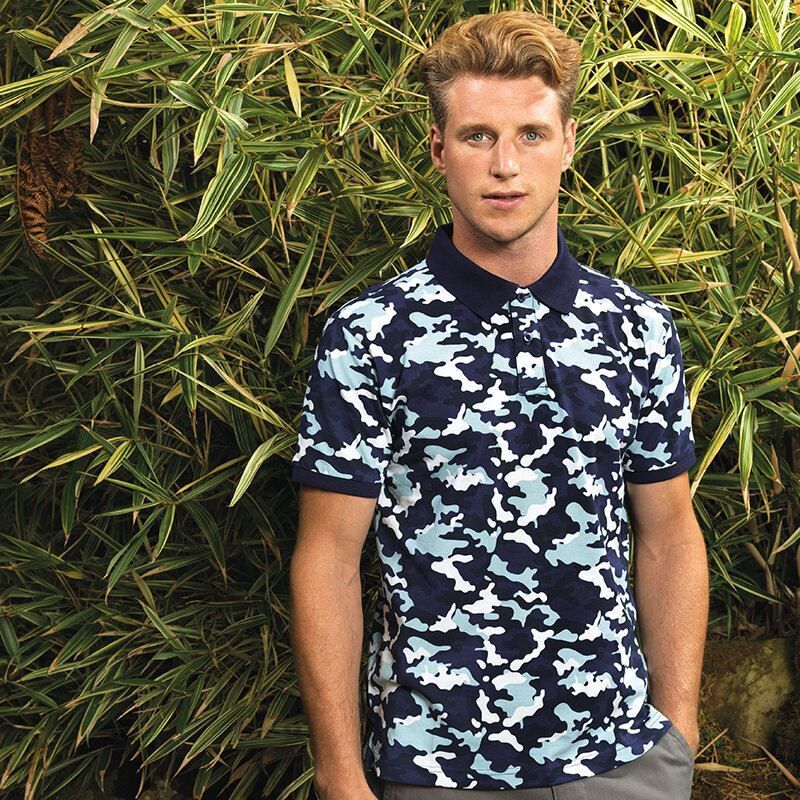
One small chest logo and a subtle detail beats branding in every position. Restraint is what separates a professional polo from a promotional one.
Custom polo shirts FAQ
Jump to a question, or read straight through. Each answer is short on purpose. Where you want the full picture, follow the link to the relevant guide.
What is the minimum order for custom polo shirts?
About 10 pieces for a ready-to-wear polo that you brand, and around 150 for a fully custom polo with bespoke colours, panels and construction. Most company orders use the ready-to-wear route, which keeps the minimum low and works from small teams up to several hundred people.
Is embroidery or printing better on a polo?
Embroidery, almost always. A polo is knitted in textured piqué, so screen printing reads softer than on a flat tee and flex printing looks like a plastic slab on the fabric. Embroidery, woven patches and sewn labels are built into the garment and suit its premium character. For a company logo, stitch rather than print.
Cotton or technical fabric for a company polo?
Choose by use. Cotton is the default for general corporate wear, sales teams, office and retail staff, because it is comfortable all day. Technical and polyester blends suit active contexts like golf, sport and outdoor work where moisture management matters. Do not pick a performance polo just because it sounds advanced.
How should a polo fit?
Slightly shaped, comfortable, neither overly slim nor oversized. The polo should follow the body without being tight. Very slim polos cause complaints, and oversized ones look untidy and break the coordinated team look. For a broad team, a balanced regular fit is the most inclusive choice.
Where should the logo go on a polo?
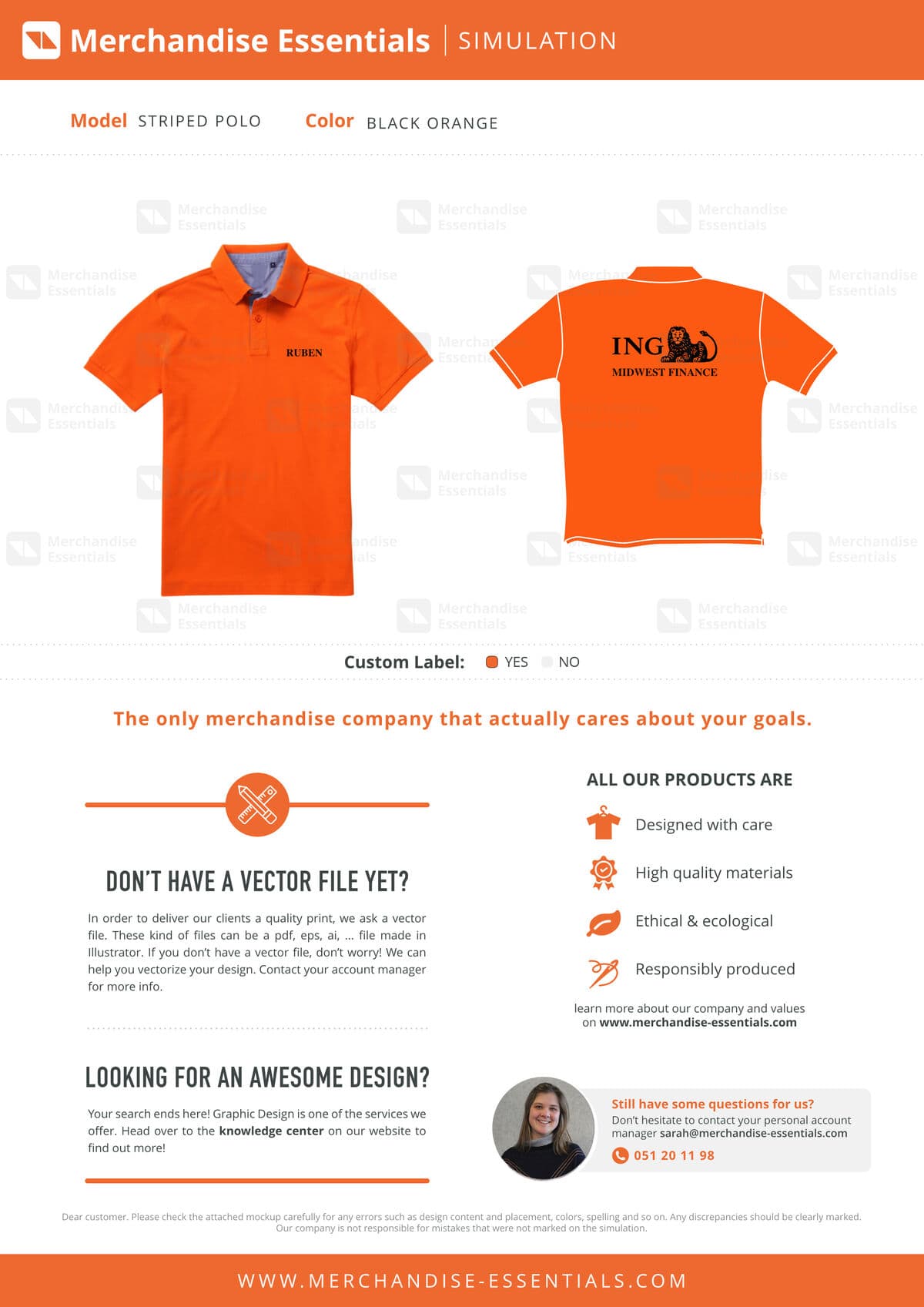
The primary mark is a small, restrained chest embroidery. An oversized chest logo looks promotional rather than professional. Add subtle branding with a small sleeve embroidery, a sewn woven label near the hem, or contrast buttons. Keep the back clean, since big back prints feel like event promo or workwear advertising.
Should I offer men's and women's fits?
Yes. Distinct men's and women's fits help everyone look good in the team photo and feel comfortable wearing the polo. The shapes do not need to be dramatically different, but a considered women's fit makes a real difference to comfort and appearance across a whole team.
What colour should a corporate polo be?
There is no strict rule. Polos are unusually flexible: navy and black read classic, white is clean, and a bright brand colour can look intentional and professional. The right choice depends on your identity, audience and environment. A darker polo is refined and versatile; a bright one can stand out by design.
How long does a custom polo order take?
Ready-to-wear with decoration is the quickest, because the polo already exists and you are adding branding. Fully custom takes longer, since the garment is produced for you. A standard timeline is the most economical, and a rush can usually be arranged for an added cost. Plan ahead to control both timing and price.
How much do custom polos cost?
It depends on the blank, the quantity, the decoration, the level of customisation and the lead time. Per-piece price falls as quantity rises. Rather than a single figure, Sunday shows live pricing on each polo as you choose options, so you see the real cost for your spec.
What is the biggest mistake companies make with polos?
Buying at the bottom of the market and ordering too few. A cheap polo loses shape, has a weak collar and stops looking professional fast. The polo is also underused as a category. A good polo is one of the easiest ways to make a team look professional without feeling overdressed, so order enough and choose quality.
Can I get a fully custom polo with my own colour?
Yes, from about 150 pieces. The fully custom route unlocks Pantone-matched colours, custom fabric combinations, contrast panels, custom buttons, special trims and sewn labels. Below that volume, a quality ready-to-wear polo in a close stock colour with premium decoration is the faster, more sensible choice.
What should I never do on a company polo?
Avoid cheap flex printing, an oversized chest logo, a large back print, and a poor fit. These are the fastest ways to make a polo look cheap or promotional. Stick to a quality blank, one clean embroidered logo, a balanced fit and a clean back, and the polo will look professional and last.
Keep reading: custom polo shirts
Design your company polo in 30 seconds
Create a free account and get on-brand polo designs with live pricing, no quote needed.
Get free designs