

A recovery gift is not a replacement for solving the problem, it reinforces a resolution that has already happened. The best B2B examples follow the same workflow: fix the issue, confirm the customer is satisfied, then immediately send a thoughtful gift with a personal note. Done right, a bad experience handled fast and generously can leave the relationship stronger than before the failure. The Mobile Vikings recovery workflow, where the support team sends a branded gift after resolving a connectivity issue, is the clearest example.
Below is one real workflow and four scenarios, each with the gift and the note that fit. For the strategy behind them, see the complete recovery gifts guide.
The Mobile Vikings recovery workflow
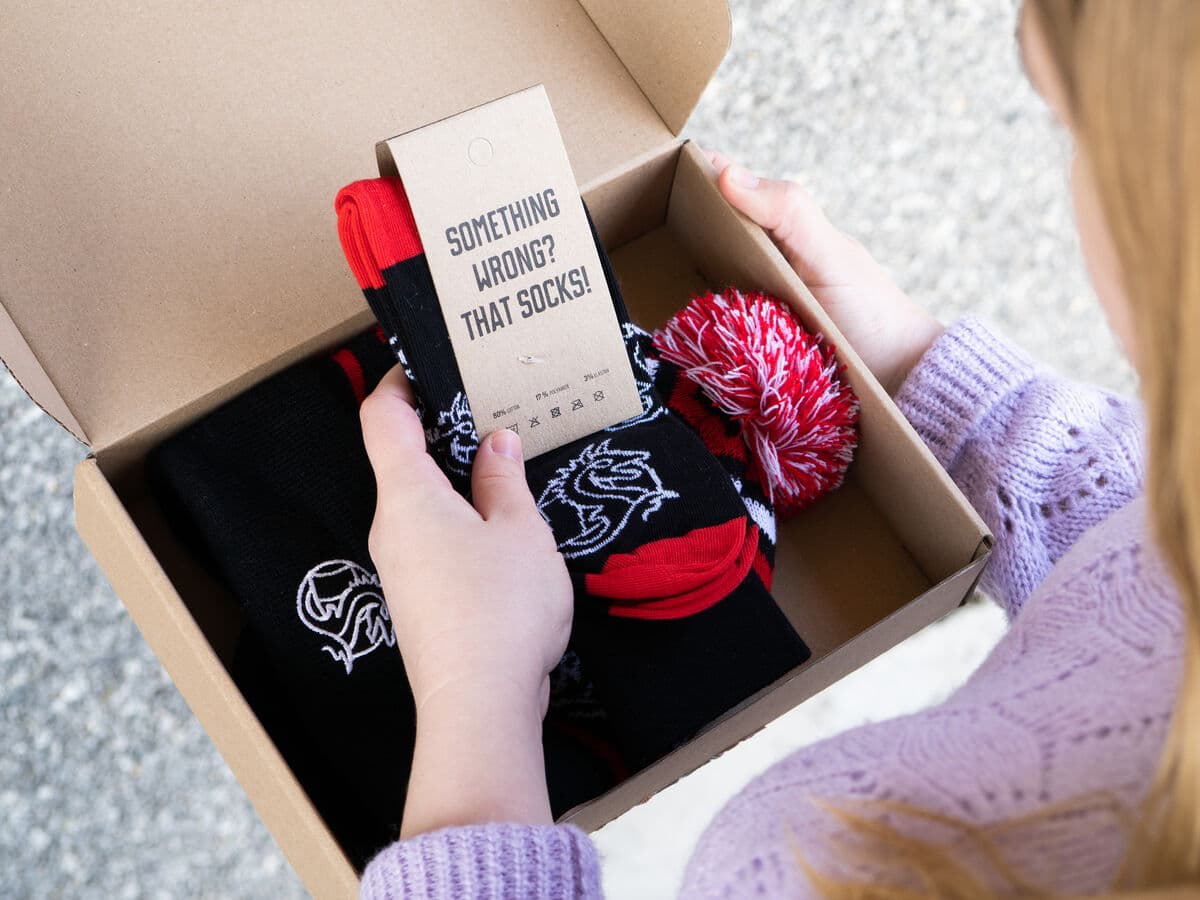
Mobile Vikings is a telecom subscription business, which makes retention critical: every churned subscriber is recurring revenue lost. When the service team resolves a connectivity or SIM issue, they send the customer a branded gift, for example a Mobile Vikings beanie, with a note acknowledging the inconvenience. They did not just close the ticket. They recognised that the customer was let down, and turned the experience into a positive memory.
The reason it works is that it is integrated into the customer-service workflow, not run as a separate manual campaign. The gift is part of resolving the ticket, so it happens consistently and immediately, while the resolution is still fresh. That is the difference between a recovery programme that runs and one that gets forgotten.
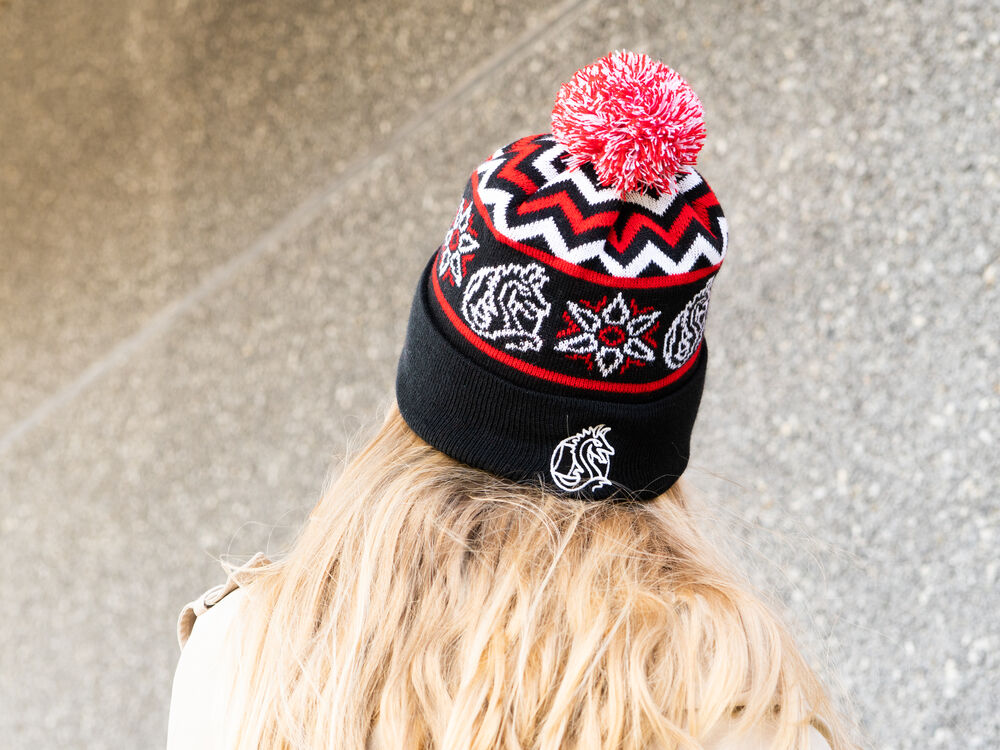
The Mobile Vikings beanie: a small, branded recovery gift sent from the support desk after a resolved issue, wired into the workflow so it happens every time.
Four service-failure scenarios and the gift that fits
Most recovery gifting works off a small approved-product selection and budget rules tied to severity, rather than a unique gift per case. A common structure: minor issue up to €10, significant up to €25, major or high-value customer up to €50, with defined products per tier. Here is how that maps to real scenarios.
| Scenario | Severity | Gift that fits |
|---|---|---|
| SaaS outage that interrupted a customer's workday, resolved same day | Significant (≤ €25) | A branded kit or quality item with a note from the rep who handled it |
| A minor billing error, corrected on the first contact | Minor (≤ €10) | A small branded gift, such as socks or a beanie, plus a personal apology note |
| A delayed delivery that cost an e-commerce customer time, after several contacts | Significant to major | A premium gift box, sent the moment the order is sorted |
| A repeated issue for a high-value, long-term B2B account | Major / high-value (≤ €50) | A substantial, useful gift, the high-value-account case below |
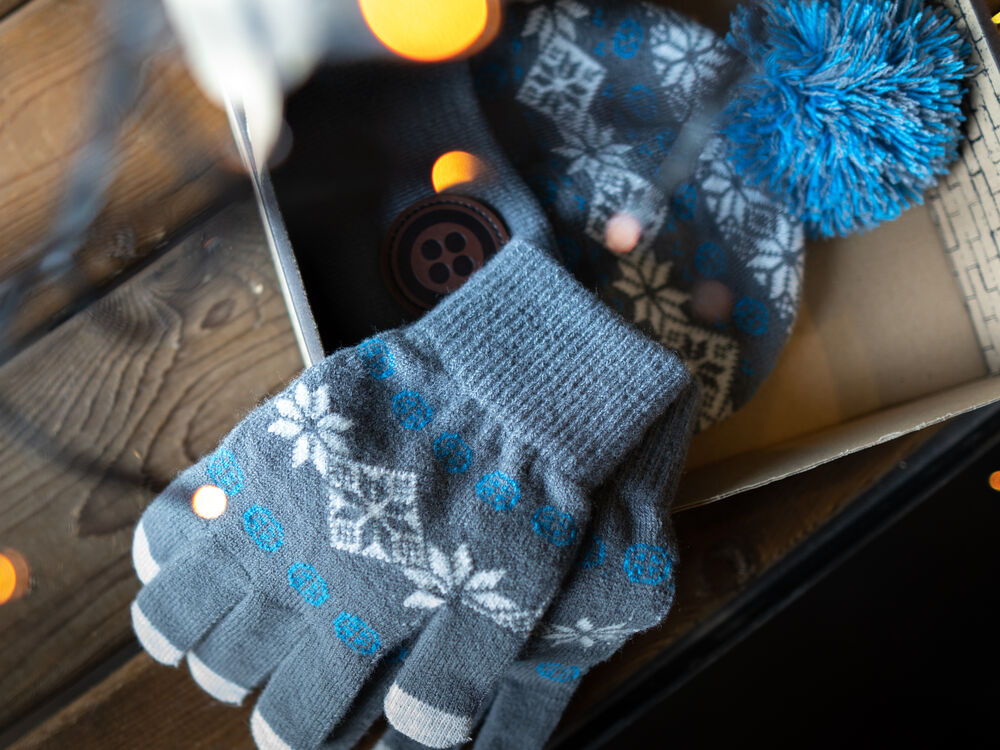
Match the gift to the severity and the customer's value, not to a single universal rule. A small approved selection plus budget tiers keeps it consistent and fast.
High-value accounts: the jacket case
For a repeated issue on a high-value, long-term account, a premium item carries the apology further. A custom jacket is a strong example: it is substantial, genuinely useful, and worn for years, so the gesture keeps representing the relationship long after the ticket closes. For a customer spending tens of thousands a year, a €50 gesture is negligible against the cost of losing them.
If you go this route, keep the branding restrained so it reads as a genuine gift, not a promo. See the custom jackets range, and preview a design in your colours with the free jacket mockup generator.
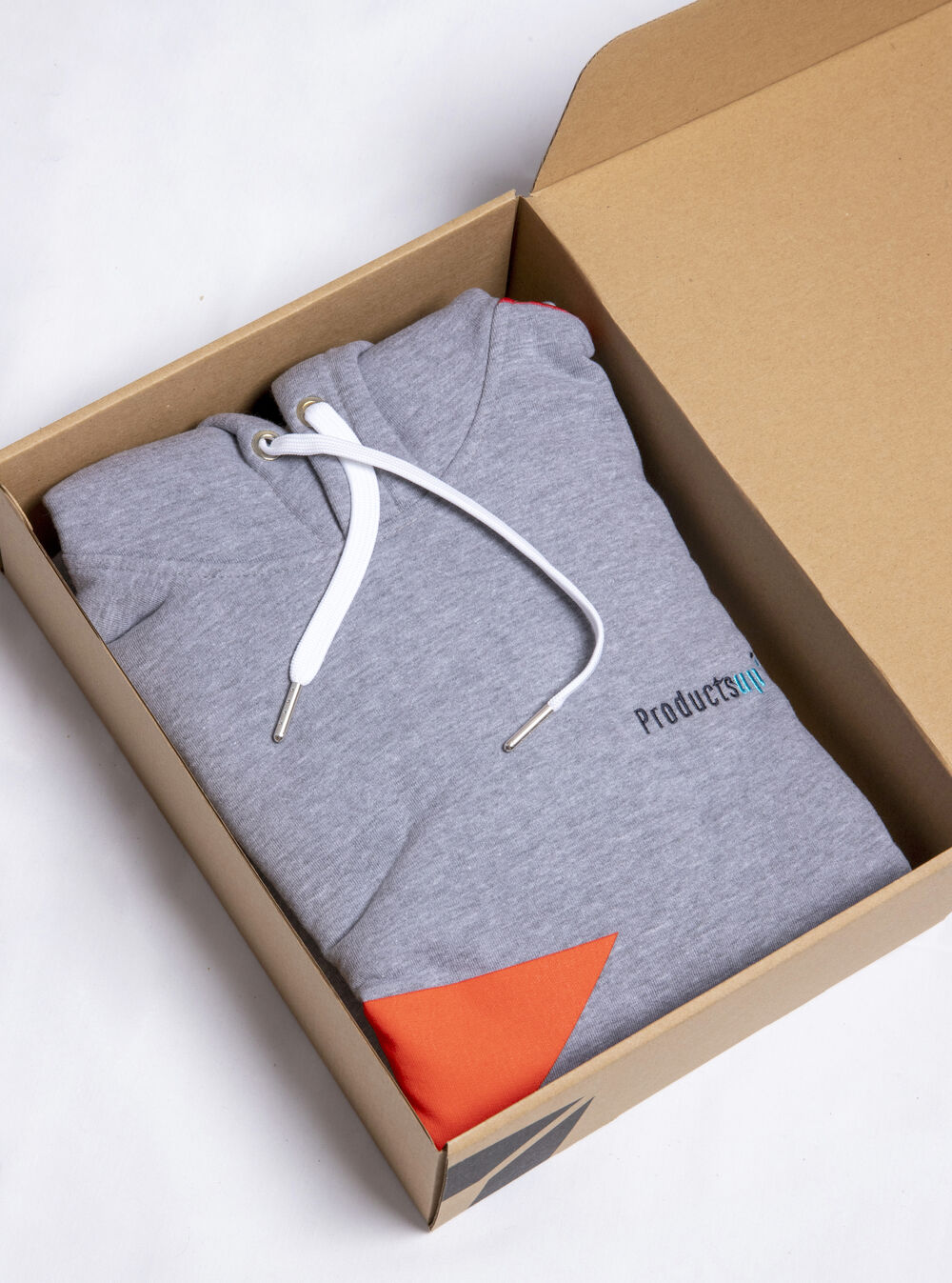
For high-value accounts, a substantial gift sustains the gesture. Tie the budget to the account's retention value, not to a flat rule.
What the bad examples get wrong
The failures share a pattern: they treat the gift as a substitute for fixing the problem, or as a sales opportunity. A recovery gift must never become a promotion.
- Gift before the fix. Sending merch before solving the issue reads as a bribe or a distraction. Fix first, always.
- Upsells in the box. No brochures, discount-heavy messages, catalogues or aggressive CTAs. The company made a mistake, the goal is to repair, not exploit.
- Too slow. The longer the wait, the weaker the link between resolution and gesture. Aim to arrive within one to two days.
- No human note. A generic card undoes the effect. The rep's own words, referencing the issue, are what make it land.
Build your recovery workflow
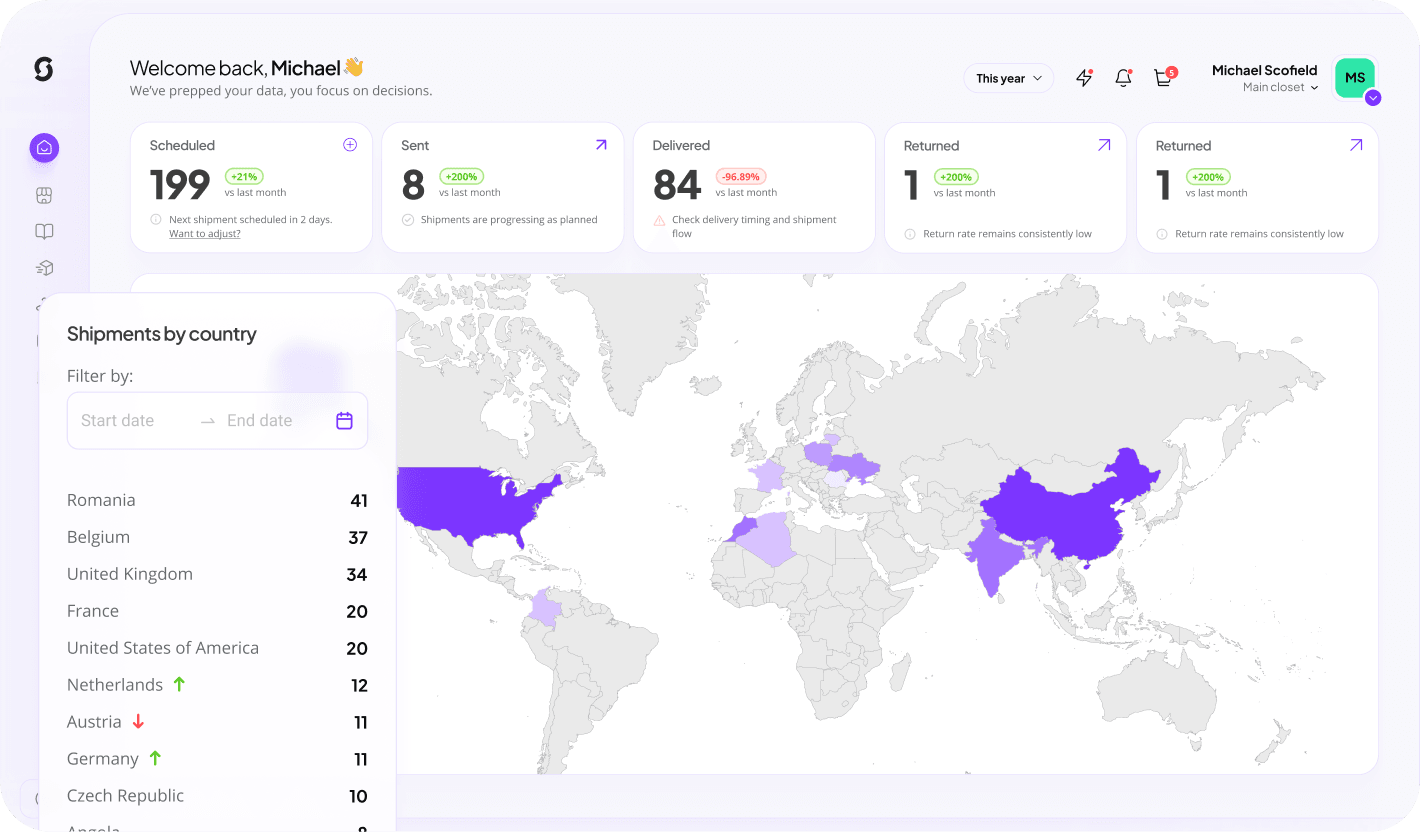
The examples above all depend on one thing: making the gift as easy to send as resolving the ticket. Sunday turns recovery gifting into a structured workflow, with approved gift collections, budget tiers, a Zendesk integration, personal notes, automated shipment creation and global fulfilment. The rep resolves the ticket, marks it resolved, selects an approved gift and budget level, adds a personal note, and Sunday handles the rest.
Learn more about the platform, see how it works, and for sending to customers across markets, that is what distribution handles.
What is a good example of a customer service recovery gift?
A strong example is the Mobile Vikings recovery workflow: after the support team resolves a connectivity or SIM issue, they send the customer a branded gift, such as a beanie, with a personal note acknowledging the inconvenience. It works because it is integrated into the customer-service workflow rather than run as a separate campaign, so the gesture happens consistently and immediately while the resolution is still fresh.
How much should a recovery gift cost?
Tie the budget to severity and the customer's retention value. A common structure is up to €10 for a minor issue, up to €25 for a significant one, and up to €50 for a major issue or a high-value customer, with defined products per tier. The logic is retention math: if a €20 gift prevents a churn that would cost €100 to replace, you are ahead before counting retained revenue.
Should I send the gift before or after fixing the problem?
Always after. A recovery gift reinforces a resolution, it does not replace one. Sending merch before solving the issue reads as a bribe or a distraction. The sequence is: solve the issue, confirm the customer is satisfied, then immediately send a thoughtful gift with a personal note. Aim for it to arrive within one to two days, while the resolution is still fresh.
Does the gift need to be unique to each customer?
No. The gift can come from a small approved-product selection mapped to budget tiers. The personalisation that matters is the note, written by the rep in their own name and referencing the specific issue. A simple, well-chosen product plus a genuine human note outperforms a generic expensive gift with no message.
What kinds of businesses benefit most from recovery gifts?
The clearest case is recurring or repeat revenue: telecom, software and SaaS, recurring service agreements, e-commerce with returning customers, marketplaces, financial services, memberships and long-term B2B accounts. In these, retaining a customer through a thoughtful gesture is cheaper than acquiring a replacement. The Mobile Vikings telecom example is a textbook subscription case.
What should I never put in a recovery gift?
Never include a sales promotion: no brochures, discount-heavy messages, upsells, catalogues or aggressive CTAs. The company made the mistake, so the goal is to repair the relationship, not exploit the moment. Anything that makes the apology feel transactional undermines it. Keep it a genuine gesture with a personal note.
Keep reading: customer service recovery gifts
Turn recovery into a workflow
Set up approved gifts, budget tiers and a Zendesk integration so your support team can send the right gift the moment a ticket is resolved.
Build this campaign with Sunday