
To choose custom hoodies for your company, start with the build, not the artwork. Look for a fabric weight of 280 to 400 GSM, a double-layered hood, a brushed inner and pre-shrunk cotton. Pick embroidery for the logo, decide pullover or zip by use-case, choose a cotton-poly blend around 80/20 to 95/5, then confirm the minimum order and all-in price. Get those right and a cheap-looking hoodie becomes impossible.
A hoodie is the most-worn item in any merch program, so a bad one is the most visible mistake you can make. The good news: it is also the safest product to buy well, because the quality markers are concrete and easy to check. Work through the criteria below in order and you will end up with a hoodie people keep, not one that lives in a drawer.
1. Start with fabric weight (GSM)
Fabric weight is the single best predictor of whether a hoodie feels premium. A good company hoodie is at least 280 GSM. Below that, it starts to feel like a light sweater or even a t-shirt, which is exactly what cheap promo hoodies push. But do not just chase the highest number. Above about 400 GSM the fabric gets stiff and tough to wear. The sweet spot is 280 to 400 GSM: heavy enough to feel substantial, soft enough to live in.
2. Check the build details
Weight gets you most of the way. These four details get you the rest. They are the tells that separate a hoodie people keep from one they bin, and they are easy to feel the second you hold the garment.
Double-layered hood
An inside and an outside layer. It sits properly and feels premium. Cheap hoodies use a single layer to save money.
Brushed inner
Soft, brushed fabric against the skin, not flat French Terry. This is what makes a hoodie feel cozy.
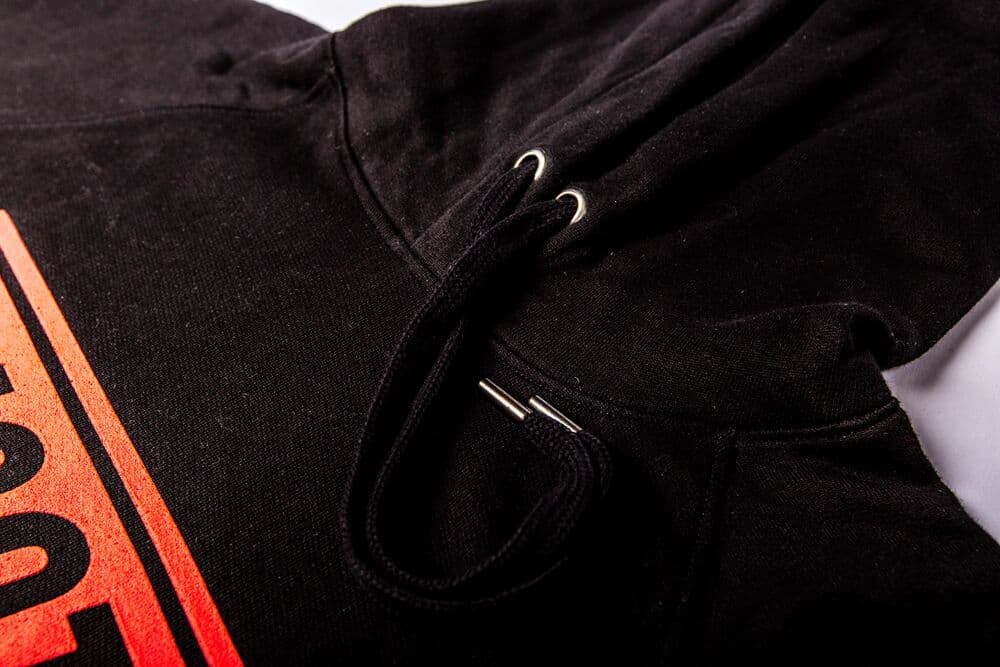
Solid drawstrings
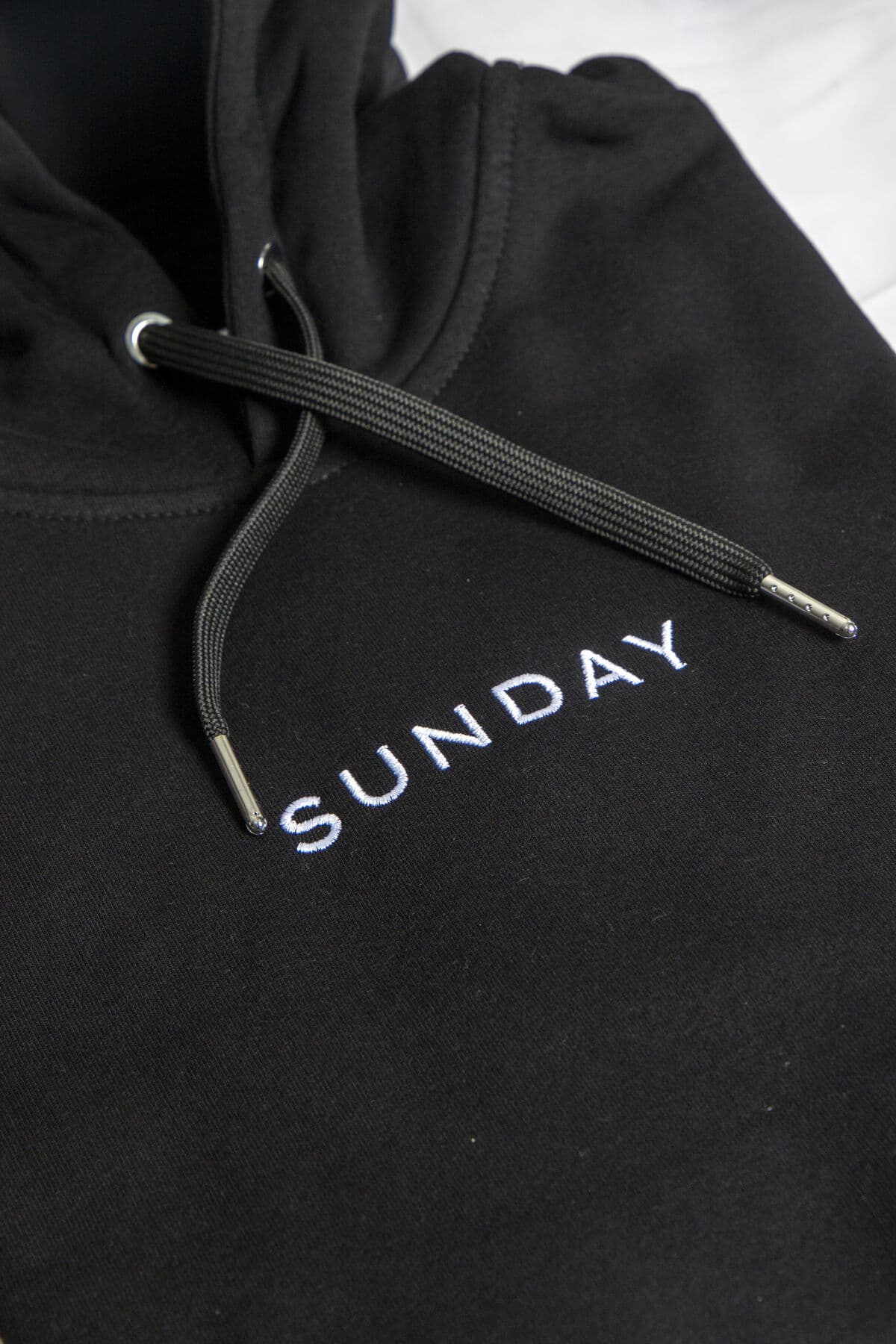
Thick cords, ideally with a metal or iron tip. Thin or missing drawstrings are an instant cheap tell.
Pre-shrunk cotton
Already washed, so it holds its size. Skipping this is why cheap hoodies shrink a size in the first wash.
If it is a zip-up, add a fifth check: the zipper. A poor zipper is frustrating to use and a dead giveaway of a cut-price hoodie.
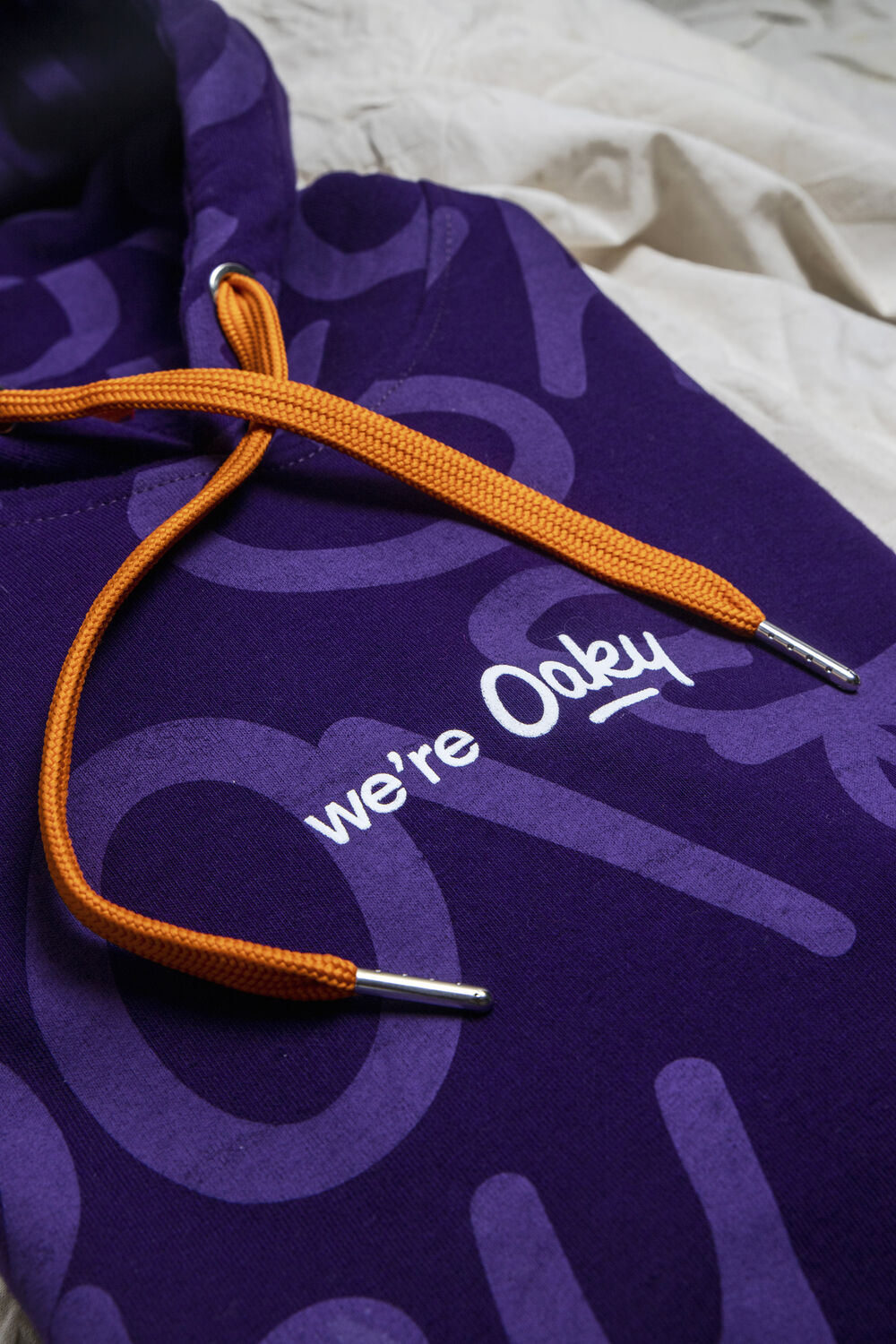
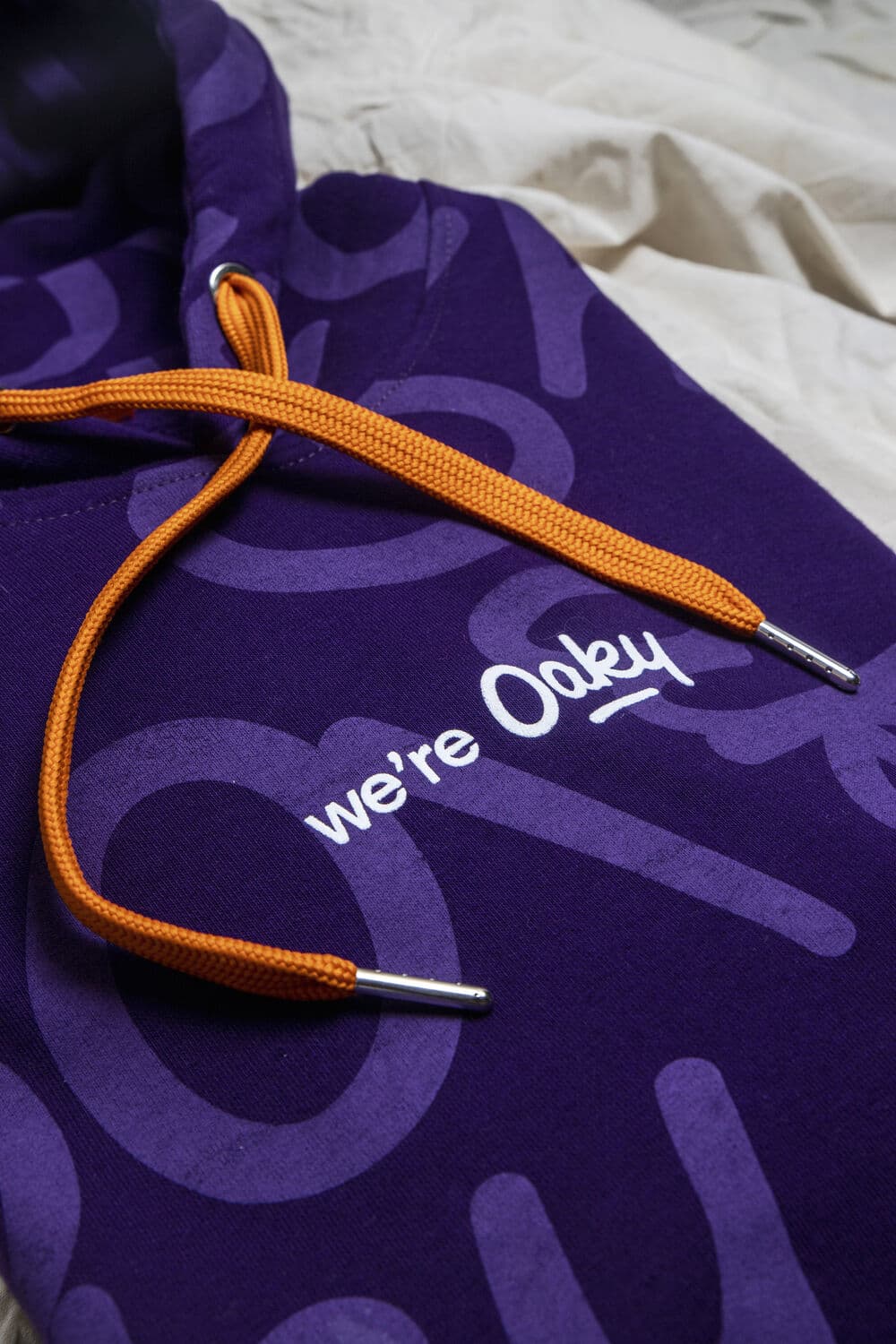
An Oaky hoodie. The weight and brushed inner are what you feel first, long before you read the logo.
3. Choose embroidery or print
For a hoodie, embroidery is almost always the answer. It is tactile, it reads premium, and it lasts as long as the garment. When someone holds a hoodie with a nicely stitched mark, they feel the quality before they read the brand. Use print when you need full-colour artwork or a large graphic that embroidery cannot reproduce cleanly. Plenty of the best company hoodies combine both: an embroidered logo with a printed detail elsewhere.
| Method | Best for | Feel |
|---|---|---|
| Embroidery | Logos, premium look, daily wear | Tactile, durable, understated |
| Full-colour or large graphics, events | Bold, graphic-led, flexible |
For a hoodie, the breakdown comes down to use: embroidery for logos, print for full-colour graphics. You can preview either in your colours with the free hoodie mockup generator before you commit.
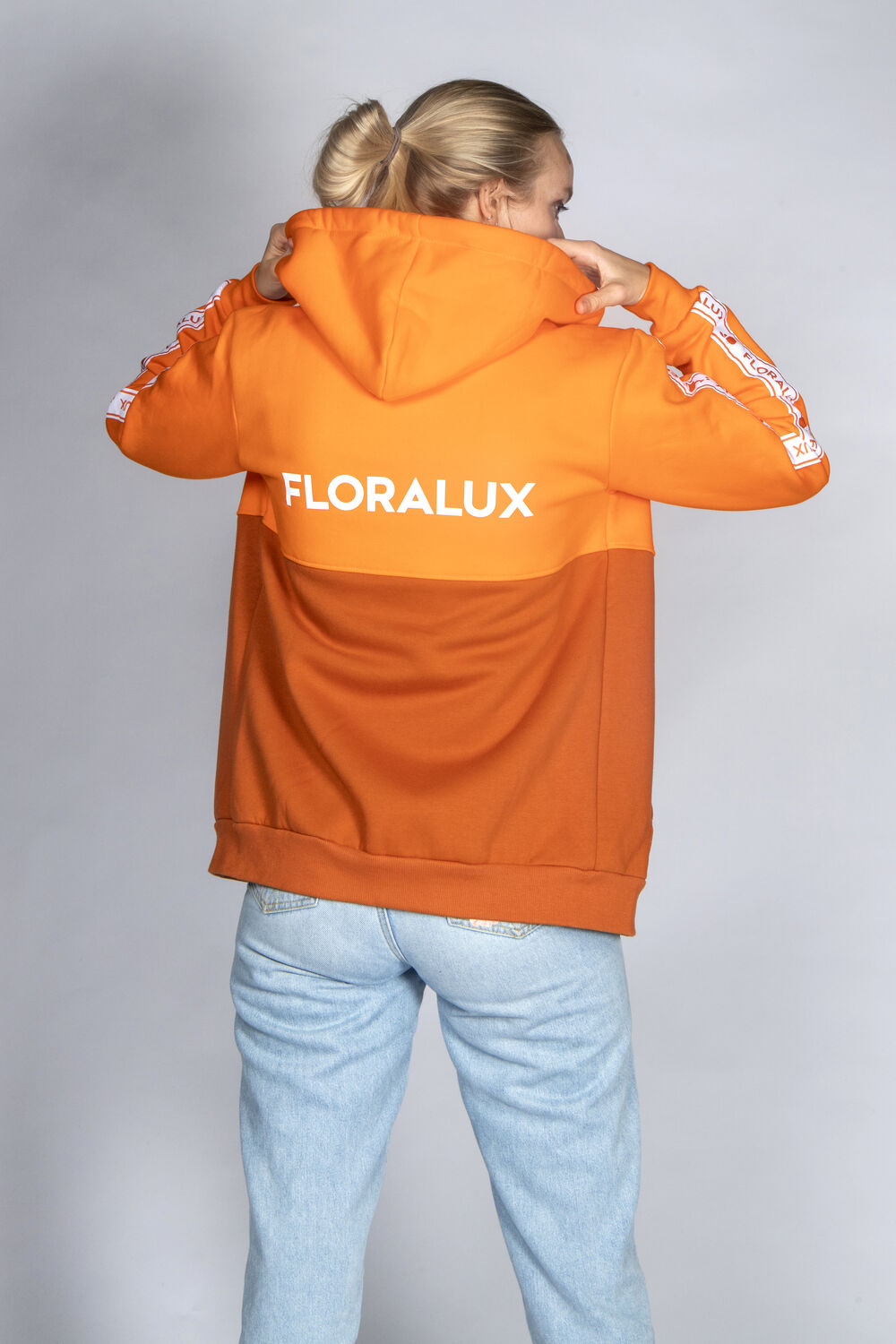
A Floralux hoodie. On a hoodie, embroidery is the default that reads premium.
4. Decide zip-up or pullover
Both work; the choice is about use, not quality. A pullover is sportier and more casual, the classic hoodie people live in. A zip-up reads as professional casual, easy to throw on and off, and layers neatly over a shirt.
- Pullover: new-hire kits, developer teams, future-talent and campus programs. The piece people wear at the weekend.
- Zip-up: team events and trips, hybrid teams, layering. Perfect for an offsite where the evening turns cold.
5. Get the blend and cotton right
Go for a cotton and polyester blend, around 80/20, 85/15 or 95/5. The polyester keeps the hoodie from going saggy or out of shape; the cotton makes it nice to wear. Pair that with pre-shrunk cotton, covered above, and you have a hoodie that holds its shape and its size through hundreds of washes. As a quality proof point, the first hoodie Sunday ever made is over ten years old and shows no wear after hundreds of washes, because the build and the cotton were right from the start.
6. Consider organic and recycled options
If sustainability matters to your company, make sure it is real and not a label on a standard garment. Sunday offers both organic-cotton and recycled-cotton hoodies, so you can match the material to what you actually want to stand behind. Pair a responsible material with the same quality build and you get a hoodie that is both well-made and credible.
7. Confirm minimums and price
Finally, the practical numbers. Through Sunday there are two routes, and the minimum depends on which you choose:
| Route | Minimum | Best for |
|---|---|---|
| Ready-to-wear (print + embroider a stock hoodie) | ~10 to 25 pieces | Teams, pilots, fast low-risk orders |
| Full custom (made from a roll of fabric) | ~100 pieces | Bespoke weight, panels, taping, full control |
Always compare all-in price including decoration, setup and shipping, not a headline unit cost with fees added at checkout. Browse the full custom hoodies range or the wider catalog.
The buyer's checklist
Run through this before you place any hoodie order:
- Fabric weight is 280 to 400 GSM
- Double-layered hood and brushed inner
- Solid drawstrings, good zipper if zip-up
- Pre-shrunk cotton, 80/20 to 95/5 blend
- Embroidery for the logo, print where needed
- Style matches the use-case (pullover vs zip)
- Minimum and all-in price confirmed
- Previewed in your branding before ordering
Tick all eight and you have chosen well.
Choosing custom hoodies: questions answered
What GSM should a company hoodie be?
Between 280 and 400 GSM. Below about 280 it feels like a light sweater or t-shirt, which cheap promo hoodies often are. Above about 400 the fabric gets stiff. The 280 to 400 band is the sweet spot for a premium hoodie that stays comfortable to wear daily.
How do I tell a premium hoodie from a cheap one?
Check five things: a fabric weight of 280 to 400 GSM, a double-layered hood, a brushed inner rather than French Terry, solid drawstrings ideally with metal tips, and pre-shrunk cotton so it will not shrink in the first wash. On a zip-up, the zipper quality matters too.
Should I choose embroidery or print on a company hoodie?
Embroidery almost always for a logo. It is tactile, reads premium and lasts as long as the garment. Use print for full-colour artwork or large graphics embroidery cannot reproduce cleanly. Many of the best company hoodies combine an embroidered logo with a printed detail.
Zip-up or pullover for company hoodies?
Both work. Pullovers are sportier and casual, ideal for new-hire kits, developers and campus programs. Zip-ups read as professional casual and suit team events and layering, since they are easy to put on and take off. Whichever you pick, make sure the zipper is good quality.
What is the minimum order for custom hoodies?
Through Sunday, around 10 to 25 pieces for a ready-to-wear hoodie that is printed and embroidered, depending on the type, or around 100 pieces for a fully custom hoodie made from a roll of fabric. The low ready-to-wear minimum makes it easy to kit out a small team.
Are organic or recycled custom hoodies worth it?
If sustainability matters to your company, yes, as long as the material is genuine. Sunday offers both organic-cotton and recycled-cotton hoodies paired with the same quality build, so you get a responsible material and a hoodie people actually keep, not a label on a standard garment.
Keep reading: custom hoodies
Preview your hoodie before you choose
Create a free account and see a premium branded hoodie in your colours, with the build specs and live pricing, in 30 seconds.
Get free designs