
Strong partner appreciation gifts examples share one pattern: the gift maps to a specific behaviour, not a calendar. AnyDesk ties merch to onboarding, certification and co-branded events. AVR ships discounted merch to partners and to end customers on their behalf. Lamett rewards partners who hit a sales target on a priority range. Each gift recognises a real milestone, which is what separates a memorable kit from a forgotten logo pen.
Partners sit between customers and employees. They are not internal staff, but they actively represent your brand to the end customer, which makes merch uniquely powerful: a partner is not just receiving your brand, they are helping carry it. Because of that, partner gifts can be more visibly branded than customer gifts, and partners genuinely want to use them. These examples show how real companies put that to work. To plan the full programme behind them, read the complete guide.
AnyDesk: the structured IT-partner programme
AnyDesk runs a structured programme for its IT partners rather than one-off sends. New partners receive an automated onboarding gift so they can start representing the brand immediately. Partners and the vendor get co-branded event merch for trade shows and local events. Training and certification milestones unlock rewards, and engagement is reinforced with merch tied to activity. The co-branded event support is the clever part: it makes partners look professional at their own events while extending AnyDesk's reach into local markets where it has no direct presence.
Why it works: every gift is tied to a trigger, onboarding, certification or an event, and the co-branding turns partner appreciation into brand distribution. Nothing is sent without a reason.
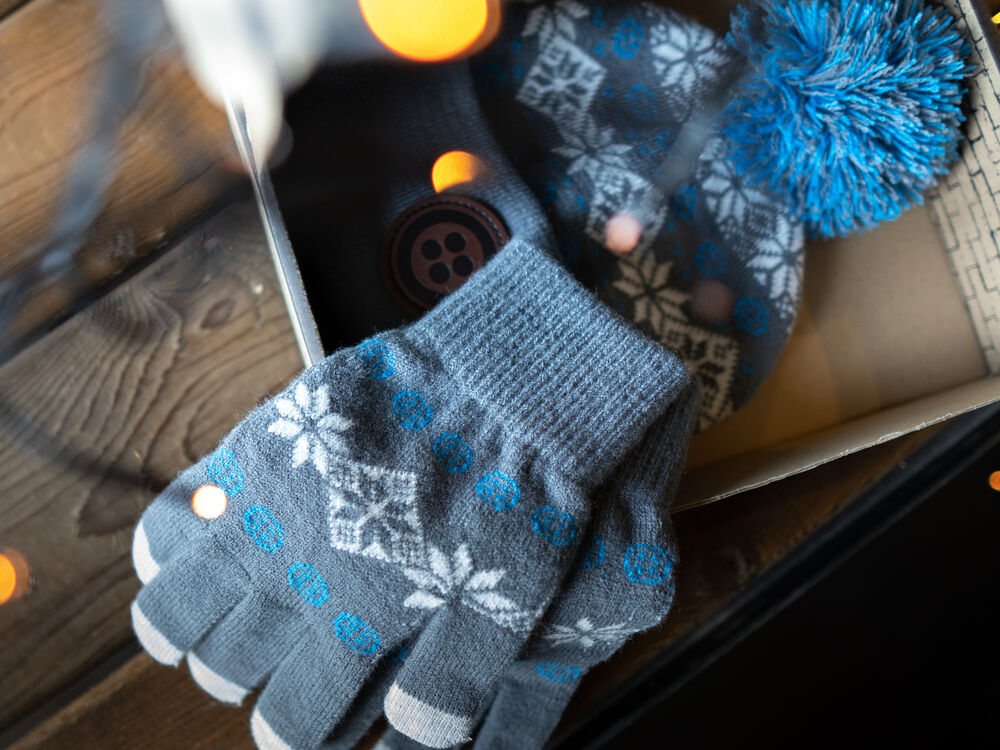
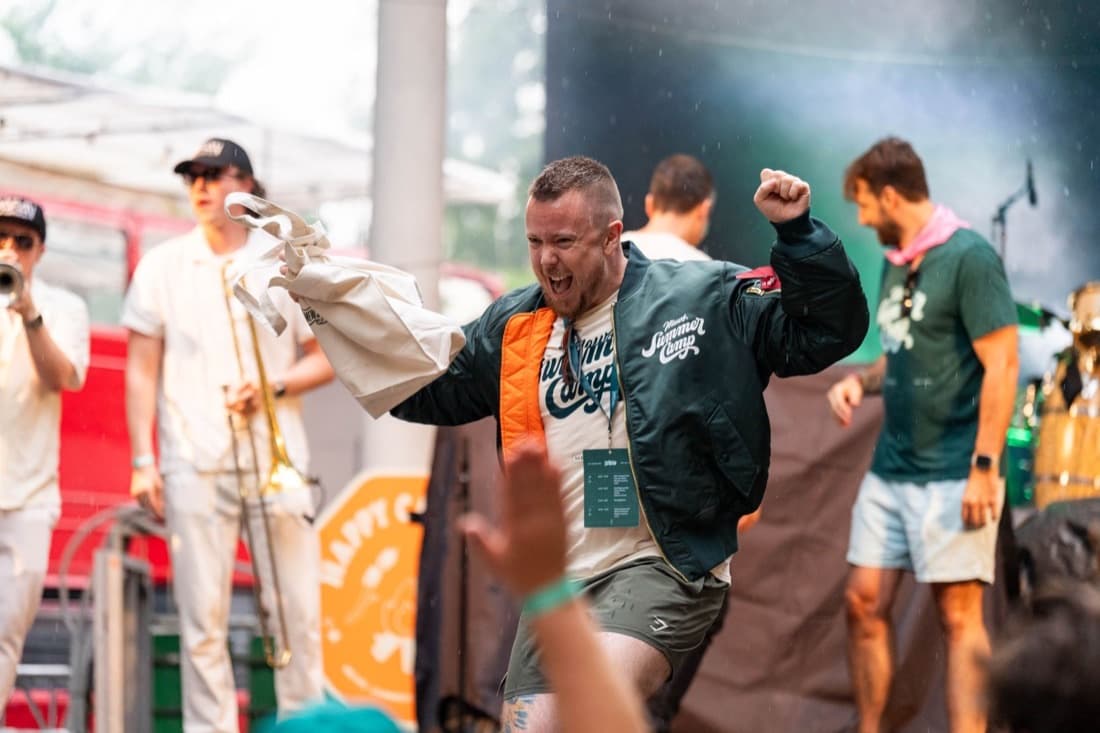
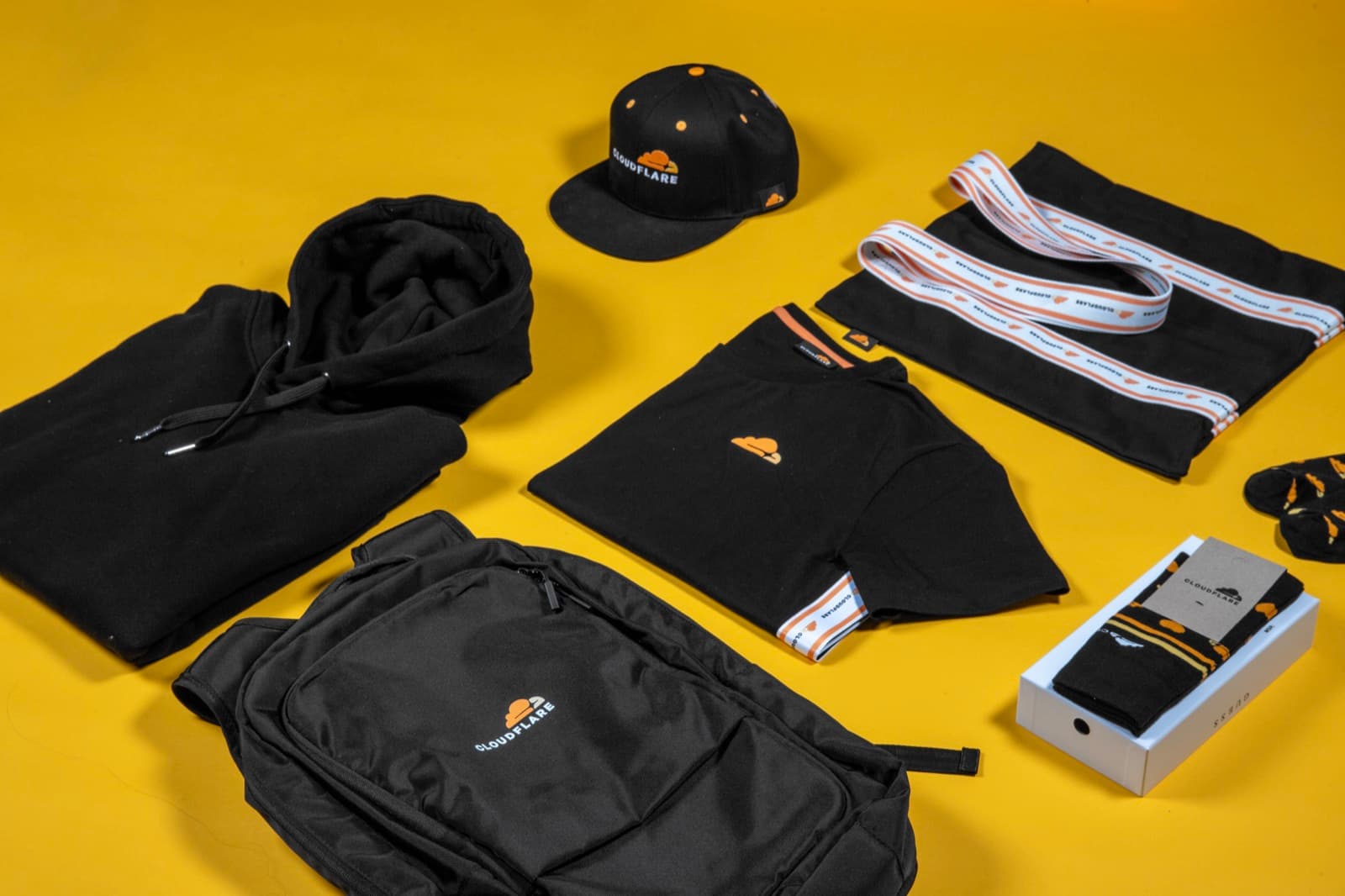
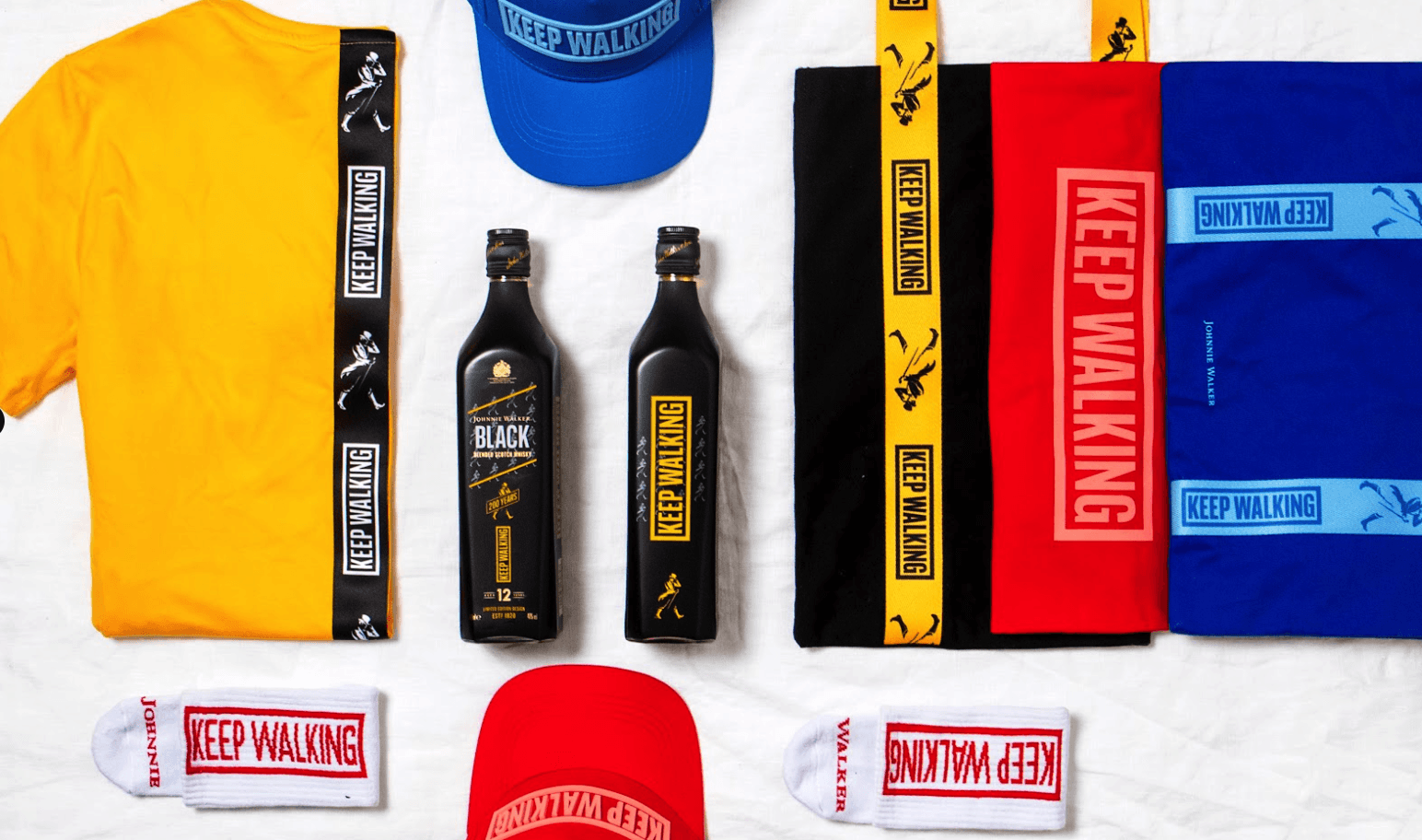
A co-branded kit makes partners look professional at their own events and carries the vendor's brand into local markets.
AVR: merch as local brand distribution
AVR makes agricultural machinery and sells through partners and resellers. Its partners can request AVR merch at heavily discounted prices, and AVR can ship merch to end customers on a local partner's behalf. That last move is the insight. In a market where AVR has no office, the reseller is the face of the brand and the merch keeps AVR physically visible, on a customer's desk, in a customer's hands, far from headquarters. Partner merch becomes a scalable local brand-distribution system rather than a thank-you.
Why it works: the gift does a job beyond goodwill. It builds physical brand presence in markets the vendor cannot reach directly, with the partner as the trusted local face.
Lamett: a sales-target reward
Lamett ran a short-term sales campaign and sent a merch package to partners who sold a specified number of square metres from a target part of the collection. The merch focused partner attention on a priority range for a defined window. This is gifting used as a sales lever: it does not replace the margin or the incentive, it adds a recognition layer that points effort at what matters right now.
The winter set for key partners
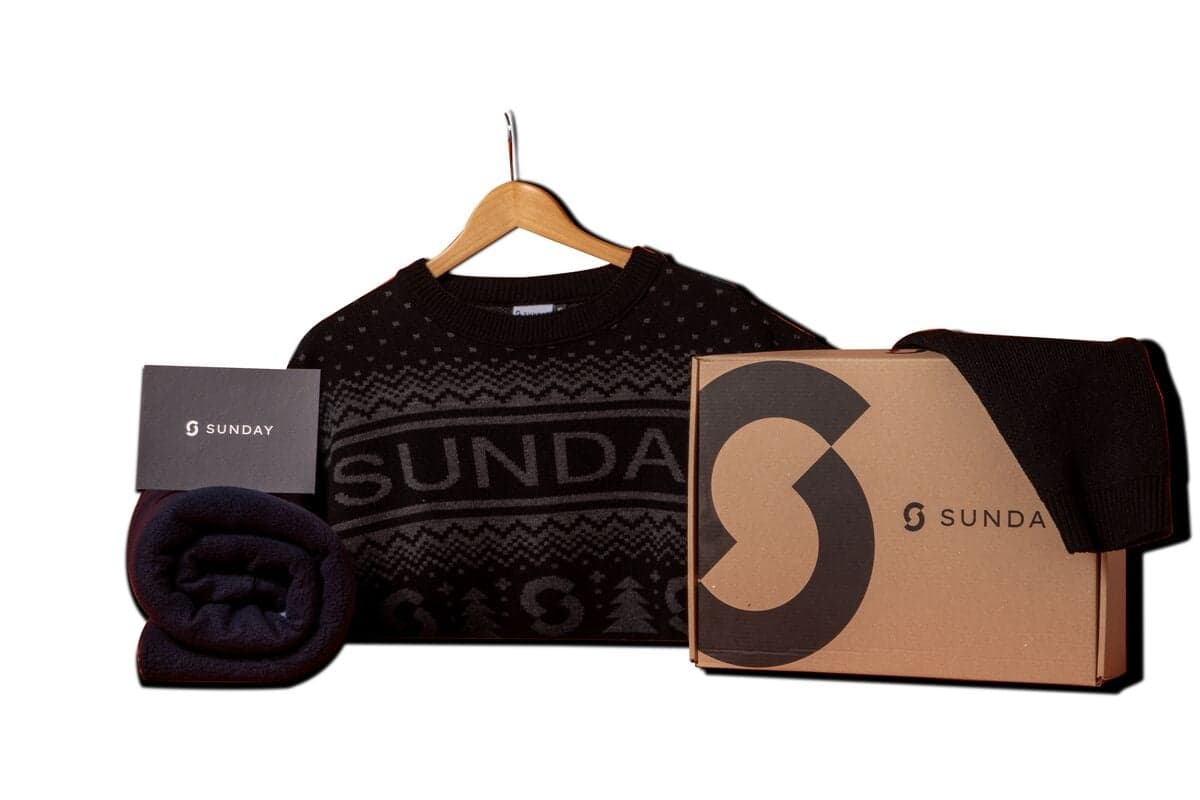
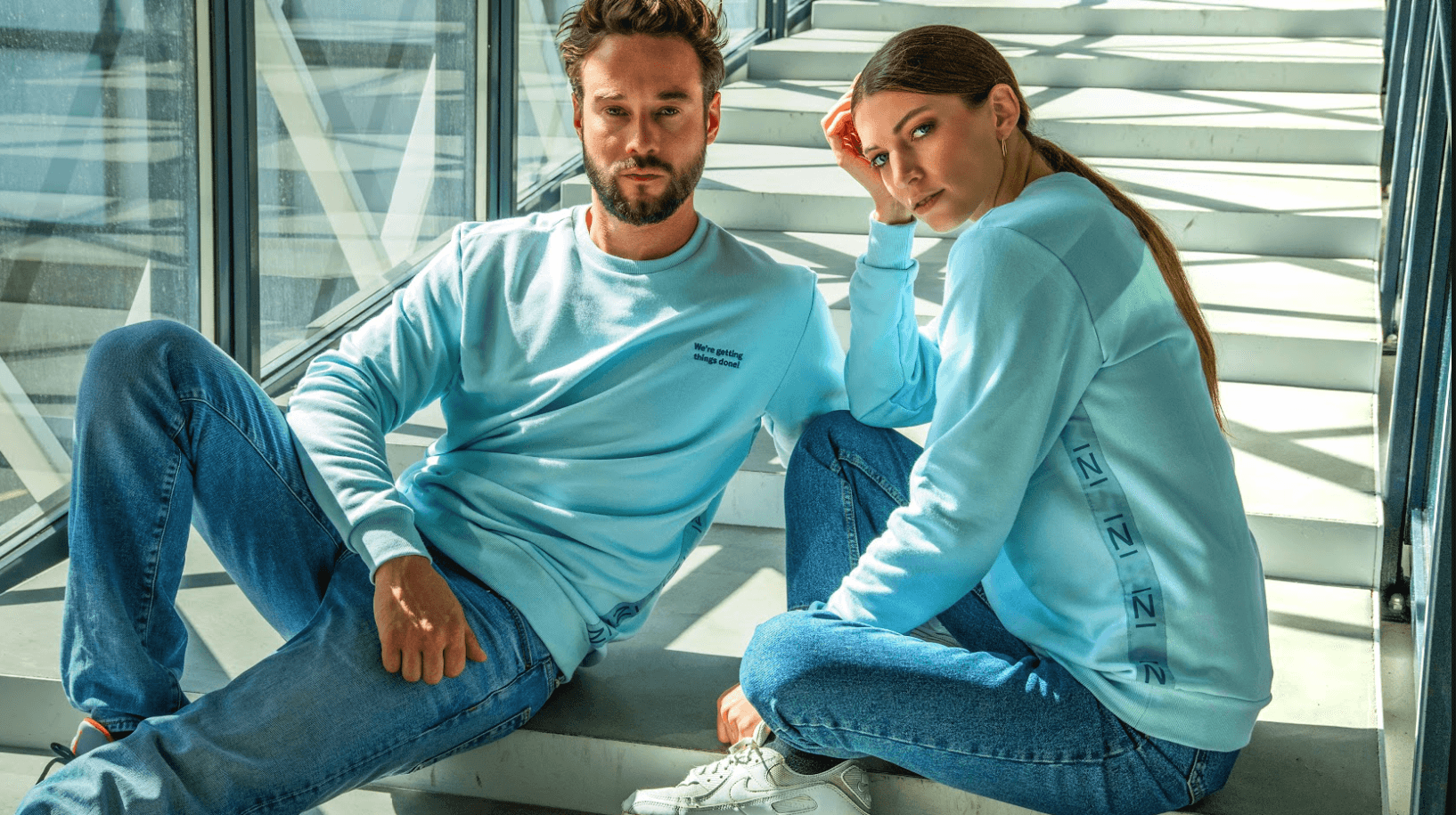
For high-value partners and partner events, a complete seasonal set beats a single object. A knitted beanie with a scarf, gloves and a personalised card reads as a real gift, not swag, and the complete kit lifts perceived value well above any one item. A branded beanie is a natural choice here: it fits winter partner kickoffs, outdoor partner events, ski trips and colder-climate markets. It is one useful option within a broader collection, not the default for everyone. See the full range of custom beanies, and preview your logo on one in the free beanie mockup generator before you build the kit.
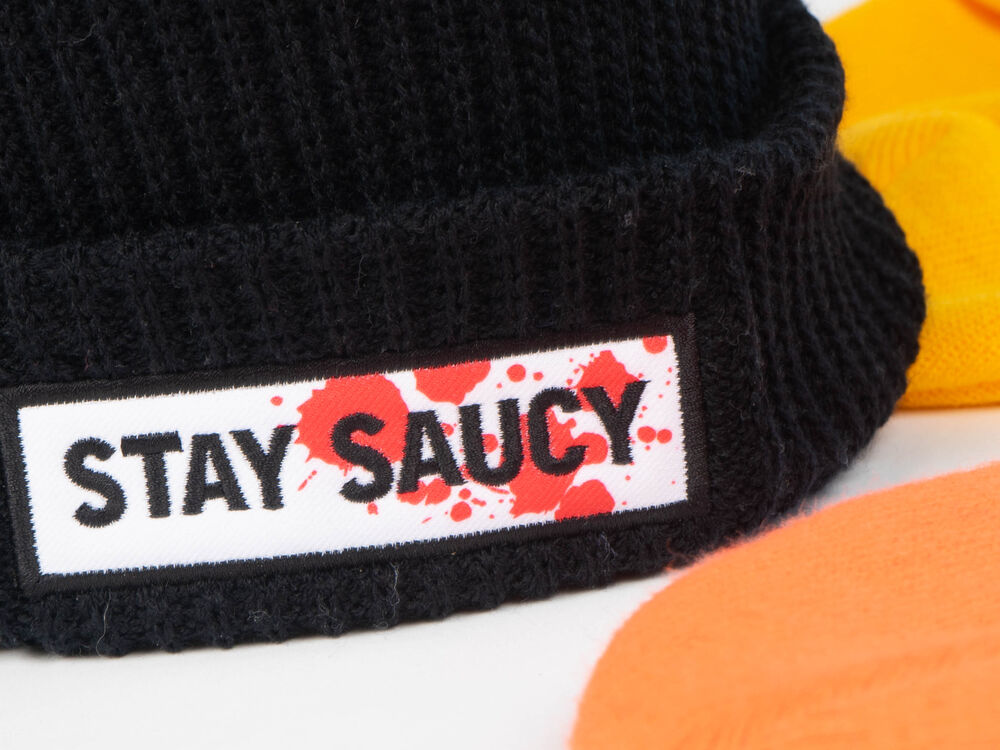
A branded beanie fits a partner winter kit, kickoff or ski-trip event. One option within a broader collection.
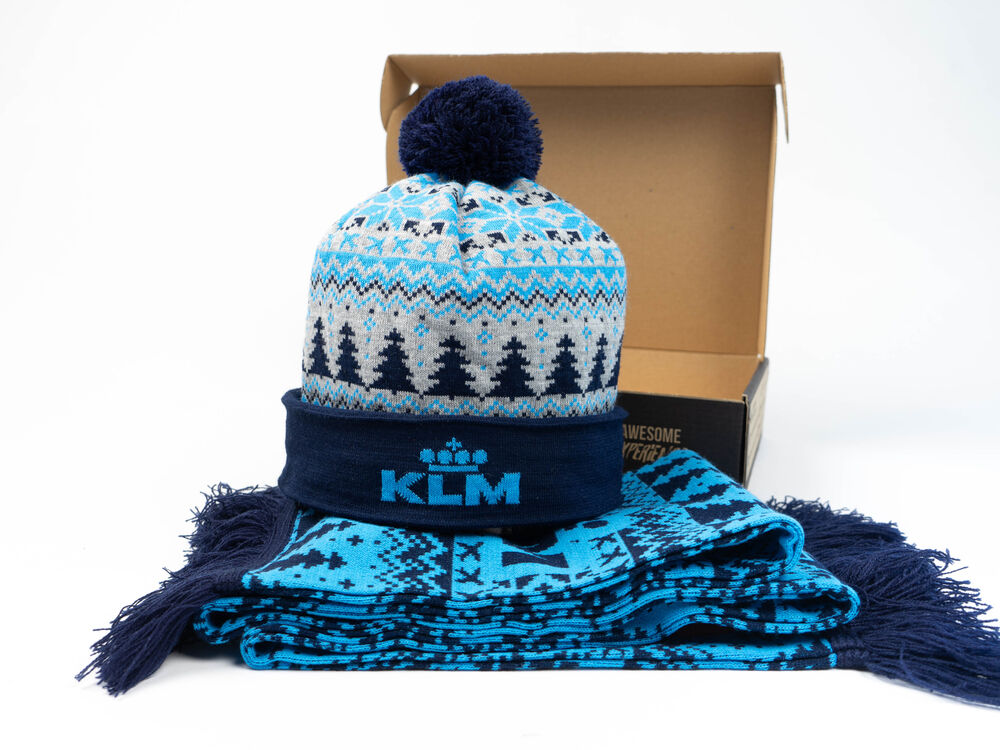
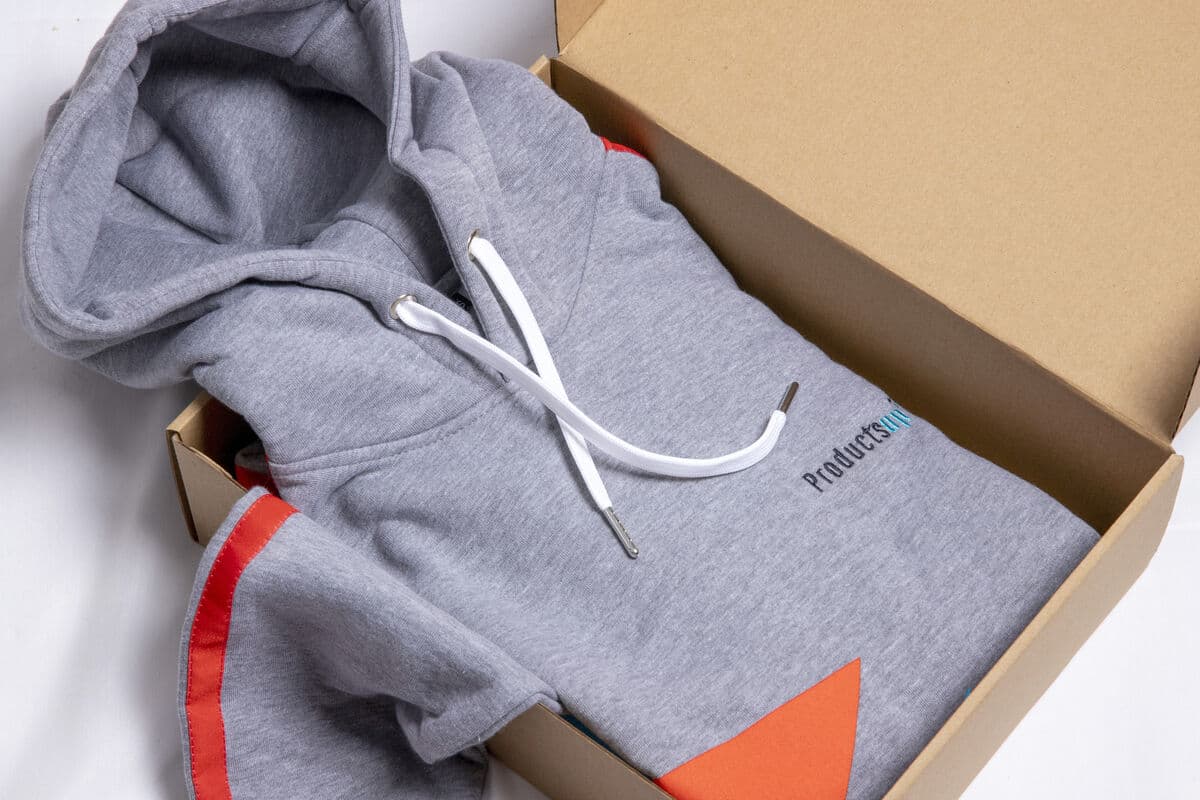
A premium boxed kit for key accounts. Presentation is part of what makes a partner gift feel earned.
The patterns worth copying
Across every example, the same moves repeat. Tie the gift to a milestone. Recognise the individual, not just the partner company, with a gift to the salesperson who closed the first deal or completed a certification. Use co-branding to extend reach. And design for the partner's own use, since a partner who represents your brand genuinely wants to wear and carry it.
| Example | Trigger | What it achieved |
|---|---|---|
| AnyDesk | Onboarding, certification, events | Engaged partners and co-branded local reach |
| AVR | Partner request and end-customer shipping | Physical brand presence in markets with no office |
| Lamett | Sales target on a priority range | Focused partner effort for a defined window |
| Winter set | Key-partner recognition and events | High perceived value for top accounts |
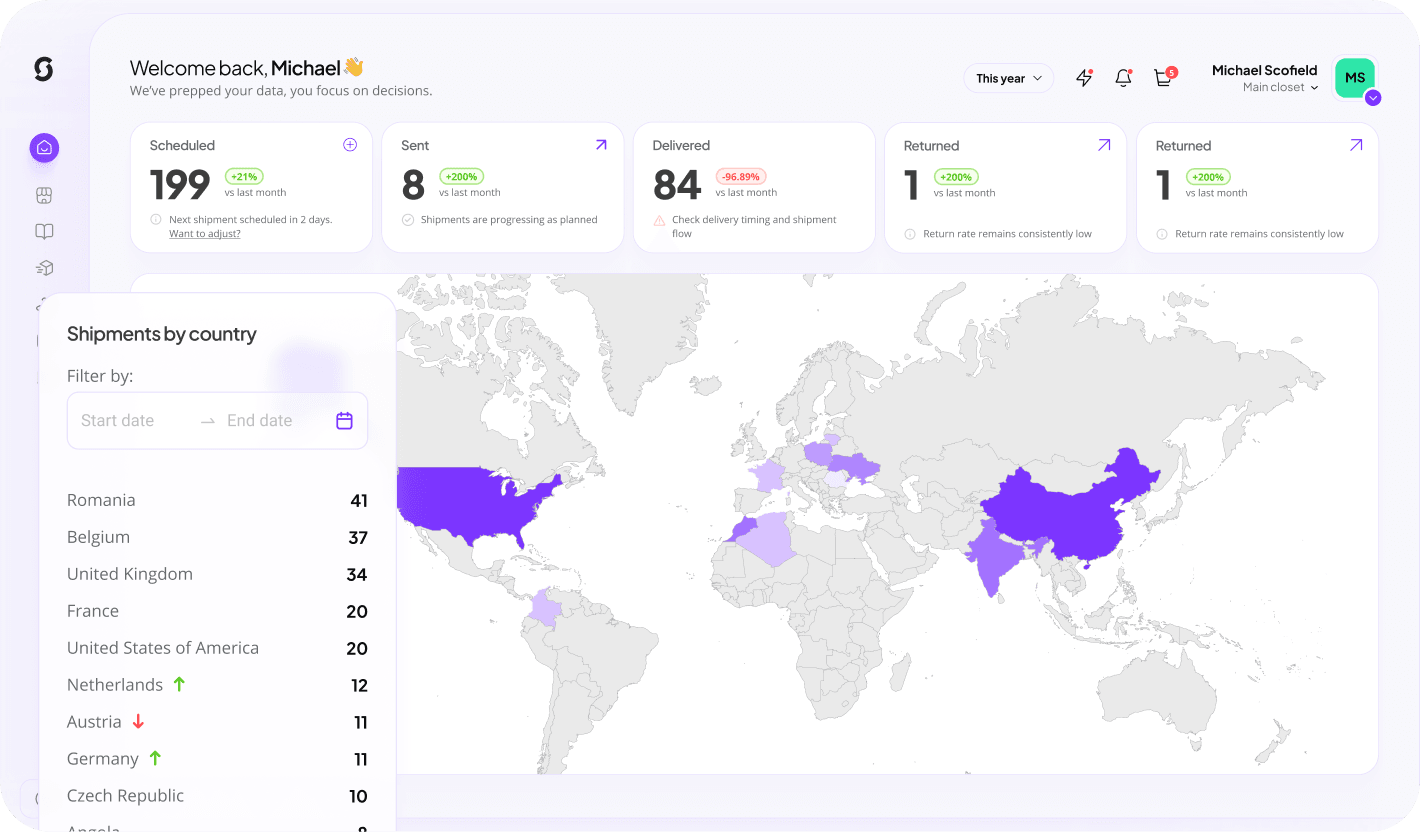
See how Sunday handles global send on the platform and via distribution.
What to spend
A useful heuristic from these programmes: reserve roughly 1 to 2 percent of partner-generated revenue for joint marketing and merch, tuned by margin, tier and strategic importance. A partner generating 50,000 euros points to around 1,500 euros; 100,000 euros to roughly 2,000 to 3,000; a million-euro partner to 10,000 or more. Alongside that, create a standardised onboarding package every new partner receives, so they can represent the brand immediately, before they hit a higher revenue tier.
Partner appreciation gifts examples: questions answered
What are good partner appreciation gifts?
The best partner appreciation gifts are tied to a milestone and built into the channel programme: an onboarding kit, a certification reward, co-branded event merch, or a recognition gift for the individual who closed a deal. Apparel, bags, desk products and winter sets all work because partners genuinely use them, since they represent your brand.
How do real companies use partner gifts?
AnyDesk ties merch to onboarding, certification and co-branded events. AVR ships discounted merch to partners and to end customers on their behalf, building local presence. Lamett rewarded partners who hit a sales target on a priority range. In every case the gift maps to a specific behaviour rather than being sent without context.
Are partner gifts a replacement for rebates or SPIFFs?
No. Merch does not replace the financial foundations such as rebates, SPIFFs, margin structures and MDF, which give partners clear reasons to sell and support. Gifting sits outside the cash and adds a personal, visible recognition layer that commissions cannot, tied to milestones and behaviour.
Is a branded beanie a good partner gift?
Yes, as part of a collection. A branded beanie fits winter partner kickoffs, outdoor partner events, ski trips and colder-climate markets, especially inside a complete winter set with a scarf and a personalised card. It is one useful option within a broader programme, not the default gift for every partner.
How much should you spend on partner gifts?
A common heuristic is to reserve around 1 to 2 percent of partner-generated revenue for joint marketing and merch, tuned by margin, tier and strategic importance. A 50,000 euro partner points to roughly 1,500 euros, a 100,000 euro partner to 2,000 to 3,000, and a million-euro partner to 10,000 or more.
Keep reading: partner appreciation gifts
Build your partner gifting program with Sunday
Pick the products, tie them to partner milestones, and send globally without a logistics project. Made in Europe, live in 30 seconds.
Build this campaign