
The most sustainable custom polo is the one that lasts. A well-made polo in the right material, decorated to survive years of washing, beats a cheap polo that loses shape and gets binned. Choose cotton for everyday corporate use and technical blends only where performance is needed, design the polo for the long term, ask where it is made, and use responsible packaging. Durability does more for sustainability than any single material claim.
Sustainability in corporate apparel attracts a lot of marketing and not much honesty. We will keep this practical and avoid overclaiming. There is no perfect polo, and no material that makes an order automatically green. What you can do is make better choices that genuinely reduce waste: pick the right fabric, build the polo to last, produce it closer to home, and skip the throwaway packaging. For the wider picture on choosing the polo, start with the complete polo guide.
Cotton vs technical: choose by use, not by label
The biggest material decision is cotton versus a technical or polyester blend. Neither is automatically more sustainable. The honest answer is to choose by use, because the right fabric for the job lasts longer and gets worn more.
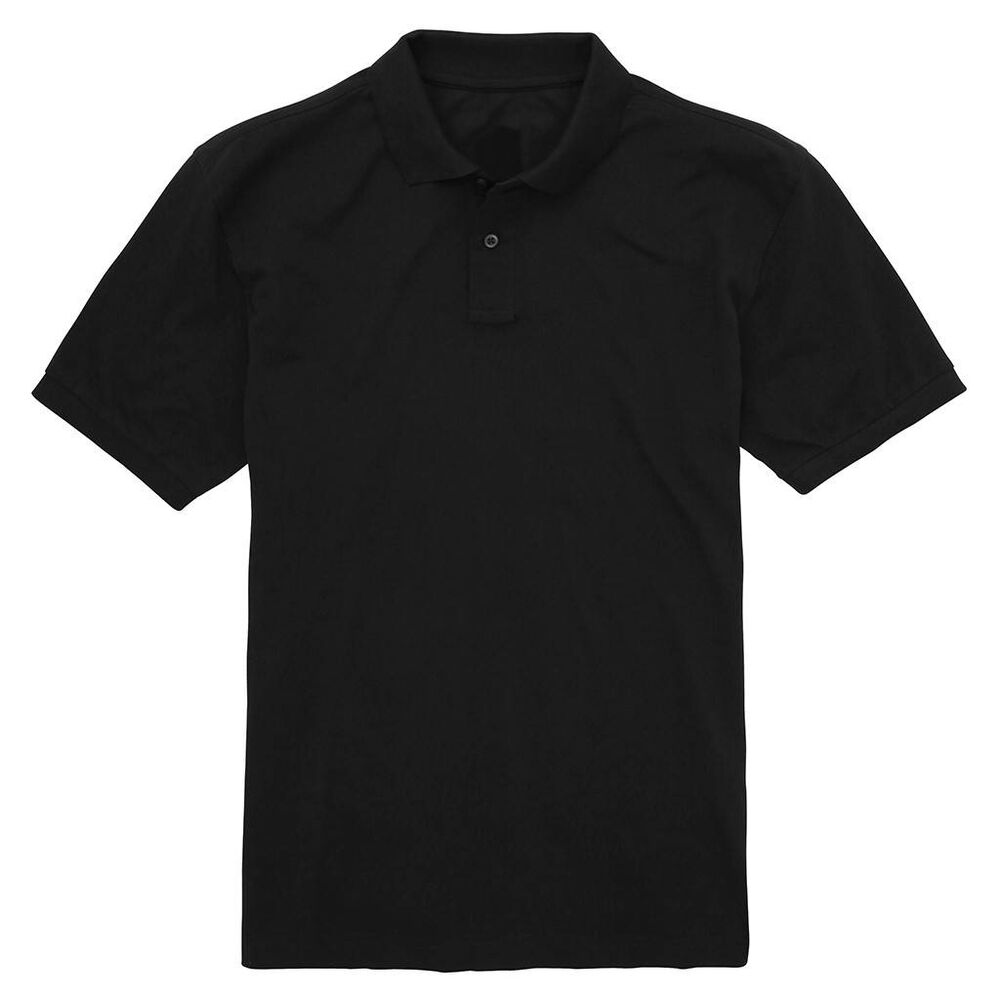
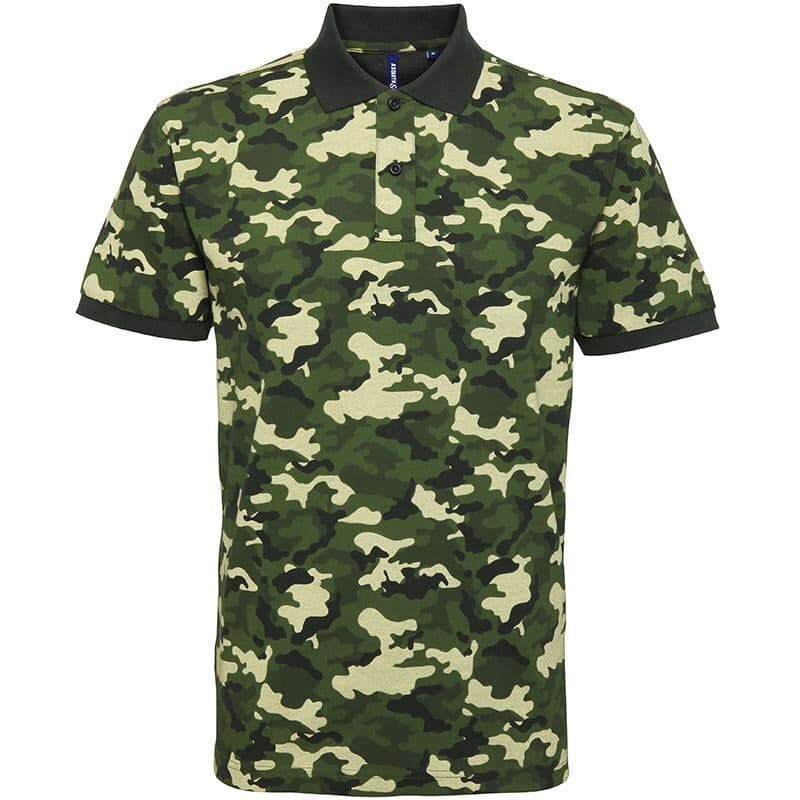
Cotton is the comfortable, natural choice for general corporate wear. A technical blend earns its place only where moisture and movement demand it.
- Cotton suits general corporate use: sales teams, office apparel, retail and service staff. It is comfortable, natural and pleasant to wear all day, which is exactly why people keep it on.
- Technical and polyester blends suit active contexts: golf, sport, outdoor and physically demanding work where moisture management and stretch genuinely matter.
Picking a performance polo because it sounds advanced, when a cotton polo would be worn more happily, is the opposite of sustainable. Match the fabric to the real use.
Design the polo to last
Durability is where sustainability is actually won. A polo that holds its shape, keeps a presentable collar and survives repeated washing stays in rotation for years. A cheap polo that sags and fades is replaced quickly, which is both more wasteful and more expensive. Buying better is the greener choice.
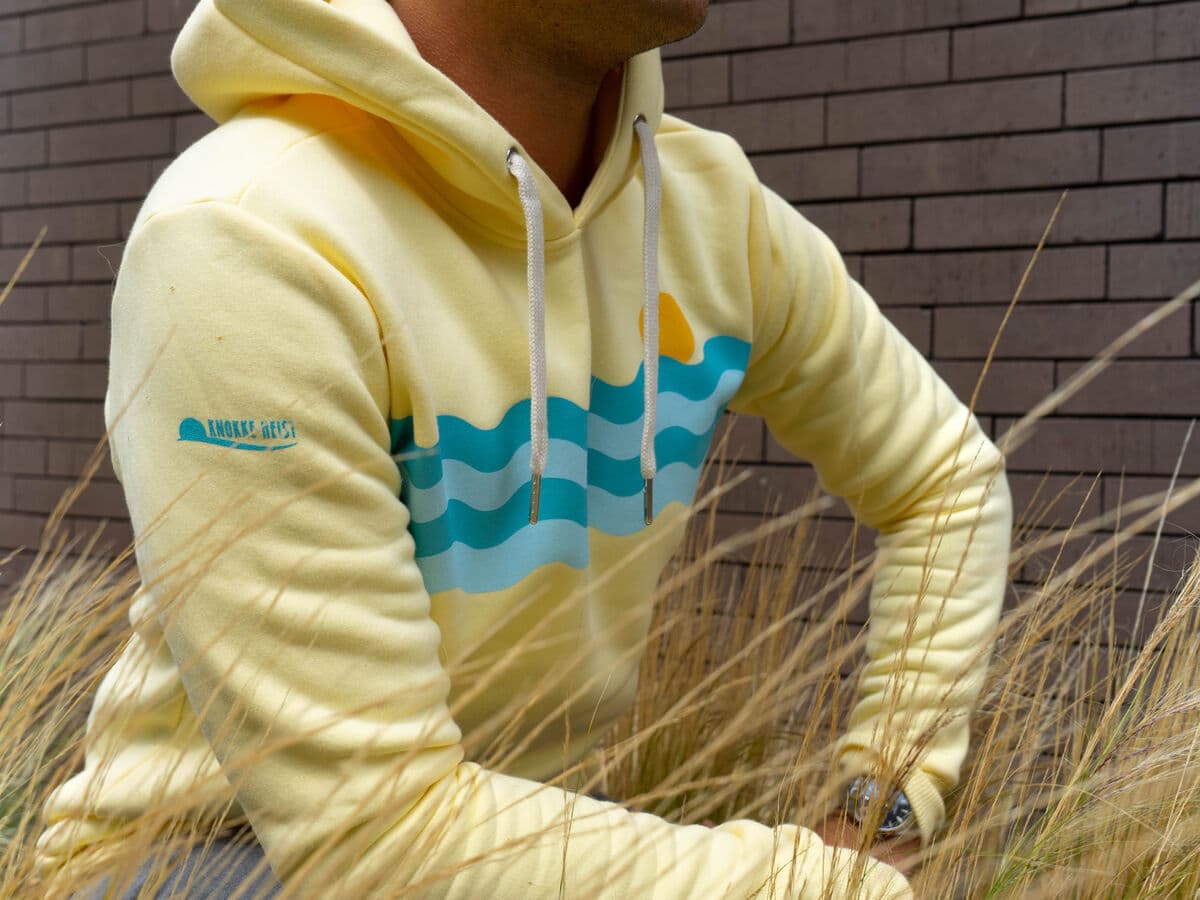
A structured collar, balanced fabric weight and clean construction keep a polo professional for years. Longevity is the real sustainability story.
Decoration matters here too. Embroidery and sewn details are built into the garment, so they survive washing far better than a print that can crack or peel. A logo that still looks sharp after a year keeps the polo wearable.
EU production, closer to home
Where a polo is made affects its footprint. Producing in or near the EU shortens supply chains, supports closer oversight of conditions, and reduces the distance an order travels before it reaches your team. It is not a magic fix, but it is a real, checkable choice. Ask your supplier where the polo is made and how it is finished, and favour partners who can answer clearly. You can see how Sunday handles sourcing and production on how it works.
Responsible packaging
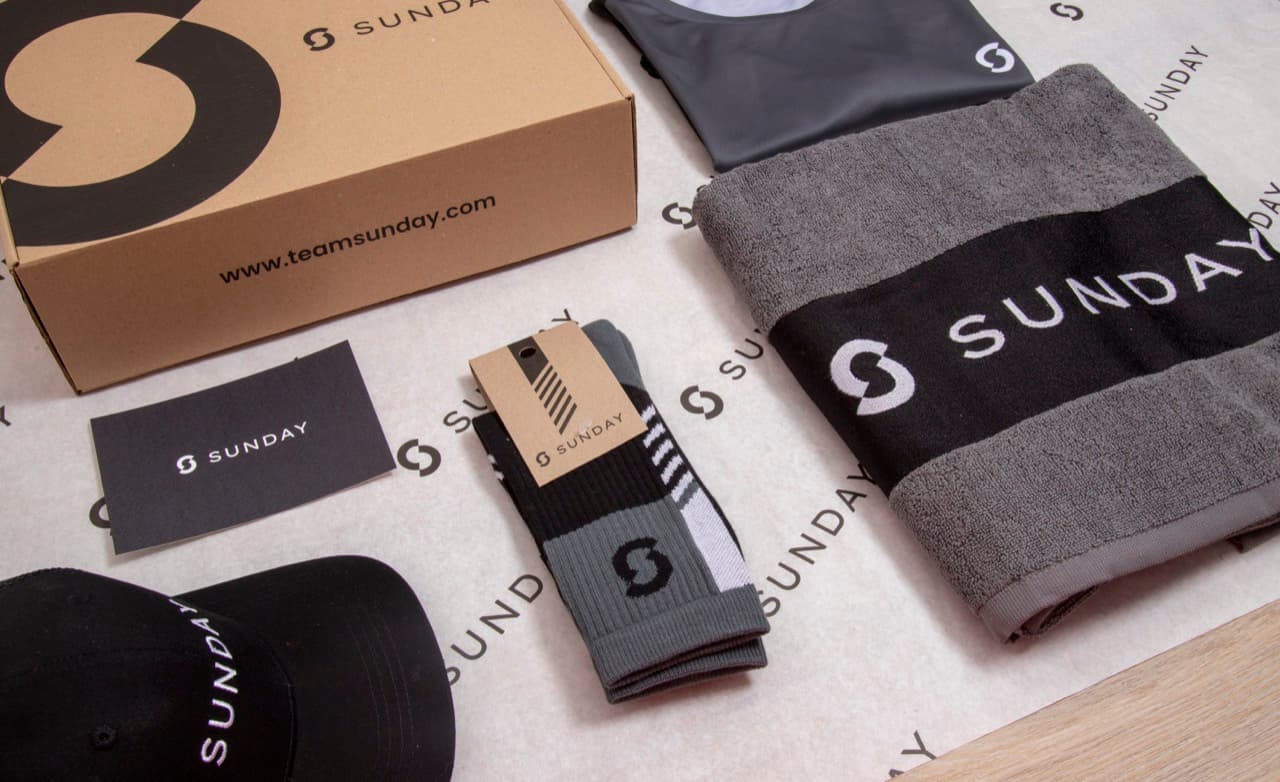
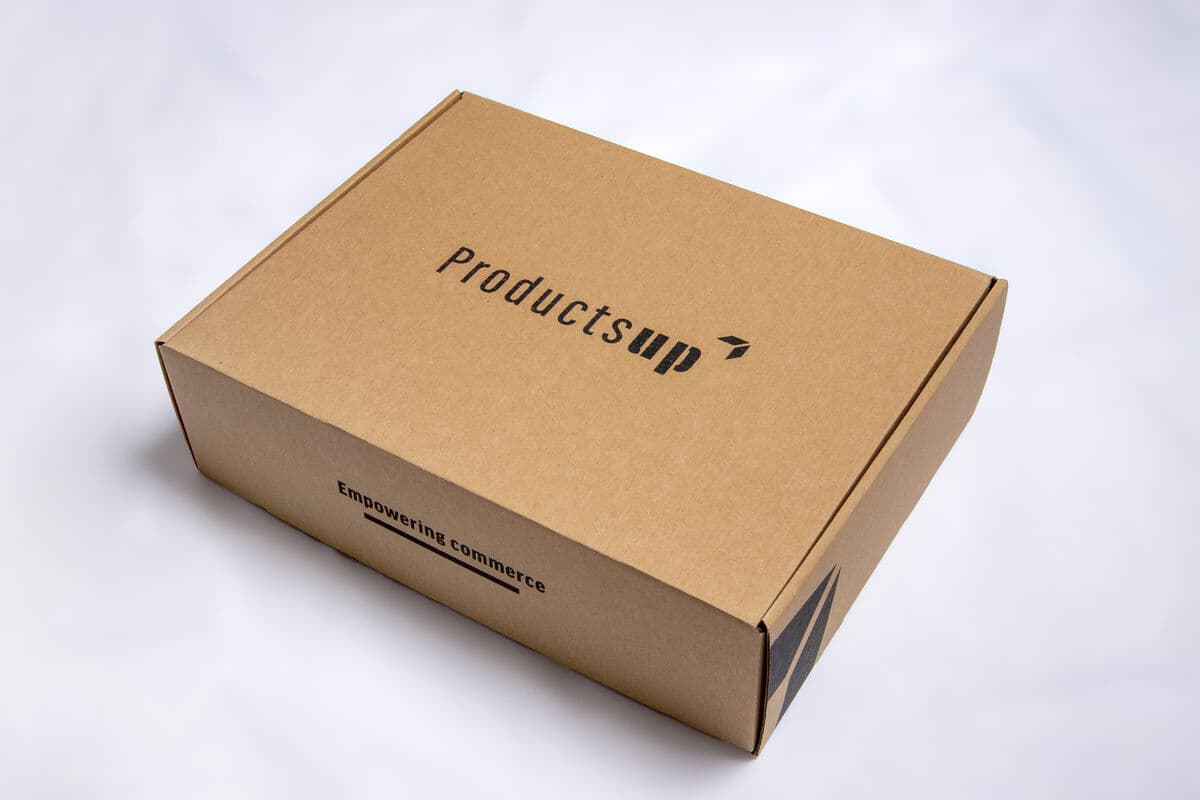
Packaging is the quiet waste in most apparel orders. Individually polybagged polos, oversized boxes and surplus filler add up fast across a few hundred pieces. Responsible packaging means less single-use plastic, right-sized boxes, and recyclable or reusable materials where possible. It is a small change per unit that becomes meaningful at volume, and it is one of the easiest wins to ask for.
A note on overclaiming
Be careful with sustainability language, on your polo and in your messaging. Vague claims like eco or green, with nothing behind them, are increasingly scrutinised and can do more harm than good. State only what is true and specific: the material, where it is made, how it is packaged. Honesty is more credible than a badge, and it protects your brand.
| Choice | Why it helps | Avoid overclaiming |
|---|---|---|
| Right material for the use | Worn more, lasts longer, less waste | No fabric is automatically green |
| Durable construction | Stays in rotation for years | Say built to last, not eco |
| Embroidery over print | Survives washing, no peeling | It is durability, not a certification |
| EU production | Shorter supply chain, closer oversight | State where, do not imply zero impact |
| Responsible packaging | Less single-use plastic at volume | Describe the materials honestly |
Keep reading: custom polo shirts
A polo built to be kept
Create a free account and design a durable, on-brand polo in the right material, with live pricing.
Get free designs