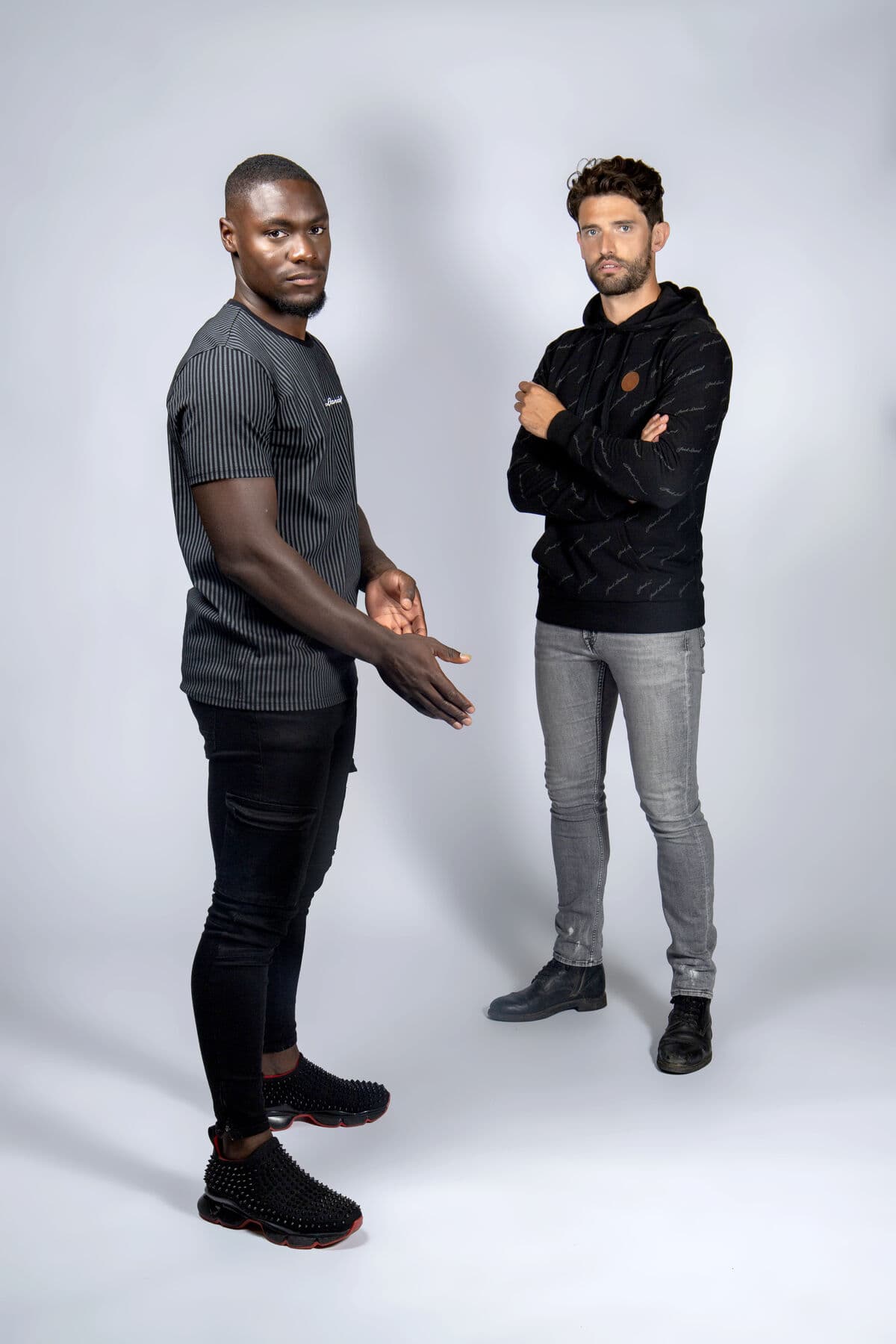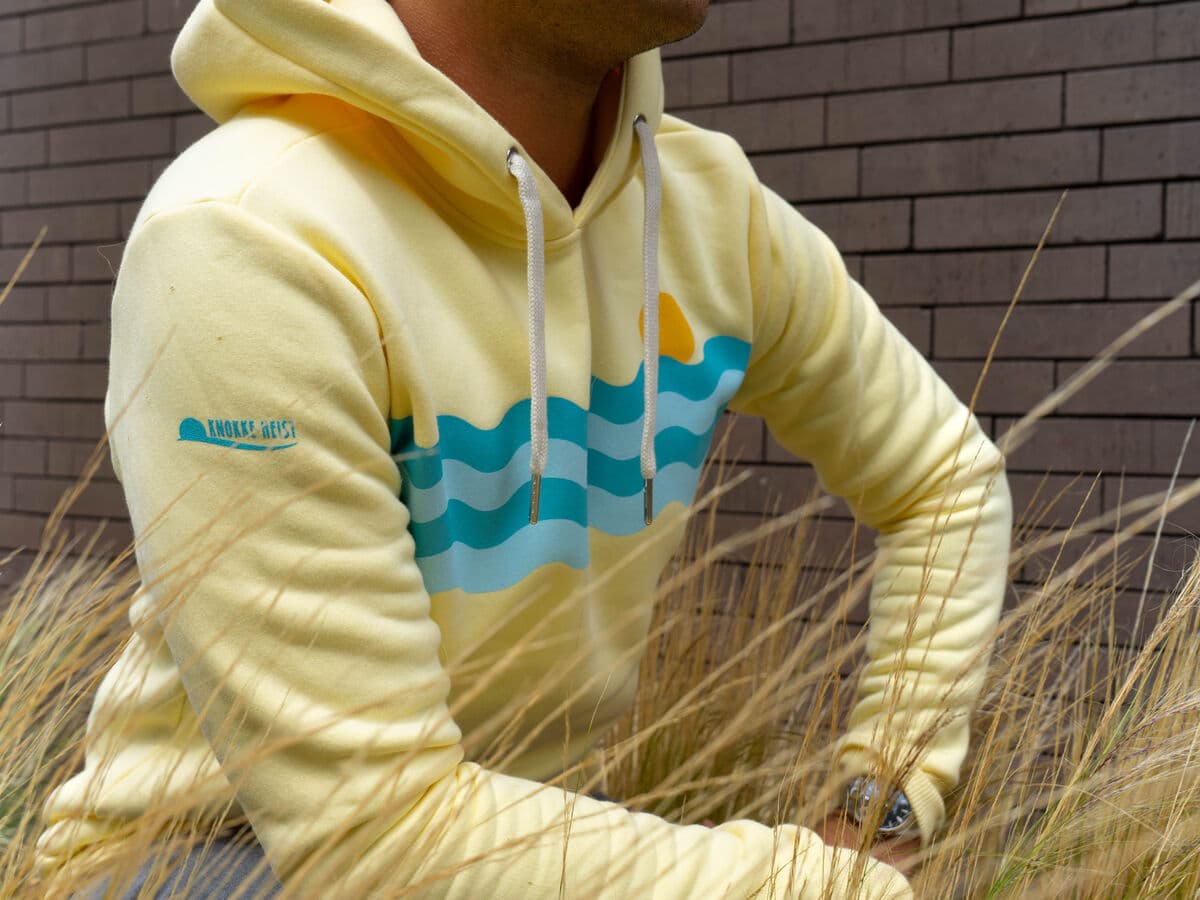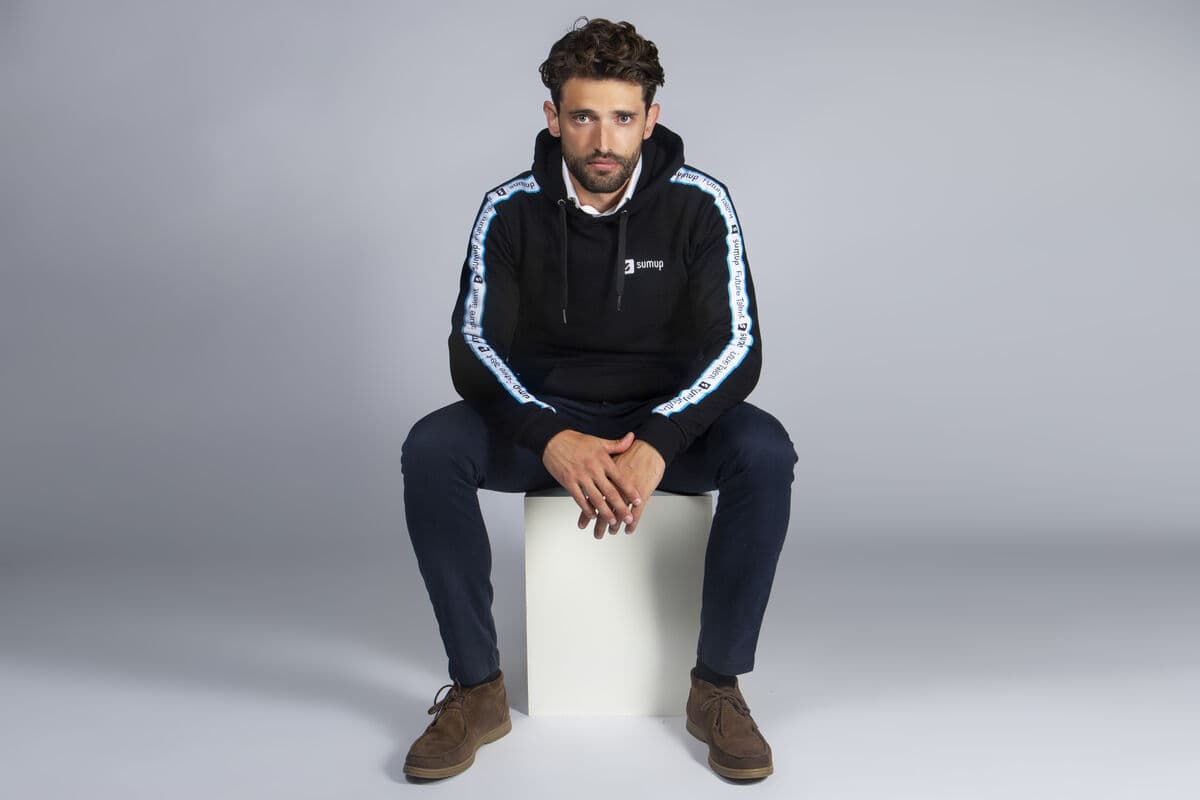
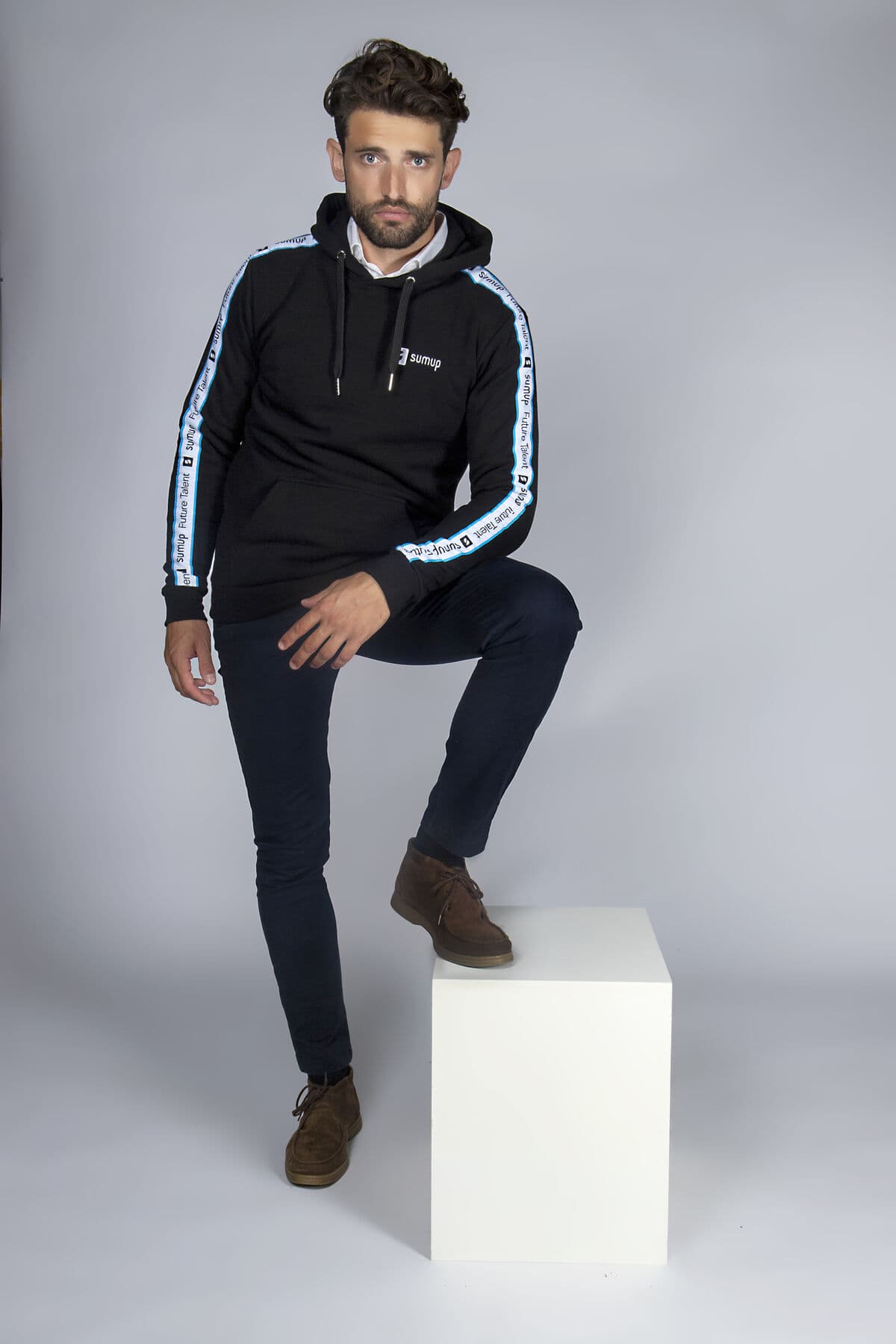
Corporate clothing with your logo is a company's voluntary branded wardrobe. Unlike workwear, it isn't mandatory, so it has to appeal to people. The decoration technique follows brand identity: embroidery for classic brands, print for young brands, patches for retro. Placement can be subtle (chest, sleeve, label) or bold (large front, back).
The difference with workwear comes down to one word: obligation. Workwear has to be worn. Corporate clothing may be worn. That changes everything. If an employee has a choice and doesn't put your hoodie on, you don't have a branded wardrobe. You have a closet full of unworn items.
This article is part of our complete guide to corporate clothing with your logo.
What's in this article
What corporate clothing with a logo is
Corporate clothing is a company's branded wardrobe. Not workwear, and not always a strict uniform. It sits closer to corporate fashion: a curated collection of branded garments employees can wear if they want to.
A strong programme feels like a corporate fashion collection, not a pile of random branded items. That distinction isn't cosmetic. It determines whether people wear your brand with pride or out of obligation.
| Workwear | Uniform | Corporate clothing | |
|---|---|---|---|
| Mandatory? | Usually | Usually | Voluntary |
| Tied to | Role or task | Role, instant recognition | Brand identity |
| Purpose | Function and safety | Recognisability | Brand experience and belonging |
| Succeeds when | It survives the job | Everyone wears it | People want to wear it |
Looking for the functional, often mandatory kind instead, read our guide to workwear. That's a different product with different logic.
Technique follows brand identity
There's no single right decoration method. There is a right method per brand. The choice depends on your product, your style, your audience and your design direction. Choose the technique that fits your identity, not the cheapest one.
Embroidery for classic brands
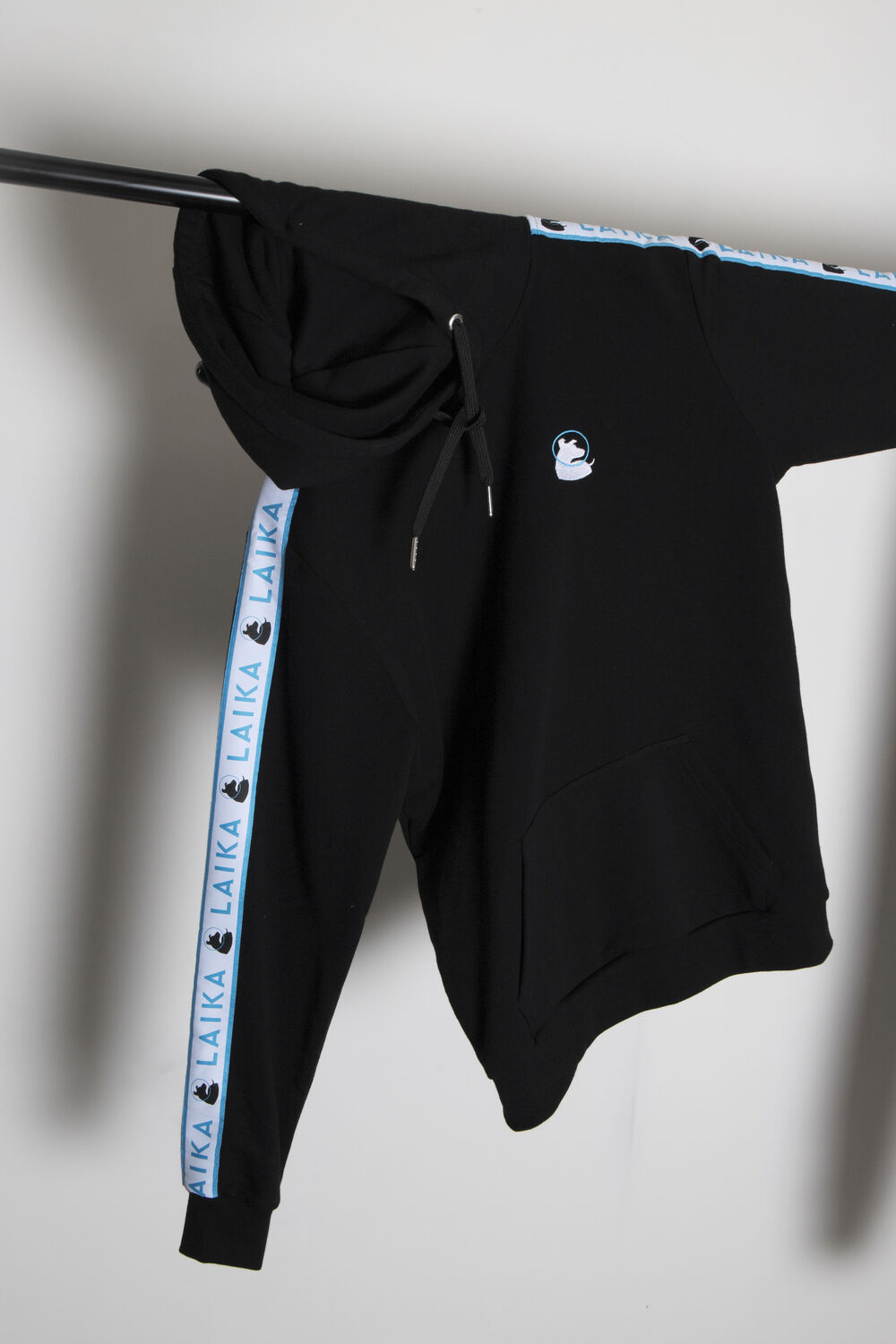
Understated, premium, professional. The logo is stitched into the fabric with thread, so it has texture and it doesn't wash out. This is the standard for traditional brands: business shirts, polos, knitwear, understated jackets. Embroidery says "we've been around".
Embroidery adds texture and doesn't fade away. It's the default choice for brands that want to come across as understated and professional.
Print for young brands
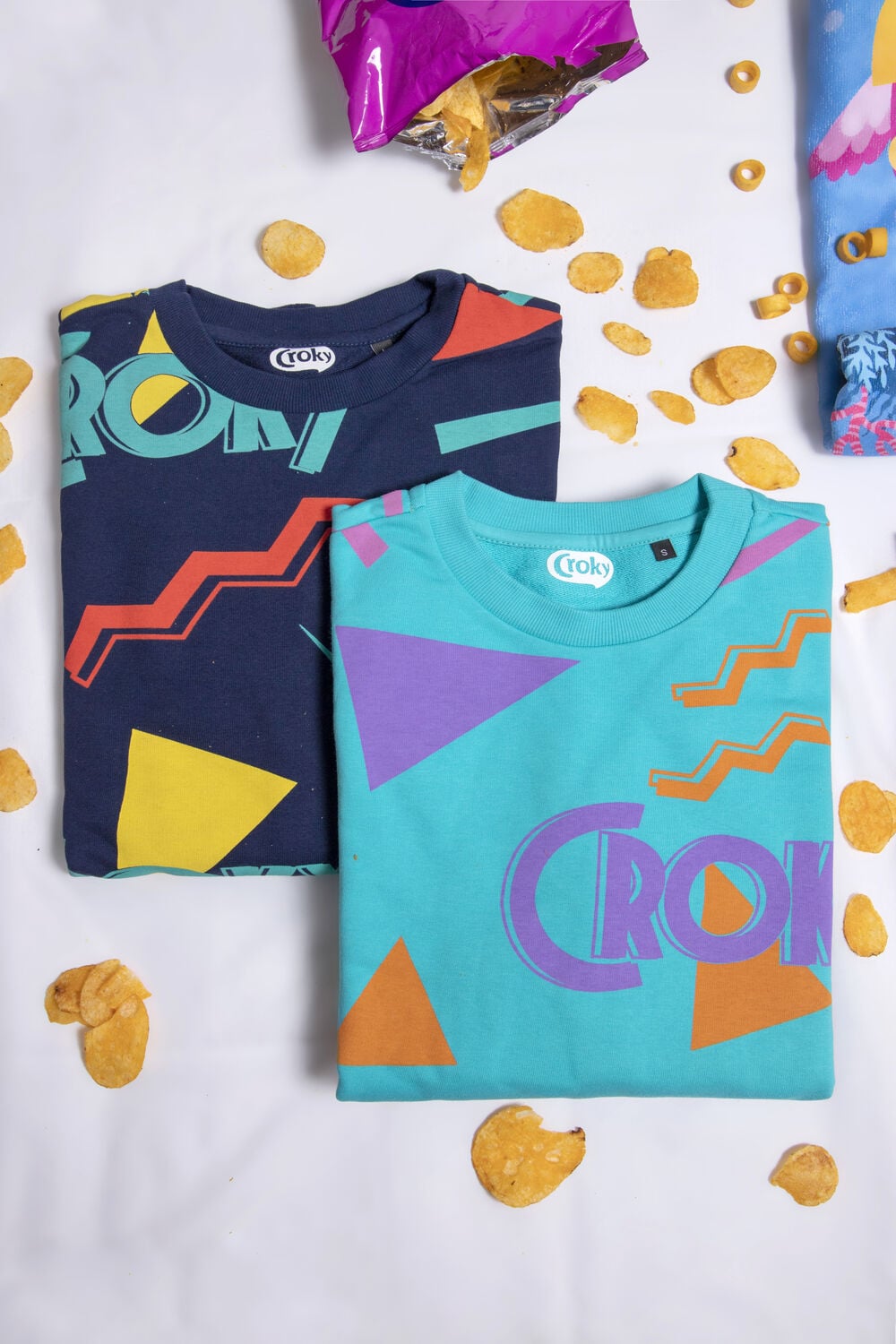
Startups, creative agencies, tech companies. Here an oversized print, a graphic statement, a pattern that takes over the garment works. Think hoodies, oversized tees, special cuts, eye-catching outerwear. Print says "we dare".
Young and expressive brands go beyond a chest logo. An oversized print turns the garment itself into the brand statement.
Patches for retro
Embroidered or woven patches work strongly for brands with a visual heritage or an '80s feel. They add texture, craft and a certain nostalgia. Strong on jackets, overshirts and varsity-style pieces.
The rest of the palette
- Woven labels. Subtle brand details on the sleeve, hem or collar.
- Leather labels. Premium feel, strong on jackets and bags.
- Contrast stitching. Branding without a logo. Your house colour in the stitching.
- Custom trims and neck tape. The detail people only notice once they have the garment on. That's exactly why it works.
- Screen printing. For larger logos and higher quantities.
Want to see the techniques and costs side by side, read our guide to printing corporate clothing.
Where you place the logo
Placement determines how loudly your brand speaks. These are the options, from quiet to loud.
| Placement | Tone | Works well for |
|---|---|---|
| Neck tape or inside label | Whispering | Brands that put quality above visibility |
| Sleeve or hem | Subtle | Knitwear, jackets, premium basics |
| Left chest | Classic | Almost everything. The safe default |
| Centre chest | Present | Hoodies and sweaters from younger brands |
| Large front or back | Loud | Events, launches, team collections with a story |
| Full pattern | Maximum | Brands with a strong visual language |
Subtle or bold
The question every brand manager asks. The answer depends on where the garment gets worn.
Choose subtle if the item needs to be worn outside the office too. This is the core of voluntary corporate clothing: people put it on at weekends, while travelling, around town. A discreet embroidered logo on the chest or a woven label on the sleeve allows that. A huge company logo on the back doesn't.
Choose bold if the garment marks a moment. A product launch, a team event, an anniversary, a conference. Then the branding is the point and it's allowed to be loud.
Brand consistency across the wardrobe
One nice item is easy. A wardrobe that still holds up after two years is hard. The problem is almost never design. It's process.
What happens without structure: every department requests its own design, every garment comes from a different supplier, every request goes through its own approval round, and nobody remembers which shade of your house colour is the correct one. You end up with a hodgepodge instead of a collection.
The solution is a brand store: an internal shop with roughly 15 to 20 pre-approved items that together form the default wardrobe. Teams order from that selection whenever they need clothing or merch. New approved products get added, and the store grows into a complete branded wardrobe.
That puts an end to one-off design requests, inconsistent garments, approval delays, off-brand choices and fragmented ordering. For larger companies, this isn't a luxury but a necessity: departments can move fast and stay on-brand. Read about the brand store to see how you set one up.
And the sizing
Sizing is the biggest operational risk, but it's manageable. Start with clear, accurate size charts. Sunday's clothing sits close to fashion sizing: if you wear a medium in your favourite shirt, you'll likely wear a medium with us too. That avoids the trap of unexpectedly small or large sizes and, in practice, results in very few returns. Predictable sizing makes the whole programme easier.
How brands approach it
Three examples from our own practice, each with a different logic.
- Zalando went for fully custom corporate clothing: its own patterns, heavyweight hoodies, special fits. This isn't a decorated blank garment, but a collection with its own cut and its own identity.
- Bugatti Rimac built a full corporate clothing collection around the launch of a new hypercar model: racing-inspired hoodies, caps and branded pieces tied to the launch. It worked because there was a clear story and a clear product inspiration behind it.
- IJsboerke, the well-known Belgian ice cream brand, chose a branded collection with a retro touch that tied into the brand's visual heritage, instead of generic corporate clothing.
The common thread: none of these collections started with a garment. They started with the brand. More detailed examples are in our corporate clothing design examples.
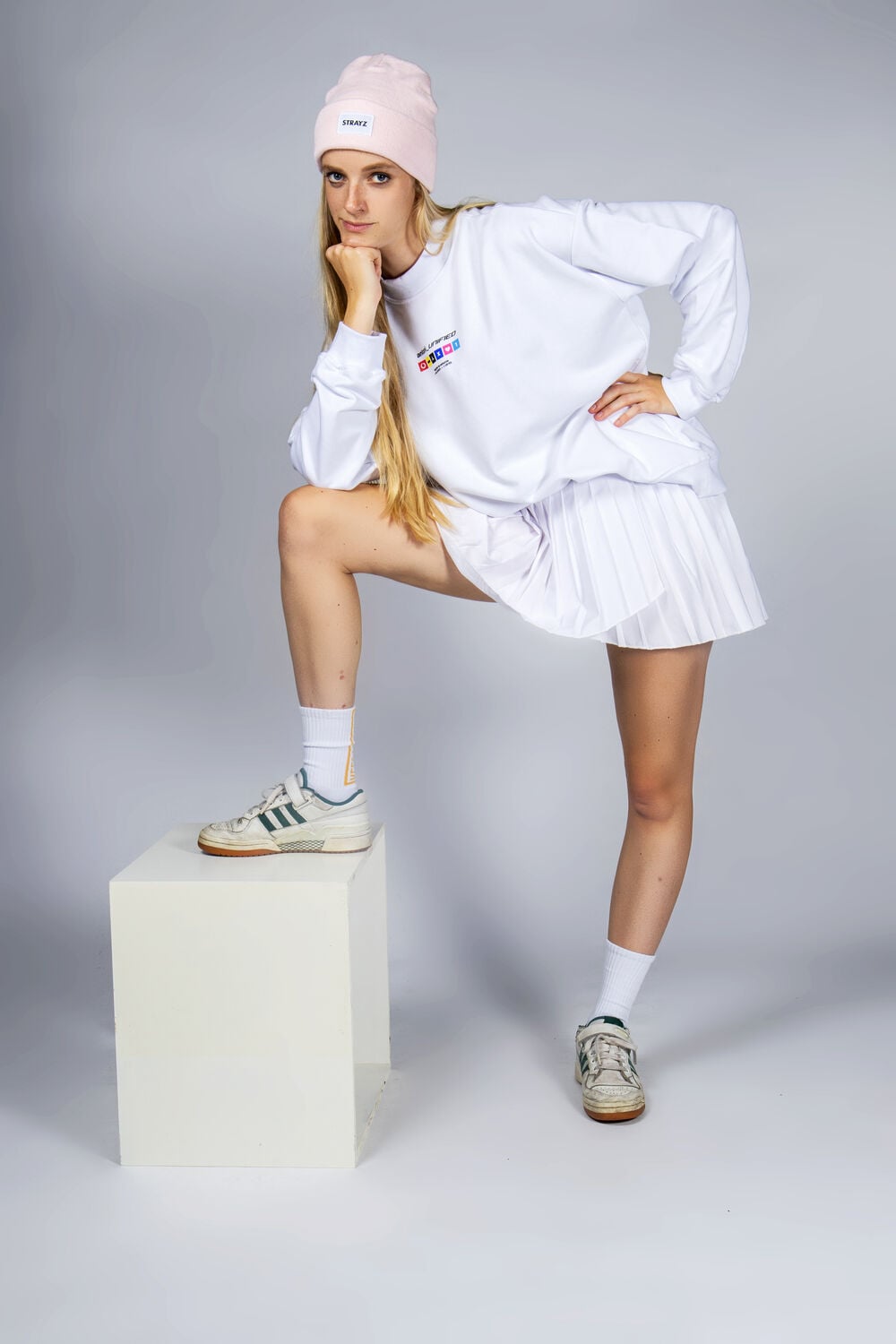
Knitwear and jackets form the foundation of almost every corporate wardrobe. They're practical, visible and work in many situations.
Corporate clothing with your logo via Sunday
Sunday is merch infrastructure, not a classic supplier. You open a product page and the platform uses your brand data to instantly show design directions with live pricing. You see straight away how an embroidered chest logo, an oversized print or a woven label looks in your house style, and what each choice does to the price.
The full corporate clothing range is on the product page, from hoodies and knitwear to jackets and accessories. Want to see your logo in your own brand colours before you commit? Use the free hoodie mockup generator.
Sunday manages it end to end: setting up the store, product selection, branding, stock, points or coin logic, fulfilment and reporting. The store becomes the central home of your corporate wardrobe.
One more tip from practice: don't make employees pay for corporate clothing themselves. That rarely works. A points or coin system works. People earn points through onboarding, anniversaries, achievements or campaigns and spend them in the employee store. They feel rewarded instead of sold to.
About this article
See your logo on your corporate clothing
Hoodies, knitwear and jackets in your house style. Made in the EU, with live pricing in 30 seconds.
Get free designs