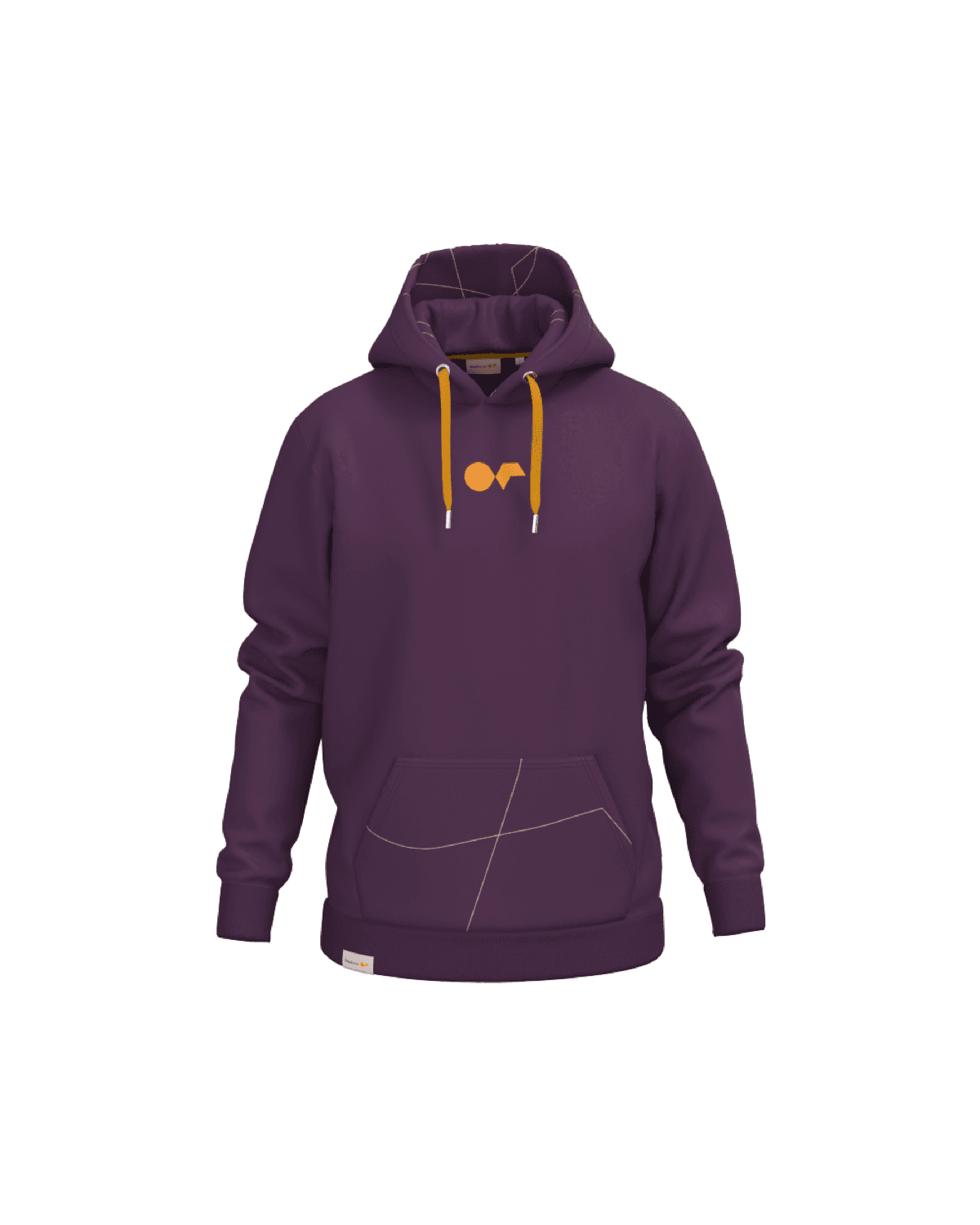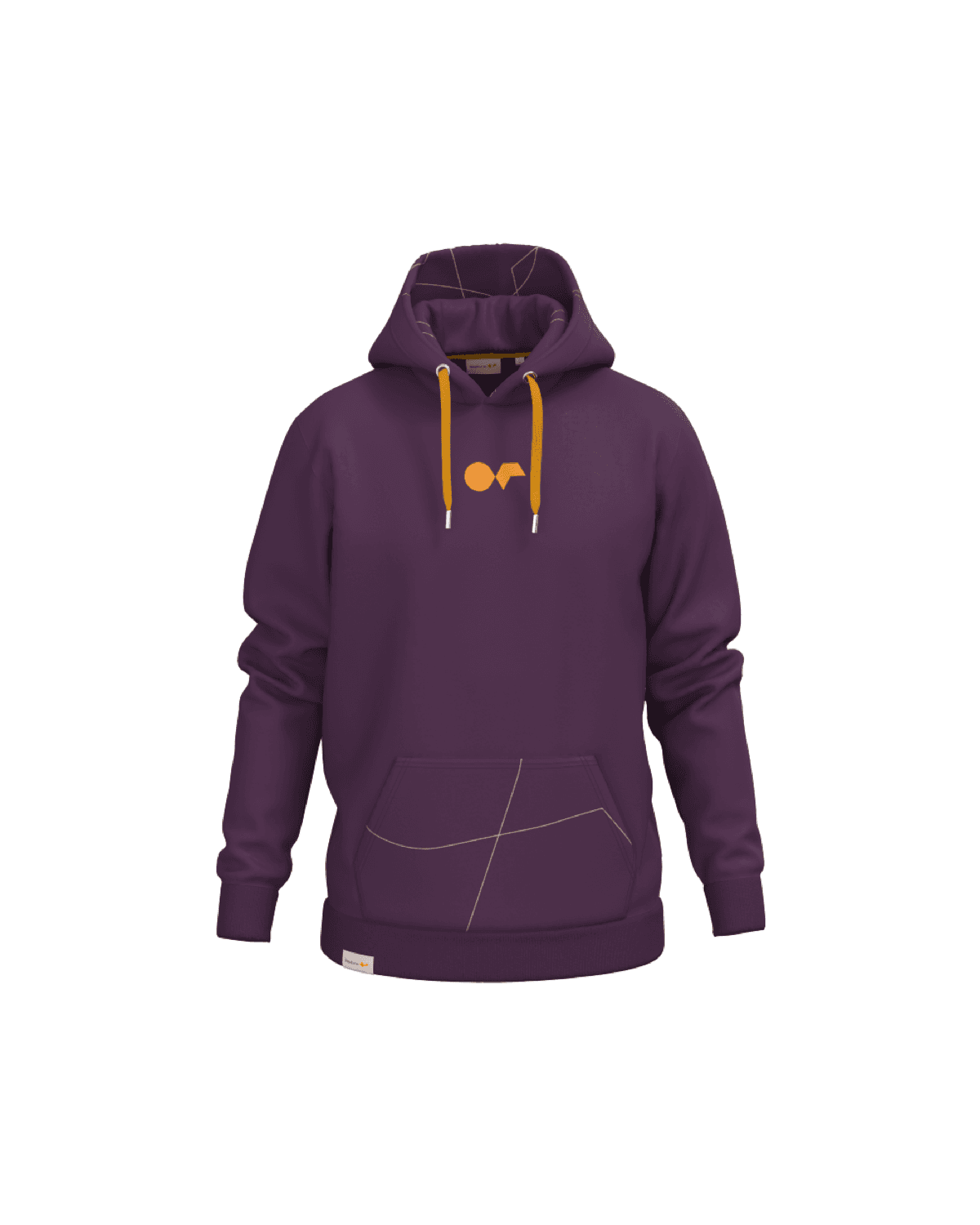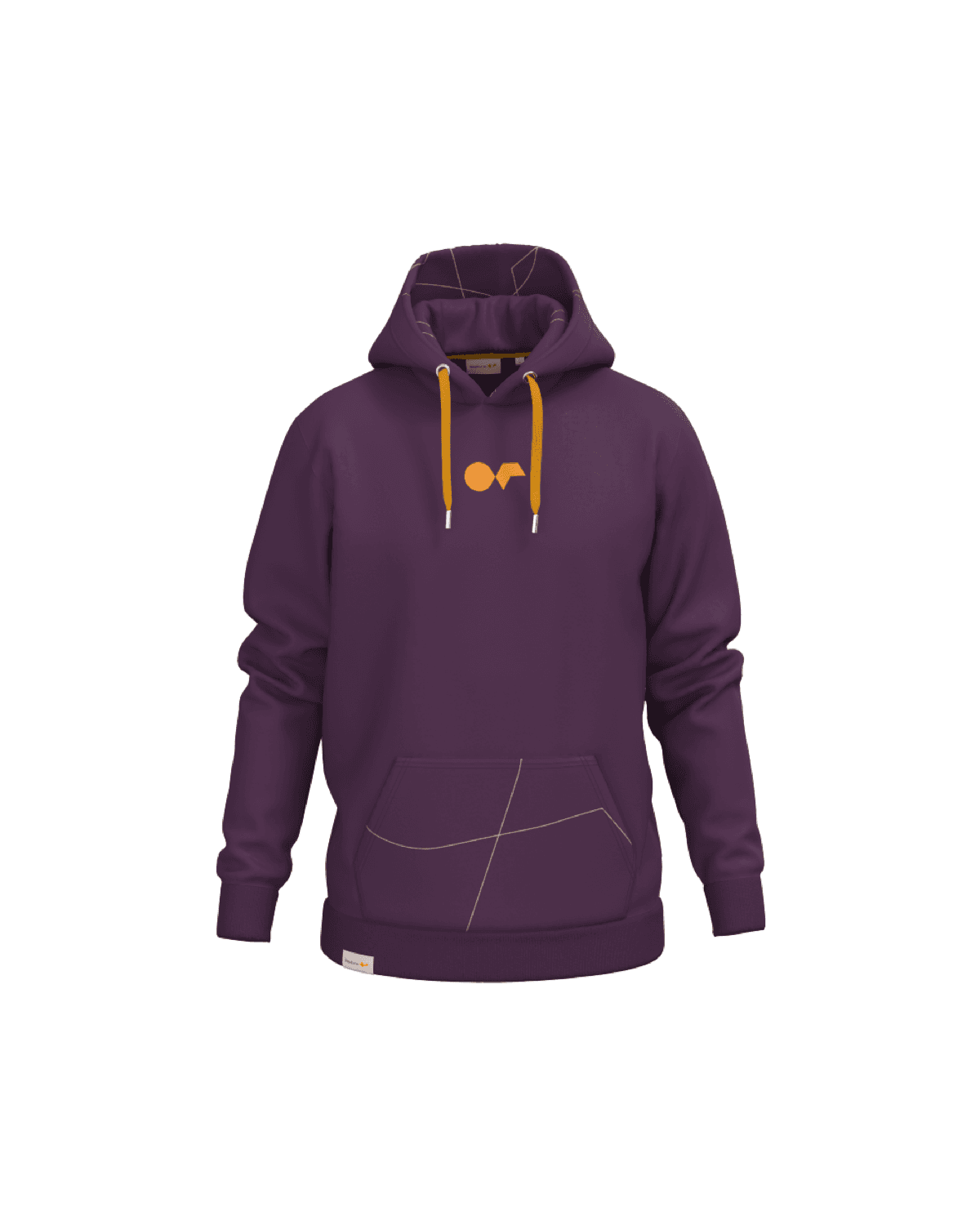
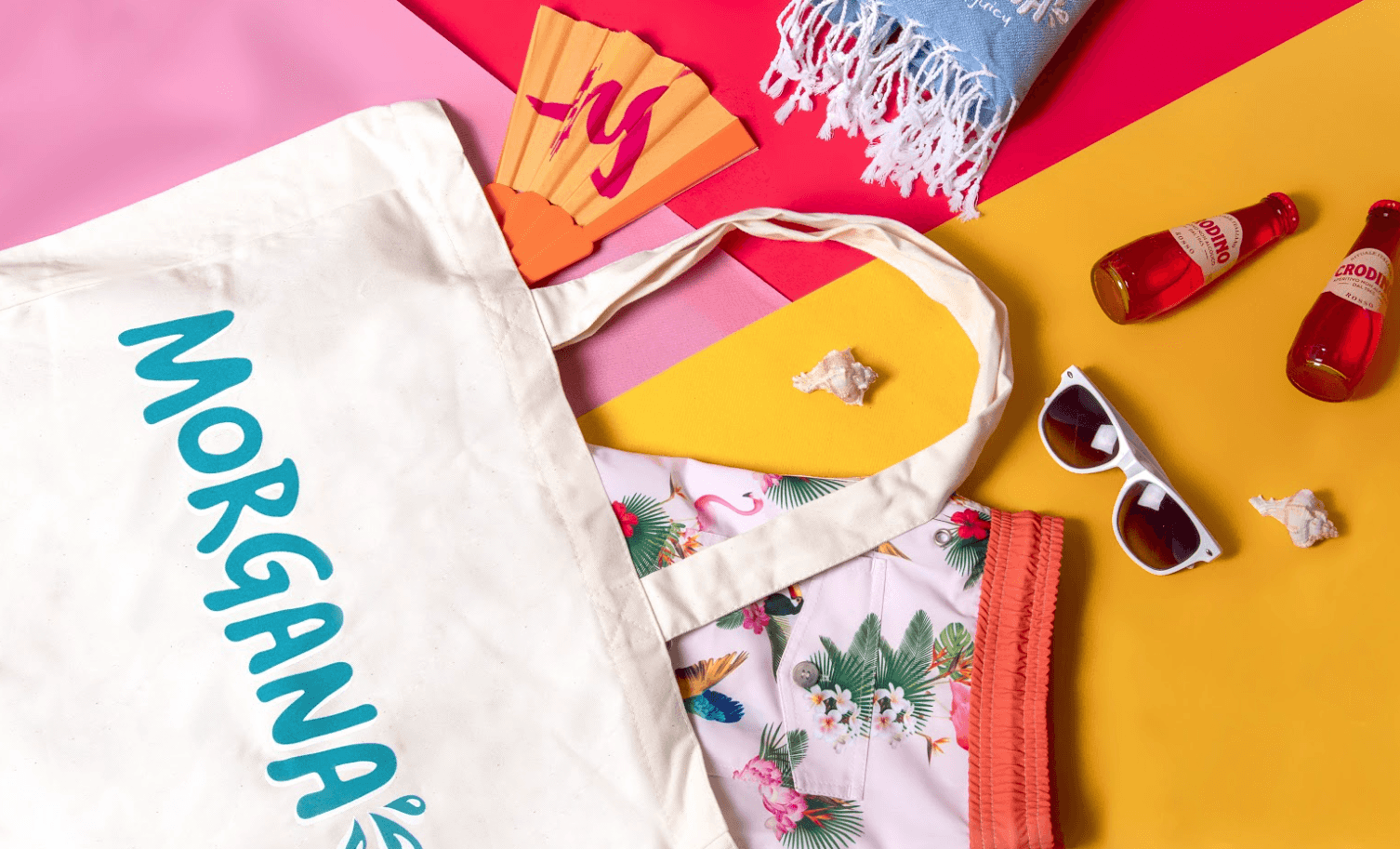



This is Sunday's complete, country-by-country breakdown of tax-free employee and client gift rules across 43 countries, the most comprehensive corporate gift tax guide by country we've put together. If you run a distributed team, ship holiday gifts to clients in a dozen markets, or just want to know whether a branded hoodie or a gift card counts as a taxable benefit where your people are based, this is the page to bookmark.
Every rule below was independently researched and verified against primary tax-authority sources, official guidance, tax codes, and administrative circulars, not guessed, scraped from a forum, or extrapolated from a neighboring country's rules. Where a country publishes a specific figure (a euro amount, a percentage of payroll, a local-currency threshold) we cite it. Where a country instead relies on a vague "customary" or "modest value" standard with no fixed number, we say so plainly rather than inventing one.
One thing becomes obvious fast once you look at all 43 countries side by side: there is no such thing as a "typical" employee gift tax rule. Some countries stack multiple generous allowances (Germany layers a monthly Sachbezug on top of an occasion-based Aufmerksamkeiten allowance; Austria stacks three separate figures). Others tie everything to a single narrow, occasion-specific carve-out. And a genuinely surprising number have no exemption at all: Portugal, North Macedonia, Andorra, and Albania all tax employee gifts from the first euro, denar, or lek, with no de minimis employee gifts concept whatsoever. If you assumed every European country had at least some tax-free gifting allowance, this guide will correct that assumption quickly.
A quick note before we get into it: this guide is a general explainer, not tax advice, and thresholds change often (many are indexed annually to inflation or average wages). Always confirm the current-year figure and how it applies to your business with a qualified local tax advisor before relying on it. Full disclaimer at the bottom of the page too.
Quick reference: employee gift tax rules by country
Every country below links through to its own dedicated legal guide, researched and cited against primary tax-authority sources. Sorted alphabetically so you can jump straight to the market you need.
| Country | Headline rule | Read the full guide |
|---|---|---|
| Albania | Since a 2024 tax reform, Albania has no employee-gift exemption at all — in-kind benefits are now fully taxable. | Read the full guide → |
| Andorra | Andorra has no employee-gift exemption at all — every euro is taxable from the first one. | Read the full guide → |
| Austria | Austria stacks three separate allowances (not one single figure) covering staff events, anniversary gifts, and general benefits in kind. | Read the full guide → |
| Belgium | A flat €40/employee/year "eindejaarsgeschenk" (year-end gift) allowance. | Read the full guide → |
| Bosnia and Herzegovina | Bosnia's rules split by jurisdiction: the Federation and Brčko District allow roughly 30% of average salary, while Republika Srpska has no general employee exemption at all. | Read the full guide → |
| Bulgaria | Bulgaria uses a distinctive mechanic: the employer pays a flat 10% tax on equally-distributed in-kind benefits, rather than the employee being taxed directly. | Read the full guide → |
| Croatia | A €700/year "prigodna nagrada" allowance (unusually, cash is allowed) stacks with separate child-gift and general in-kind allowances for up to €1,900/year combined. | Read the full guide → |
| Cyprus | A €300/gift allowance applies to exactly one gift per employee per year (two if they marry that year), all-or-nothing. | Read the full guide → |
| Czech Republic | A combined non-monetary benefit pool of up to 73,450 CZK/year (split between a leisure allowance and a health allowance) covers employee benefits. | Read the full guide → |
| Denmark | A combined "bagatelgrænse" (minor-benefits threshold) of DKK 1,300/year covers small workplace gifts. | Read the full guide → |
| Estonia | Estonia has no general small-gift carve-out — almost any non-cash employee benefit triggers "erisoodustus" fringe benefit tax, paid by the employer. | Read the full guide → |
| Finland | Finland has no codified cap — only a "customary and reasonable" guideline (commonly applied around €100), which is a guideline, not a hard legal limit. | Read the full guide → |
| France | A €200 voucher threshold (5% of the monthly URSSAF social security ceiling) applies per qualifying event. | Read the full guide → |
| Germany | A flat €50/month "Sachbezug" allowance covers small in-kind gifts, plus a separate €60 occasion-based "Aufmerksamkeiten" allowance for birthdays and similar events; client gifts are deductible up to €50/recipient/year. | Read the full guide → |
| Greece | A €300/year pooled benefits-in-kind allowance covers employee gifts (separate from the statutory cash Christmas/Easter bonus, which is always taxable). | Read the full guide → |
| Hungary | Hungary has no genuinely tax-free gift concept — everything is taxed, at either 28% (SZÉP Card) or 33.04% (the general EMJ rate). | Read the full guide → |
| Iceland | A 192,000 ISK/year combined threshold covers staff events; milestone gifts (service anniversaries) instead use an undefined "customary" standard with no fixed figure. | Read the full guide → |
| Ireland | The Small Benefit Exemption allows up to €1,000/year in vouchers (not cash) across a maximum of two gifts. | Read the full guide → |
| Italy | A €1,000/year fringe-benefit threshold covers employee gifts and benefits combined. | Read the full guide → |
| Kosovo | A €65/month in-kind benefit allowance applies, with only the amount above it taxed. | Read the full guide → |
| Latvia | A flat €100/employee/year annual allowance covers both cash and in-kind gifts. | Read the full guide → |
| Liechtenstein | A CHF 1,000/year administrative allowance applies — notably higher than neighboring Switzerland's CHF 600. | Read the full guide → |
| Lithuania | A €200/employee/year combined cash-and-in-kind allowance applies. | Read the full guide → |
| Luxembourg | Small-gift treatment runs on ACD administrative tolerances rather than codified statutory thresholds. | Read the full guide → |
| Malta | There's no fixed euro figure — only a vague "modest value" qualitative test, plus a separate ~€120/year-of-service long-service award. | Read the full guide → |
| Moldova | An allowance of roughly 10% of the average monthly salary (about 1,740 MDL for 2026) applies annually. | Read the full guide → |
| Monaco | Monaco has no personal income tax, so the real compliance question is social security (CCSS) contributions, not income tax. | Read the full guide → |
| Montenegro | Montenegro has no general employee-gift exemption — only narrow carve-outs for children's gifts, service jubilees, and Women's Day gifts to female employees. | Read the full guide → |
| Netherlands | The Werkkostenregeling (WKR) gives employers a shared tax-free budget — 2% of the first €400k of total payroll, 1.18% above that — rather than a per-gift threshold. | Read the full guide → |
| North Macedonia | North Macedonia has no employee-gift exemption at all — gifts are fully taxable from the first denar. | Read the full guide → |
| Norway | Norway sets specific annual gift-occasion allowances rather than one flat figure — see the full guide for the current thresholds. | Read the full guide → |
| Poland | A 1,000 PLN/year exemption applies only to gifts funded through the ZFŚS company social fund — gifts from a normal operating budget get no exemption at all. | Read the full guide → |
| Portugal | Portugal has no employee-gift tax exemption at all — the most restrictive rule in Western Europe. | Read the full guide → |
| Romania | A 300 RON/person/occasion allowance applies across four specific recognized occasions (Easter, Christmas, and two others tied to specific recipients). | Read the full guide → |
| San Marino | A €2,000/year fringe-benefit allowance delivered via the state SMaC payment card, cliff-edge if exceeded. | Read the full guide → |
| Serbia | Serbia has no general employee-gift exemption — only narrow, occasion-specific carve-outs exist (a children's holiday gift and a service-jubilee award). | Read the full guide → |
| Slovakia | A €500/year non-monetary benefit exemption applies regardless of funding source, but cash never qualifies. | Read the full guide → |
| Slovenia | A €42 gift to an employee's child under 15 (given in December) sits alongside a separate €15/month general de minimis allowance for employees themselves. | Read the full guide → |
| Spain | Spain has no flat employee-gift exemption at all — only specific benefit categories qualify, plus a 1% of net turnover deduction for client gifts. | Read the full guide → |
| Sweden | Separate named allowances cover Christmas gifts (julgåva), anniversary gifts (jubileumsgåva), and small mementos (minnesgåva), each with its own small cap. | Read the full guide → |
| Switzerland | A CHF 600/year administrative allowance (per the federal Wegleitung guidance) covers customary gifts to employees. | Read the full guide → |
| United Kingdom | The "trivial benefits" exemption covers unlimited gifts as long as each one is £50 or under (directors face an annual £300 cap). | Read the full guide → |
| United States | The US has no codified employee-gift exemption — only a $25 IRC §274(b) cap on deductible client gifts and a loosely-defined "de minimis" concept for genuinely trivial employee items. | Read the full guide → |
Western Europe
Germany
A flat €50/month "Sachbezug" allowance covers small in-kind gifts, plus a separate €60 occasion-based "Aufmerksamkeiten" allowance for birthdays and similar events; client gifts are deductible up to €50/recipient/year.
Read the full legal guide → · Browse gift ideas →
(Also available in German: the €50 Sachbezug rule, the €60 Aufmerksamkeiten allowance, and deducting client gifts.)
Austria
Austria stacks three separate allowances (not one single figure) covering staff events, anniversary gifts, and general benefits in kind.
Read the full legal guide → · Browse gift ideas →
(Also available in German: the full Austrian rules.)
Switzerland
A CHF 600/year administrative allowance (per the federal Wegleitung guidance) covers customary gifts to employees.
Read the full legal guide → · Browse gift ideas →
(Also available in German and French: the CHF 600 rule (German), the CHF 600 rule (French).)
Netherlands
The Werkkostenregeling (WKR) gives employers a shared tax-free budget — 2% of the first €400k of total payroll, 1.18% above that — rather than a per-gift threshold.
Read the full legal guide → · Browse gift ideas →
(Also available in Dutch: the Werkkostenregeling explained.)
Belgium
A flat €40/employee/year "eindejaarsgeschenk" (year-end gift) allowance.
Read the full legal guide → · Browse gift ideas →
(Also available in Dutch and French: the €40 rule (Dutch), the €40 rule (French).)
Luxembourg
Small-gift treatment runs on ACD administrative tolerances rather than codified statutory thresholds.
Read the full legal guide → · Browse gift ideas →
(Also available in French: the ACD tolerances explained.)
France
A €200 voucher threshold (5% of the monthly URSSAF social security ceiling) applies per qualifying event.
Read the full legal guide → · Browse gift ideas →
(Also available in French: the €200 URSSAF threshold.)
Ireland
The Small Benefit Exemption allows up to €1,000/year in vouchers (not cash) across a maximum of two gifts.
Read the full legal guide → · Browse gift ideas →
United Kingdom
The "trivial benefits" exemption covers unlimited gifts as long as each one is £50 or under (directors face an annual £300 cap).
Read the full legal guide → · Browse gift ideas →
Southern Europe & Microstates
Spain
Spain has no flat employee-gift exemption at all — only specific benefit categories qualify, plus a 1% of net turnover deduction for client gifts.
Read the full legal guide → · Browse gift ideas →
(Also available in Spanish: what's actually exempt in Spain.)
Italy
A €1,000/year fringe-benefit threshold covers employee gifts and benefits combined.
Read the full legal guide → · Browse gift ideas →
Portugal
Portugal has no employee-gift tax exemption at all — the most restrictive rule in Western Europe.
Read the full legal guide → · Browse gift ideas →
Malta
There's no fixed euro figure — only a vague "modest value" qualitative test, plus a separate ~€120/year-of-service long-service award.
Read the full legal guide → · Browse gift ideas →
Cyprus
A €300/gift allowance applies to exactly one gift per employee per year (two if they marry that year), all-or-nothing.
Read the full legal guide → · Browse gift ideas →
San Marino
A €2,000/year fringe-benefit allowance delivered via the state SMaC payment card, cliff-edge if exceeded.
Read the full legal guide → · Browse gift ideas →
Andorra
Andorra has no employee-gift exemption at all — every euro is taxable from the first one.
Read the full legal guide → · Browse gift ideas →
Monaco
Monaco has no personal income tax, so the real compliance question is social security (CCSS) contributions, not income tax.
Read the full legal guide → · Browse gift ideas →
Nordics
Sweden
Separate named allowances cover Christmas gifts (julgåva), anniversary gifts (jubileumsgåva), and small mementos (minnesgåva), each with its own small cap.
Read the full legal guide → · Browse gift ideas →
Denmark
A combined "bagatelgrænse" (minor-benefits threshold) of DKK 1,300/year covers small workplace gifts.
Read the full legal guide → · Browse gift ideas →
Norway
Norway sets specific annual gift-occasion allowances rather than one flat figure — see the full guide for the current thresholds.
Read the full legal guide → · Browse gift ideas →
Finland
Finland has no codified cap — only a "customary and reasonable" guideline (commonly applied around €100), which is a guideline, not a hard legal limit.
Read the full legal guide → · Browse gift ideas →
Iceland
A 192,000 ISK/year combined threshold covers staff events; milestone gifts (service anniversaries) instead use an undefined "customary" standard with no fixed figure.
Read the full legal guide → · Browse gift ideas →
Central Europe
Poland
A 1,000 PLN/year exemption applies only to gifts funded through the ZFŚS company social fund — gifts from a normal operating budget get no exemption at all.
Read the full legal guide → · Browse gift ideas →
Czech Republic
A combined non-monetary benefit pool of up to 73,450 CZK/year (split between a leisure allowance and a health allowance) covers employee benefits.
Read the full legal guide → · Browse gift ideas →
Hungary
Hungary has no genuinely tax-free gift concept — everything is taxed, at either 28% (SZÉP Card) or 33.04% (the general EMJ rate).
Read the full legal guide → · Browse gift ideas →
Slovakia
A €500/year non-monetary benefit exemption applies regardless of funding source, but cash never qualifies.
Read the full legal guide → · Browse gift ideas →
Slovenia
A €42 gift to an employee's child under 15 (given in December) sits alongside a separate €15/month general de minimis allowance for employees themselves.
Read the full legal guide → · Browse gift ideas →
Croatia
A €700/year "prigodna nagrada" allowance (unusually, cash is allowed) stacks with separate child-gift and general in-kind allowances for up to €1,900/year combined.
Read the full legal guide → · Browse gift ideas →
Liechtenstein
A CHF 1,000/year administrative allowance applies — notably higher than neighboring Switzerland's CHF 600.
Read the full legal guide → · Browse gift ideas →
Baltics
Estonia
Estonia has no general small-gift carve-out — almost any non-cash employee benefit triggers "erisoodustus" fringe benefit tax, paid by the employer.
Read the full legal guide → · Browse gift ideas →
Latvia
A flat €100/employee/year annual allowance covers both cash and in-kind gifts.
Read the full legal guide → · Browse gift ideas →
Lithuania
A €200/employee/year combined cash-and-in-kind allowance applies.
Read the full legal guide → · Browse gift ideas →
Southeast Europe & the Balkans
Greece
A €300/year pooled benefits-in-kind allowance covers employee gifts (separate from the statutory cash Christmas/Easter bonus, which is always taxable).
Read the full legal guide → · Browse gift ideas →
Romania
A 300 RON/person/occasion allowance applies across four specific recognized occasions (Easter, Christmas, and two others tied to specific recipients).
Read the full legal guide → · Browse gift ideas →
Bulgaria
Bulgaria uses a distinctive mechanic: the employer pays a flat 10% tax on equally-distributed in-kind benefits, rather than the employee being taxed directly.
Read the full legal guide → · Browse gift ideas →
Serbia
Serbia has no general employee-gift exemption — only narrow, occasion-specific carve-outs exist (a children's holiday gift and a service-jubilee award).
Read the full legal guide → · Browse gift ideas →
Bosnia and Herzegovina
Bosnia's rules split by jurisdiction: the Federation and Brčko District allow roughly 30% of average salary, while Republika Srpska has no general employee exemption at all.
Read the full legal guide → · Browse gift ideas →
Montenegro
Montenegro has no general employee-gift exemption — only narrow carve-outs for children's gifts, service jubilees, and Women's Day gifts to female employees.
Read the full legal guide → · Browse gift ideas →
North Macedonia
North Macedonia has no employee-gift exemption at all — gifts are fully taxable from the first denar.
Read the full legal guide → · Browse gift ideas →
Albania
Since a 2024 tax reform, Albania has no employee-gift exemption at all — in-kind benefits are now fully taxable.
Read the full legal guide → · Browse gift ideas →
Kosovo
A €65/month in-kind benefit allowance applies, with only the amount above it taxed.
Read the full legal guide → · Browse gift ideas →
Moldova
An allowance of roughly 10% of the average monthly salary (about 1,740 MDL for 2026) applies annually.
Read the full legal guide → · Browse gift ideas →
North America
United States
The US has no codified employee-gift exemption — only a $25 IRC §274(b) cap on deductible client gifts and a loosely-defined "de minimis" concept for genuinely trivial employee items.
Read the full legal guide → · Browse gift ideas →
Frequently asked questions
Which European countries have the highest tax-free employee gift allowance?
San Marino's €2,000/year fringe-benefit allowance and Ireland's €1,000/year Small Benefit Exemption are among the most generous flat figures in this guide, alongside Italy's €1,000/year fringe-benefit threshold. Liechtenstein's CHF 1,000/year and Switzerland's CHF 600/year also rank well above the European median. Several countries with no single flat figure, like the Netherlands' payroll-linked Werkkostenregeling, can in practice allow considerably more depending on company size, so "highest allowance" depends partly on how a country structures its rule, not just the headline number.
Do all European countries allow tax-free employee gifts?
No. Portugal, Andorra, North Macedonia, and Albania have no employee-gift tax exemption at all, every gift is taxable from the first unit of currency. Hungary technically taxes all gifts too, just at a reduced rate rather than a full exemption. Estonia has no general small-gift carve-out either; nearly any non-cash benefit triggers fringe benefit tax there. This is one of the more surprising findings across the series: a generous tax-free allowance is common in Europe, but it is far from universal.
Is a cash gift to an employee ever tax-free?
Rarely. Most countries in this guide only exempt in-kind gifts, restricted-use vouchers, or non-monetary benefits, not cash or general-purpose gift cards that function like cash. Latvia and Lithuania are notable exceptions, both allow cash within their flat annual allowances, and Croatia's prigodna nagrada allowance unusually permits cash too. Everywhere else, converting a gift budget to cash is the fastest way to lose the exemption entirely.
How often do these thresholds change?
Many are indexed annually, tied to inflation, average national wages, or a periodically updated administrative circular (Moldova's allowance and Iceland's ISK threshold both move with average salary figures, for example). Others are fixed in statute and only change when the legislature acts, which can happen with little notice, as Albania's 2024 reform to abolish its exemption entirely shows. Always confirm the current-year figure before budgeting a gifting program around it.
What's the difference between an employee gift exemption and a client gift deduction?
They're governed by completely different rules in most countries, and conflating them is one of the most common mistakes we see. An employee gift exemption determines whether the *employee* owes tax on a benefit they receive. A client gift deduction determines whether the *employer* can deduct the cost of a gift to a customer or business contact as a business expense, a question about the company's own tax return, not the recipient's. Germany, Spain, and the US all illustrate this split clearly: each has one rule for employee gifts and an entirely separate figure (and set of conditions) for deductible client gifts.
Are employee gifts tax deductible for the business, even if they're taxable to the employee?
Usually yes, these are two separate questions. Whether a gift is deductible as a business expense for the employer, and whether it's taxable income to the employee, are decided independently in most tax systems. A gift can be fully deductible for the company and still generate a tax bill for the employee if it exceeds the local exemption threshold, and vice versa in some structures. This is exactly why treating "tax-free" and "tax-deductible" as interchangeable terms causes confusion, they answer different questions for different parties.
Disclaimer: this guide is provided for general informational purposes only and does not constitute tax, legal, or financial advice. Tax rules, thresholds, and exemptions summarized here are subject to change, may be indexed or revised annually, and can vary based on your company's specific structure and circumstances. Before implementing any employee or client gifting program, confirm the current-year rules with a qualified tax advisor licensed in the relevant jurisdiction.
Build a compliant gifting program
Whichever country's rules apply to your team, Sunday's catalogue makes it easy to keep gifts on-brand and within budget. Browse the full range in the Sunday catalogue and put together a gifting program that works across every market you operate in.