Definition
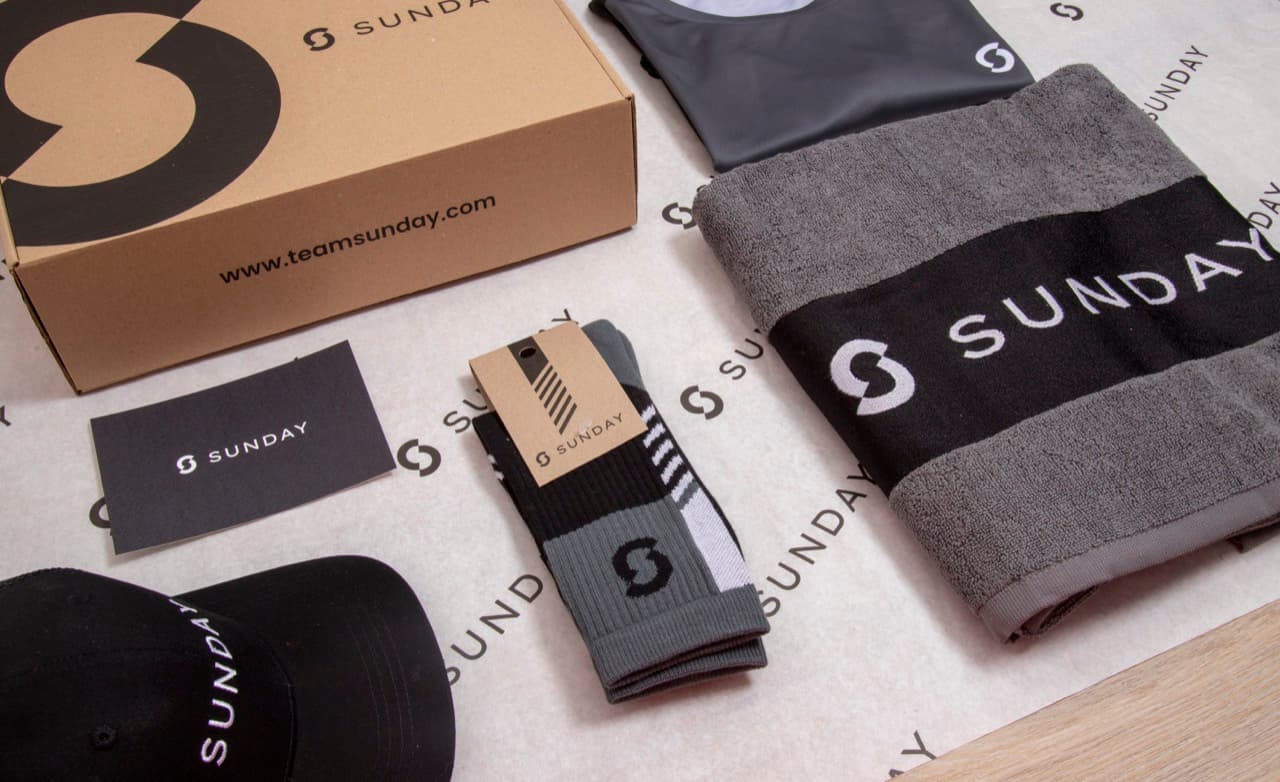
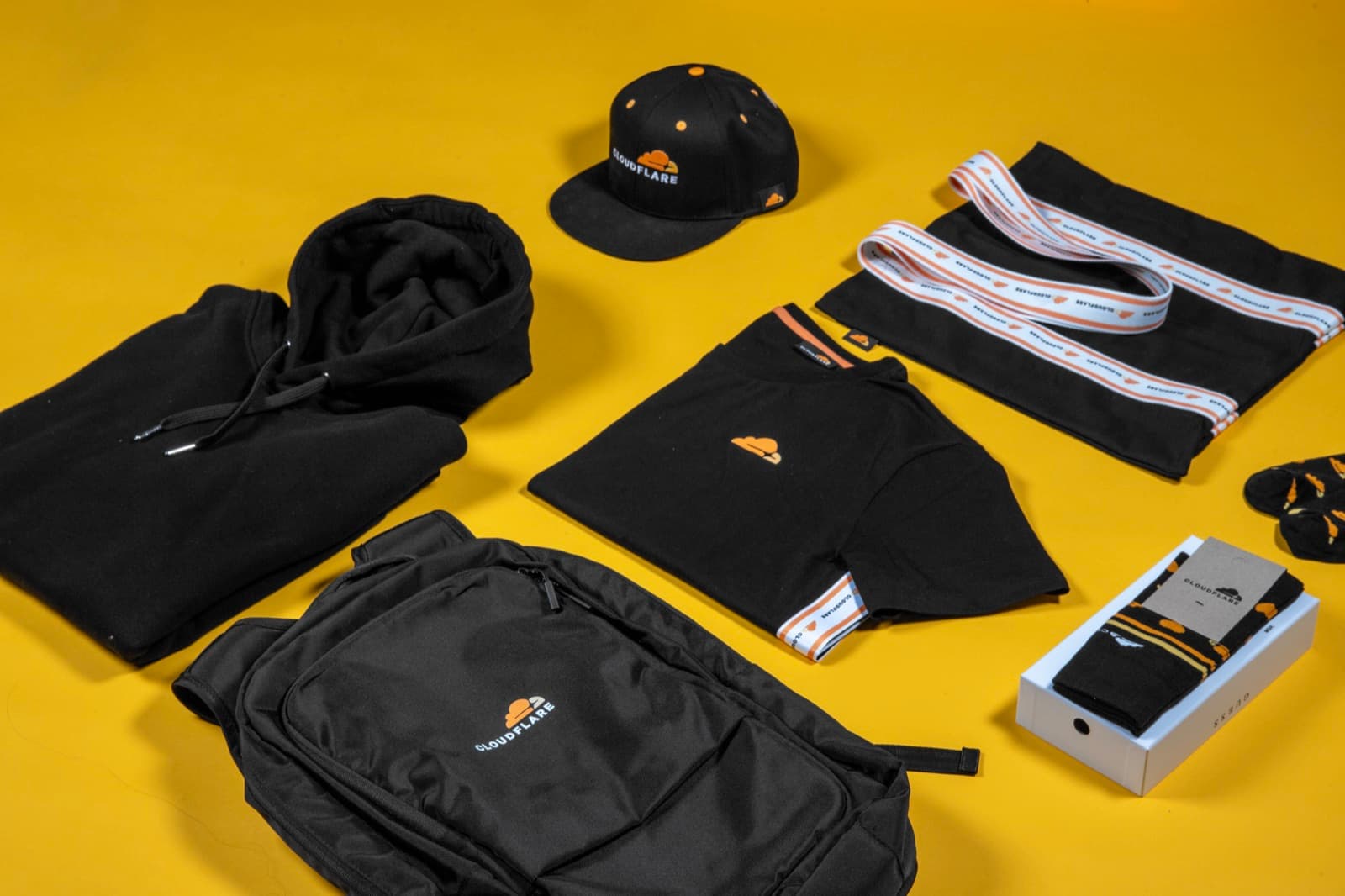
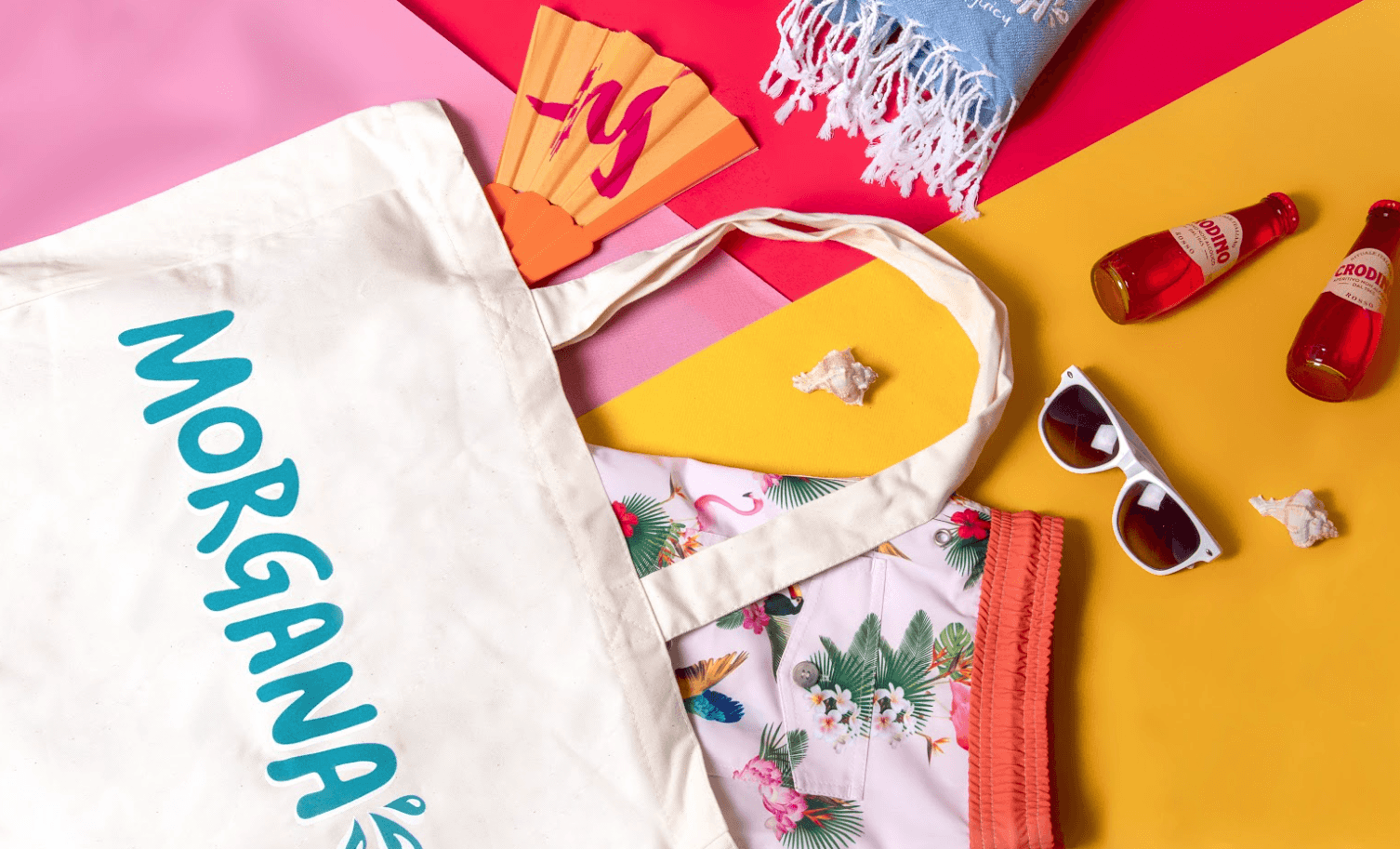
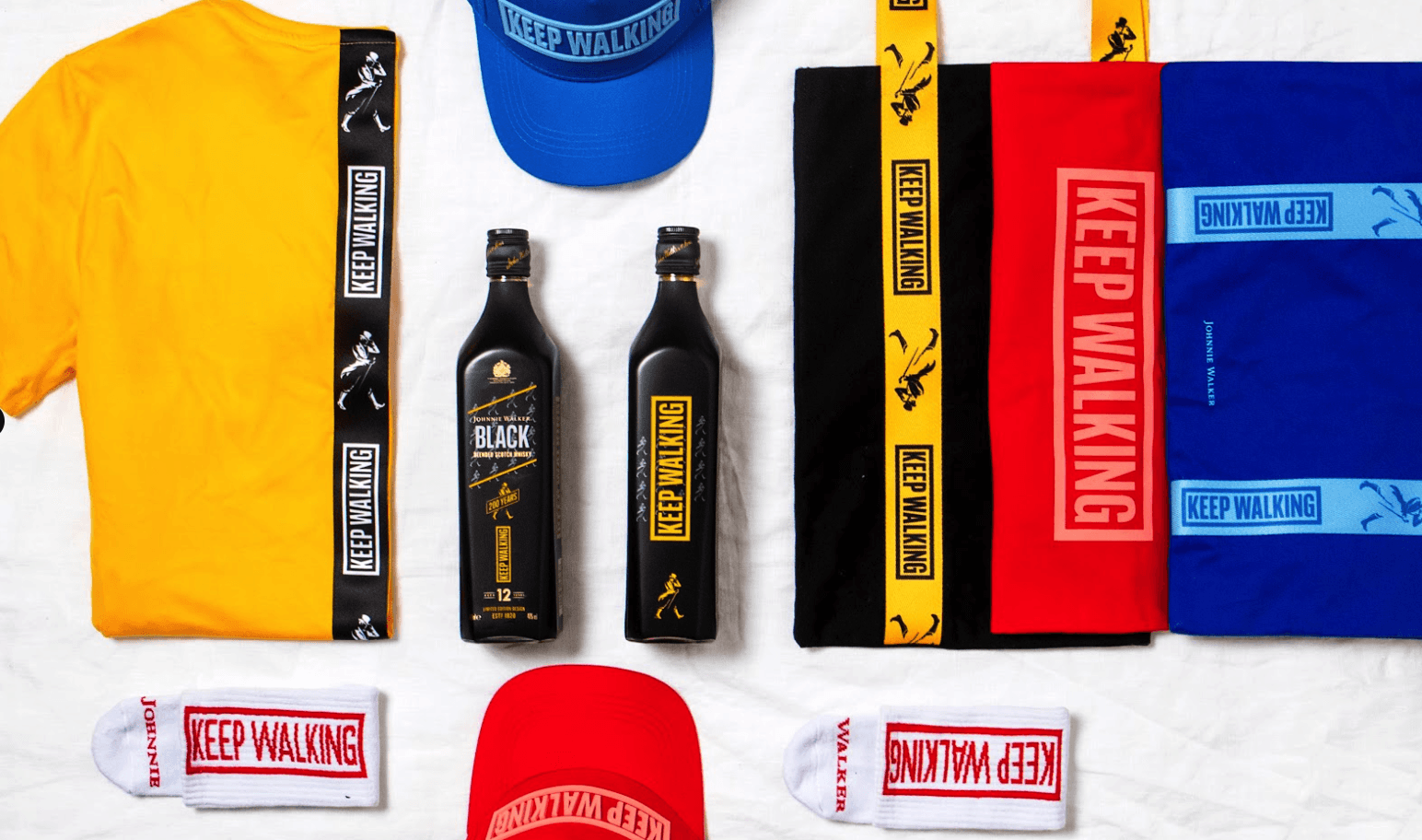
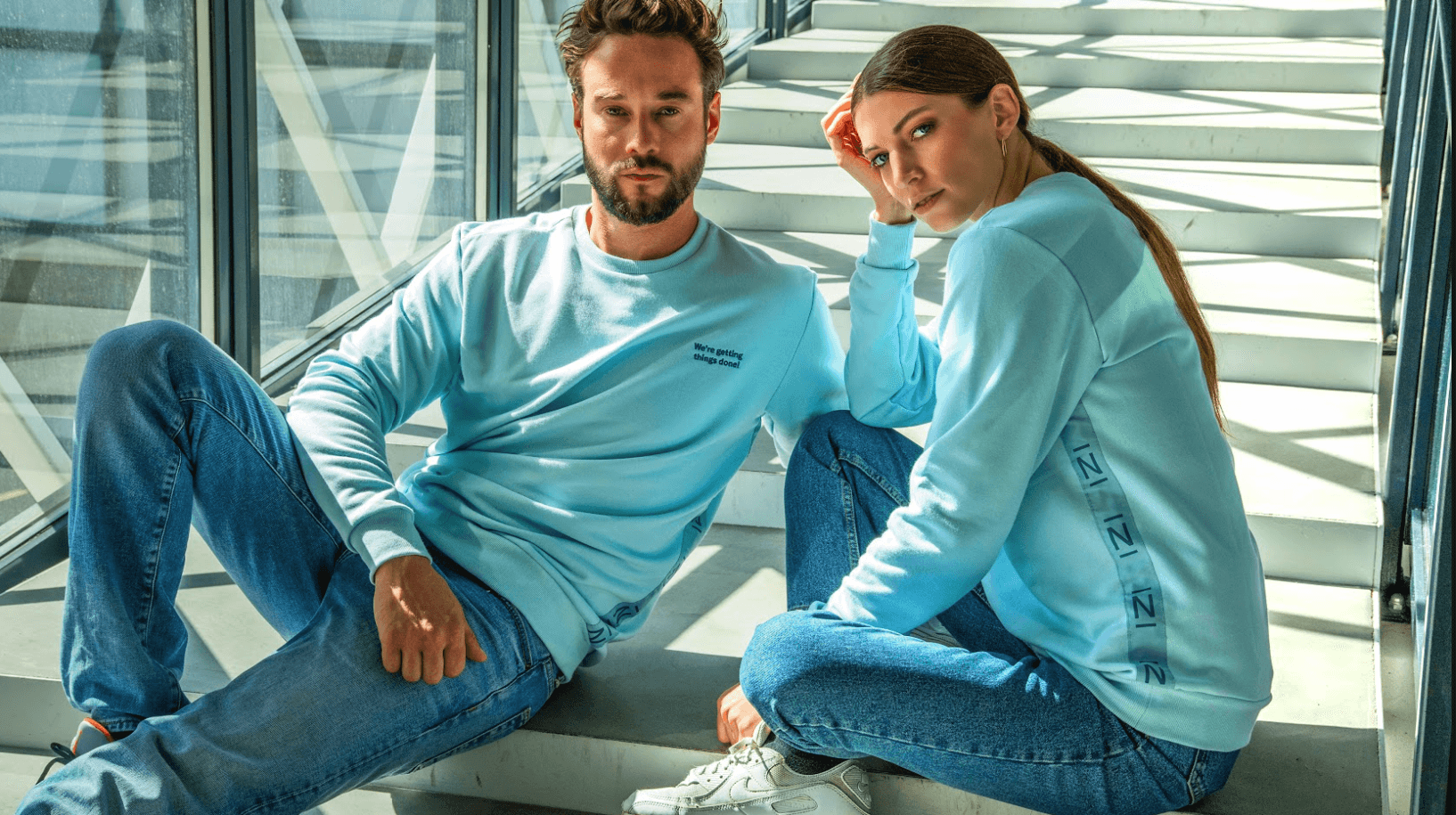
Branded apparel is clothing that prominently features a company’s logo, name, or distinguishing design, making it unique and easily identifiable in the marketplace. This type of merchandise not only enhances brand visibility but also serves as a testament to the company’s style and image.
“Branded apparel is clothing that showcases a company’s logo or design. It stands out and promotes the brand wherever worn.”
Imagine you own a coffee shop, and you create t-shirts with your café’s name and logo printed on them. By distributing these shirts to your staff and loyal customers, you generate awareness and buzz about your café. Each person wearing the t-shirt becomes a walking billboard, sparking curiosity and attracting potential new customers who recognize your brand while out and about. This real-world application helps you understand the impact branded apparel can have on expanding your business’s reach.
The Principles of Effective Branded Apparel
When selecting branded apparel for your business, it’s essential to focus on quality, design, and functionality. These principles act as a guiding light to ensure that the clothing not only promotes your brand effectively but also meets the needs of those wearing it. Quality apparel conveys professionalism and durability, which can positively influence how your brand is perceived by customers and employees alike.
To start, consider the materials you wish to use and their sustainability. High-quality fabrics that are comfortable, durable, and ethically sourced should be at the forefront of your decision-making process. The design should reflect your brand’s personality and values, sparking visual interest while remaining true to your identity. Incorporate your logo and other brand elements in a way that’s both tasteful and strategically placed. Additionally, consider the industry’s best practices by ensuring that the selected styles align with current fashion trends while providing comfort to the wearer. Functionality is equally critical, as each piece should be easy to wear and cater to the practical needs of your target audience. By maintaining a balance between these principles, you’ll create branded apparel that stands out and resonates with your intended market.
Moreover, it’s important to engage with a supplier who understands your vision and supports these principles. Their expertise and capabilities can significantly impact your project’s outcome.
Ultimately, successful branded apparel is not just an outfit, but a powerful extension of your brand identity.
5 examples of powerful Branded Apparel strategies
Nike’s Swoosh T-Shirts
: The iconic Swoosh emblem has become synonymous with athletic prowess and innovation. Nike demonstrates how a simple design, paired with high-quality fabric and strategic marketing, can elevate a brand’s status globally. Their tees are not only functional but also serve as a status symbol for enthusiasts who associate them with excellence.
Starbucks’ Seasonal Merchandise
: Capitalizing on limited-time offers, Starbucks creates seasonal branded apparel such as hoodies and beanies that resonate with their devoted fanbase. These items reflect their seasonal beverage offerings and events, creating a sense of exclusivity and community among customers who wear them.
Patagonia’s Eco-Conscious Gear
: Known for its commitment to sustainability, Patagonia creates apparel that not only showcases their brand but also aligns with their environmental values. By using recycled materials and maintaining fair trade practices, they cater to eco-conscious consumers who value ethics alongside style and utility.
Implement these actionable tips to refine your branded apparel approach and enhance your branding efforts:
By implementing these tips, as we do at Sunday, you can create a dynamic branded apparel strategy that not only reflects your brand values but also enhances engagement and customer loyalty in the long run.
Key Terminologies
Frequently Asked Questions
What is the cost difference between branded apparel and generic clothing?
Branded apparel often involves higher costs due to superior quality, distinct design, and brand prestige, yet it delivers better long-term value and consumer satisfaction.
Why should I invest in branded apparel for my business?
Investing in branded apparel boosts brand visibility, enhances corporate image, and fosters team unity, ultimately leading to increased customer recognition and loyalty.
How does branded apparel benefit customer trust in a brand?
Branded apparel reinforces brand credibility by showcasing professional craftsmanship and consistent brand messaging, building trust and customer loyalty.
How can branded apparel improve my brand’s market presence?
Branded apparel can amplify market presence through recognizable logos and unique designs that catch attention and create lasting impressions, thus expanding brand reach.
Is branded apparel sustainable?
Many branded apparel companies are committed to sustainable practices, employing eco-friendly materials and ethical production methods to reduce environmental impact.
Can branded apparel be customized to fit niche markets?
Absolutely, branded apparel can be tailored to specific demographics, such as women’s markets, allowing for more personalized marketing that resonates with target audiences, thereby increasing engagement.