
Definition
Chiffon is a sheer, lightweight plain-weave fabric with a soft, floating drape and a slightly rough, grainy texture. The see-through quality comes from fine, tightly twisted yarns woven loosely, so chiffon can be made from silk, polyester, or nylon. That airy, semi-transparent feel is what defines chiffon.
Definition
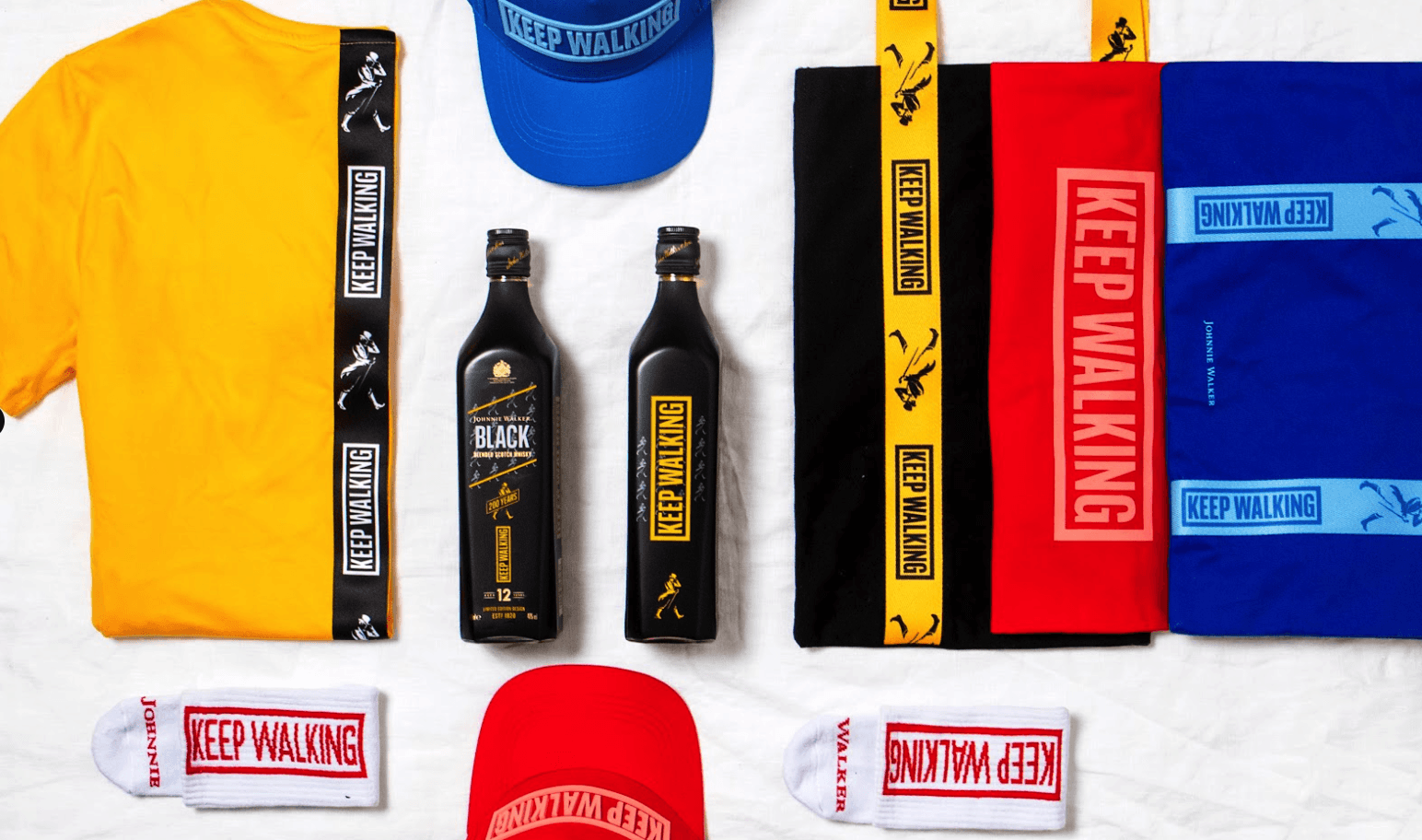
Chiffon is defined by its fine yarns and open weave. The yarns are twisted hard in alternating directions, then woven in a simple over-under pattern with small gaps between them. That twist creates a slight pucker that you can feel as a grainy surface, and the gaps let light through. A practical example: a printed chiffon scarf in a brand gift set drapes weightlessly around the neck and moves with the wearer, giving a soft, fluid look that heavier fabrics cannot match.
How chiffon works
The twist is what makes chiffon behave the way it does. Tightly twisted yarns spring back slightly, which gives the cloth its faint texture and its floating quality. Because the weave is open and the yarns are fine, chiffon is very light and slightly stretchy on the bias. Silk chiffon is the softest and most fluid, while polyester chiffon is more durable, holds bright print well, and costs much less, which makes it the common choice for merch.
The same lightness creates the trade-offs. Chiffon frays at the edges and slips while cutting, so clean seams take care and often need French seams or rolled hems. It is delicate and snags easily, and it offers no warmth or structure, so it suits accent pieces rather than hard-wearing items. Its sheerness also means it is usually layered or used where transparency is part of the design.
For decoration, chiffon favors methods with no weight. Sublimation on polyester chiffon prints full color edge to edge while keeping the fabric soft and breathable, which is ideal for scarves and overlays. Fine screen prints can work on stable areas, but heavy ink or dense embroidery will pull and distort the thin cloth. Digital print gives the most detail with the least added stiffness.
Chiffon in branded merch
- Printed scarves and accessories. Lightweight chiffon scarves carry brand patterns and colors with an elegant drape, perfect for fashion, beauty, and hospitality gifts.
- Event styling and overlays. Sheer chiffon runners, banners, and booth accents add soft movement and color to launches and conferences.
- Layered apparel pieces. Chiffon overlays, sleeves, and trims give uniforms and event wear a refined, fashion-forward touch.
Chiffon is a sheer, lightweight fabric woven from highly twisted yarns, giving it a soft floating drape and a faint pebbled texture.
5 tips to elevate your Chiffon strategy
| Tip | Steps |
|---|---|
| Pick polyester for print | Choose polyester chiffon for bright, durable sublimation prints at lower cost. |
| Finish edges cleanly | Specify rolled hems or French seams, since chiffon frays and slips easily. |
| Print, do not embroider | Favor sublimation or fine print, because heavy stitching distorts the thin cloth. |
| Use it for movement | Reserve chiffon for scarves and overlays where drape and flow are the point. |
| Handle and ship gently | Pack chiffon items flat or loosely rolled to avoid snags and creasing. |
Key Terminologies
Frequently Asked Questions
What is chiffon made from?
Chiffon can be made from silk, polyester, or nylon. The name refers to the sheer, lightweight plain weave with tightly twisted yarns, not to a single fiber.
Why is chiffon see-through?
The yarns are very fine and the weave is loose, with small gaps between threads. That open structure lets light pass through, which gives chiffon its sheer look.
Is chiffon good for branded merch?
Yes, for accent pieces like printed scarves, overlays, and event styling. Polyester chiffon takes bright sublimation print well, though it is too delicate for hard-wearing items.
How is chiffon different from satin?
Chiffon is sheer, light, and matte with a grainy texture, while satin is dense, opaque, and glossy. They sit at opposite ends of the woven-fabric range.
Does chiffon fray easily?
Yes. The fine, open weave frays at cut edges and slips during sewing, so it usually needs rolled hems or French seams for a clean finish.