

Definition
A conference kit is the set of branded items an organiser hands to each attendee at a conference, summit, or industry event. It usually arrives as one bag or box containing a carrier, a writing set, a badge and lanyard, and one or two items people keep after the event. The kit is the physical part of the programme, and it is often the only thing an attendee still owns a month later.
Definition
A conference kit is assembled before the event, packed to a fixed bill of materials, and distributed at registration. The contents are chosen for two jobs at once: helping someone get through the day and putting the brand in their hands long enough to be remembered.
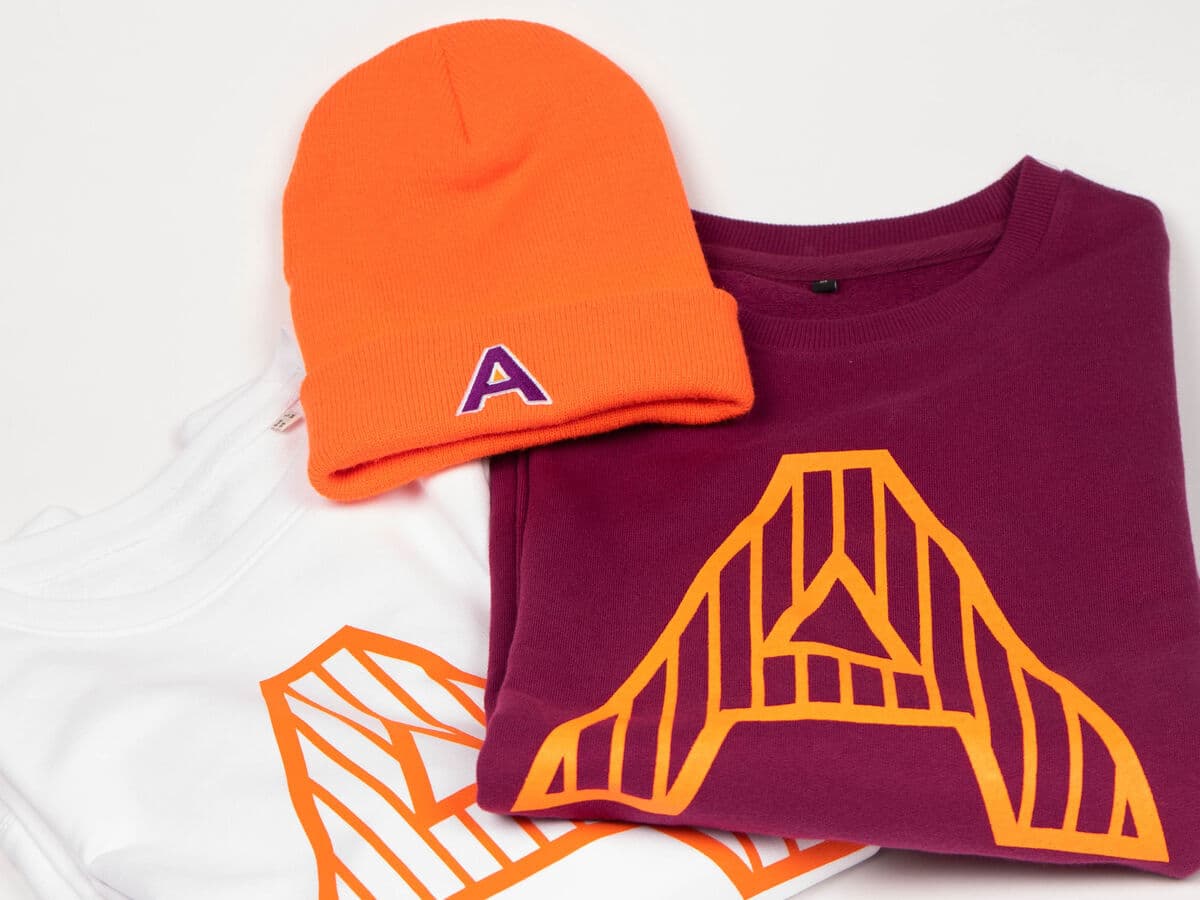
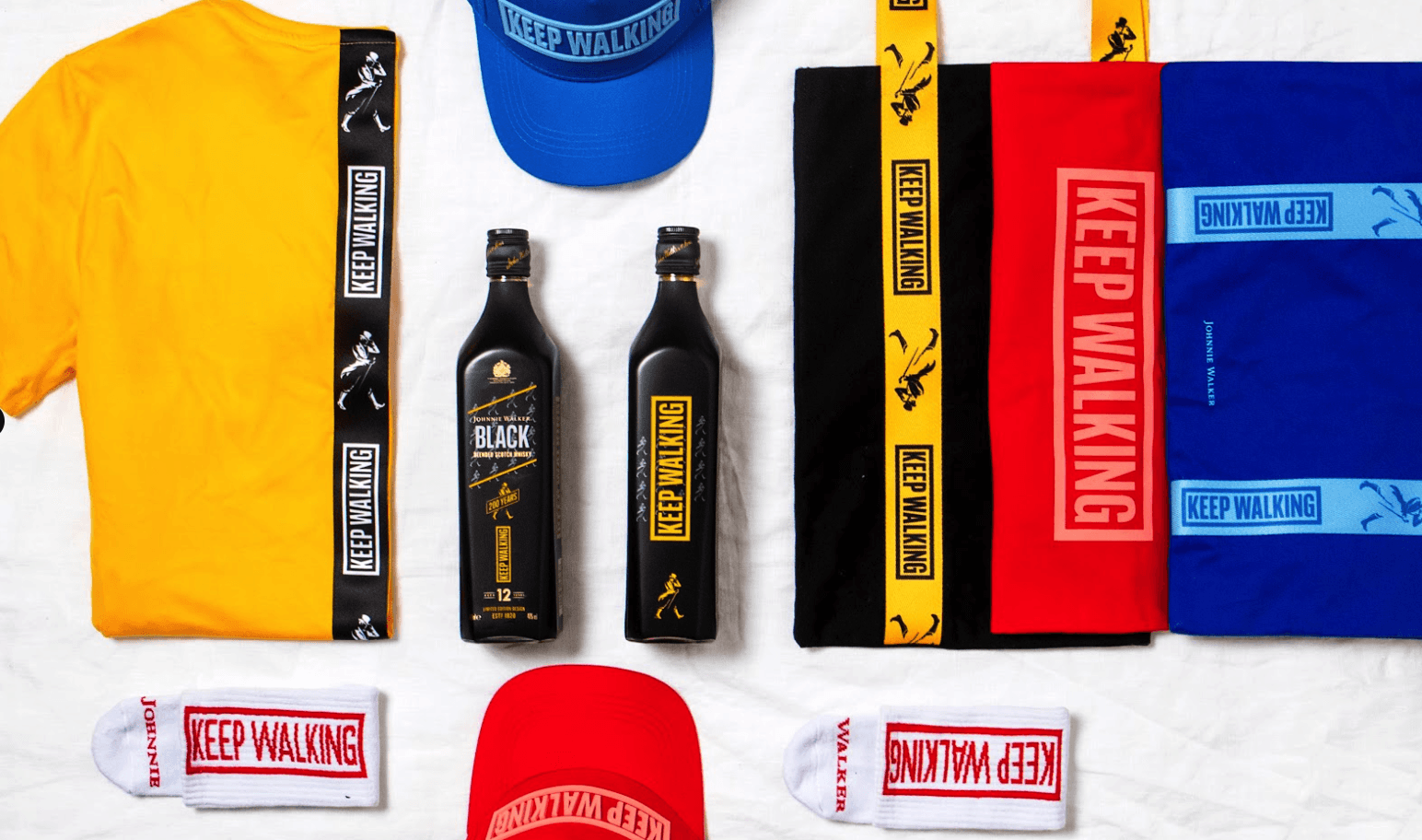
A typical software conference kit for 800 attendees might contain a recycled cotton tote, a hardcover notebook, a metal pen, a badge holder on a woven lanyard, a sticker sheet, and a foldable water bottle. Speakers and sponsors receive a larger version of the same kit with a hoodie added. Every kit is packed identically so the registration desk can hand them out without checking contents.
How a conference kit works
The kit starts with a bill of materials and an attendee count. Organisers set a per-head budget, then split it across the items. A common split is 40 percent to the carrier and the keepsake item, 30 percent to the writing set, 20 percent to badge and lanyard, and 10 percent to small extras. Sizing matters here: a bag that will not hold an A4 notebook forces attendees to carry things loose, and the kit stops feeling like a kit.
Production runs to the longest lead time in the set. Custom hoodies or bottles can need six to eight weeks, while a printed notebook can be ready in two. Kits are then assembled through kitting, where each item is placed in the carrier in a set order, sealed, and boxed in counts that match the registration lanes. Boxes of 25 or 50 are common because they are light enough to lift and easy to count against a running attendee list.
Two variants are usually produced from the same core kit. The standard kit goes to general attendees. An upgraded kit goes to speakers, VIPs, and sponsors, keeping the same carrier and adding one or two higher-value items so the brand stays consistent while the tier is visible.
Conference kit in branded merch
- Attendee registration. The kit is the first physical touchpoint of the event. Handing over a well-packed bag at the desk sets the tone before the first keynote and removes the need to distribute items separately during the day.
- Sponsor packages. Sponsors pay for placement inside the kit. A logo on the tote bag, an insert in the notebook, or a co-branded bottle turns the kit into a revenue line rather than a cost line.
- Remote and no-show attendees. Kits shipped to virtual attendees or to people who missed the event keep the audience connected. Same contents, packed for post, sent to a home address with a personal note.
A conference kit is a pre-packed bundle of branded items given to every attendee at an event, combining practical tools for the day with keepsake items that carry the brand home.
5 tips to elevate your Conference kit strategy
| Tip | Steps |
|---|---|
| Size the bag first | Choose the carrier before anything else, then only select items that fit inside it flat. |
| Cut the item count | Four good items beat eight forgettable ones. Attendees bin the filler before they leave the venue. |
| Order 5 percent over | Damage, walk-ins, and staff kits eat into the count. Overprint slightly rather than run short at the desk. |
| Split the pack | Pack heavy items at the bottom and the sticker sheet or card on top so the brand is the first thing seen. |
| Book lead time early | Lock the longest-lead item eight weeks out and fill the rest of the kit around that date. |
Key Terminologies
Frequently Asked Questions
What should go in a conference kit?
A carrier bag, a notebook and pen, a badge with a lanyard, and one item people keep such as a bottle, a hoodie, or a power bank. Four to six items is enough for most events.
How much does a conference kit cost per attendee?
Most corporate conference kits land between 15 and 40 euros per attendee. The carrier and the keepsake item drive the cost, while badges, lanyards, and stickers stay under a few euros combined.
When should I order a conference kit?
Start eight to ten weeks before the event. Apparel and custom drinkware need the longest production time, and rushing them adds cost without improving the result.
How many conference kits should I order?
Order about 5 percent above your registered attendee count. This covers damaged units, last-minute walk-ins, staff kits, and the spares you will want for press or follow-up mailings.
Can conference kits be shipped to attendees?
Yes. Kits can be packed for post and sent to home or office addresses, which is standard for hybrid events and for attendees who register but cannot travel.