Definition
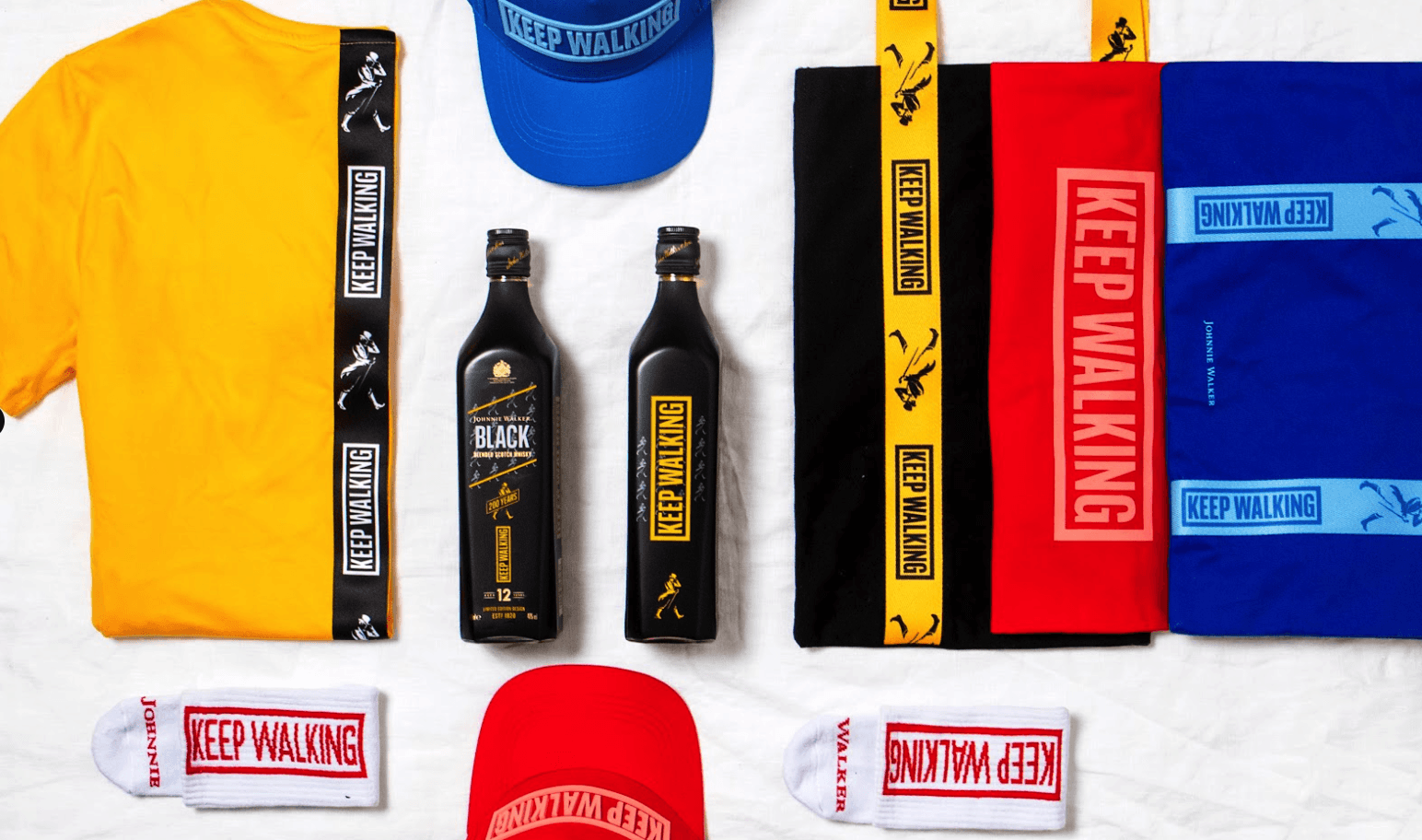
Co-branded merch is branded merchandise that carries two or more brands on the same product, made for a partnership rather than for one company alone. Two marks, one item, one shared story. The design work is harder than single-brand merch, and so is the paperwork behind it.
Definition
Co-branded merch puts partner marks on a product that both sides put their name behind. That makes it two problems at once. The design problem is the lockup: how the marks sit together, in what order, at what size, with how much breathing room. The commercial problem is who pays, who holds the stock, who may reorder and for how long.
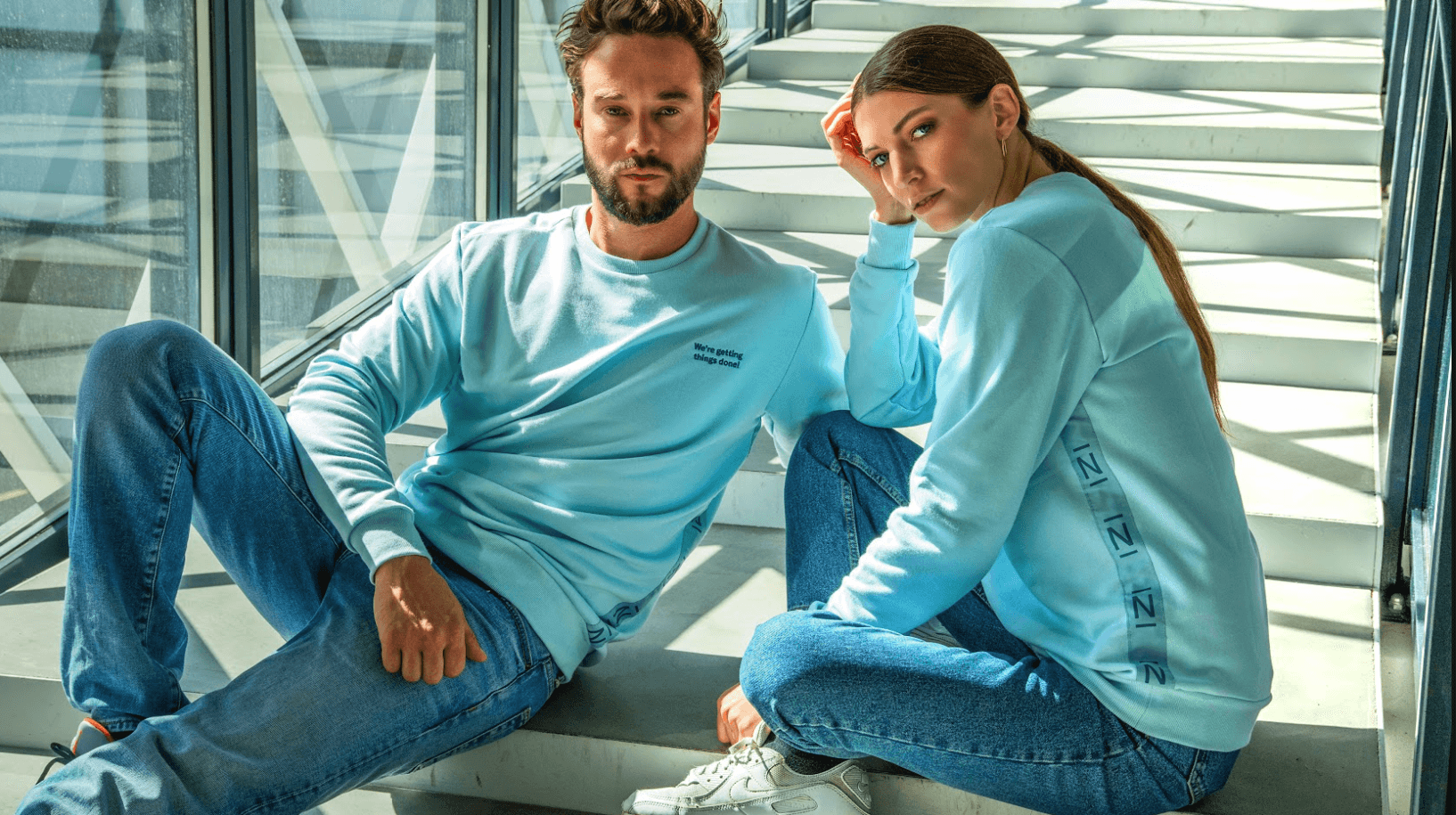
A concrete example. A payments platform launches an integration with an e-commerce platform. To mark it, they produce 500 heavyweight tees with a one-colour lockup on the chest: partner mark, thin vertical rule, their own mark. Both teams ship the tees to their top 250 shared accounts in the same week. One artwork, one production run, split cost, two audiences.
Why co-branded merch matters
Ordinary merch speaks to people who already know you. Co-branded merch speaks to somebody else's people, with their brand vouching for you. That borrowed credibility is the entire point, and it is why product quality counts for more here than anywhere else. The item now carries a reputation you do not own.
The trade-off is control. Every artwork decision needs two approvals and runs into two sets of brand guidelines that were never written to sit next to each other. Two brand colours on one garment often means a second print pass or a second embroidery thread, which pushes up unit cost. Typefaces clash. Minimum size rules clash. Settle logo placement and logo clear space in week one, not the week before production.
Then there is the part nobody plans for. Partnerships end. Stock does not end with them. Agree in writing who owns the remaining units, whether either side may keep handing them out once the deal lapses, and who is allowed to reorder. One line in the partnership agreement prevents a quiet argument a year later.
Co-branded merch in branded merch
- Partnership and integration launches. Two software companies announce an integration and send one shared item to joint customers. Run this small and high quality rather than wide and cheap, because the audience is a named list, not a crowd.
- Event and sponsorship co-branding. A sponsor mark alongside the host mark on staff apparel, tote bags or caps. Adjacent to sponsor swag, with one difference: both brands appear on the same item instead of on separate ones.
- Creator and retail collaborations. A brand teams up with a creator, an artist or another label for a capped release sold through a merch store. Scarcity is deliberate. Sell-through is the metric, not impressions.
Co-branded merch is physical product carrying the identities of two or more partner brands on a single item, produced to make a partnership visible.
5 tips to elevate your Co-branded merch strategy
| Tip | Steps |
|---|---|
| Design the lockup first | Fix hierarchy, spacing and minimum size in one shared artwork file. Every product decision after that gets easier. |
| Cap the colour count | Two palettes on one item invites a four-colour print. Reduce the lockup to one or two colours and choose a garment colour both palettes can sit on. |
| Get written sign-off from both brand owners | A thumbs-up in a chat thread is not approval. Ask for sign-off on the final lockup file and on the final product photo. |
| Decide who owns the stock | Cover leftovers, reorder rights and what happens when the partnership ends. Settle it before the purchase order, not after. |
| Build to the higher standard | The partner with more reputation at stake sets the quality floor. Meet it, even if it costs a euro more per unit. |
Key Terminologies
Frequently Asked Questions
What is co-branded merch?
Co-branded merch is a product carrying the marks of two or more partner brands on the same item, produced to make a partnership visible. It shows up around integration launches, sponsorships, and creator or retail collaborations.
How do you put two logos on one product?
Build a lockup: one fixed arrangement of both marks with an agreed order, relative size and clear space, saved as a single artwork file. Print or embroider that lockup as one asset. Never let each team place its own logo separately.
Who pays for co-branded merch?
Most partnerships split cost by unit share. Each side pays for the units it receives, and the partner running production invoices the other. Whoever holds the artwork and the supplier relationship normally manages the run.
Do you need a legal agreement for co-branded merch?
Yes. At minimum you need trademark usage rights, approval steps, quantities and the fate of unsold stock, all in writing. Most companies handle this as a clause in the partnership agreement rather than as a separate contract.
What products work best for co-branded merch?
Items with one clean, wide print area: heavyweight tees, caps, tote bags, notebooks, insulated bottles. Avoid products with small or awkward print zones, because a two-mark lockup needs more width than a single logo does.