

Definition
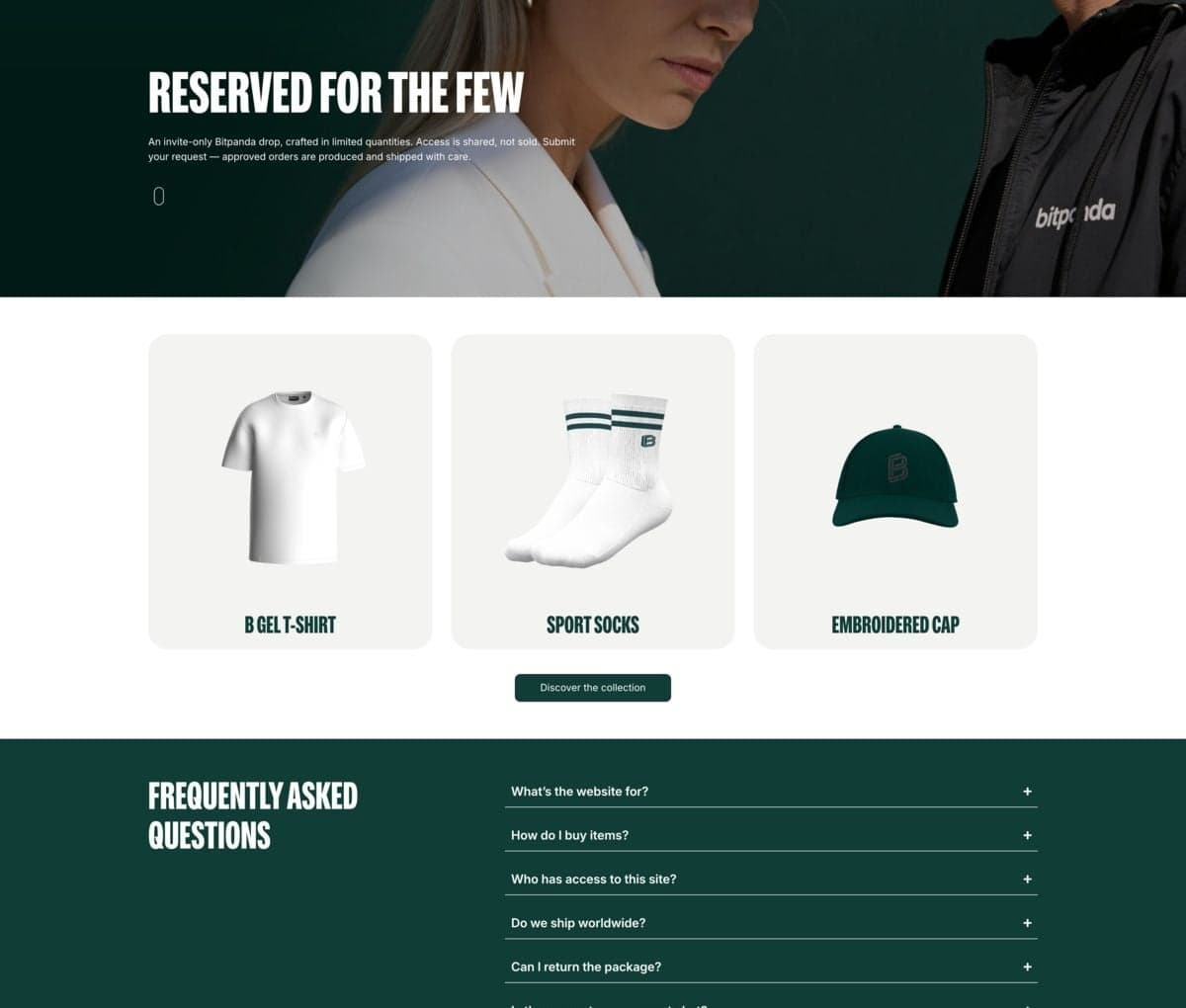
A merch store is an online shop where a brand's merchandise is presented, ordered and shipped, whether the buyers are employees, customers, fans or partners. It turns merch from a one-off bulk order into a permanent storefront that anyone with a link can use. The store sits on top of production and stock, so nothing can be ordered that cannot actually be made and delivered.
Definition
A merch store is a branded ecommerce front end wired into a merch supply chain. The catalogue holds approved products with your logo already applied, each item has a price or a budget value, and every order routes into production or picking without a human forwarding it. A scale-up with 400 people across six countries can open a store where every new hire spends a 75 euro welcome budget on a hoodie, a bottle and a cap. No spreadsheet, no manual order form, no one in ops chasing a courier.
How a merch store works
The store starts with a locked catalogue. You choose base products, apply your logo in the right print method and position, and approve a visual of each item. That approved visual becomes the product page, which is why brand consistency holds even when hundreds of people order independently.
Behind the catalogue sits a stock model, and this decision shapes cost and lead time. On-demand production means items are made after the order lands, so there is no stock risk, at a higher unit price and a longer wait. Stocked merch means you produce a run up front and ship the same week, which gives better unit economics but ties up budget. Pre-order drops sit in between: you open the store for two weeks, close it, then produce exactly what sold. Most mature programmes mix all three, keeping bestsellers in stock and running the long tail on demand.
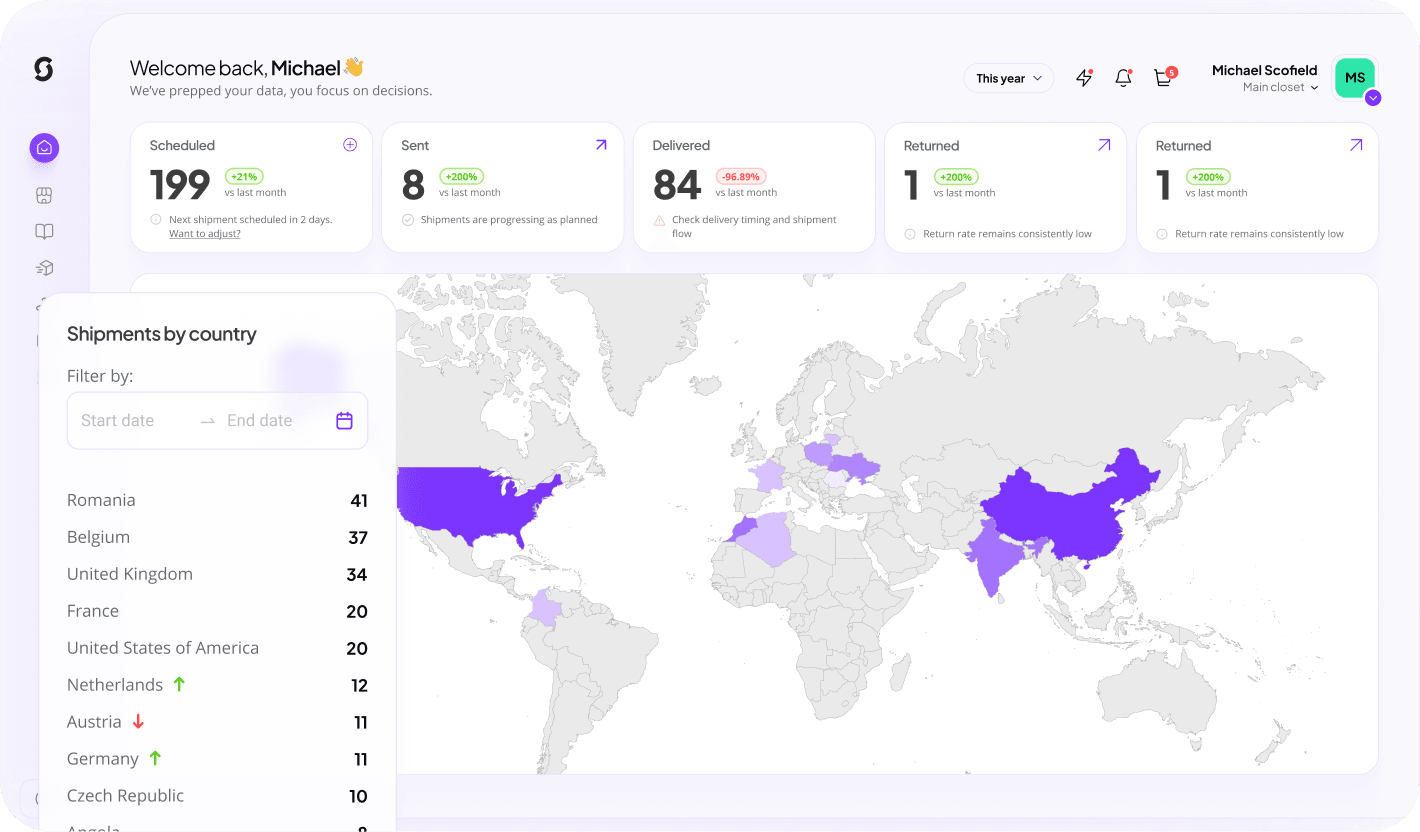
The last layer is access and payment. A public store charges cards at checkout like any webshop. An internal store is gated by login or a single link, and buyers spend a budget, credits or a gift code instead of their own money. Orders then flow to fulfilment, which ships to one office or to hundreds of home addresses and reports back cost, stock and delivery status per order. That reporting connects merch ROI to real spend rather than gut feel.
Merch store in branded merch
- Employee store with budgets. Give every employee a yearly or onboarding allowance and let them choose their own size, style and delivery address. Fit improves, waste drops, and HR stops handing out boxes in the office.
- Public fan or community store. Sell to customers, community members or event attendees at retail prices. The store becomes a small revenue line and a way to see which designs people actually pay for.
- Partner and reseller store. Give distributors, franchisees or agencies a controlled catalogue with their own pricing and logo lockups, so local teams stay on brand without central approval on every order.
A merch store is a dedicated online storefront where a brand's merchandise is presented, ordered and fulfilled, with production, stock and shipping handled behind the scenes.
5 tips to elevate your Merch store strategy
| Tip | Steps |
|---|---|
| Start with ten products | A small, curated catalogue converts better than fifty options and keeps your stock and print setup simple. |
| Set the payment model first | Decide whether buyers pay, spend a budget or redeem a code before you design the store, because it changes the entire checkout. |
| Show real product visuals | Use approved mockups of your logo on the actual product, not stock photos, so expectations match what arrives. |
| Plan for global shipping | Check duties, lead times and returns per region before launch, especially if you ship to home addresses. |
| Review the catalogue quarterly | Drop the items nobody orders and restock the winners. A stale store loses traffic fast. |
Key Terminologies
Frequently Asked Questions
What is a merch store?
A merch store is an online shop where a brand's merchandise is listed, ordered and shipped. Buyers can be employees, customers, fans or partners, and production and fulfilment run automatically behind the storefront.
How much does a merch store cost to run?
Costs usually break into platform fees, product cost per item and shipping. On-demand stores need no upfront stock investment, while stocked stores require you to fund a production run before the first order arrives.
Do employees pay for merch in a company merch store?
Usually not. Internal stores typically run on budgets, credits or gift codes funded by the employer, so the employee checks out at zero cost while the company keeps control of spend.
What is the difference between a merch store and a swag store?
They describe the same thing in most cases. Merch store is the broader term and often includes public or fan-facing shops, while swag store usually refers to internal employee and giveaway items.
How long does it take to launch a merch store?
A store built on an existing merch platform can go live in days once your logo, product selection and payment model are set. Custom builds with dedicated stock and integrations take a few weeks.