


Swag store integrations connect the storefront to the systems that already hold the answers: identity and SSO for login and rights, HRIS for credits and lifecycle events, CRM for customer and sales campaigns, rewards tools for balances, procurement and finance for purchase orders and approvals, and warehouse and courier systems for fulfilment and tracking.
The principle is simple. Every question a store has to ask is a question some other system already answered. Who is this person. Which team are they on. What are they allowed to see. What are they allowed to spend. What just happened that deserves a gift. Integration is how the store stops asking and starts knowing.
Part of our complete company swag store guide.
What's in this guide
- Why a swag store integrates at all
- The swag store integration map
- Identity and SSO
- HRIS: credits and lifecycle events
- CRM: customer and sales campaigns
- Rewards and recognition
- Procurement and finance
- Warehouse and courier
- How hard is integration really
- What to automate and what to keep human
- Frequently asked questions
Why a swag store integrates at all
An unintegrated store works. It just makes everyone do the data entry. Someone maintains a list of who is allowed in. Someone uploads credit balances from a spreadsheet. Someone forwards orders to the warehouse. Someone chases tracking links. Every one of those tasks is a system talking to a system through a human.
Integration removes the human from the middle of the machine, not from the middle of the relationship. That distinction runs through everything below.
Three things the surrounding systems already know, and the store should not re-ask:
- Who the user is. The identity provider authenticated them this morning.
- What they are entitled to. Role, country, department, seniority and budget already live in HR and procurement systems.
- What business moment occurred. A hire, an anniversary, a closed deal, a renewal, a referral, a certification. HRIS and CRM know before anyone in marketing does.
The swag store integration map
Six categories cover almost every connection a merchandise programme needs. Most stores start with one or two and add the rest as the programme grows.
| Integration | What it does | Seen in practice |
|---|---|---|
| Identity and SSO | Authenticates the user and assigns their rights, prices and visible catalogue | Fastned, Thule, ITI, Zalando House of Merch, Bitpanda Boutique |
| HRIS | Allocates credits and triggers lifecycle events such as onboarding, anniversaries and birthdays | Bitpanda Boutique, through the Workday API |
| CRM | Triggers customer and sales campaigns from commercial events | Salesforce |
| Rewards and recognition | Translates achievements and nominations into a spendable balance | Recognition platforms feeding coin balances |
| Procurement and finance | Handles purchase orders, invoicing and approval before dispatch | Zalando House of Merch, ITI |
| Warehouse and courier | Creates the fulfilment order, produces labels, updates status and tracking | Every Sunday-operated store |
Read the table as a sequence rather than a menu. Identity decides what the store shows. Funding decides how it is paid for. Fulfilment decides what happens after checkout. The company swag store guide covers how those layers fit together.
Identity and SSO
Single sign-on is the integration that pays for itself first. It removes the account-creation step that kills adoption, and it lets the store apply rules quietly instead of asking questions at checkout.
Once identity is connected, one storefront can behave like several. Fastned uses SSO to recognise employees and allocate coins automatically on first login, so the first visit is a gift rather than a registration form. Thule uses it to give managers an ordering platform with a coin balance attached. ITI runs role-based rights, hidden products and hidden pages behind a custom SSO experience, built for an expected 35,000 to 40,000 users a year, which is a design target rather than a reported result. Zalando House of Merch is SSO-gated so only approved buyers reach the brand-approved catalogue.

Identity is the quiet layer. The people using an employee store should never think about permissions, only about what they are allowed to pick.
HRIS: credits and lifecycle events
An HRIS knows the calendar of a company better than any marketing team. Start dates, anniversaries, birthdays, departments, locations, leavers. Connecting it turns those facts into merchandise moments without anyone maintaining a list.
Bitpanda Boutique allocates employee credits through the Workday API, so a new hire arrives to a balance and an anniversary tops one up. New products are tagged automatically so returning employees can see what changed since their last visit.
Two rules keep HRIS integrations clean. First, decide which events deserve a balance before you wire anything, using the moment list in swag store funding models. Second, keep a manual route open. Automation should carry the calendar while humans carry recognition.
CRM: customer and sales campaigns
Not every store is for employees. When the audience is customers, prospects or a sales-led gifting programme, the trigger lives in the CRM. A closed deal, a renewal, a first purchase, a churn-risk flag, a referral, a completed onboarding milestone.
Connecting Salesforce to the store means a commercial event can start a merchandise workflow: send a redeem link, grant a balance, open a gated collection, or place a direct order to the customer's address. The gifting side of that pattern is covered in the corporate gifting programme guide, and the wider hub is corporate gifts.
The caution here is taste, not technology. A gift that arrives because a field changed can feel automatic. Keep the note human and the timing deliberate.
Rewards and recognition
Recognition platforms already collect the thing merchandise is good at rewarding: a peer nomination, a completed training, a wellness challenge, a sales achievement. The integration is small and the effect is large. An achievement becomes a balance, and the balance becomes a choice the person makes themselves.
Choice is the point. A recognition budget spent on merchandise the recipient selected beats the same budget spent on merchandise someone selected for them. It also tends to be worn. In Sunday's 258-person study of the NMBS merchandise programme with Sapience and VUB, employees with branded merch scored 19% higher on engagement and 26% higher on ambassadorship.

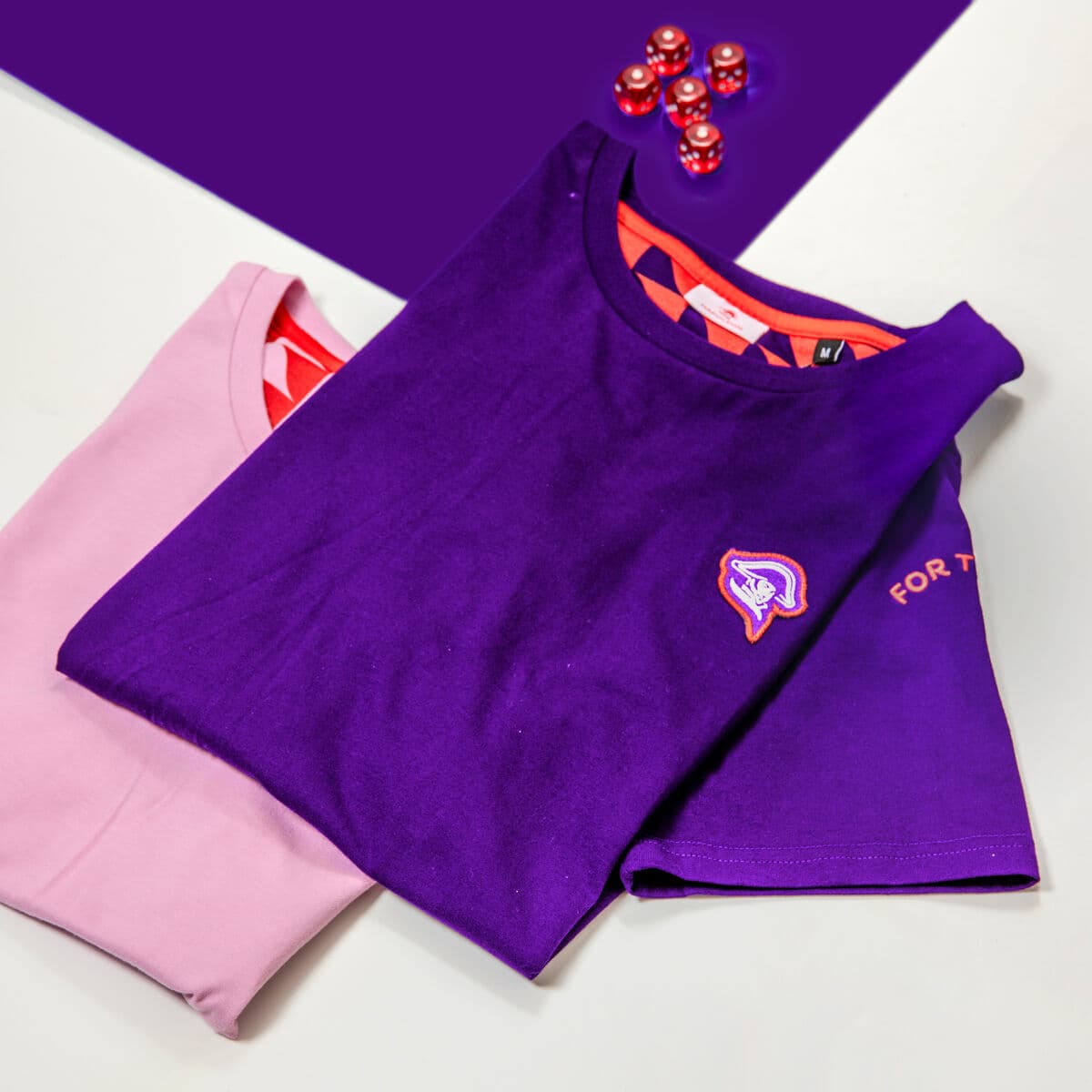
An HRIS-triggered onboarding allocation turns a start date into a kit like this, without anyone maintaining a joiners list.
Procurement and finance
The moment departments, managers or franchise partners order, the store stops being a shop and starts being a purchasing channel. That means purchase orders, cost centres, approval steps and invoices that finance can match.
Zalando House of Merch applies purchase-order controls and minimum-order-quantity pricing, so team orders price themselves without a quote request. ITI routes buyers to card payment or invoice depending on their role, which is only possible because identity and finance rules are connected to the same checkout. Programmes that span several countries and entities add currencies, duties and local invoicing to the list, which the global swag store guide covers.
Procurement should shape the ordering rules, contracts and controls. It usually should not own the audience experience. That split is one of the governance decisions in the pillar guide.
Warehouse and courier
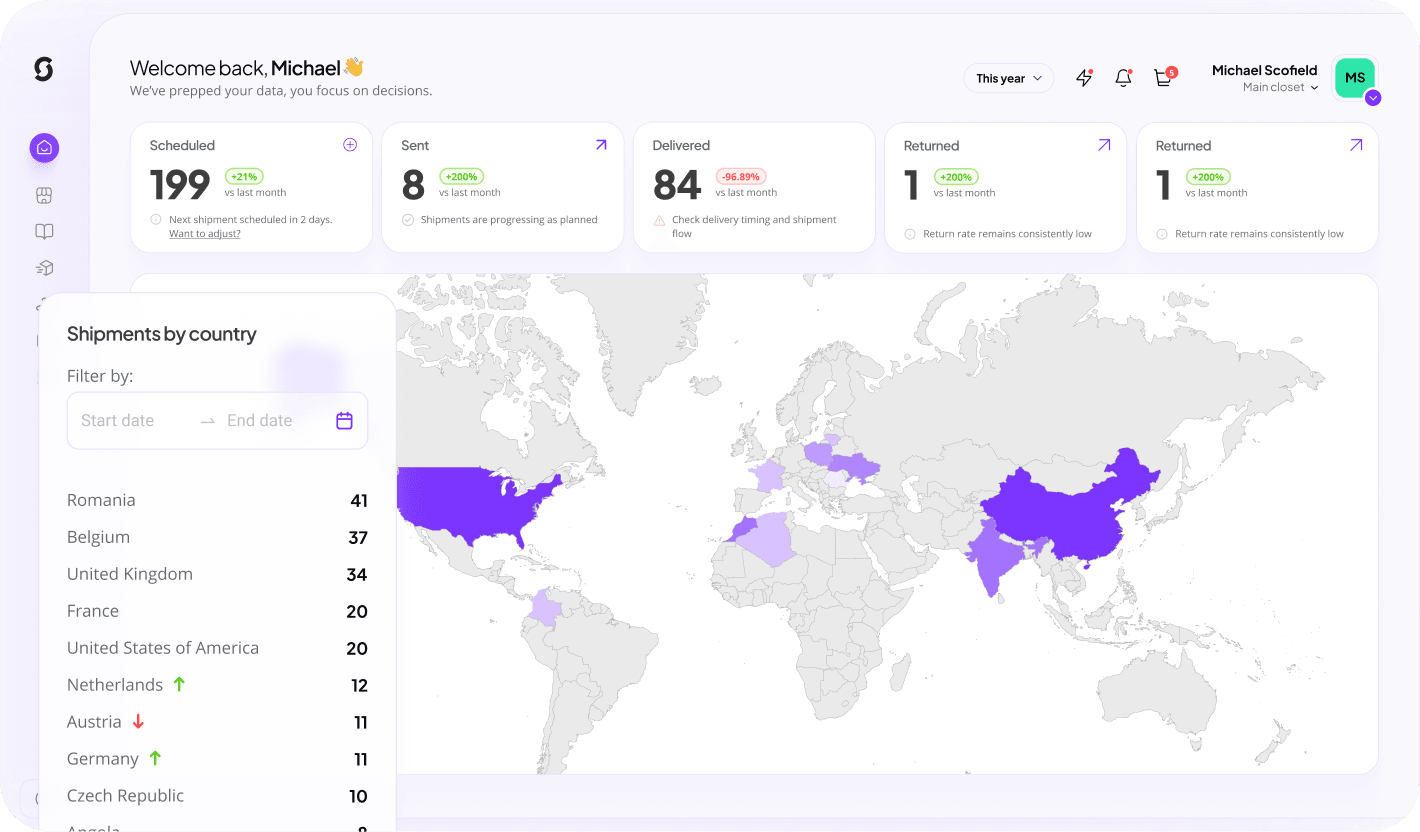
This is the integration nobody sees and everybody feels. When an order is placed, the store should transfer it to the warehouse, create the shipment and labels, sync stock levels, update order status and push tracking to the recipient. No exports, no email, no spreadsheet.
Manual fulfilment is one of the eight ways a swag programme fails, because it works fine at 40 orders and collapses at 400. It also removes the data you need later: without status events flowing back, you cannot report on fulfilment performance, which is half of the framework in swag store metrics.
Stock accuracy is the other half. Replenishment decisions depend on the store and the warehouse agreeing on what exists, which is why inventory rules and integrations are designed together in swag inventory management.
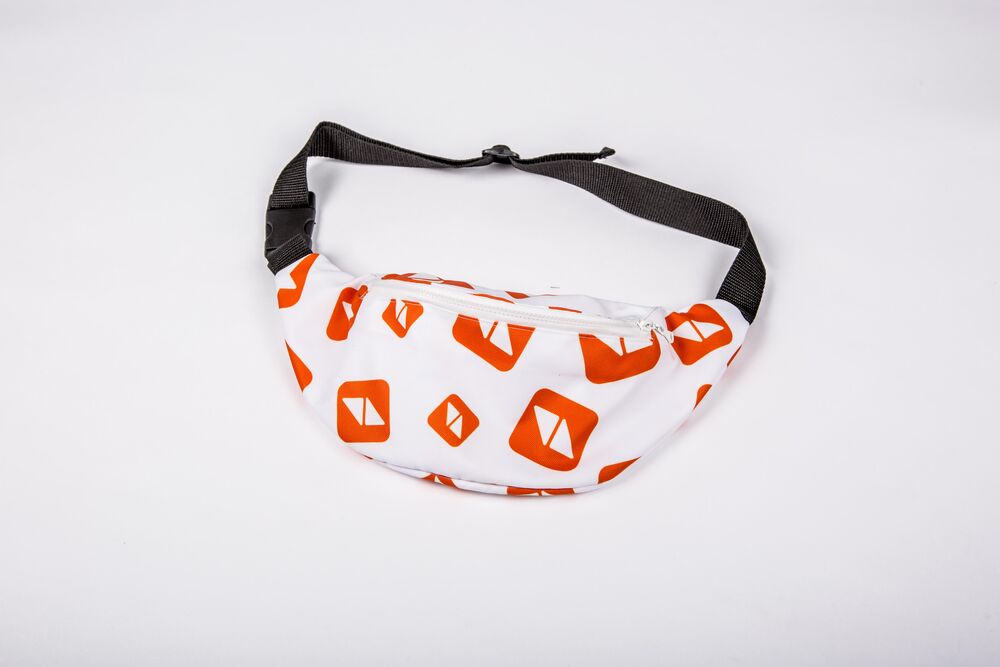
One item, one order, one shipment. The warehouse and courier integrations are what keep that true at scale.
How hard is integration really
Less hard than the average procurement process implies. When a suitable API exists, integration is generally straightforward. The identity provider, the HRIS, the CRM and the courier all expect to be connected, and the patterns are well worn.
The work that actually takes time is the deciding, not the coding:
- Which attributes drive rules. Country, department, role, seniority, entity.
- Which events deserve an action. Not every field change should trigger a gift.
- Who approves what. Especially where a purchase order or an executive gift is involved.
- What happens at the edges. Leavers, transfers, contractors, agencies, multiple entities.
- Who owns the connection. IT owns security and identity, with Sunday on the store side.
Where no suitable API exists, there is usually still a route: scheduled file exchange, a webhook, or a manual step that stays manual on purpose. An integration that nobody maintains is worse than a clean manual process. SSO and warehouse connections usually fit inside a normal launch plan, as laid out in how to launch a swag store in 3 to 4 weeks.
What to automate and what to keep human
Automation follows scale and operating preference. Sunday does not impose it for its own sake. A 300-person company with one collection a year genuinely does not need HRIS-triggered credits. A distributed 5,000-person programme cannot survive without them. The same logic runs through the rest of the platform: 70% of Sunday orders go through automatic design templates, with no designer and no proof cycle, because that is administration worth removing.
| Automate, always | Keep human, deliberately |
|---|---|
| Transferring orders from store to warehouse | Curating the collection |
| Creating shipments and labels | The campaign concept and the message |
| Syncing stock levels and order status | Exceptional approvals |
| Sending tracking and status communications | Deciding which moments deserve recognition |
| Applying role, price and visibility rules | Choosing when a gift should be a surprise |
| Recording redemptions, balances and transactions | The handwritten note |
Integrations belong to the store, the audience-facing layer. The internal side of the same programme, where a merch team manages inventory, users, campaigns and workflows, is the swag management platform. The two connect, and they are not the same thing. Whether both come from one accountable partner or from separate vendors is the question in best company swag store platform.
To see how Sunday configures identity, funding and fulfilment together, explore the platform, the catalog, distribution and how it works.
Frequently asked questions
What integrations does a company swag store need?
Most programmes need six: identity and SSO for login and rights, HRIS for credits and lifecycle events, CRM for customer campaigns, rewards tools for balances, procurement for purchase orders, and warehouse and courier systems for fulfilment and tracking. Most stores start with SSO and warehouse, then add the rest as the programme grows.
Can a swag store connect to Workday?
Yes. Bitpanda Boutique, a store Sunday runs, allocates employee credits through the Workday API, so new hires arrive to a balance and anniversaries top it up without anyone maintaining a list. The real work is deciding which events deserve a balance, not building the connection itself.
Why use SSO for an employee swag store?
SSO removes the account-creation step that kills adoption and applies the right products, prices and payment method automatically. Leavers lose access the moment IT deactivates the account. Fastned uses SSO to allocate coins on first login, so the first visit is a gift rather than a registration form.
How hard is it to integrate a swag store?
Less hard than procurement processes suggest. When a suitable API exists, integration is generally straightforward. The time goes into decisions: which attributes drive rules, which events trigger an action, who approves what, and how leavers, contractors and multiple entities are handled. Where no API exists, file exchange or a deliberate manual step works.
What should a swag store automate?
Automate order transfer to the warehouse, shipment and label creation, stock and status sync, tracking messages, and role-based price and visibility rules. Keep curation, campaign concepts, exceptional approvals and the handwritten note human. Automation should remove administration, not the personal side of a gift.
About this article
Connect the store to the systems you already run
SSO, HRIS credits, CRM triggers, purchase orders, warehouse and courier events in one storefront. Create a free account and see how it fits together.
Build your swag store