A corporate gifting program is an always-on system rather than a one-off campaign. You map the moments in the customer and employee journey that deserve a gift, define what gets sent at each one, and then trigger it automatically from your CRM or HRIS. The result is consistent gifting without a manual scramble every December.
The starting point is uncomfortable. Most gifting budgets are spent in a four-week window at the end of the year, on a list assembled in a hurry, with products chosen because they were available. That is not a program. It is an annual emergency. Everything below is about replacing it with something that runs quietly all year. This guide is part of our complete corporate gifts guide.
What's in this guide
What a corporate gifting program actually is
A corporate gifting program is a defined set of gifting moments, each with an owner, a trigger, a budget and a gift, that runs continuously instead of once a year. The difference between a program and a campaign is repeatability. A campaign happens because someone decided to do it. A program happens because a condition was met.
That distinction matters more than it sounds. Once gifting is tied to a moment rather than a month, three things change. Volumes get smaller and more predictable, so you can afford better products. The gift arrives when it means something, which is when it works hardest. And nobody has to rebuild the whole thing from scratch next year.
Smart companies do not only gift at Christmas. Christmas has its own logic and its own deadlines, covered in corporate Christmas gifts, and it stays in the calendar. It just stops being the only entry.
Map the moments worth gifting
Before you choose a single product, write down the moments. The exercise takes an afternoon and it decides everything else. Go through the employee journey and the customer journey separately, and mark the points where a company would naturally want to say something.
Most organisations end up with a list that looks something like this.
| Moment | Who it is for | Why it works |
|---|---|---|
| Onboarding, day one | New hires | Sets the tone before the first meeting. See new hire welcome kits. |
| Work anniversaries | Employees | Predictable, personal, and easy to automate from an HRIS. See work anniversary gifts. |
| Contract renewal | Customers | Marks continuity at the exact moment retention is decided. |
| Referrals and reviews | Advocates | Rewards the behaviour you want repeated. See referral gifts and review rewards. |
| Certifications and training milestones | Partners, employees | Recognises effort that usually goes unmarked. |
| First purchase | New customers | Turns a transaction into the start of a relationship. See client onboarding gifts. |
| Deal closed | Customers, sales teams | Fast, visible, and easy to trigger from a CRM stage change. |
| Service recovery | Customers who had a bad experience | Repairs trust when it is cheapest to repair. See customer service recovery gifts. |
| Company and team milestones | Everyone | Shared moments that only work if they are marked at the time. |
You will not run all of them. Nobody does. The point of the map is to see how many opportunities exist outside December, and to pick the two or three that carry the most weight for your business.
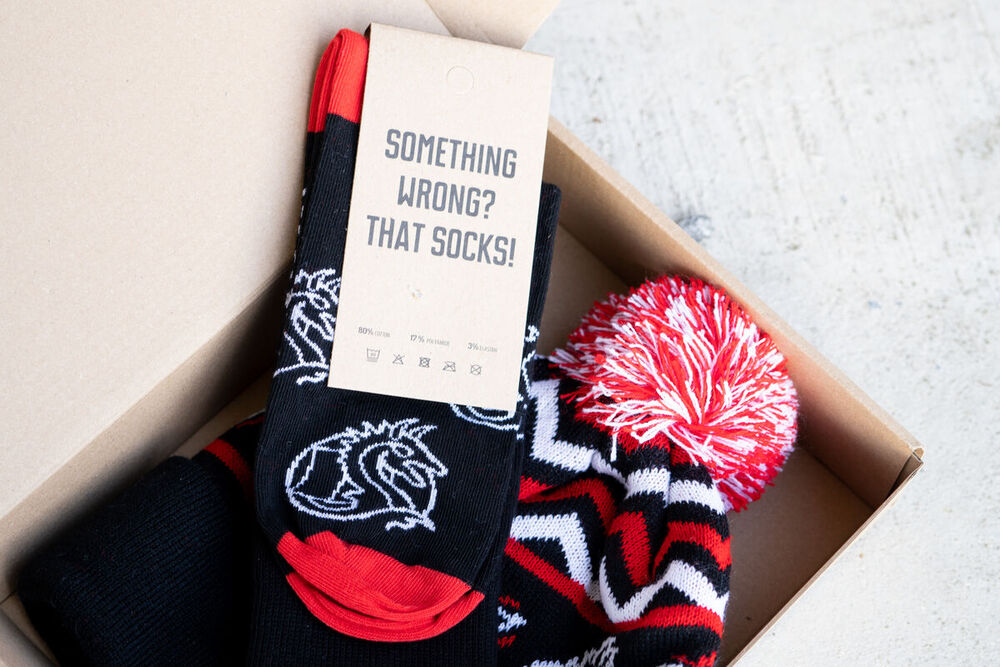
A gift tied to a moment does not need to be large. It needs to arrive at the right time with something human inside it.
Prove one campaign before you scale
Do not launch nine moments at once. Pick the one with the clearest business objective and the cleanest data, run it manually for a quarter, and see what happens. Manual is fine at this stage. The goal is to learn what the gift should be, what the note should say, and how fast it needs to arrive.
Choose the objective before the product. Winning a strategic account, shortening a sales cycle, lifting retention on renewals, reducing early attrition in the first ninety days. The objective decides the budget, and the budget decides the gift, in that order. Working backwards from a catalogue is how companies end up with another branded notebook.
When you are choosing the product itself, the practical constraints are covered in corporate gifts under $50 and in bulk, and the premium end in luxury corporate gifts. If you need one safe option that works across almost every audience, custom socks remain the closest thing to a universal answer, and they scale from a single pair to three premium pairs in a proper box. Browse them on the custom socks page, or try a design in your colours with the free sock mockup generator.
What to automate in a corporate gifting program
Once a campaign works, automate it. Connect the trigger to the system that already knows when the moment happens, so the gift fires without anyone remembering to send it. A CRM stage change closes a deal. An HRIS start date creates an onboarding kit. A renewal date in the sales system triggers a thank you.
On the operations side, everything that is administration should disappear into the platform.
- Storage and inventory. Products sit in a warehouse with live stock levels, not in a cupboard behind someone's desk.
- Picking and packing. Kits get assembled to a fixed spec, so gift number four hundred looks like gift number one.
- Shipping. Courier selection per destination, handled automatically rather than argued about per order.
- Address collection. Recipients enter their own details through a link, which removes the single most tedious task in gifting.
- Customs documentation. Generated per shipment instead of filled in by hand.
- Tracking. Visible per recipient, so nobody has to chase a parcel by email.
This is the part that decides whether a program survives its second year. Manual gifting scales badly. Fifty gifts are manageable. Five hundred across twenty countries are not, and the person who ran it last year will quietly avoid volunteering again.
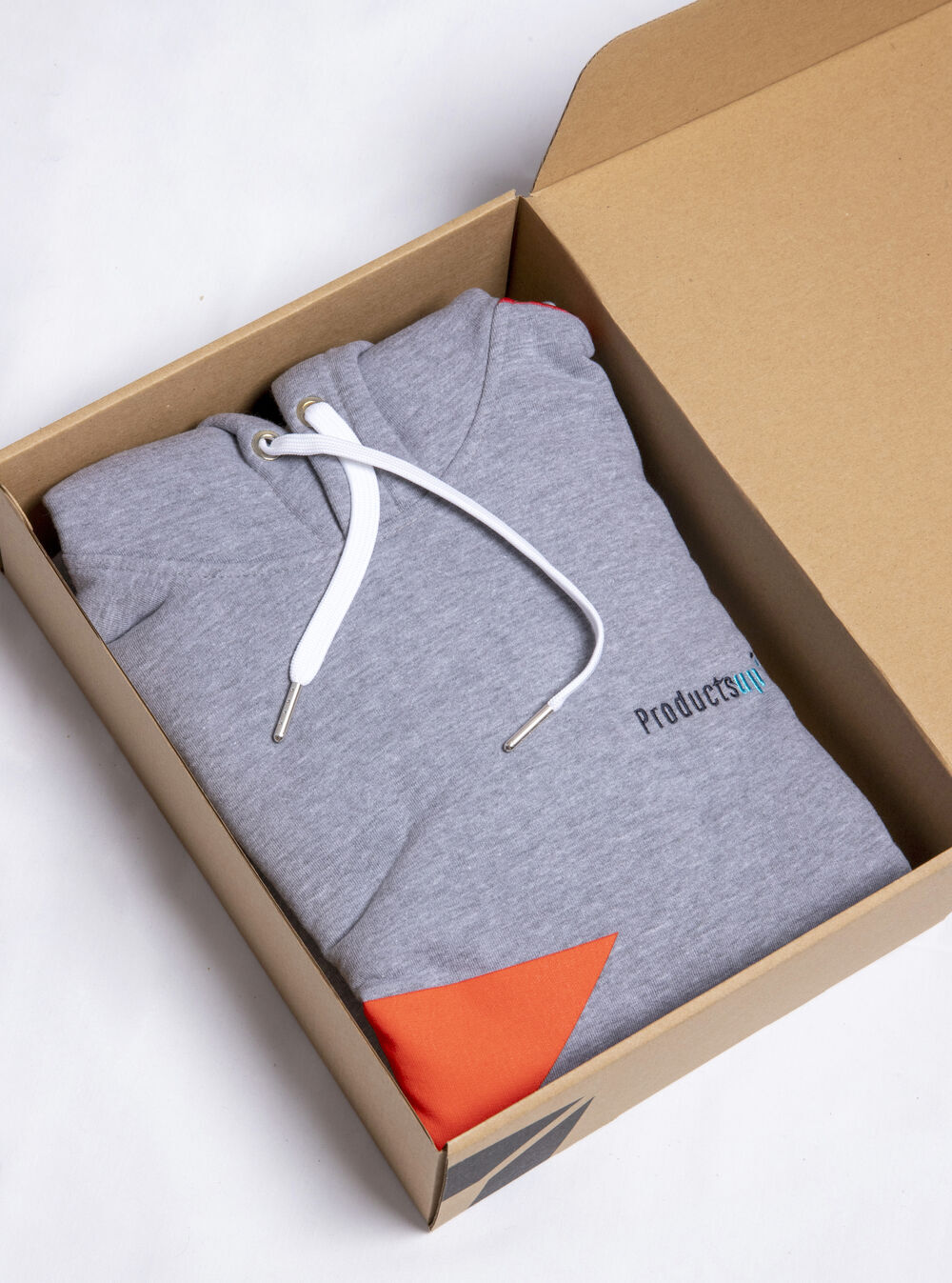
Picking, packing and packaging to a fixed spec is exactly the work a platform should absorb. Consistency is the point.
What stays human
Automation removes administration, not humanity. There are three things you should never hand to a system.
Relationship decisions. Who deserves a gift, at what level, and whether this particular account needs something different is a judgement call. A rule can suggest it. A person should confirm it.
Personal notes. The note is the cheapest and most effective personalisation available, and a generic one is worse than none. For large campaigns, personalise the message rather than every product. The full argument sits in personalized corporate gifts.
Choosing the right moment. Triggers are literal. They will fire on a renewal date that falls three days after a difficult support conversation. Someone needs the authority to hold a send, or to move it forward.
The line is simple enough to remember. If it is logistics, automate it. If it is a relationship, keep a human in it.
Global gifting: where programs break
Domestic gifting is a procurement problem. International gifting is a logistics problem, and it is where most programs quietly fall apart. The failure points are predictable.
- Address collection. You rarely hold home addresses, and asking for them badly costs you half the list.
- Address formats. What is valid in one country breaks a label in another.
- Courier selection. The carrier that is reliable in one market is the one that loses parcels in the next.
- Customs documentation. Wrong or missing paperwork holds shipments for weeks.
- Duties. The single worst outcome in gifting, and the easiest to avoid.
- Tracking and failed deliveries. Without visibility, a failed delivery becomes a gift that simply never arrived.
Sunday handles this side through global logistics with multiple courier integrations, DDP shipping so duties and taxes are settled before delivery, automated customs documentation and central fulfilment, so one campaign can land in twenty countries without twenty separate processes. Sunday ships to 200+ countries for 4,000+ brands, and recipients never pay to receive. How that fits together is explained on how it works.
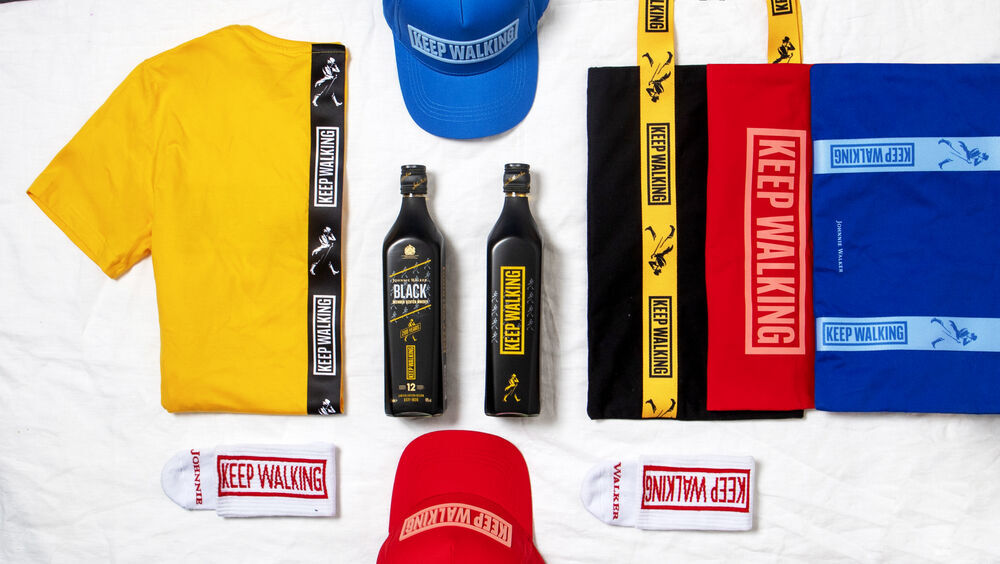
One central catalogue, one stock position, many destinations. That is what makes a global program repeatable rather than heroic.
The real objection is complexity, not price
When companies hesitate about gifting, they rarely hesitate about the money. The objection is operational. Selecting products. Collecting addresses. International shipping. Holding stock. Customs. Fulfilment. Somebody has to own all of it, and that somebody usually already has a full job.
This is worth naming out loud, because it changes what you should evaluate. Comparing suppliers on unit price alone is comparing the smallest variable in the equation. The real cost of a gifting program is the internal time it consumes, and that is the number that decides whether it happens again next year.
If you are at the stage of comparing providers, the honest version of that market is in corporate gifting companies.
A six-step rollout plan
- 1. Write the objective. One sentence, one metric. Not "improve engagement." Something you can check in ninety days.
- 2. Map the moments. Employee journey and customer journey. Pick one to start with.
- 3. Design the gift and the packaging. Spend more on presentation than feels natural. A beautifully packaged modest gift beats a carelessly presented expensive one. Preview the design first with the free backpack mockup generator or the equivalent for your product.
- 4. Run it manually for a quarter. Learn the friction before you encode it.
- 5. Automate the trigger and the logistics. CRM or HRIS on the front end, storage, packing, shipping, customs and tracking on the back end.
- 6. Measure the objective, not the applause. Whether people liked the gift is table stakes. The method is in the corporate gifting FAQ and measurement guide.
Then add the second moment. A program grows one trigger at a time, which is also the only way it stays manageable.
Frequently asked questions
What is a corporate gifting program?
A corporate gifting program is a defined set of gifting moments, each with an owner, a trigger, a budget and a gift, that runs all year instead of once at Christmas. The difference with a campaign is repeatability: a gift goes out because a condition was met, not because someone remembered.
How do you build a corporate gifting program?
Write one objective with a metric you can check in ninety days. Map the moments across the employee and customer journey and pick one. Design the gift and packaging, run it manually for a quarter, then automate the trigger and the logistics. Measure the objective, then add the next moment.
What should you automate in corporate gifting?
Automate the administration: triggers from your CRM or HRIS, storage and inventory, picking and packing, courier selection, address collection through a link, customs documentation and tracking. Keep relationship decisions, personal notes and timing human. If it is logistics, automate it. If it is a relationship, keep a person in it.
How do you send corporate gifts abroad without customs fees for the recipient?
Use delivered duty paid (DDP) shipping, so duties and taxes are settled before delivery and the cost stays with the sender. Sunday ships to 200+ countries for 4,000+ brands, generates customs documentation automatically and handles duties, so recipients never pay to receive their gift.
Which moments are worth gifting besides Christmas?
Strong moments sit across both journeys: onboarding on day one, work anniversaries, contract renewals, referrals and reviews, certifications and training milestones, a first purchase, a closed deal, service recovery and company milestones. You will not run them all. Pick the two or three that carry the most weight for your business.
Where to go next
If your program is aimed inward, the audience-specific guidance is in corporate gifts for employees. If it is aimed at accounts, go to corporate gifts for clients. Thanking customers is its own discipline in customer appreciation gifts, and partners get a slightly more restrained treatment in partner appreciation gifts.
If what you actually need is an always-on internal range that employees order themselves rather than a triggered gift, that is a different mechanism. Start with company swag stores and company swag. Many companies end up running both: a store for everyday kit, a gifting program for the moments that matter.
When you are ready to build it, the catalog shows what is possible and the platform handles custom production, packaging, warehousing, automation and global delivery in one place. Backpacks are worth a look as a programme staple, since they get carried daily for years: see custom backpacks.
About this article
Make gifting repeatable
Trigger gifts from your CRM or HRIS, and let storage, packing, customs and DDP shipping run themselves. Create a free account and design your first campaign.
Build your gifting program