



Definition
Eco-friendly inks are inks designed to reduce environmental impact, primarily by using renewable and sustainable resources such as plant-based oils and water. These inks emit fewer volatile organic compounds (VOCs) and don’t rely on harmful chemicals, making them a more environmentally sound choice than traditional inks.
“Eco-friendly inks minimize environmental harm. They are made from renewable resources and produce lower emissions.”
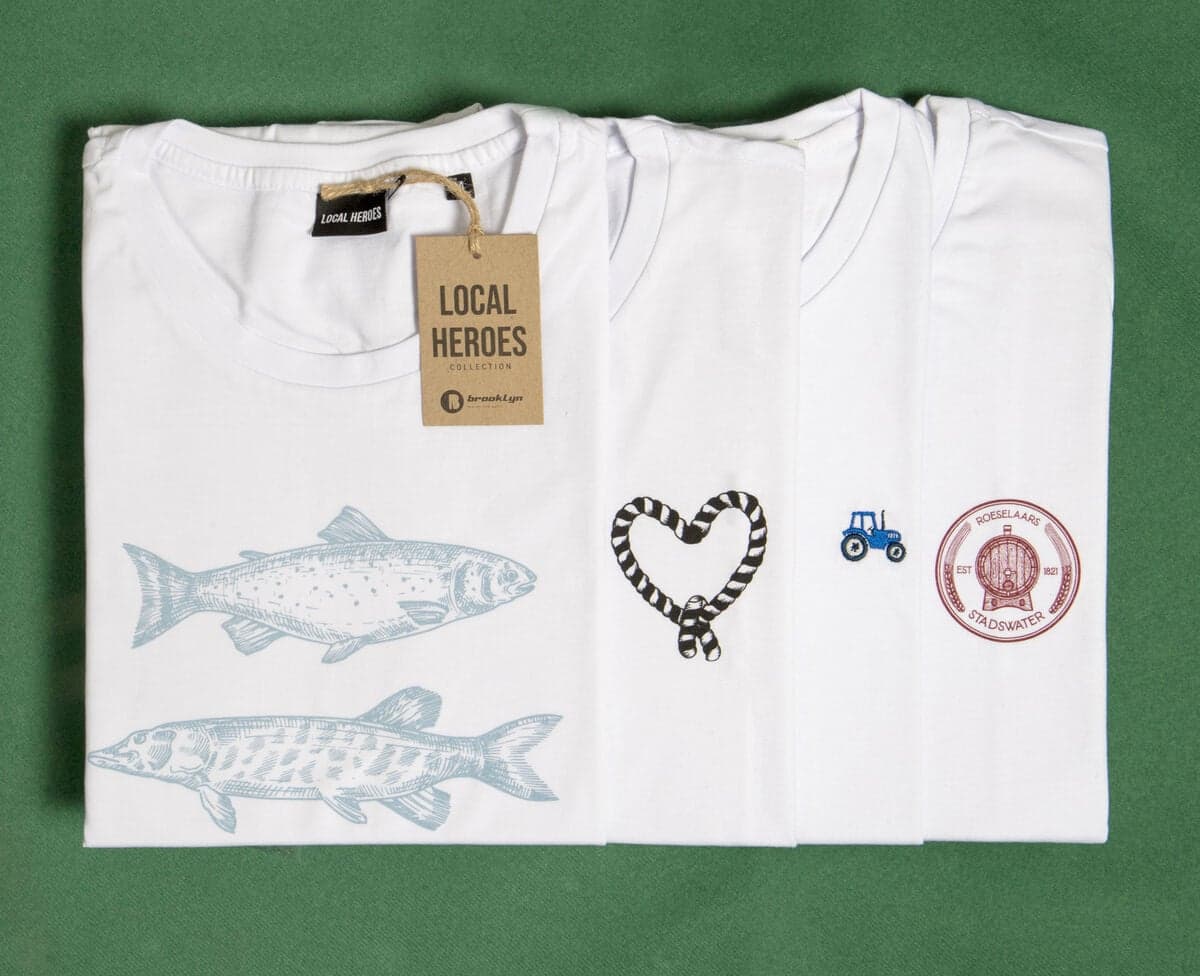
In practical terms, suppose your company prints thousands of t-shirts regularly. By opting for eco-friendly inks, you’re not only choosing a product derived from sustainable sources but reducing VOC emissions during printing. This ensures that your production process is cleaner, healthier for workers, and more aligned with consumer demand for sustainable products.
The Principles of Effective Eco-Friendly Inks
Understanding the principles of eco-friendly inks is essential for any textile production company aiming to embrace sustainability. These inks are formulated with components that prioritize the safety of the environment and human health. Their primary features include being made from renewable sources and minimizing the release of volatile organic compounds (VOCs). They also focus on being biodegradable and free of harmful chemicals, such as heavy metals and harsh solvents.
To ensure that the inks align with eco-friendly principles, they are manufactured under stringent guidelines that assess their environmental impact throughout the entire production lifecycle. This includes sourcing raw materials that are less energy-intensive, employing manufacturing processes that limit waste, and ensuring the final product is safe for end-users and the planet. For example, many eco-friendly inks use bases derived from soy, algae, or other plant-based sources, which are naturally more sustainable than petroleum-based alternatives. Additionally, these inks often carry certifications from renowned environmental organizations, providing assurance that they meet rigorous ecological standards. Adopting these inks in your production not only reduces the carbon footprint but also supports a broader ethical commitment to sustainability.
By incorporating eco-friendly inks into your merchandise and textile production, you’re not just contributing to a healthier planet-you’re aligning your brand with values that resonate with environmentally-conscious consumers.
Opting for eco-friendly inks is a strategic decision that can differentiate your company in a competitive market.
4 examples of powerful Eco-Friendly Inks strategies
Soy-Based Inks
: Derived from soybeans, these inks are a great alternative to petroleum-based inks. They offer rich colors, are easy to recycle, and significantly reduce VOC emissions. Additionally, soy-based inks are more easily removed during the recycling process, allowing for more effective reuse of paper materials.
Water-Based Inks
: Known for their low environmental impact, water-based inks replace harmful solvents with water, making them safer for both the environment and production workers. They dry quickly and produce vibrant prints without compromising on quality. These inks are ideal for maintaining the integrity of natural fibers while ensuring minimal ecological impact.
Algae-Based Inks
: A cutting-edge option, algae-based inks are made from renewable algae. These inks offer a revolutionary approach to sustainability by capturing carbon during their production cycle, thereby actively contributing to reducing greenhouse gases. They are noted for their adaptability and the opportunity to promote circular economy practices.
UV-Curable Inks
: These inks utilize ultraviolet light to dry instantly, minimizing waste and energy consumption. UV-curable inks do not emit VOCs, making them a responsible choice for high-volume printing tasks. They boast excellent durability and adhesion, making them suitable for a wide range of materials.
7 tips to elevate your Eco-Friendly Inks strategy
| Tip | Steps |
|---|---|
| 1. Research Suppliers | Identify eco-friendly ink suppliers with strong eco-certifications. |
| 2. Audit Equipment | Evaluate current printing equipment compatibility. |
| 3. Conduct Trials | Perform test prints using different eco-friendly inks. |
| 4. Training Programs | Enroll staff in courses focused on new ink applications. |
| 5. Monitor Regulations | Stay updated on environmental printing regulations. |
| 6. Customer Feedback | Solicit feedback on eco-friendly product performance. |
| 7. Partnerships | Collaborate with sustainability-focused organizations. |
Frequently Asked Questions
How do eco-friendly inks compare in cost to traditional inks?
While initially more expensive due to the sustainable materials used, they often reduce costs in the long term by minimizing waste and decreasing environmental fees.
Are eco-friendly inks as effective as traditional inks in terms of color quality and durability?
Yes, advancements in technology have ensured that eco-friendly inks can match or even exceed the color vibrancy and durability of conventional inks.
What are the environmental benefits of using eco-friendly inks?
Eco-friendly inks reduce toxic emissions, conserve resources through biodegradability, and support a healthier ecosystem by being less pollutive.
Do eco-friendly inks require special equipment for printing?
In most cases, existing printing equipment is compatible with eco-friendly inks. However, specific formulations may need slight adjustments or specialized settings.
Can eco-friendly inks be used for all types of textile materials?
Absolutely, eco-friendly inks are versatile and can be effectively applied to a wide range of textiles, from cotton to synthetic blends, ensuring consistent performance.
What is the impact of eco-friendly inks on production efficiency?
They often enhance production efficiency by simplifying cleanup processes and reducing regulatory compliance issues related to hazardous material usage.