
Definition
Elastane is a synthetic fiber with exceptional stretch and recovery, blended into fabrics to make them flexible and form-fitting. You may know it as spandex or by the brand name Lycra. Even a small percentage transforms how a garment moves and fits.
Definition
Elastane is a polyurethane-based fiber that can stretch many times its original length and return to shape without sagging. It is almost never used alone. Instead it is blended in small amounts, often 2 to 10 percent, with cotton, polyester, or nylon. A cotton tee with 5 percent elastane, for example, keeps cotton's soft feel while gaining stretch that holds its shape through repeated wear.
How elastane works
The fiber is made of long, coiled molecular chains that act like tiny springs. When you pull the fabric, the coils straighten and the material stretches. When you release, they recoil and the fabric returns to its original size. This is why elastane resists the bagging at knees and elbows that plain fabrics develop over time.
Adding elastane changes both fit and comfort. It allows a closer, more flattering cut without restricting movement, which is key for activewear, fitted shirts, and stretch trousers. It also improves shape retention, so garments look fresh longer. The percentage matters: a little adds gentle give, while more creates the compression feel of leggings and sportswear.
The trade-offs are care and longevity. Elastane is sensitive to high heat, chlorine, and harsh detergents, all of which break down its elasticity over time. It is also a synthetic, so it does not biodegrade. For merch, the goal is to use enough elastane to improve fit and comfort without overbuilding a garment that needs careful washing.
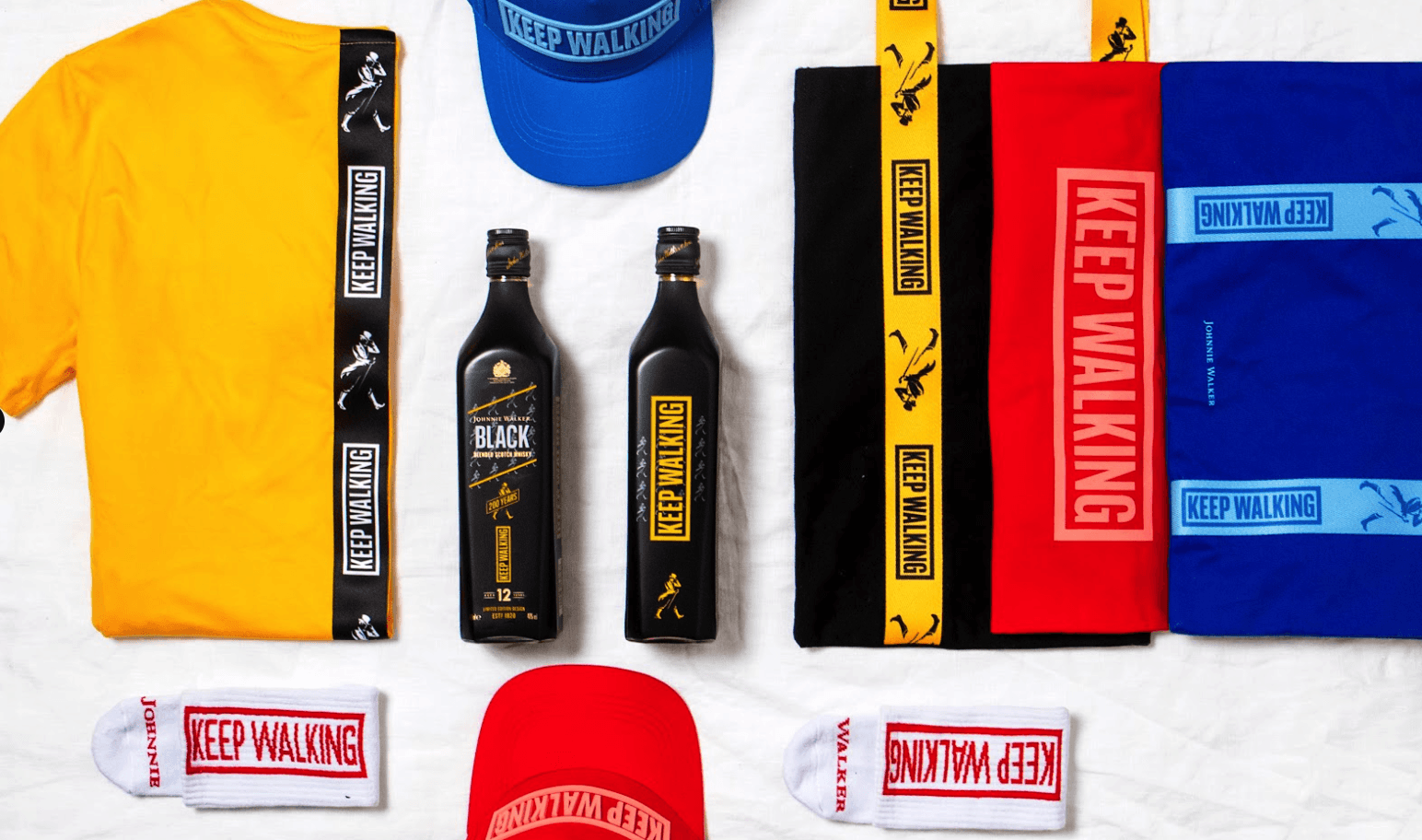
Elastane in branded merch
- Activewear and athleisure. Branded leggings, performance tees, and training tops rely on elastane for the stretch and recovery that keep them comfortable in motion.
- Fitted polos and uniforms. A touch of elastane gives staff uniforms a sharper, modern fit that moves with the wearer through a full shift.
- Caps and accessories. Stretch fabric bands and fitted caps use elastane to suit a wider range of sizes from a single product.
Elastane is a highly elastic synthetic fiber, also called spandex or Lycra, that lets fabric stretch and snap back to shape.
5 tips to elevate your Elastane strategy
| Tip | Steps |
|---|---|
| Keep the percentage right | Use 3 to 8 percent for everyday fit, higher only for performance compression. |
| Wash cool | Recommend cold or warm washes, never hot, to protect the stretch. |
| Skip the dryer | High heat damages elastane, so air drying extends garment life. |
| Test the print | Stretch fabric needs flexible inks or transfers that move without cracking. |
| Avoid chlorine | Warn against bleach and pool chemicals that degrade the fiber fast. |
Key Terminologies
Frequently Asked Questions
Is elastane the same as spandex and Lycra?
Yes. Elastane, spandex, and Lycra all refer to the same type of stretchy synthetic fiber. Elastane is common in Europe, spandex in North America, and Lycra is a brand name.
How much elastane is in most clothing?
Usually a small amount, often between 2 and 10 percent. That is enough to add noticeable stretch and shape retention without making the garment overly tight.
Does elastane shrink?
The fiber itself resists shrinking, but high heat in washing or drying can damage its elasticity. Use cool washes and air drying to keep the stretch.
Is elastane breathable?
On its own elastane is not very breathable, which is why it is blended with breathable fibers like cotton or performance polyester rather than used alone.
Why does stretchy clothing lose its shape over time?
Heat, chlorine, and harsh detergents break down elastane fibers, which reduces their snap-back. Gentle, cool care keeps stretch garments performing longer.