Definition
Brand awareness merch is merchandise selected and designed with one job: to be carried, worn and seen in public so more people recognize the brand. It is measured in impressions and recall, not in units shipped. The item matters less than how often it leaves the house.
Definition
Awareness merch works like paid media you buy once. You pay for the item, then the recipient carries it for months or years, giving the brand repeated exposure at no extra cost per view. Visibility becomes the selection criterion. A product used in public, used often and built to last beats a pricier product that lives in a drawer.
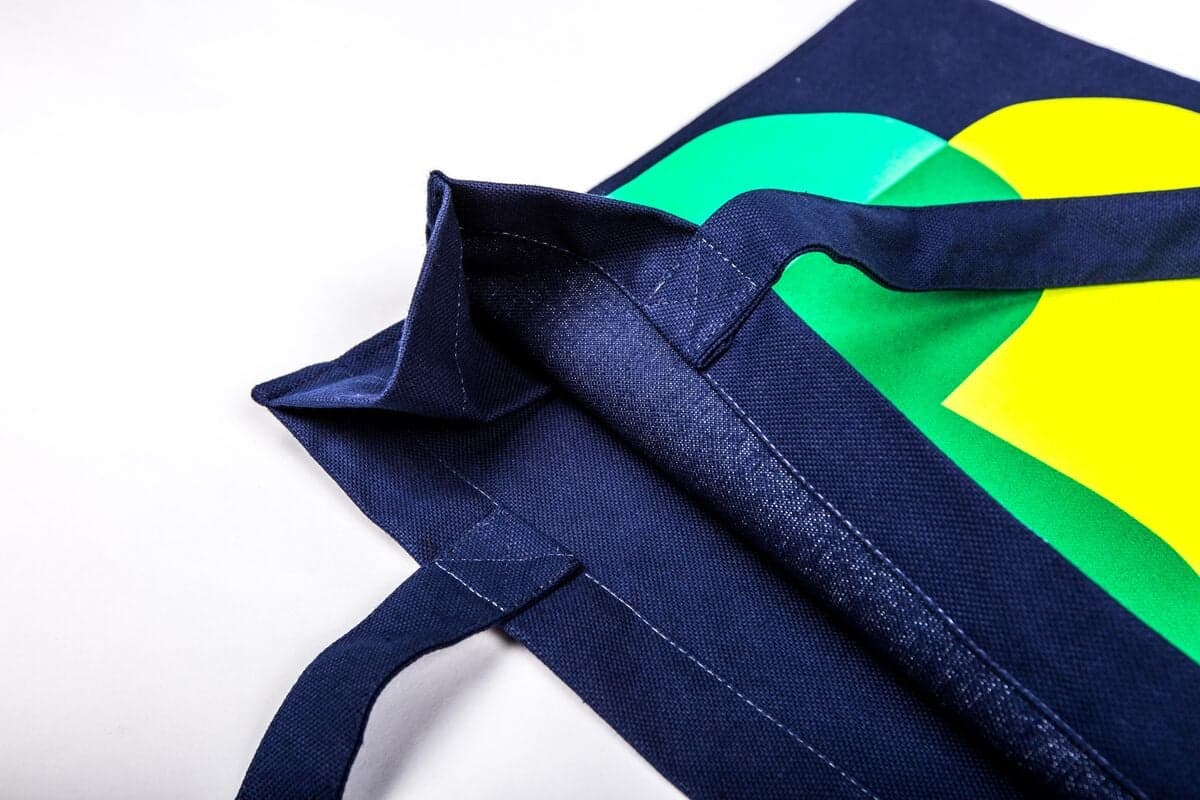
A worked example. A fintech compares two options at the same budget: 1,000 stress balls at 2 euro each, or 250 heavyweight tote bags at 8 euro each. The stress balls sit on desks or get binned. The totes go to supermarkets, gyms and commutes twice a week for two years, roughly 200 outings each, seen by dozens of strangers every time. Same spend, wildly different exposure. The totes are awareness merch. The stress balls are just spend.
Why brand awareness merch matters
Most merch budgets are judged on cost per unit. Awareness merch should be judged on cost per impression. Divide the unit cost by the number of times the item is realistically seen, and cheap items usually turn out to be the expensive ones. A 30 euro hoodie worn once a week for three years costs a fraction of a cent per view. A 3 euro pen seen twice costs more per view than a billboard.
That reframing changes what you buy. Awareness merch skews toward everyday carry: bags, bottles, caps, outerwear, laptop sleeves. It avoids desk clutter and single-use novelties. It also changes how you brand. A subtle mark on a good product gets worn in public. A giant chest logo on a cheap blank gets worn to paint the garage, and a garage is not an audience.
The trade-off is worth naming. This merch asks people to advertise for you voluntarily, so the product has to be good enough that they want to. That raises unit cost and shrinks quantity. Reach comes from wear rate, not headcount. Volume is the vanity number here. Repetition is the real one.
Brand awareness merch in branded merch
- Public-surface items for events. Totes, caps and bottles handed out at a booth travel the venue all day and keep working long after. Choose what attendees will actually carry instead of one more promotional product left in the hotel room.
- Employee kit worn outside the office. Your team is the most credible billboard you have. Outerwear, gym bags and good hoodies travel to commutes, school gates and weekends, into contexts advertising cannot buy.
- Customer and community drops. A short run of well-designed pieces sold through a merch store turns fans into carriers. When people pay for the item, the design has proven it earns its own exposure.
Brand awareness merch is merchandise chosen primarily for public visibility, where success is measured by how many times the brand is seen over the life of the item.
5 tips to elevate your Brand awareness merch strategy
| Tip | Steps |
|---|---|
| Score items by cost per impression | Estimate views per year and lifespan before comparing unit prices. |
| Pick items that leave the building | Prioritize bags, bottles, caps and outerwear over desk objects. |
| Shrink the logo, raise the quality | Restrained branding on a good product gets worn far more than a loud print on a cheap one. |
| Brand the visible surface | Check logo placement against how the item is held or worn, not how it looks flat. |
| Track it, do not guess | Ask recipients six months later how often they still use it. Retire what loses. |
Key Terminologies
Frequently Asked Questions
What makes merch good for brand awareness?
Public use, frequent use and a long life. Items that leave the home or office, get used weekly and last for years produce the most impressions per euro, which is why bags, bottles, caps and outerwear beat desk items.
How do you measure brand awareness merch?
Estimate impressions, not units. Multiply expected uses per year by the people who see the item during each use, then divide the unit cost by that total to get a cost per impression you can compare against other channels.
Is a bigger logo better for awareness?
No. Oversized branding lowers the chance someone wears the item in public, and an unworn item generates zero impressions. A small, well-placed mark on a product people like gets seen far more often.
Should awareness merch be cheap so you can give away more?
Rarely. Cheap items get discarded or stored, so the extra quantity never converts into views. Fewer, better items with high wear rates produce more total impressions at the same budget.
What is the difference between awareness merch and gifting merch?
Awareness merch is optimized for how often strangers see the brand. Gifting merch is optimized for how the recipient feels about it. The same product can do both, but the selection criteria differ.