Definition
Ethical sourcing is the practice of buying products from suppliers whose labour conditions, wages, safety standards and environmental behaviour have been checked and are held to a written standard. It is a process, not a certificate. The word covers everything from a signed code of conduct to unannounced factory audits and the corrective actions that follow them.
Definition
Ethical sourcing sits on three legs. First, a standard: a supplier code of conduct that states what you require on wages, hours, freedom of association, health and safety, forced labour and child labour. Second, verification: audits, certifications and worker interviews that test whether the factory actually meets it. Third, consequence: a corrective action plan with deadlines, and a willingness to walk away if nothing moves. Remove any one leg and it becomes a claim rather than a practice.
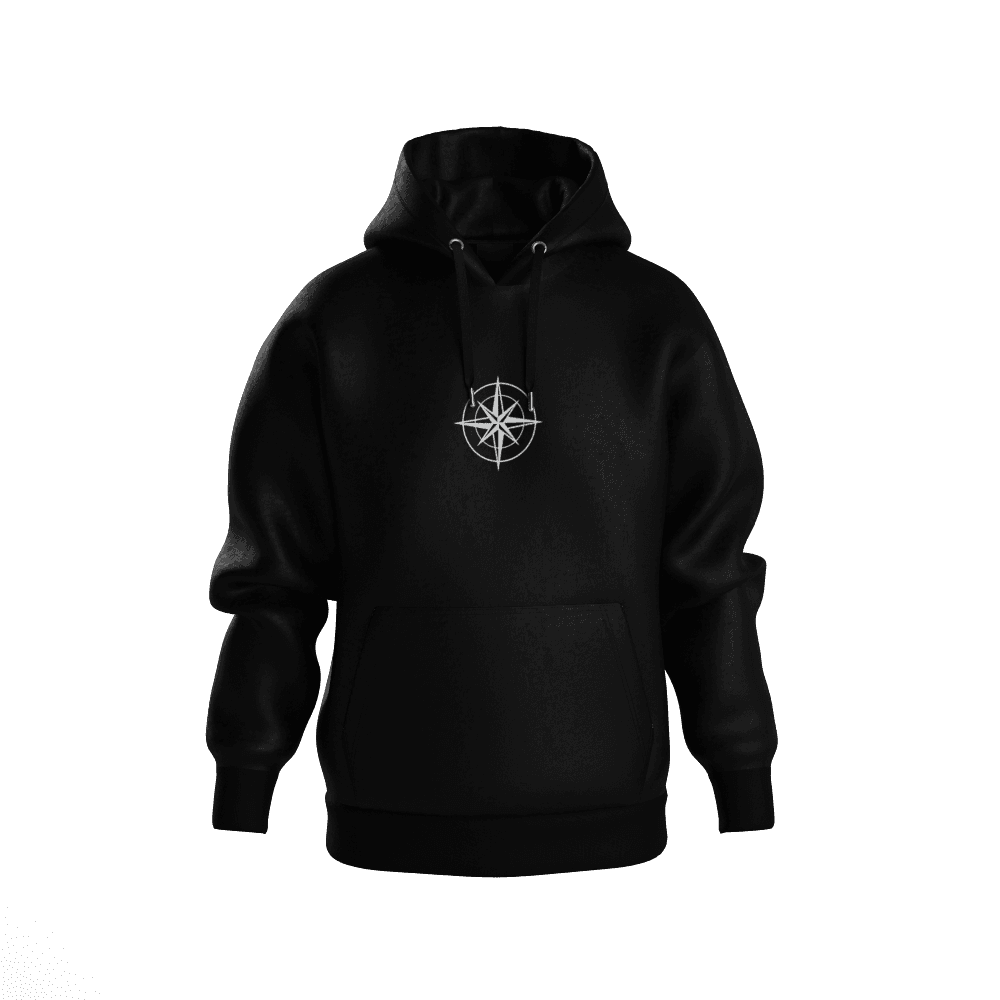
A practical example. A company orders 4,000 hoodies. The garment factory in Portugal is the tier 1 site, and it holds an amfori BSCI audit with a C rating, meaning findings on overtime records. The knitter and dyehouse in Turkey are tier 2, and they hold OEKO-TEX certification covering chemical safety. The cotton comes from an unnamed spinner in tier 3, so the buyer asks for GOTS certified yarn to get visibility that far back. Ethical sourcing here is the sum of those checks plus the follow-up on the overtime finding, not any single logo on the hangtag.
How ethical sourcing works
It starts with supply chain mapping. Most merch buyers know their tier 1 factory and nothing else. Tier 2 covers the mills, dyehouses and printers. Tier 3 covers fibre and raw material. Risk concentrates in the tiers you cannot see, so the first job is asking for names and addresses, not promises. A supplier who cannot tell you where their fabric was dyed cannot tell you much about how it was dyed either.
Verification usually runs through a recognised scheme. amfori BSCI and SMETA, run through Sedex, are audit protocols that produce a report and a findings list. SA8000 and WRAP are certifications with a pass or fail. Fair Wear Foundation works at brand level and grades a member's own purchasing behaviour, which is unusual and useful. None of these prove a factory is clean. They give you a dated snapshot, a set of findings and a paper trail. Semi-announced and unannounced audits are worth more than announced ones for obvious reasons.
Then there are the trade-offs. Audits are a moment in time and factories prepare for them. Audit fatigue is real, and a heavily audited factory can be a well-rehearsed one. The deeper problem is that buying behaviour drives conditions: last-minute order changes, unrealistic lead times and price pressure push factories into unpaid overtime. Ethical sourcing that never touches your own purchasing practice is theatre. This is also becoming law rather than preference. The German Supply Chain Act, the EU Corporate Sustainability Due Diligence Directive and the EU forced labour import ban all move the obligation from voluntary reporting to legal duty of care.
Ethical sourcing in branded merch
- Tender and RFP responses. Procurement teams in the public sector, finance and healthcare now score supplier social criteria as a line item. Named factories, current audit reports and a code of conduct with a signature on it turn a soft claim into a scoreable answer.
- Employee-facing merch. Onboarding kits and internal apparel get worn by the people most likely to ask where they came from. A weak answer here does more damage internally than any external campaign repairs.
- CSRD and due diligence reporting. Merch spend is small, but it sits inside the same reporting perimeter as everything else. Buyers who can produce factory lists and audit dates make the reporting cycle survivable. Buyers who cannot spend the last week of the quarter chasing a reseller for a PDF.
Ethical sourcing is buying from suppliers whose working conditions and business practices are documented, audited against a defined standard, and improved when they fall short.
5 tips to elevate your Ethical sourcing strategy
| Tip | Steps |
|---|---|
| Ask for the factory, not the trader | Request the name and address of the production site. A supplier who will not name it is either protecting a margin or hiding a risk. |
| Read the findings, not the grade | An audit rating tells you little. The findings list tells you what was wrong and whether anyone fixed it. Ask for the corrective action plan. |
| Check the audit date | Reports older than two years are decoration. Certification and audit cycles run 12 to 24 months, so ask for the current one. |
| Fix your own lead times | Rush orders create forced overtime. Placing merch orders four to six weeks earlier does more for conditions than another audit. |
| Match the standard to the risk | Chemical risk sits in dyeing, so use OEKO-TEX or GOTS. Labour risk sits in cut and sew, so use BSCI, SMETA or SA8000. |
Key Terminologies
Frequently Asked Questions
Is ethical sourcing the same as sustainable sourcing?
No. Ethical sourcing is mostly about people: wages, hours, safety and forced labour. Sustainable sourcing is mostly about the planet: emissions, water, chemicals and waste. Serious programmes cover both, but the standards and audits behind them are different.
Does ethical sourcing make merch more expensive?
Usually a little, and less than people expect. Audit and certification costs spread across a production run are small. The bigger cost is time, because verified supply chains have fewer suppliers and less spare capacity, so you order earlier.
What certifications prove ethical sourcing?
None on their own. amfori BSCI, SMETA, SA8000 and WRAP each verify part of the picture at one site on one date. Ethical sourcing is the programme around them, including the corrective actions and your own purchasing behaviour.
How do I check a supplier's ethical sourcing claims?
Ask three questions. Where is the factory, what is the date of the most recent audit, and what happened to the findings. If any of the three cannot be answered in writing, the claim is not verified.
Is ethical sourcing a legal requirement?
Increasingly yes in Europe. The German Supply Chain Act already binds large companies, the EU Corporate Sustainability Due Diligence Directive extends similar duties, and the EU ban on products made with forced labour applies regardless of company size.