

Definition
GOTS certified means a textile has been audited against the Global Organic Textile Standard, which covers organic fiber content, the chemicals used in processing, and the working conditions of the people who made it. It is the strictest widely used standard for organic textiles, and it applies to the whole chain: ginning, spinning, knitting, dyeing, cutting, sewing, and labeling. A GOTS label on a hoodie is a statement about every factory that touched it, not only about the cotton field.
Definition
The Global Organic Textile Standard launched in 2006 and is managed by a non-profit based in Germany. To carry the label, a product needs certified organic fiber and a certified processor at every stage after the farm. Take a company ordering 2,000 organic cotton tees. The blank carries a GOTS licence number on the neck label. That number traces back to the manufacturer's scope certificate, and the shipment should be backed by a transaction certificate tying those specific 2,000 units to certified organic cotton. Without both documents, the claim is a marketing line, not a certification.
How GOTS certified works
There are two label grades. "Organic" requires at least 95 percent certified organic fiber. "Made with organic" requires at least 70 percent, with the remaining 30 percent drawn from an approved list that excludes conventional cotton and, in most cases, virgin synthetics. Anything below 70 percent cannot use the GOTS label at all, which is why a 50 percent organic blend is never GOTS certified.
Fiber content is only half of it. GOTS runs a positive list of permitted chemical inputs, so dyes, auxiliaries, and inks must pass toxicity and biodegradability screening. Heavy metals, formaldehyde, chlorine bleach, and PVC are out. Wastewater from wet processing has to be treated. On top of that, every certified facility must meet social criteria based on the core ILO conventions, covering living wages, working hours, freedom of association, and no child or forced labor.
Certification is issued by independent bodies such as Control Union or Ecocert, which audit each site at least once a year and can run unannounced inspections. Certification belongs to the company, not to the product on its own. That is the detail most merch buyers miss. A decorator that is not GOTS certified can print on a GOTS certified blank and break the chain, and the finished garment can no longer be sold or described as GOTS certified.
GOTS certified in branded merch
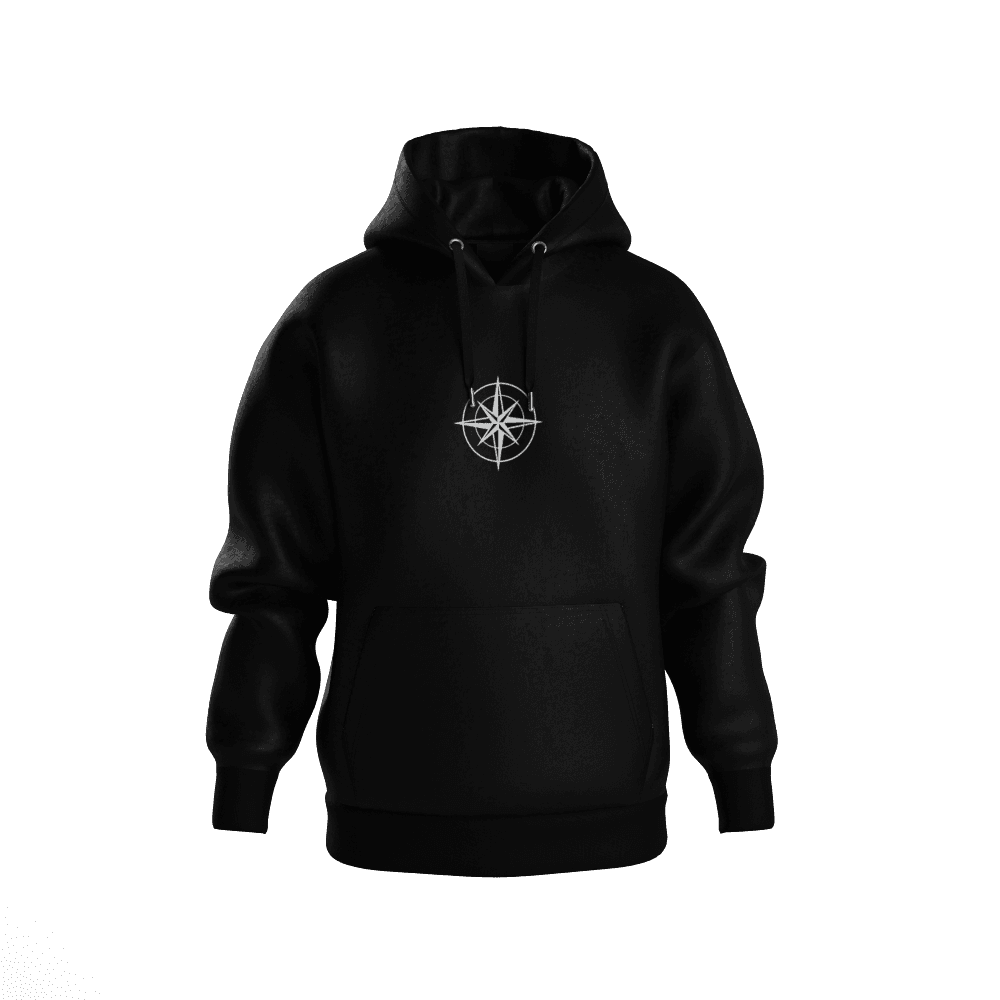
- Organic cotton apparel programs: Tees, hoodies, and sweats are where GOTS shows up most. If organic cotton is central to your sustainability story, GOTS is the claim that survives scrutiny, because it is backed by audits rather than a supplier's word.
- Public tenders and RFPs: Government bodies, universities, and NGOs increasingly write GOTS into procurement criteria. Having certified stock and the paperwork to prove it can be the difference between qualifying for a bid and being screened out.
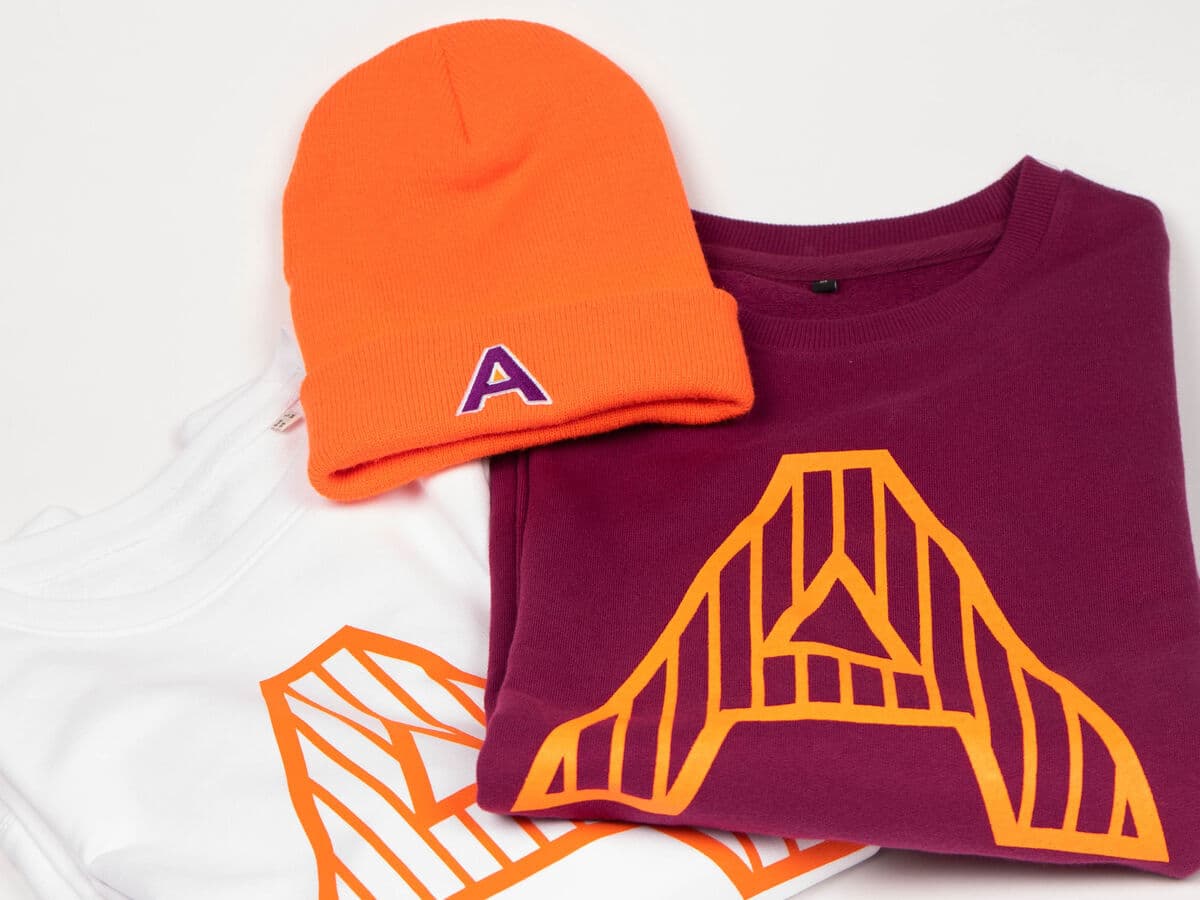
- Print and decoration choices: Standard plastisol inks contain PVC and are not GOTS approved. Programs that want to keep the certified claim intact need a certified printer using water-based, GOTS-approved inks, which also changes hand feel and curing.
GOTS certified means a textile has been independently verified against the Global Organic Textile Standard for organic fiber content, restricted chemistry, and fair labor conditions across the full supply chain.
5 tips to elevate your GOTS certified strategy
| Tip | Steps |
|---|---|
| Ask for the licence number | Every certified operator has a GOTS licence number. Check it in the public GOTS database before you commit. |
| Request transaction certificates | A scope certificate proves the factory is certified. A transaction certificate proves your specific order was. |
| Check the label grade | Confirm whether the product is "organic" at 95 percent or "made with organic" at 70 percent, since the claim you can make differs. |
| Keep the chain intact | Use a GOTS certified decorator with approved inks, or you lose the right to call the finished item GOTS certified. |
| Write it into the brief | State GOTS as a requirement at the sourcing stage. Retrofitting certification onto an existing order is not possible. |
Key Terminologies
Frequently Asked Questions
What percentage of organic fiber does GOTS require?
The "organic" grade requires at least 95 percent certified organic fiber. The "made with organic" grade requires at least 70 percent. Below 70 percent, the GOTS label cannot be used.
Does GOTS cover working conditions or only materials?
Both. GOTS includes social criteria based on the core ILO conventions, covering wages, hours, freedom of association, and a ban on child and forced labor, audited at every certified facility.
Can a printed T-shirt still be GOTS certified?
Only if the printer is also GOTS certified and uses approved inks. Printing a GOTS blank with standard plastisol at a non-certified shop breaks the chain, and the finished garment can no longer carry the claim.
How do I check if a supplier is really GOTS certified?
Ask for their licence number and scope certificate, then search the public GOTS database at global-standard.org. For a specific order, request a transaction certificate covering those units.
Is GOTS certified the same as OEKO-TEX?
No. OEKO-TEX tests the finished textile for harmful substances and says nothing about organic content or labor. GOTS requires organic fiber, restricted chemistry, and social compliance through the whole chain.