Definition
The polyester vs nylon question comes down to a trade-off: polyester holds color and shape well and costs less, while nylon is stronger, stretchier, and more abrasion resistant. Both are synthetic fabrics made from petroleum-based polymers, but they behave differently once you print, wash, and wear them. For branded merch, the right pick depends on the product and how it gets used.
Definition
Polyester is a synthetic fiber made from polyethylene terephthalate, prized for color retention, wrinkle resistance, and low cost. Nylon is a synthetic polyamide fiber known for high tensile strength, elasticity, and abrasion resistance. A practical example: a branded performance t-shirt is almost always polyester because it prints sharply and resists fading, while a branded packable backpack is often nylon because it survives being stuffed, dropped, and dragged for years.
How polyester and nylon differ
Strength and stretch separate the two fastest. Nylon has higher tensile strength and more natural elasticity, so it resists tearing and springs back into shape. That makes it the go-to for straps, technical outerwear, and bags. Polyester is strong enough for most apparel but less elastic, which actually helps it hold a printed logo flat and crisp over time.
Color and printing favor polyester. It accepts dye-sublimation printing exceptionally well, locking color into the fiber so it never cracks or peels. Nylon is harder to dye consistently and can shift tone, so full-color graphics on nylon take more care. Polyester also resists UV fading better, which matters for merch that lives outdoors.
Moisture and cost round out the picture. Nylon absorbs more water and dries slower, while polyester wicks moisture and dries fast, the reason most activewear is polyester. On price, polyester is consistently cheaper per unit, so high-volume apparel runs lean toward it. Nylon costs more but earns it on products where durability is the whole point. See also moisture-wicking and dye sublimation.
Polyester vs nylon in branded merch
- Performance apparel: Choose polyester for branded sports shirts, training tops, and team kits. It wicks sweat, dries fast, and takes vibrant sublimated logos that last wash after wash.
- Bags and gear: Choose nylon for branded backpacks, duffels, and laptop sleeves. Its abrasion resistance and strength keep the product looking sharp through daily commutes and travel.
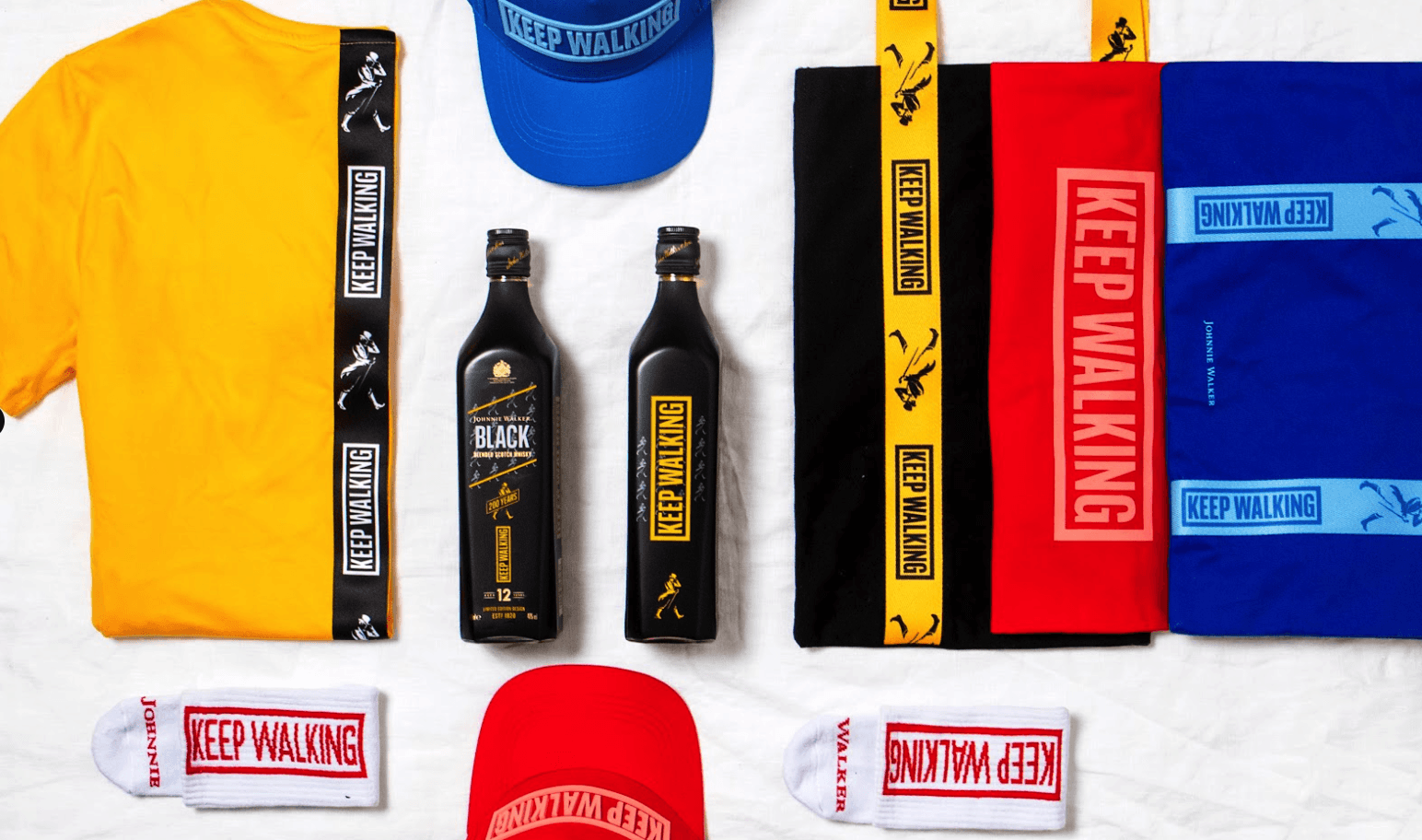
- Outdoor and promotional items: Polyester suits flags, banners, and tote bags that need color stability under sun. Nylon suits windbreakers and packable jackets that need to flex and survive being crammed into a pocket.
Polyester is the cheaper, color-stable workhorse for printed apparel and bags, while nylon is the tougher, more flexible choice for gear that takes physical abuse.
5 tips to elevate your Polyester vs nylon strategy
| Tip | Steps |
|---|---|
| Match fabric to use | Pick polyester for printed apparel, nylon for high-stress gear like bags and straps. |
| Test print methods | Use dye sublimation on polyester for full-color durability; ask about specialty inks for nylon. |
| Check the denier | On nylon products, a higher denier means tougher fabric for heavy-use items. |
| Plan for color | Confirm color matching on nylon early, since it dyes less predictably than polyester. |
| Mind the budget | Default to polyester for large apparel runs where cost per unit drives the order. |
Key Terminologies
Frequently Asked Questions
Is nylon stronger than polyester?
Yes. Nylon has higher tensile strength and abrasion resistance, so it tolerates physical stress better. That is why nylon dominates bags and straps while polyester leads in printed apparel.
Which is better for printed logos, polyester or nylon?
Polyester is better for printed logos. It accepts dye sublimation and holds color without cracking or fading, while nylon dyes less predictably and needs more care for full-color graphics.
Does polyester or nylon dry faster?
Polyester dries faster. It absorbs very little water and wicks moisture away, which is why activewear is mostly polyester. Nylon holds more water and dries slower.
Is polyester cheaper than nylon?
Yes, polyester is usually cheaper per unit. For high-volume merch like t-shirts and tote bags, polyester keeps costs down without sacrificing print quality.
Can polyester and nylon be blended?
Yes. Blends combine polyester color stability with nylon strength and stretch. Many performance garments use a polyester-nylon mix to balance durability, feel, and printability.