Definition
A reorder is a repeat order of an item you have produced before, placed to refill stock that has been used, shipped or given away. In branded merch it means running the same product, the same print method and the same artwork again, usually at a different quantity. The second run should be faster and cheaper than the first, because the setup work is already done.
Definition
A reorder replaces units that have left your inventory. Nothing about the product changes. The base garment, the colour, the size curve, the decoration method and the print file all stay the same, so the only variables are quantity and delivery date. That is what separates a reorder from a new development, which needs sampling, colour matching and approval all over again.
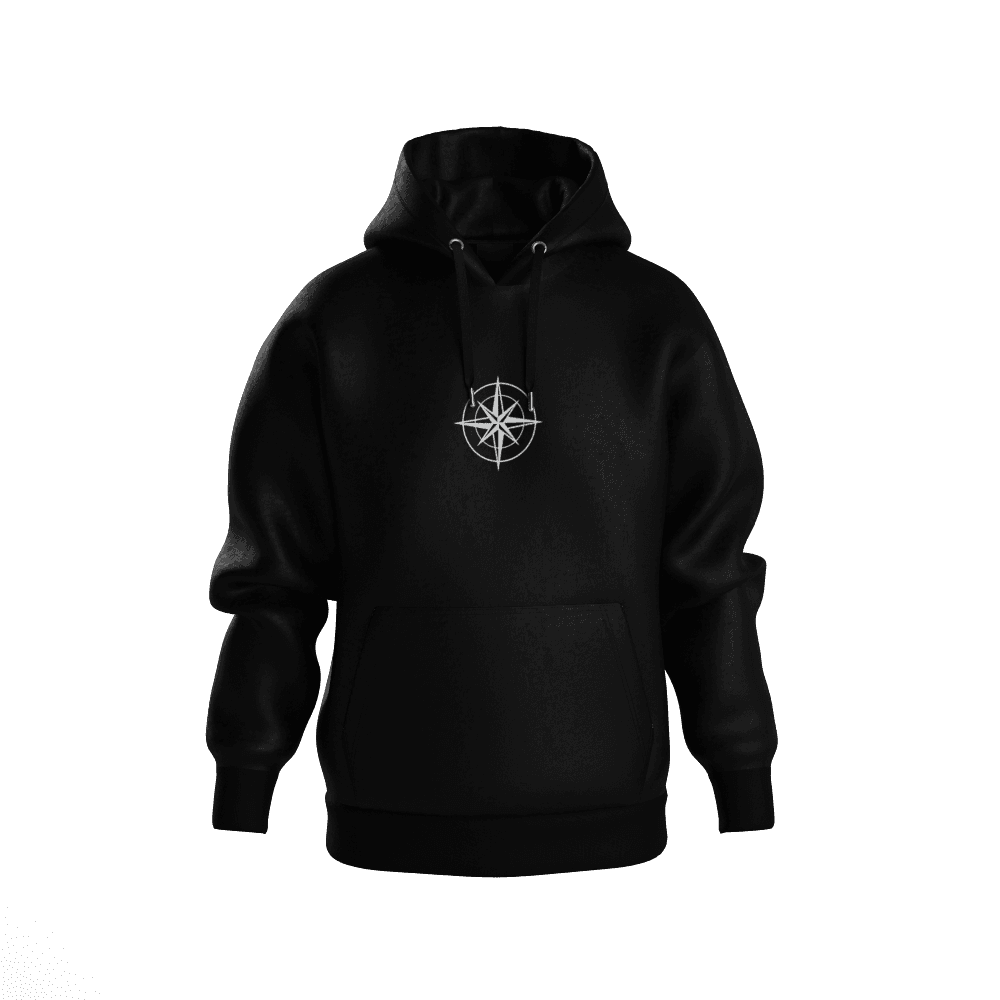
Example: a company sends a welcome box to every new hire. The box holds a navy hoodie with an embroidered chest logo. Fifty boxes were built in January. By April, sixteen hoodies are left. HR triggers a reorder for 100 hoodies against the saved embroidery file, and stock is back up before the next intake week.
How a reorder works
A reorder starts from an existing production record. That record holds the base product code, the size split, the decoration technique, the placement, the ink or thread colours and the approved digital proof. Because all of it is stored, no new pre-press or sampling step is needed. Production can go straight to the machine, which is why reorder lead time is often shorter than a first run.
Cost behaves differently on a second run. First orders carry one-off charges: screen setup, embroidery digitising, print file preparation, sometimes a physical sample. On a reorder those charges usually disappear or drop sharply, so the unit price falls even at the same quantity. What does not disappear is the minimum order quantity, because the factory still needs to fill a machine run to make the job viable.
The main risk is drift. Stock of a specific base garment can be discontinued, a colour can be dropped from a mill's range, and dye lots vary batch to batch. A hoodie reordered nine months later can sit a shade off the original. Good practice is to reorder in bigger, less frequent batches, keep a reference sample from the first run, and check availability of the base product before you promise the stock internally.
Reorders in branded merch
- Onboarding kits that never run dry. New-hire packs are consumed at a steady, predictable rate. Set a reorder point per SKU, so the pack is restocked automatically instead of after someone notices the shelf is empty.
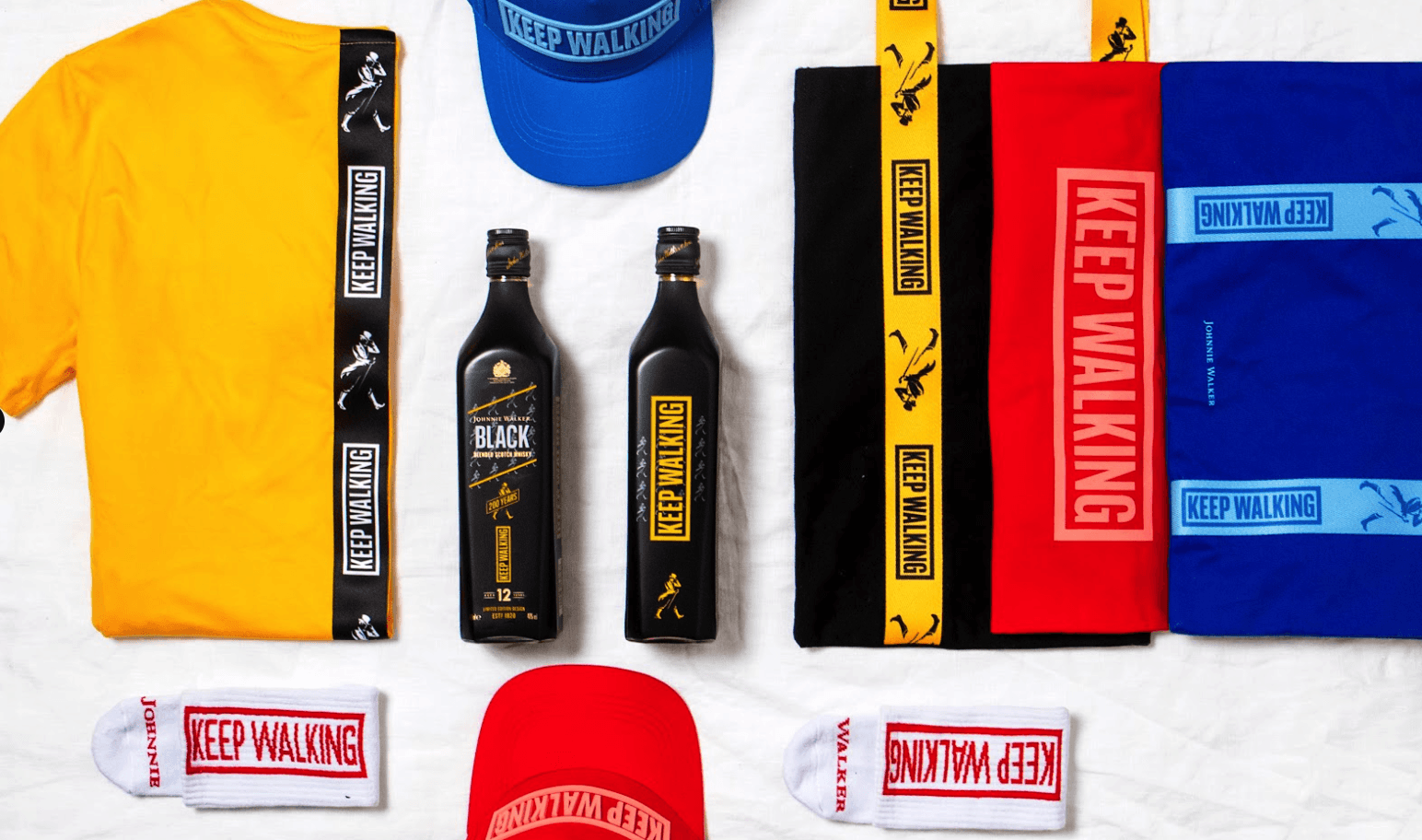
- Event and trade show stock. Tote bags, caps and pens vanish fast at a busy stand. Reordering the same SKUs between events keeps the booth visually consistent and avoids last-minute rush production at a premium.
- Retail and internal merch shops. When a hoodie sells out in size L only, a reorder covers that single size rather than the full curve, which keeps capital out of sizes nobody buys.
A reorder is a repeat production run of an existing product and artwork, placed to replenish stock before it runs out.
5 tips to elevate your Reorder strategy
| Tip | Steps |
|---|---|
| Reorder before you hit zero | Trigger the order when stock covers only the lead time plus a small buffer, not when the shelf is empty. |
| Keep the artwork file locked | Store the approved proof and thread or ink codes with the product record so run two matches run one. |
| Check the base product first | Ask whether the blank is still in the supplier range and in stock before you commit the reorder internally. |
| Reorder in fewer, larger batches | Larger runs mean better unit pricing, fewer dye lot differences and less admin per unit. |
| Keep a sealed reference sample | A physical control piece from the first run settles any colour or placement dispute in minutes. |
Key Terminologies
Frequently Asked Questions
How is a reorder different from a new order?
A reorder repeats an existing product with the same artwork, so no sampling or setup is needed. A new order introduces a new item, decoration or design, which requires proofing and approval before production starts.
Is a reorder cheaper than the first order?
Usually yes. One-off setup costs like screen preparation or embroidery digitising are already paid, so the unit price at the same quantity tends to be lower on the second run.
How long does a reorder take?
It depends on the product and decoration method, but reorders are typically faster than first runs because artwork is approved and production data is stored. Printed items often ship within a few weeks, and stocked items can go out sooner.
Will the colour match my first order exactly?
Not always. Dye lots vary between production batches, so garments can land a shade off. Keeping a reference sample and ordering larger, less frequent batches reduces the visible difference.
When should I place a reorder?
Place it when your remaining stock covers only the lead time plus a safety buffer. Waiting until you are close to zero means running out during production.