Definition
The sampling process is the sequence of steps that turns an approved design into a physical, signed-off product before bulk production is released. It runs from the brief through digital mockups, a pre-production sample, colour checks and revision rounds, ending with one sealed reference everyone agrees on. It exists to catch mistakes while they still cost 40 euros to fix instead of 4,000.
Definition
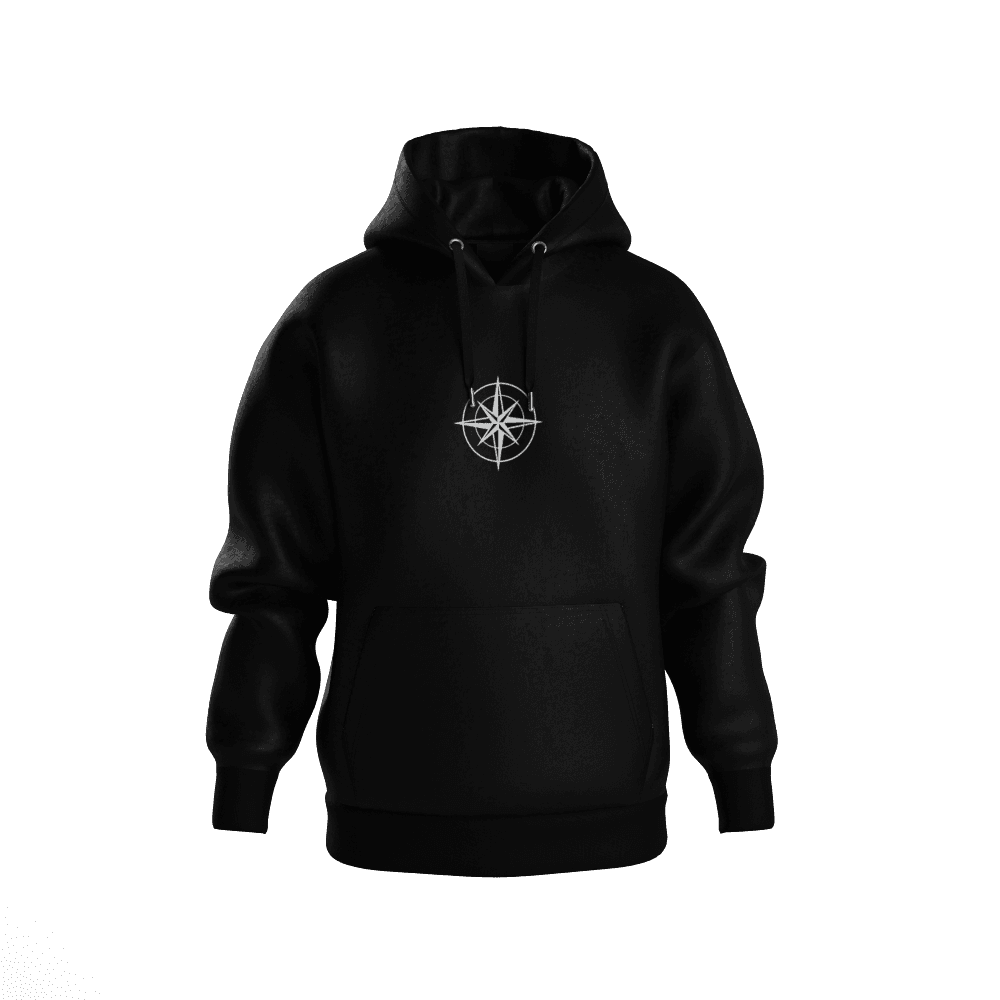
Sampling is the rehearsal. The factory makes one unit exactly as it intends to make all of them, you inspect it, and either you sign it off or you send notes and it goes round again. The output is a sealed sample, sometimes called a gold seal, which becomes the contractual reference for quality control on the bulk run. A worked example: a company orders 2,000 embroidered caps in a specific navy. The first sample returns with the logo 4 mm too wide and the navy reading slightly purple under warehouse lighting. Two rounds later, the corrected cap is sealed and photographed, and every carton is checked against it.
How the sampling process works
Most sampling processes move through four stages. First, the brief and specification, where artwork, dimensions, placement, thread or ink references and fabric are written down in one document. Second, a digital proof or 3D mockup, which is free, instant, and good enough to settle layout arguments. Third, the physical sample itself: a printed or embroidered piece on the actual product for stock items, or a full prototype from a tech pack for custom manufacturing. Fourth, sign-off, where the approved unit is sealed and both sides keep a reference copy or high-resolution photos.
Timing depends on what you are proving. A decoration sample on a stock garment is usually ready in 3 to 7 working days plus courier transit. A custom cut-and-sew prototype takes 2 to 4 weeks per round, and colour development like a lab dip or a screen-printed strike-off adds another 7 to 14 days on top. Budget for two rounds as the norm. The first sample rarely lands perfectly, and a process that assumes one round is a process that will slip.
Cost is where teams hesitate, usually for the wrong reason. Sample fees typically run from 20 to 150 euros per unit for decorated stock, and several hundred for a bespoke prototype, because a factory pays set-up costs to make a single piece. Many suppliers credit that fee back against the bulk order. Compare it to the alternative: a 3,000-unit run rejected for a colour mismatch means a reprint, a reshipment and a missed launch date. Sampling is cheap insurance, and it protects your lead time rather than eating it.
Sampling process in branded merch
- Custom apparel and cut-and-sew capsules. Fit, weight, drape and stitching cannot be judged from a render. Order a size-set sample across S, M and L so you approve the grading, not just the medium that looked good on the desk.
- Colour-critical brand rollouts. When brand colour is non-negotiable, sample it. Ask for a Pantone match on the actual substrate, since the same reference prints differently on cotton, on a matt tumbler and on a nylon bag.
- Reorders and new suppliers. A repeat order from a different factory is a new product until proven otherwise. Re-sample when the source, the fabric batch or the decoration method changes, even if the artwork has not.
The sampling process is the structured cycle of making, reviewing and approving physical proofs of a branded product before the full production run is authorised.
5 tips to elevate your Sampling process strategy
| Tip | Steps |
|---|---|
| Write a spec sheet first | List placement, size in mm, colour references and product code before anything is made, so feedback is measurable. |
| Assume two rounds | Build 2 sampling rounds into the timeline by default rather than treating a second round as a delay. |
| Judge colour in daylight | Review samples under neutral daylight and next to your printed brand reference, never under office fluorescents. |
| Approve in writing | Sign off with a dated photo and a note listing what was approved, so quality control has something to check against. |
| Keep the sealed sample | Store the approved unit until the bulk order is delivered and accepted, since it is your evidence in any dispute. |
Key Terminologies
Frequently Asked Questions
How long does the sampling process take?
A decoration sample on a stock product usually takes 3 to 7 working days plus shipping. A custom manufactured prototype takes 2 to 4 weeks per round, and most projects need two rounds.
Do I have to pay for samples?
Usually yes, because a factory bears set-up costs to produce a single unit. Fees commonly range from 20 to 150 euros for decorated stock items, and many suppliers credit the cost back against the bulk order.
What is a sealed sample?
A sealed sample is the approved reference unit, signed and dated by both buyer and supplier. It defines the quality standard for the production run and is used during quality control on delivery.
Can I skip sampling to save time?
You can on simple, repeat orders of stock items with proven artwork. Skip it on custom manufacturing or colour-critical work and you are gambling the value of the whole run to save a week.
How many sampling rounds are normal?
Two is standard. One round means the first attempt was perfect, which is rare. More than three usually points to an unclear specification rather than a poor factory.