
Definition
Shrinkage is the amount a fabric or finished garment loses in length or width after washing and drying, expressed as a percentage of the original measurement. A tee that measures 72 cm long out of the box and 69 cm after one hot wash has shrunk about 4 percent. Every natural fiber does it to some degree, and the number is predictable enough to plan around.
Definition
Shrinkage measures dimensional change, not damage. Mills quote it as two figures, one for length and one for width, and testing labs confirm it with a standard wash cycle. A cotton t-shirt labelled "3 percent residual shrinkage" is expected to lose up to three percent of its measurements over the first few washes and then stabilise. In practice that means a size L body length of 74 cm settles at roughly 72 cm. If your recipient wears the shirt straight from the box and again after a month, that difference is the shrinkage you specified.
How shrinkage works
Fibers spend the whole production process under tension. Yarn is pulled during spinning, fabric is stretched on the knitting machine, and rolls are held taut through dyeing and finishing. That tension is stored in the cloth. Add water, heat and tumbling, and the fibers relax back toward their natural state. Most of the change happens in the first wash, which is why the trade calls it relaxation shrinkage.
Fiber content decides how much movement you get. Untreated cotton typically shrinks 3 to 7 percent. Wool has scales on the fiber surface that interlock under heat and agitation, so it can felt and shrink far more, sometimes over 10 percent, and that change is irreversible. Polyester is heat-set during production and barely moves, usually under 1 percent, which is why poly-cotton blends sit between the two. Viscose and other regenerated cellulosics swell in water and can shrink noticeably. Knits move more than wovens because the loops have room to contract.
Finishing controls the rest. Sanforization mechanically compresses cotton fabric before cutting, forcing the shrinkage to happen at the mill instead of in your customer's dryer, and drops residual shrinkage to roughly 1 to 3 percent. Pre-washing and pre-shrinking do the same job at garment level. Heat is the biggest trigger in real use, and a tumble dryer causes more shrinkage than a hot wash does. That is the trade-off in a care label: a garment can be perfectly stable at 30 degrees and lose two sizes in a hot dryer.
Shrinkage in branded merch
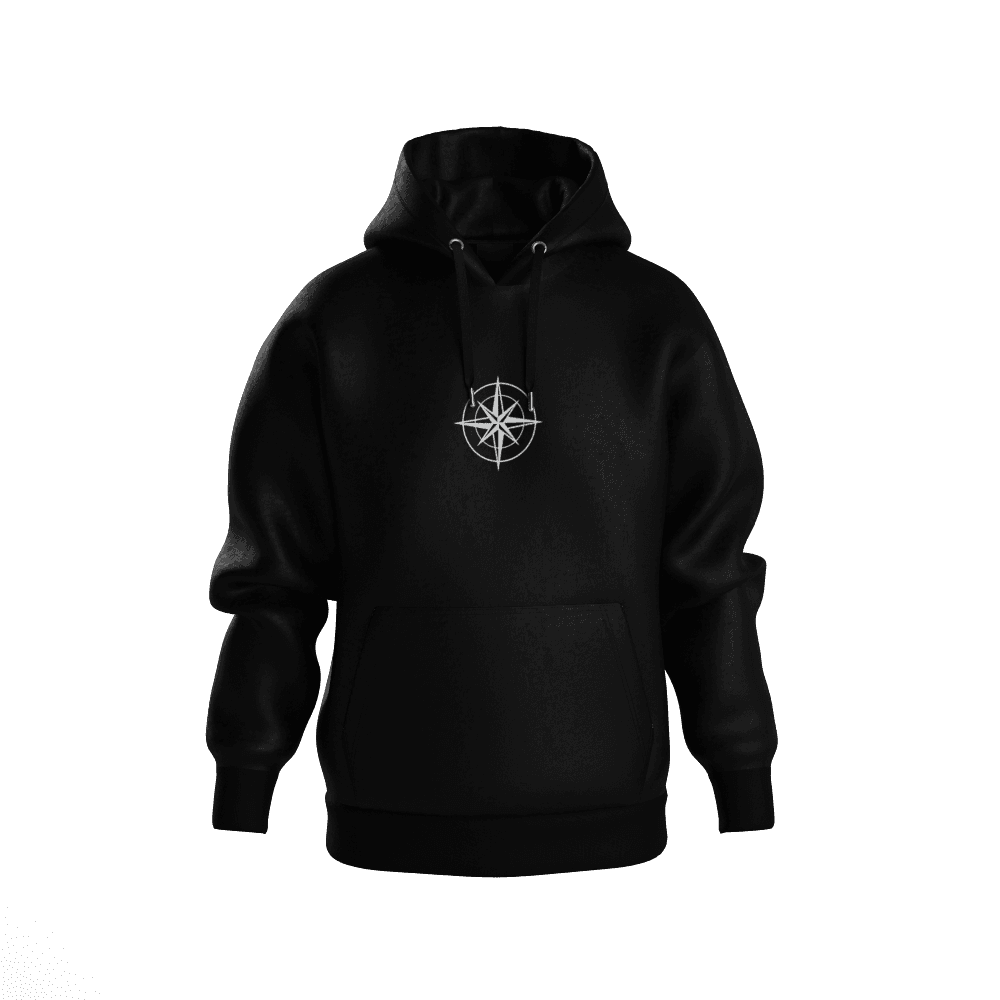
- Sizing that survives the first wash. A hoodie that fits at handover and turns cropped after a wash is merch that gets thrown out. Specify pre-shrunk fabric, or build the expected loss into the pattern so the post-wash measurement is the one your team actually wears.
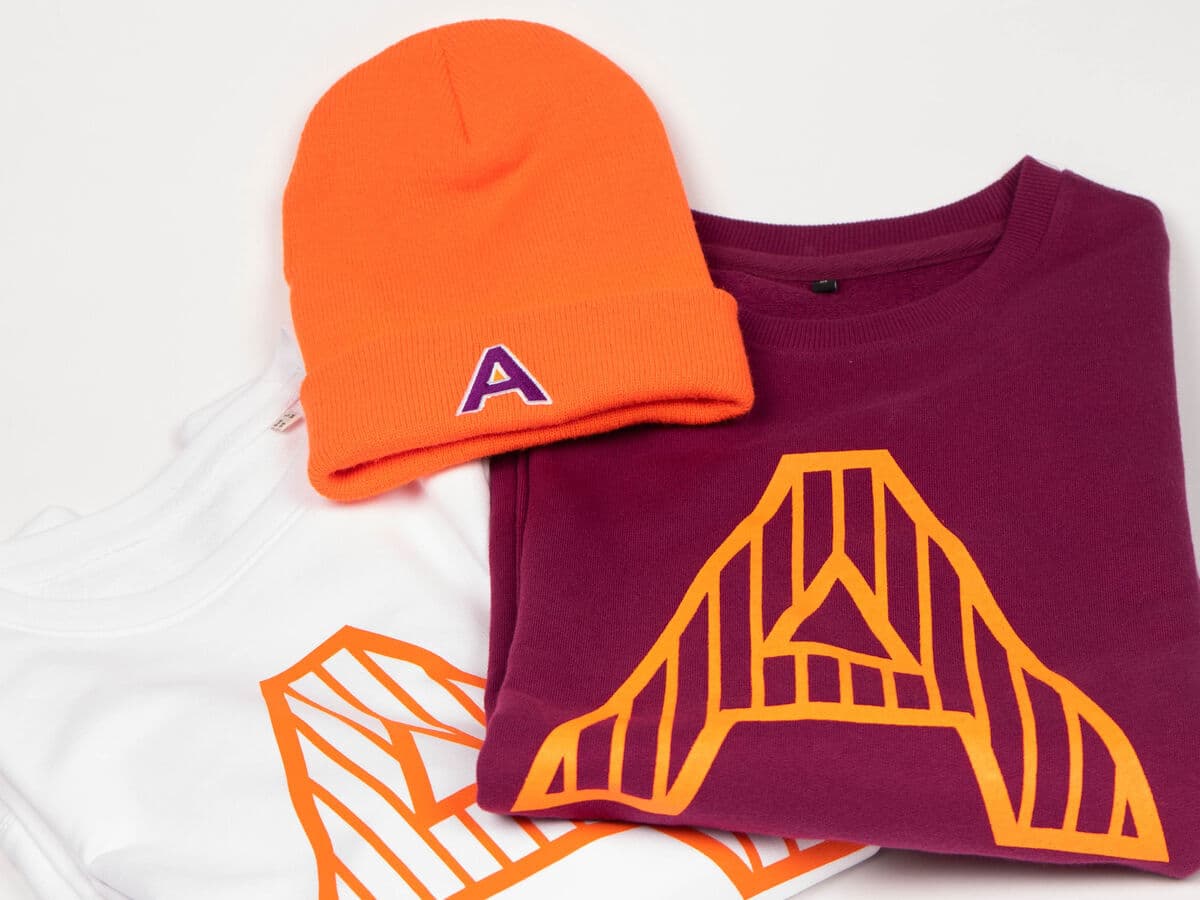
- Print and embroidery integrity. Screen prints and transfers do not shrink with the cloth. When a garment contracts underneath a fixed ink layer, the print cracks or wrinkles, and embroidery on a shrinking base puckers around the stitches. Matching decoration to a stable, pre-shrunk substrate keeps the logo flat.
- Consistency across reorders. Two batches from different mills can carry different shrinkage rates even at the same GSM. Locking a maximum residual shrinkage into the spec keeps the size L you ship in March identical to the one you ship in October.
Shrinkage is the permanent dimensional change a textile undergoes after washing and drying, usually stated as a percentage of length and width loss.
5 tips to elevate your Shrinkage strategy
| Tip | Steps |
|---|---|
| Ask for the number | Request residual shrinkage figures for length and width before approving any garment, not just fiber content. |
| Wash-test the sample | Run one sample through a normal 40 degree wash and tumble dry, then measure it against the spec before you commit to volume. |
| Choose pre-shrunk for apparel | For tees, hoodies and polos that will be washed weekly, insist on sanforized or pre-shrunk fabric. |
| Cap it in the tech pack | Set a maximum acceptable shrinkage, for example 3 percent, so reorders stay within tolerance. |
| Write a care label people follow | Recommend cold wash and low or no tumble dry, and print it clearly so the garment keeps its shape and its print. |
Key Terminologies
Frequently Asked Questions
How much does a cotton t-shirt shrink?
Untreated cotton usually shrinks 3 to 7 percent, mostly in length and mostly in the first wash. Pre-shrunk or sanforized cotton stays within roughly 1 to 3 percent.
Does polyester shrink?
Barely. Polyester is heat-set during manufacturing and typically shrinks less than 1 percent, though very high heat can distort the fibers permanently.
Can you prevent shrinkage completely?
No fabric is fully stable, but you can get close. Choose pre-shrunk or synthetic-blend fabrics, wash cold, and air dry instead of tumble drying.
Does a garment keep shrinking with every wash?
Not meaningfully. Most shrinkage happens in the first one to three washes, after which the fabric stabilises unless it is exposed to much higher heat.
Does shrinkage damage printing?
It can. The ink layer does not contract with the fabric, so a shrinking garment can crack a screen print or pucker embroidery. Printing on pre-shrunk fabric avoids this.