
Definition
Sustainable merchandise is any product created with an emphasis on minimizing environmental impact and upholding ethical labor standards throughout its lifecycle, from raw material extraction to final disposal.
“Sustainable merchandise focuses on reducing environmental harm and supporting ethical labor practices. It’s about ensuring the full product life cycle is responsible and fair.”
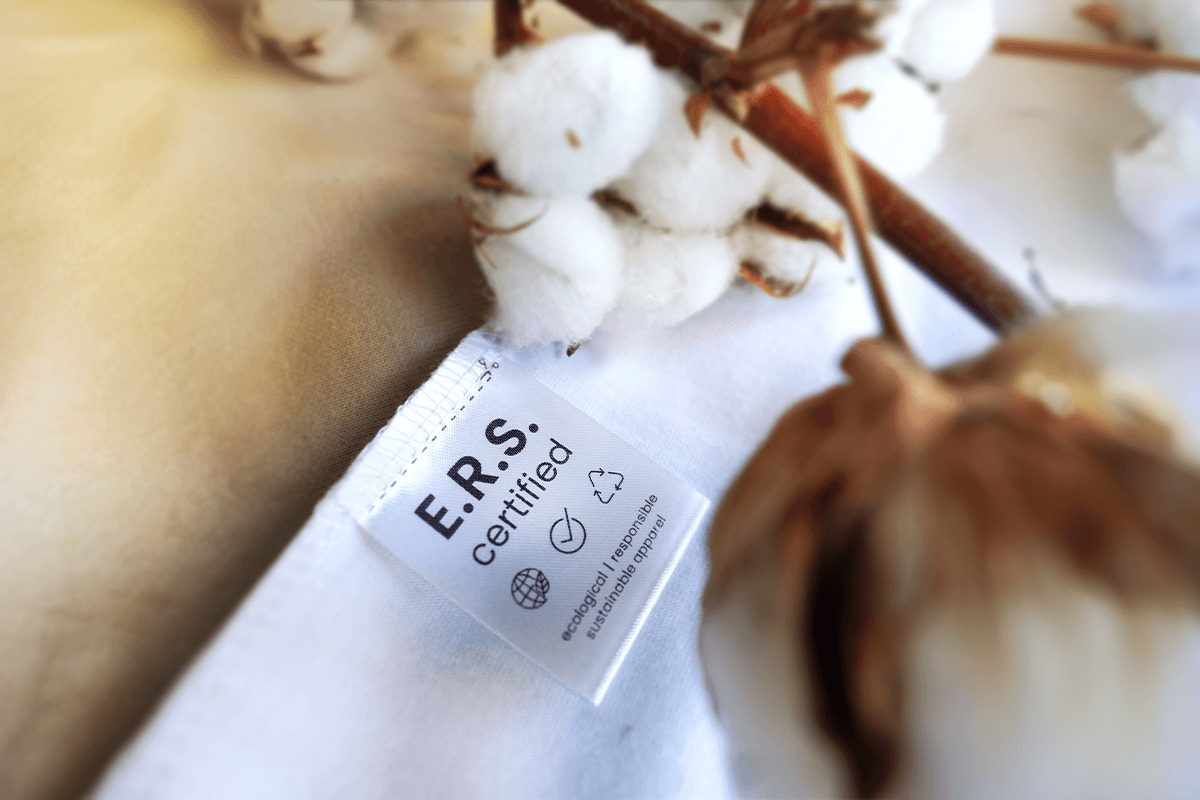
For example, consider a cotton t-shirt labeled as sustainable merchandise. This t-shirt is made from organic cotton, which minimizes pesticide use and conserves water. It’s manufactured in factories with fairtrade and fair labor practices, ensuring workers receive fair wages and work in safe conditions. Additionally, the supply chain is optimized to reduce carbon emissions, and the product packaging is biodegradable to further lessen its environmental footprint.
The Principles of Effective Sustainable Merchandise
Understanding the principles of sustainable merchandise is key to differentiating between truly eco-friendly products and those that merely claim to be. These foundational principles guide the creation of merchandise that meets environmental and ethical standards while offering quality and value to the consumer. They are the backbone of a more conscious and responsible approach to merchandise production.
At the heart of sustainable merchandise is the commitment to custom life-cycle thinking, which involves considering a product’s impact from manufacturing to disposal, while embracing green practices. This necessitates utilizing eco-friendly materials such as organic cotton, bamboo, or recycled polyester that minimize environmental disruption. Furthermore, ethical labor practices, such as fair wages and safe working environments, are non-negotiable. Making the supply chain as transparent as possible is also crucial; this allows consumers to track each stage of the product’s journey and ensures that every step aligns with sustainability goals. Energy efficiency and waste reduction strategies, including eco-friendly printing techniques, in the manufacturing process are essential too, highlighting a dedication to conserving resources and reducing emissions. Packaging should be minimal, reusable, and recyclable, emphasizing a reduction in waste and promoting recycling.
Ultimately, the principles of sustainable branded merchandise, including those applicable to corporate gifting, align with a broader movement towards environmental stewardship and social responsibility. These principles help ensure that you not only meet consumer demand for sustainable products but also contribute to a healthier planet.
In essence, sustainable merchandise is not a trend-it’s a commitment.
4 examples of powerful Sustainable Merchandise strategies
Organic Cotton T-Shirts
: Made from 100% organic cotton, these t-shirts are grown without harmful pesticides or synthetic fertilizers. The production process utilizes significantly less water compared to conventional methods, and the result is a biodegradable, pollution-free garment.
Bamboo Utensils
: Bamboo is a highly renewable resource, growing rapidly without needing replanting, fertilizers, or pesticides. Utensils crafted from bamboo are both durable and biodegradable, providing an environmentally friendly alternative to single-use plastic cutlery.
Recycled Polyester Jackets
: Crafted from post-consumer plastic bottles, these jackets highlight how materials can be upcycled into new products. The process saves resources by avoiding the extraction of new raw materials and helps decrease the amount of plastic waste in landfills.
Biodegradable Phone Cases
: These cases are made from plant-based materials that will safely decompose when composted. They provide durability and protection for your device while ensuring that once disposed of, they won’t contribute to long-term environmental damage.
7 tips to elevate your Sustainable Merchandise strategy
| Tip | Steps |
|---|---|
| Research Brands | Identify brands with sustainable practices |
| Check Certifications | Look for labels like GOTS or Fair Trade |
| Choose Quality over Quantity | Invest in durable items that last longer |
| Attend Workshops | Join sustainability-focused workshops |
| Engage with Communities | Participate in online forums or groups |
| Pilot New Materials | Try innovative materials like hemp or Tencel |
| Track Progress | Use apps to monitor your ecological footprint |
Frequently Asked Questions
What exactly is sustainable merchandise?
Sustainable merchandise, including custom promotional products, refers to items designed, sourced, and manufactured to minimize environmental impact and promote ethical practices throughout their entire lifecycle.
How does sustainable merchandise affect product costs?
While initial costs may seem higher due to ethical sourcing and eco-friendly materials, sustainable merchandise often offers better long-term value, including durability and reduced environmental impact.
Is sustainable merchandise truly better for the environment?
Yes, sustainable merchandise emphasizes using renewable resources, reducing waste, and minimizing carbon footprints, ultimately contributing to environmental preservation.
Can sustainable merchandise be fashionable and trendy?
Absolutely! Sustainable merchandise increasingly incorporates innovative designs and trendy aesthetics, ensuring you stay stylish while supporting eco-friendly initiatives.
Why is sustainable merchandise important?
It promotes responsible resource usage, reduces environmental harm, and encourages ethical labor practices, aligning consumption with global sustainability goals.
How can I verify if my merchandise is sustainable?
Look for eco-labels, assess the product’s lifecycle impact, and research the company’s sourcing and manufacturing practices to ensure legitimacy in sustainability claims.