
Definition
An SVG file is a vector image format that stores artwork as mathematical shapes instead of pixels, so it stays perfectly sharp at any size. SVG stands for Scalable Vector Graphics, and the format is the gold standard for logos and print-ready artwork. Because the file describes lines and curves rather than a fixed grid of dots, you can scale it from a business card to a billboard with no loss of quality.
Definition
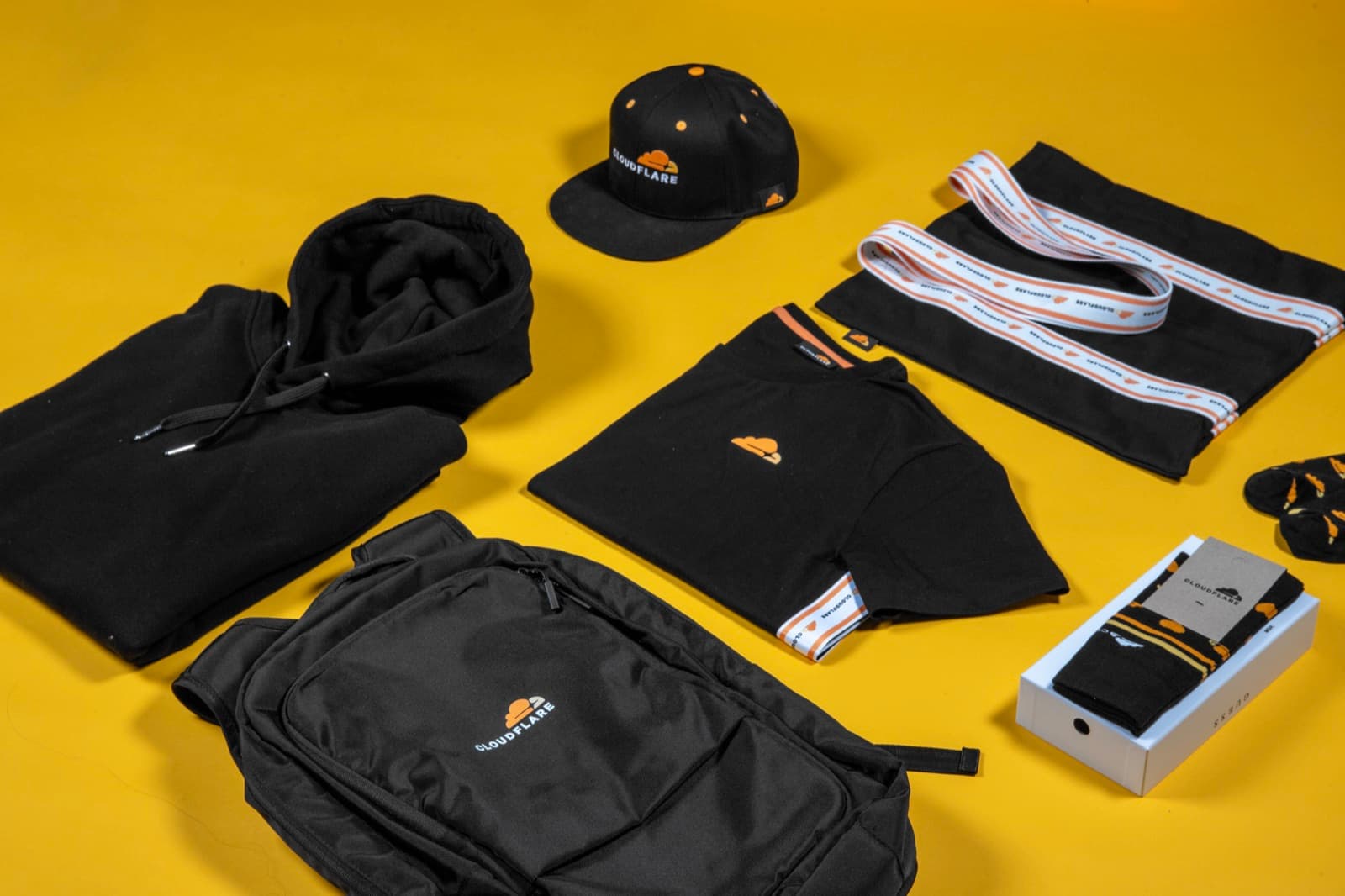
An SVG file is an XML-based text file that defines an image through points, paths and fills. Open one in a code editor and you see readable tags, not a block of pixels. For example, a company logo saved as an SVG can be dropped onto a tiny woven label or blown up across the back of a jacket, and the edges stay crisp in both cases. That flexibility is why print and merch teams ask for logos in SVG before anything else.
How an SVG file works
An SVG file stores every element as a mathematical description. A circle is recorded as a center point and a radius, a curve as a set of coordinates. When you resize the image, the software recalculates those shapes at the new dimension, so nothing ever pixelates. This is the opposite of a raster image like a JPG or PNG, which locks pixels into a fixed grid and blurs when enlarged.
Because the format is text-based and open, SVG files stay small, editable and easy to convert. A designer can recolor a shape, swap a Pantone match or separate elements for different print methods without rebuilding the artwork. The file also carries clean paths, which matters for decoration. Screen printing, embroidery digitizing, laser engraving and vinyl cutting all need vector outlines to produce sharp results.
There are limits. SVG is built for flat graphics like logos, icons and typography, not photographs. A detailed photo saved as SVG would be enormous and impractical. Some older software and production machines also prefer other vector formats such as EPS or PDF, so an SVG often gets converted late in the print-prep stage. As a master source file, though, it is hard to beat.
SVG files in branded merch
- Sending a print-ready logo. Supply your logo as an SVG so any product, from a pen to a hoodie, reproduces it at full quality. One clean vector file removes the back and forth over blurry uploads.
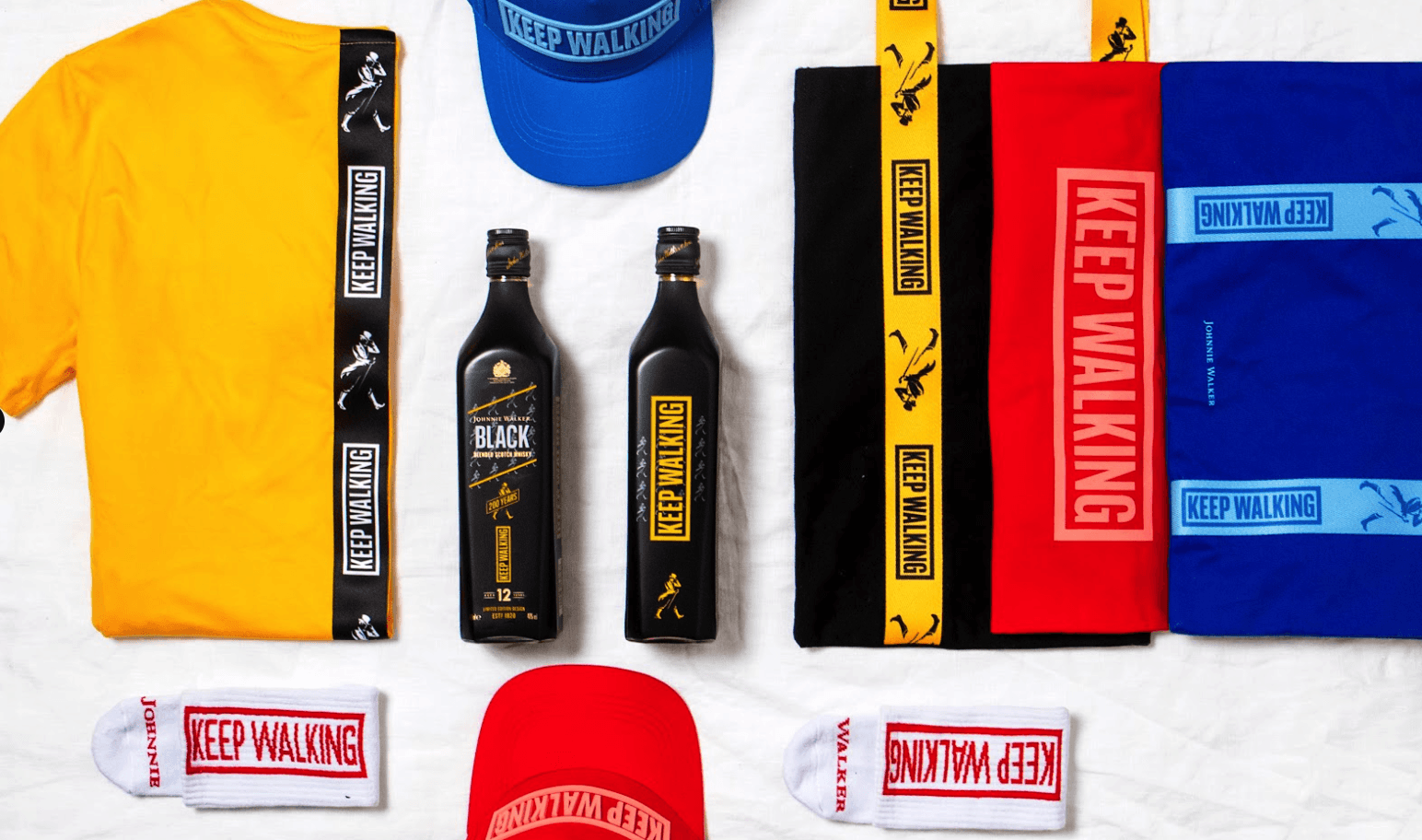
- Scaling one design across many products. The same SVG works on a small cap embroidery and a large tote print. You keep visual consistency across an entire merch range from a single source file.
- Editing colors for spot printing. Because paths and fills stay separate, a printer can isolate each color for spot color printing or match a brand Pantone quickly, without touching the rest of the artwork.
An SVG file is a scalable vector graphic that stores images as editable shapes and paths, so it can be resized to any dimension without becoming blurry or pixelated.
5 tips to elevate your SVG file strategy
| Tip | Steps |
|---|---|
| Keep a master SVG | Store your logo as an SVG source file and export other formats from it when needed. |
| Convert text to outlines | Outline any fonts before sending so the file renders correctly on every machine. |
| Check that paths are clean | Remove stray points and merge shapes so decoration output stays sharp. |
| Supply it with a preview | Include a PNG preview so non-designers can see the artwork without opening the SVG. |
| Confirm the printer's format | Ask whether your supplier prefers SVG, EPS or PDF, since production tools vary. |
Key Terminologies
Frequently Asked Questions
What is an SVG file used for?
An SVG file is used for logos, icons and print-ready artwork that need to scale cleanly. In merch it is the preferred format for supplying a logo to be printed or embroidered on products.
Is an SVG better than a PNG for printing?
Usually yes. An SVG stays sharp at any size because it is vector-based, while a PNG is made of pixels and can blur when enlarged. For logos and line art, SVG is the safer choice for print.
Can I open an SVG file without design software?
Yes. Most web browsers open SVG files directly, and you can view the code in any text editor. To edit the artwork properly you need vector software like Illustrator, Inkscape or Figma.
Can a photo be saved as an SVG?
Not effectively. SVG is designed for flat graphics like logos and icons, not detailed photographs. A photo is better kept as a raster format such as JPG or PNG.
How do I convert my logo to an SVG?
A designer can redraw or trace your logo into vector paths using software like Illustrator or Inkscape, then export it as SVG. Automatic tracing works for simple shapes but usually needs cleanup.